Table of Contents >> Show >> Hide
- The Original Mowerbot Was Ahead of Its Time
- How Robot Lawn Mowers Evolved From Curiosity to Category
- Why Frequent Robot Mowing Can Be Good for Grass
- The Real Benefits of Smart Lawn Care
- Where a Robot Mower Works Best
- Where a Mowerbot Still Has Limits
- How to Choose the Right Robot Lawn Mower
- Mowerbot’s Legacy Is Bigger Than One Machine
- Conclusion
- The Ownership Experience: What Living With a Mowerbot Feels Like
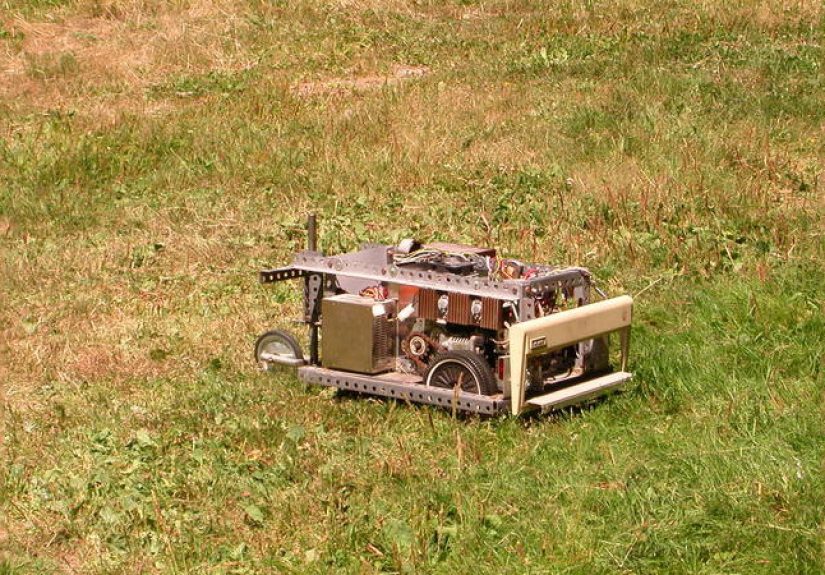
Every great suburban revolution starts with a simple dream: What if I never had to push this noisy grass-chomping beast across the yard again? Back in 1998, a homemade robot mower called Mowerbot turned that dream into a wonderfully nerdy reality. It was the kind of machine that felt part garage experiment, part sci-fi prophecy, and part “please ignore the fact that my lawn equipment may be smarter than my first office computer.”
Fast-forward to today, and the spirit of Mowerbot is everywhere. Modern robotic lawn mowers can map yards, follow virtual boundaries, dodge obstacles, return to their charging stations, and quietly trim grass while you do literally anything else. That “anything else” may be relaxing on the patio, answering emails, or dramatically staring at your lawn like a proud Victorian landowner who has outsourced labor to a robot.
This article explores why Mowerbot keeping the lawn in check since 1998 is more than a catchy title. It is a story about how lawn care automation evolved from an ingenious DIY project into a serious category of smart lawn care. Along the way, it also reveals something important: a robot mower is not just about saving time. When used correctly, it can support healthier grass, more consistent maintenance, and a more civilized relationship with your weekends.
The Original Mowerbot Was Ahead of Its Time
The original Mowerbot deserves a respectful tip of the yard hat. It was built in 1998, long before smart homes were mainstream and long before most people thought “robot” and “lawn” belonged in the same sentence. This early machine represented an idea that still powers the best autonomous mowers today: cut a little, cut often, and let automation handle the boring part.
That idea sounds obvious now, but in the late 1990s it was wildly ambitious. Traditional mowing was still loud, manual, and stubbornly physical. A mower was something you wrestled, not something you scheduled. Mowerbot changed that mental model. It suggested that lawn care could become continuous maintenance instead of a sweaty weekly showdown.
In many ways, the original Mowerbot did what all enduring tech pioneers do: it looked a little quirky, a little overbuilt, and a lot smarter than people expected. The hardware may now feel charmingly retro, but the concept was dead serious. A machine that could maintain turf with regular light cuts would eventually become the blueprint for the modern robot mower market.
How Robot Lawn Mowers Evolved From Curiosity to Category
After the late 1990s, robotic mowing moved from inventive experimentation into commercial development. Early models from major manufacturers focused on the same core promise Mowerbot hinted at: autonomous cutting, rechargeable power, and a lawn that stayed tidy through small, regular trims rather than dramatic weekend scalping.
At first, these machines felt futuristic in the way fax machines once did: impressive, but a little fussy. Setup often required perimeter wires, careful placement, and a certain willingness to read instructions longer than a tax form. Over time, though, the technology improved in all the ways consumers actually care about. Navigation became smarter. Obstacle handling became safer. Battery performance improved. Apps took over scheduling. Newer machines learned how to work with virtual boundaries, GPS-assisted navigation, and in some cases RTK positioning for cleaner, more deliberate mowing patterns.
That shift matters because the latest generation of robotic mowers is not just “automatic” in the old sense. Many are genuinely strategic. Some can mow in patterns instead of random passes. Some can handle multiple zones. Some can create no-go areas without forcing you to dig up half the yard to bury wire. In other words, the category finally grew into the fantasy Mowerbot hinted at years ago: lawn care that feels less like machine babysitting and more like useful automation.
Why Frequent Robot Mowing Can Be Good for Grass
Here is the sneaky truth most homeowners discover late: grass usually does better when it is maintained consistently rather than attacked sporadically. That is why robotic lawn mowers can be such a good fit for residential turf. Instead of hacking off a huge amount of growth once a week, they typically remove a tiny amount at a time. That supports the classic one-third mowing rule and helps avoid shocking the lawn.
Think of it as the difference between regular hair trims and a panicked haircut after six months of denial. One approach is maintenance. The other is damage control.
Small, frequent cuts also create fine clippings that fall back into the lawn. This micro-mulching effect can return nutrients to the soil and reduce the need to bag clippings. That is good for convenience, but it can also support turf health when the mower is set correctly and the grass is not being chopped down from jungle height to crew cut in a single afternoon.
There is one important caveat: there is no universal “perfect” mowing height for every lawn. Cool-season grasses in some regions often do well at around 3 inches or more, while other extension guidance places many home lawns closer to 2 to 2.5 inches depending on grass type, climate, and management goals. The healthiest move is to match the mower setting to your turf species, not to whatever your neighbor’s cousin claims “looks golf-course fancy.”
In practical terms, a robot mower works best when you decide on the right cut height for your lawn and let the machine maintain it steadily. That consistency is where the magic happens. A steady cut can improve density, reduce scalp marks, and make the yard look finished more often, not just for the 36 glorious hours after a Saturday mow.
The Real Benefits of Smart Lawn Care
1. Time savings that actually feel real
A robotic mower does not just save mowing time on paper. It removes mowing from your mental to-do list. You stop planning a weekend around weather windows, gas cans, and the annual ritual of discovering that the pull cord now has emotional boundaries.
2. A quieter yard
Most robotic mowers are dramatically quieter than traditional gas models. That means fewer neighborhood sound effects and a lawn that can be maintained without announcing itself like a motorcycle convention.
3. No on-site gas exhaust
Electric robotic mowers avoid the direct tailpipe emissions and fuel evaporation associated with gas-powered yard equipment. For homeowners trying to cut back on fumes, spills, and fuel storage, that is a meaningful advantage.
4. More consistent curb appeal
Because robot mowers trim frequently, lawns tend to look consistently maintained instead of swinging between “freshly cut” and “we may need a search party.” If appearance matters, automation helps keep the yard in that neat middle ground.
5. Better fit for some physical limitations
For homeowners who find traditional mowing hard on their back, shoulders, balance, or stamina, automation can be genuinely helpful. Yard work does not have to become an all-or-nothing proposition.
Where a Robot Mower Works Best
A robotic lawn mower is not automatically the right choice for every property. It tends to shine on yards with relatively predictable turf areas, manageable obstacles, and a homeowner who wants consistent maintenance more than dramatic one-day power mowing.
It is often a strong fit for:
- Small to medium suburban lawns
- Yards that benefit from frequent trimming
- Homeowners who value low-noise equipment
- People who want scheduled, app-based automation
- Properties where hauling gasoline around feels unnecessary and annoying
It can also work well on larger or more complex properties, but that usually requires stepping up to higher-end models with better navigation, stronger slope handling, and more sophisticated zoning features. Newer wire-free models are especially attractive for open yards, sports turf, and spaces where perimeter wire installation would be a nuisance.
Where a Mowerbot Still Has Limits
Now for the honest part: robot mowers are clever, but they are not miracle workers wearing tiny safety glasses.
Edges remain a common weakness. Many machines leave a strip near fences, beds, walls, or curbs that still needs touch-up trimming. Complex yards with exposed roots, toys, hoses, low tree limbs, irregular patches, or steep transitions can also create headaches. Some models handle these conditions gracefully. Others handle them like a Roomba meeting a sock: with misplaced confidence.
Robot mowers also require a different mindset. They are maintenance machines, not rescue machines. If you let the lawn grow wild for weeks and then send out the robot, you are setting up the mower to fail. These machines are best when they maintain order continuously, not when they are asked to conquer a grassy apocalypse.
Blade care matters, too. Small blades need periodic replacement, and setup still matters even with smarter systems. The technology has improved a lot, but success still depends on choosing a mower that matches your yard size, slope, boundary type, and grass behavior.
How to Choose the Right Robot Lawn Mower
Look at your yard before looking at the marketing
Measure the mowable area, note the steepest slopes, and count the awkward transitions. A robot mower that is perfect on a flat quarter-acre lot may struggle on a larger property with narrow passages and sudden drop-offs.
Decide whether you want wire or wire-free
Boundary-wire models can work very well, but installation takes time. Wire-free or virtual-boundary models are more flexible, especially for homeowners who may tweak zones, landscaping, or access areas later. The tradeoff is price and, in some yards, signal considerations.
Pay attention to cut height range
Your mower must support the height your grass actually needs. This is one of the most overlooked buying factors. A slick app cannot make up for the wrong cut height.
Check obstacle handling and safety features
Look for lift sensors, tilt sensors, collision detection, theft protection, app alerts, and secure zone controls. Safety is not the glamorous part of mower shopping, but it is the part that keeps glamorous mistakes from happening.
Think in terms of ownership, not just purchase price
A robot mower may cost more upfront than a basic push mower. But the total ownership picture includes labor saved, fuel not purchased, reduced maintenance, and the value of having your Saturdays remain legally available for lounging.
Mowerbot’s Legacy Is Bigger Than One Machine
The real importance of Mowerbot is not that it was old-school, homemade, or gloriously geeky. Its importance is that it saw the future clearly. It understood that lawn care could move from brute force to automation, from noisy effort to quiet consistency, and from “I’ll mow when I get around to it” to “the lawn is already handled.”
That is a bigger shift than it seems. People often talk about home automation in terms of lights, thermostats, locks, and kitchen gadgets. But outdoor automation may be even more satisfying because it removes one of the most repetitive household chores of all. A tidy lawn has always signaled care and order. A robot mower simply changes how that order gets created.
In that sense, Mowerbot keeping the lawn in check since 1998 is a story about persistence. Not just the machine’s persistence, but the persistence of a useful idea. The best home technologies are not the flashiest. They are the ones that quietly solve the same irritating problem over and over again until you can no longer imagine going back.
Conclusion
Robot lawn mowers have grown up. What began as a tinkerer’s challenge and an early commercial experiment is now a serious option for homeowners who want cleaner, quieter, steadier lawn maintenance. The original Mowerbot may have relied on retro hardware and garage ingenuity, but its central insight still holds up beautifully: a lawn stays healthier and looks better when you manage it consistently.
That does not mean every yard needs a robot. It does mean the category deserves to be taken seriously. For the right property, the right mower can turn one of homeownership’s most repetitive chores into a background task. And honestly, that is a pretty glorious upgrade for a machine whose whole job is to prevent your front yard from looking like it is auditioning for a wilderness documentary.
So yes, Mowerbot has been keeping the lawn in check since 1998. More importantly, it helped preview a future where lawn care is less about muscle, noise, and fumes, and more about intelligent maintenance. The grass still grows. The difference now is that your mower may have a schedule, a charging dock, and better work-life balance than you do.
The Ownership Experience: What Living With a Mowerbot Feels Like
To make this practical, here is a composite ownership experience based on common themes from product testing, homeowner writeups, and lawn-care guidance. Day one usually starts with optimism, coffee, and the thrilling belief that installing a robot mower will take “maybe 20 minutes.” Day one often ends with a deeper respect for boundary mapping, dock placement, and the hidden geography of your yard. You notice things you have somehow ignored for years: a shallow dip near the driveway, exposed roots by the maple tree, the fact that one side yard is basically a narrow obstacle course designed by a mischievous landscape architect.
Once setup is finished, the emotional tone changes quickly. The first successful mow feels oddly futuristic. The mower glides out, does its thing, turns around with tiny robotic confidence, and heads back to charge as if this arrangement has always been obvious. There is no dramatic roar, no gas smell on your hands, no debate about whether the trimmer line is loaded correctly. You just look outside and realize the lawn is being maintained while you are free to do something else.
By the end of the first week, many owners stop thinking in terms of “mowing day.” That is one of the biggest lifestyle changes. The lawn starts looking evenly maintained all the time rather than cycling through stages of shaggy regret and post-mow redemption. You also begin to notice that the clippings are practically invisible. That changes the cleanup routine. There is less bagging, less hauling, and less of that classic moment when you wonder why your trash can is somehow 40 percent grass.
Then come the small lessons. A robot mower teaches humility in a very polite way. Leave a hose on the lawn, and the machine will find it. Forget a dog toy in the grass, and the mower will file a quiet complaint by stopping in exactly the most inconvenient spot. Change your landscaping without updating the mowing map, and your cheerful little helper may become a very expensive explorer. The ownership experience is easiest for people who appreciate systems. Once the yard is dialed in, things run smoothly. When the yard is chaotic, the mower tends to reveal that chaos with ruthless efficiency.
After a month or two, the value becomes less about novelty and more about rhythm. The lawn looks good more often. The workload feels lighter. The machine becomes part of the property, like irrigation or exterior lighting. You still edge, you still trim, and you still keep the yard reasonably clear, but the biggest recurring chore has been cut down to supervision and occasional maintenance. That is a serious quality-of-life improvement.
Long term, the best part may be psychological. A robot mower removes the sense that lawn care is waiting for you like an unpaid debt. The grass keeps growing, but the dread shrinks. Instead of blocking off a chunk of the weekend, you make a few app adjustments, replace blades when needed, and let the machine handle the repetitive part. It is not magic. It is better than magic, actually. It is useful.