Table of Contents >> Show >> Hide
- So… should you worry?
- What “normal” cold hands and feet can look like
- When cold hands and feet might signal something else
- 1) Raynaud’s phenomenon: the “color-changing fingers” classic
- 2) Anemia (especially iron-deficiency): not enough oxygen delivery
- 3) Hypothyroidism: when metabolism turns down the thermostat
- 4) Peripheral artery disease (PAD): circulation trouble that deserves respect
- 5) Nerve issues (including diabetic neuropathy): when your sensors misread the weather
- 6) Medications and substances that tighten blood vessels
- Other possibilities (less common, but real)
- Red flags: when cold hands and feet should be checked soon
- How a clinician typically figures out the cause
- What you can do now: practical ways to warm up (and protect your health)
- Quick self-check: the “pattern clues” that help you decide what’s going on
- Frequently asked questions
- Final thoughts
- Experiences: what “always cold” can look like in real life (and what people learn)
- Experience 1: “My fingers turn white when I hold an iced coffee.”
- Experience 2: “My feet are freezing, but I’m also exhausted all the time.”
- Experience 3: “I’m always cold, even in a hoodiesomething feels off.”
- Experience 4: “One foot is colderand walking cramps my calf.”
- Experience 5: “My feet feel cold, but they’re not actually cold to the touch.”
- Experience 6: “My hands are cold because my life is basically caffeine and deadlines.”
If your hands and feet are always cold, welcome to the unofficial club of “Human Popsicles Who Still Pay Rent.”
The good news: for a lot of people, cold extremities are more annoying than alarming. The not-so-fun news:
sometimes cold hands and feet can be a clueyour body’s way of sliding a sticky note across the table that says,
“Hey, can we talk about circulation, hormones, or blood counts?”
This guide breaks down what’s normal, what’s not, the most common causes (including Raynaud’s phenomenon,
anemia, hypothyroidism, and peripheral artery disease), and what you can do today to warm upwithout turning
your life into a full-time space-heater management job.
So… should you worry?
Usually, no. Cold hands and feet often come from everyday factors like temperature, stress,
not moving enough, or having less body fat insulation. But if your cold extremities come with symptoms like
color changes (white/blue), numbness, pain, sores that won’t heal, or one foot colder than the other,
it’s worth checking in with a healthcare provider.
Think of it like your car’s dashboard lights. “It’s chilly outside” is the equivalent of your windshield wipers
turning onnormal. “My toes are blue and my finger hurts like it’s being punished for crimes it didn’t commit”
is more like the check engine light.
What “normal” cold hands and feet can look like
Hands and feet get cold more easily because your body prioritizes keeping your core (heart, lungs, brain) warm.
When it’s coldor when your nervous system thinks it’s coldblood vessels in your extremities can tighten up to
conserve heat. That’s a normal survival feature… even when it’s inconvenient for typing, cooking, and living.
Common, non-scary reasons your extremities run cold
- Cold environment + poor insulation: Low body fat, smaller body size, or older age can make you feel cold more easily.
- Not moving enough: Sitting still for long stretches reduces muscle heat production and circulation.
- Stress and anxiety: Adrenaline can tighten blood vessels and make hands feel icy.
- Dehydration or not eating enough: Less fluid volume and fewer calories can mean less heat production.
- Caffeine and nicotine: Both can narrow blood vessels in some people, especially nicotine.
- Genetics: Some people are simply “cold-handed” (like being left-handed, but less convenient).
If your hands and feet are cold but you otherwise feel fineand warming up helpsthis is often in the “annoying,
not alarming” category.
When cold hands and feet might signal something else
Persistent cold extremities can be connected to issues with blood flow, blood oxygen delivery,
nerve function, or metabolism. Here are the big ones that show up again and again in clinics.
1) Raynaud’s phenomenon: the “color-changing fingers” classic
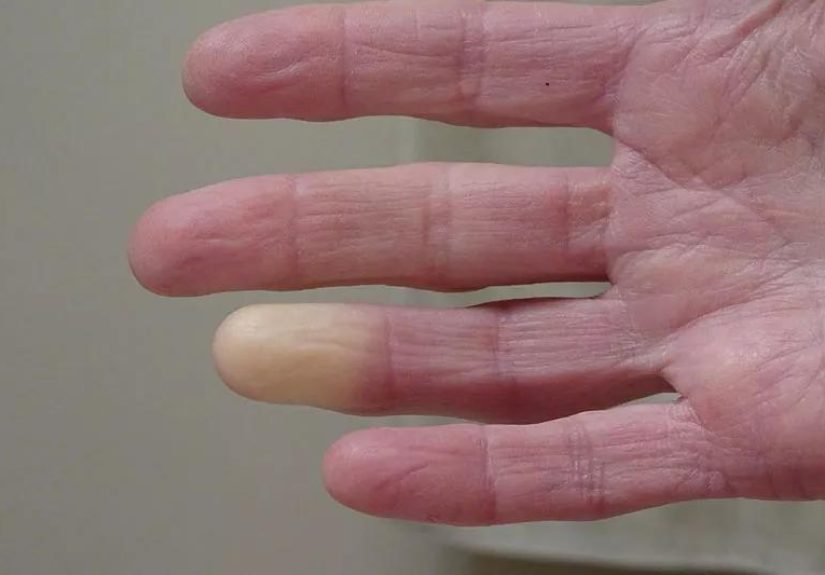
Raynaud’s is a common cause of cold fingers (and sometimes toes). During an episode, small blood vessels spasm,
temporarily limiting blood flow. This can cause fingers or toes to feel cold and numb and sometimes change color
often white, then blue, then red as blood flow returns.
Triggers often include cold temperatures and stress. Some people have mild episodes and manage
with lifestyle changes. Others have more intense symptoms, especially when Raynaud’s is linked to another condition
(called secondary Raynaud’s).
Clues it might be Raynaud’s
- Episodes are triggered by cold or stress
- Fingers/toes may change color
- Numbness, prickling, or stinging pain during rewarming
- Symptoms tend to come in attacks rather than being constant 24/7
2) Anemia (especially iron-deficiency): not enough oxygen delivery
If you have anemia, you have fewer healthy red blood cells (or less hemoglobin) to carry oxygen. Your body may
respond by sending less warm, oxygen-rich blood to the peripheryhello, cold hands and feet.
Other common anemia signs include fatigue, weakness, pale skin, shortness of breath, dizziness, headaches,
and sometimes a fast heartbeat. Iron-deficiency anemia can also come with cravings for ice (pica), which is oddly
specificand surprisingly common.
3) Hypothyroidism: when metabolism turns down the thermostat
Thyroid hormones help regulate metabolism. If your thyroid is underactive, your “internal engine” may idle lower,
making you more sensitive to cold. Cold intolerance can show up along with fatigue, weight gain, constipation,
dry skin, hair changes, and sluggishness.
This doesn’t mean every cold toe equals a thyroid problembut if cold extremities are paired with classic thyroid
symptoms, a simple blood test can often clarify the picture.
4) Peripheral artery disease (PAD): circulation trouble that deserves respect
PAD happens when arteriesoften in the legsbecome narrowed by plaque, reducing blood flow. One standout clue is
coldness in the lower leg or foot, especially compared with the other side. PAD may also cause
leg pain or cramping with walking that improves with rest (claudication), slow-healing sores, and weak pulses.
PAD is more likely if you have risk factors like smoking, diabetes, high blood pressure, high cholesterol,
or older age. It matters because PAD isn’t just about foot temperatureit can be a marker of broader blood
vessel disease.
5) Nerve issues (including diabetic neuropathy): when your sensors misread the weather
Sometimes the issue isn’t the “plumbing” (blood flow) but the “wiring” (nerves). Peripheral neuropathycommonly
from diabetescan cause numbness, tingling, burning, or reduced ability to sense temperature. That can make
feet feel “cold” or strange even when skin temperature isn’t dramatically different.
If you have diabetes (or prediabetes), foot symptoms deserve extra attention because reduced sensation raises the
risk of unnoticed injuries and infections.
6) Medications and substances that tighten blood vessels
Some medications can contribute to cold hands and feet by narrowing blood vessels or changing circulation. Examples
can include certain migraine meds, stimulants, some decongestants, and some blood pressure medications (especially
ones that affect how blood vessels behave). Nicotine is a major player here too.
Never stop a prescription medication on your ownjust bring it up as a possible factor and ask about alternatives
if symptoms are disruptive.
Other possibilities (less common, but real)
- Autoimmune/connective tissue conditions: Some can be associated with secondary Raynaud’s.
- Low body weight or low calorie intake: Less insulation and less heat production can amplify cold intolerance.
- Vitamin deficiencies: Some deficiencies (like B12) can contribute to nerve symptoms that feel like coldness.
- History of frostbite or nerve injury: Can change how you sense temperature long-term.
Red flags: when cold hands and feet should be checked soon
Make a medical appointment if your cold extremities are new, worsening, or come with any of the following:
- Color changes (white/blue/purple), especially with pain
- One-sided coldness (one foot or one hand significantly colder than the other)
- Open sores, ulcers, or wounds that heal slowly
- Numbness, weakness, or severe tingling
- Leg pain with walking that improves with rest
- Chest pain, fainting, severe shortness of breath (seek urgent care)
How a clinician typically figures out the cause
You don’t need to show up with a homemade lab kit and a detective hat. Most evaluations start with a careful
history and a basic exam.
Questions you’ll likely be asked
- When did this startsuddenly or gradually?
- Is it constant or in episodes?
- Do your fingers/toes change color with cold or stress?
- Any numbness, pain, ulcers, or weakness?
- Do you smoke or use nicotine? How much caffeine?
- Any history of diabetes, thyroid disease, anemia, autoimmune conditions?
Common tests (depending on your symptoms and risk factors)
- Blood tests: CBC (anemia), ferritin/iron studies, TSH (thyroid), glucose/A1C (diabetes), sometimes B12.
- Circulation checks: Pulse exam, blood pressure in limbs, and in some cases an ankle-brachial index (ABI) for PAD.
- Raynaud’s evaluation: If suspected, clinicians may focus on triggers, patterns, and signs suggesting primary vs secondary Raynaud’s.
The goal isn’t to label you with something dramaticit’s to identify (or rule out) treatable problems, and to protect
hands and feet from long-term complications.
What you can do now: practical ways to warm up (and protect your health)
Whether your cold hands and feet are “just your vibe” or a symptom you’re investigating, these strategies help most
people.
Warm your core first (it’s the thermostat headquarters)
- Wear layers on your torso before you add five pairs of socks.
- Try a warm drink or soup (comfort counts).
- Use a heated vest or a warm scarf if you’re outdoors a lot.
Upgrade your glove-and-sock game
- Mittens beat gloves for warmth (fingers share heat like roommates who actually like each other).
- Choose moisture-wicking socks; damp feet get colder faster.
- Consider hand warmers or heated insoles for long outdoor stretches.
Get blood movinggently, consistently
- Take movement breaks if you sit for long periods.
- Try a brisk walk after meals.
- Do simple hand and foot exercises: toe curls, ankle circles, fist opens/closes.
Limit vessel-tighteners
- Quit nicotine if you use itthis is one of the most powerful steps for circulation.
- Notice whether high caffeine intake worsens symptoms and adjust if needed.
- Ask your clinician if a medication could be contributing.
If Raynaud’s is likely, reduce triggers and plan for attacks
- Keep gloves by the door, in your car, and in your baglike keys for people who hate being cold.
- Warm hands/feet gradually after an episode (hot water can be uncomfortable if sensation is altered).
- Manage stress: episodes can be triggered by emotional stress as well as temperature.
In more severe cases, clinicians may consider medications that relax blood vessels (often starting with calcium
channel blockers) and focus on identifying any underlying condition if Raynaud’s appears secondary.
Support your body with nutrition and basics
- Stay hydrated.
- Don’t chronically undereatyour body needs fuel to produce heat.
- Include iron-rich foods (lean meats, beans, leafy greens) and pair plant iron with vitamin C for absorption.
- If you suspect a deficiency, test before supplementing aggressivelymore isn’t always better.
Quick self-check: the “pattern clues” that help you decide what’s going on
- Cold + color change + stress/cold trigger? Raynaud’s moves up the list.
- Cold + fatigue + pale skin + dizziness? Consider anemia evaluation.
- Cold + weight gain + constipation + dry skin? Thyroid testing may help.
- Cold in one foot + leg pain when walking? Ask about PAD screening.
- Cold feeling + numbness/tingling/burning? Think nerves (especially with diabetes risk).
Frequently asked questions
Why are my hands cold even when I’m indoors?
Indoor cold hands can happen from stress, prolonged sitting, circulation patterns, caffeine/nicotine effects,
or conditions like Raynaud’s. If indoor cold comes with color changes or pain, it’s worth discussing with a clinician.
Is it normal for women to have colder hands and feet?
Many women report colder extremities more often, partly due to differences in body composition, circulation patterns,
and hormone effects. But “common” doesn’t mean “ignore it”especially if symptoms are new or disruptive.
Can anxiety make my hands and feet cold?
Yes. Stress responses can tighten blood vessels. If this matches your pattern, stress management plus warmth strategies
can helpwhile still checking for medical causes if symptoms persist.
Final thoughts
Cold hands and feet are often a harmless quirkyour body’s way of prioritizing your core like a responsible adult.
But when cold extremities are persistent, severe, one-sided, painful, associated with color changes, or paired with
other symptoms (fatigue, numbness, walking pain), they deserve a closer look.
The upside: many underlying causes are treatable, and even when there isn’t a single “fix,” the right plan can
dramatically improve comfort and protect long-term health. You don’t have to accept living as a part-time ice sculpture.
Experiences: what “always cold” can look like in real life (and what people learn)
Below are common experience patterns people describe when they talk about cold hands and feet. These are illustrative
(not medical diagnoses), but they can help you recognize your own pattern and decide what questions to ask.
Experience 1: “My fingers turn white when I hold an iced coffee.”
One person notices their fingers go pale after a few minutes in an air-conditioned grocery store or while holding
a cold drink. At first it’s just weird. Then the color shifts toward bluish, and when warmth returns, their fingers
tingle like tiny fireworks. They start keeping thin gloves in their bag, and episodes become less dramatic. Eventually,
they mention it at an annual checkup, learn the pattern fits Raynaud’s, and focus on trigger controlwarm layers,
stress reduction, and not raw-dogging the freezer aisle in January.
Experience 2: “My feet are freezing, but I’m also exhausted all the time.”
Another person thinks cold feet are just part of adulthoodlike taxes and back pain. But they’re also tired,
lightheaded when standing, and their workouts feel harder than usual. A routine blood test shows iron-deficiency
anemia. After addressing the cause and replenishing iron under medical guidance, their energy improves and their
feet stop feeling like they’re stored in a mini-fridge. Their big takeaway: when cold extremities show up with
fatigue, don’t assume it’s “just stress.”
Experience 3: “I’m always cold, even in a hoodiesomething feels off.”
Someone else is cold in warm rooms, wears layers constantly, and jokes they’re “powered by low battery mode.”
Over time they notice dry skin, constipation, and weight creeping up despite no big changes in eating. Thyroid
testing reveals hypothyroidism. Treatment doesn’t turn them into a tropical creature overnight, but their overall
cold intolerance improves and their “why am I freezing?” mystery finally has a name. Their lesson: cold hands and
feet plus systemic symptoms can be a metabolism clue.
Experience 4: “One foot is colderand walking cramps my calf.”
A person who used to walk comfortably starts feeling calf cramps after a few blocks. They shrug it off as aging,
until they notice one foot often feels colder than the other. A clinician checks circulation and risk factors,
and PAD becomes part of the conversation. With a structured walking program, risk-factor management, and medical
follow-up, walking becomes easier again. Their takeaway: pain with walking that improves with rest isn’t just “getting older.”
Experience 5: “My feet feel cold, but they’re not actually cold to the touch.”
This is a surprisingly common description. Someone feels “icy” feet at night, but their partner touches them and says,
“They’re normal.” They also have tingling, numbness, or burning sensations. That mismatchcold sensation without
cold temperaturecan point toward nerve involvement. After a workup, they focus on managing blood sugar, foot care,
and strategies to reduce nerve irritation. Their lesson: sensations can be nerve-driven, not just circulation-driven.
Experience 6: “My hands are cold because my life is basically caffeine and deadlines.”
Some people notice a clear pattern: cold hands during stressful weeks, lots of coffee, minimal movement, and poor sleep.
When they build in movement breaks, cut back slightly on caffeine, and stop gripping their steering wheel like it owes
them money, their hands warm up more easily. Their takeaway: lifestyle can be a major multipliereven if it’s not the
only cause.
If any of these feel uncomfortably familiarand especially if you have red flags (color changes, one-sided coldness,
ulcers, severe pain, walking cramps, or persistent numbness)it’s a smart move to get evaluated. Sometimes the biggest
win is simply naming the pattern and choosing the right next step.