Table of Contents >> Show >> Hide
- What Is a Natural Rubber Hot Water Bottle?
- Why People Love Natural Rubber Hot Water Bottles
- How Heat Therapy Fits Into the Picture
- Natural Rubber Hot Water Bottle vs. Other Heat Options
- Who Might Benefit Most
- How to Use a Natural Rubber Hot Water Bottle Safely
- 1. Inspect the bottle before every use
- 2. Use hot water, not boiling water
- 3. Remove excess air and seal it carefully
- 4. Use a cover or fabric layer
- 5. Keep sessions short and sensible
- 6. Do not lie on top of it or sleep directly on it
- 7. Keep it away from babies and use caution with children
- 8. Never place it over medicated patches
- When You Should Not Use One
- How to Choose the Best Natural Rubber Hot Water Bottle
- Pros and Cons at a Glance
- Conclusion
- Experiences With a Natural Rubber Hot Water Bottle
- SEO Tags
If a heating pad and a cozy blanket had a charming, old-school cousin, it would be the natural rubber hot water bottle. It is simple, reusable, pleasantly low-tech, and surprisingly good at doing one very specific job: delivering comforting heat exactly where your body wants it. No cord. No blinking lights. No app demanding a software update while your shoulders are already in a knot.
That simplicity is part of the appeal. A natural rubber hot water bottle can help warm cold sheets, soothe stiff muscles, calm menstrual cramps, and make winter evenings feel less like an endurance sport. But it also deserves a little respect. It is still a vessel full of hot water, which means the difference between “ahhh” and “ouch” comes down to choosing the right bottle, using it correctly, and knowing when heat is helpful versus when it is a bad idea.
This guide breaks down what a natural rubber hot water bottle is, why people still swear by it, how it compares with other heat options, and how to use one safely without turning your comfort ritual into a regrettable life lesson.
What Is a Natural Rubber Hot Water Bottle?
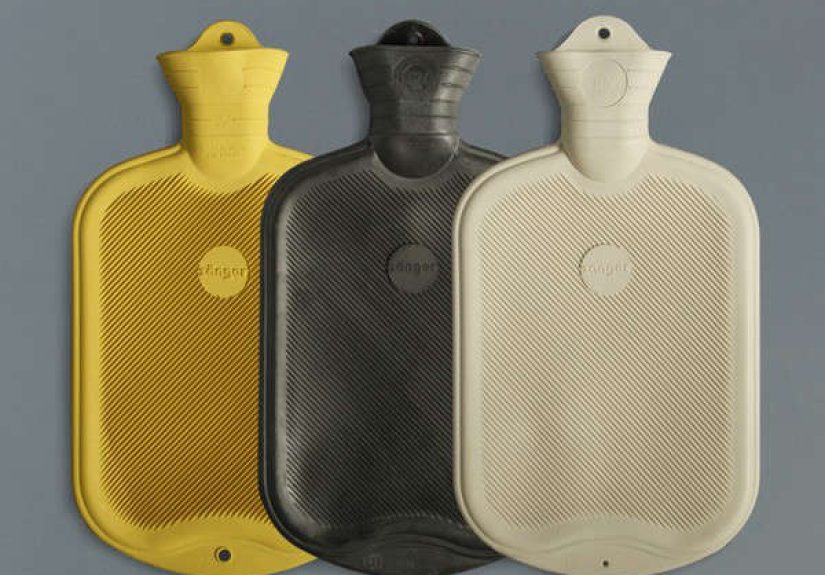
A natural rubber hot water bottle is a reusable bottle made from latex-based rubber, usually paired with a soft cover made of cotton, fleece, wool, or knit fabric. You fill it with hot water, seal it with a stopper, and place it against the body or in the bed for gentle warmth.
The “natural rubber” part matters to shoppers because it usually signals a softer, more flexible feel than some plastic alternatives. Natural rubber bottles tend to mold to the body more comfortably, which is why they are popular for lower backs, stomachs, necks, and feet. Some shoppers also prefer natural rubber because it is plant-derived, while many plasticizers are commonly associated with PVC products. That does not make every natural rubber bottle perfect or every PVC bottle terrible, but it does explain why the material gets attention.
In plain English: a natural rubber hot water bottle is the analog comfort gadget that never really went out of style. It is practical, portable, and delightfully unpretentious.
Why People Love Natural Rubber Hot Water Bottles
They deliver soothing heat without electricity
Heat is often useful for stiff joints, tight muscles, and ongoing soreness. If you have ever stood up after a long day at a desk and made a sound like an old wooden staircase, you already understand the appeal. Warmth can help muscles relax and make the body feel less guarded and less tense.
That is why natural rubber hot water bottles are commonly used for back discomfort, neck tension, arthritis stiffness, period cramps, and general “I have been alive in this body all day” aches. They are especially appealing to people who want targeted warmth without plugging in an electric pad.
They are wonderfully portable
Unlike an electric heating pad, a hot water bottle goes where you go. You can tuck it under a blanket on the couch, bring it into bed to pre-warm the sheets, hold it against your abdomen during cramps, or rest it against your lower back while reading. There is no outlet hunt, no trailing cord, and no risk of leaving a control panel dangling off the sofa like modern art.
They feel softer and more body-friendly
One reason natural rubber bottles remain popular is comfort. The material has enough give to feel less rigid than many hard-sided heat options. Some designs are traditional and pillow-like, while others are long and narrow so they can drape around shoulders, wrap across the stomach, or sit along the spine. That flexibility is a major part of the user experience.
They are reusable and refreshingly simple
A good natural rubber hot water bottle is not trying to impress you with twelve heat settings and a user manual the size of a novella. It heats up. It gives comfort. It goes back on the hook when you are done. For many people, that is the whole magic.
How Heat Therapy Fits Into the Picture
Heat is generally best for ongoing tension and stiffness rather than fresh injuries. That distinction matters. If you just tweaked your ankle, pulled a muscle an hour ago, or have obvious swelling and inflammation, cold is usually the better first move. Heat tends to make more sense later, once the early inflammatory phase has calmed down.
For day-to-day use, a natural rubber hot water bottle shines when the issue is chronic tightness, not brand-new trauma. Think sore shoulders after hunching over a laptop, a cranky lower back after a long drive, or the kind of abdominal cramping that makes you want to negotiate with the universe.
Heat can also be helpful before gentle stretching or light movement. Warm muscles are often easier to move than cold, grumpy ones. That is one reason people use hot water bottles as part of a bedtime wind-down or morning stiffness routine.
Natural Rubber Hot Water Bottle vs. Other Heat Options
| Option | Best For | Pros | Cons |
|---|---|---|---|
| Natural rubber hot water bottle | Targeted warmth, cramps, cold nights, stiff muscles | Portable, reusable, no electricity, flexible feel | Needs refilling, can leak if damaged or poorly sealed, latex caution |
| Electric heating pad | Stationary use at home | Consistent heat, easy to use, no filling required | Needs power, less portable, cords can be annoying |
| Microwavable heat pack | Quick short sessions | Convenient, soft, easy to store | Heat fades faster, may heat unevenly |
| Warm bath or shower | Whole-body relaxation | Great for generalized stiffness | Not targeted, not portable, not always practical |
The natural rubber hot water bottle sits in a sweet spot between usefulness and simplicity. It is more portable than a heating pad, more targeted than a bath, and often more body-hugging than a stiff heat pack. If your idea of luxury is “something warm exactly where I hurt,” it is a strong contender.
Who Might Benefit Most
- People with chronic muscle tension in the neck, shoulders, or lower back
- Anyone who deals with menstrual cramps and wants non-electric comfort
- People with arthritis-related stiffness who prefer gentle warmth
- Cold sleepers who want to pre-warm the bed
- Desk workers, commuters, and readers who tend to get chilly and tight
In other words, this is not a niche product for Victorian novel characters. It is a practical comfort tool for modern people who sit too much, scroll too long, and occasionally discover that their upper back has transformed into a sheet of plywood.
How to Use a Natural Rubber Hot Water Bottle Safely
Safe use is where the grown-up part of the article comes in. A hot water bottle is comforting, but it can also cause burns if used carelessly. These habits matter.
1. Inspect the bottle before every use
Check for cracks, brittleness, sticky spots, thinning rubber, worn threads, or a damaged stopper. If anything looks off, retire it. A “maybe it is fine” bottle is exactly how people end up unexpectedly learning about burn first aid.
2. Use hot water, not boiling water
Always follow the manufacturer’s instructions, but in general, very hot water is better than boiling water. Boiling water can raise burn risk and may stress the material over time. Many product instructions also recommend filling the bottle only about two-thirds full rather than all the way to the top.
3. Remove excess air and seal it carefully
Once filled, gently press out extra air before tightening the stopper. Then test the seal with the bottle upright over a sink. This is a quick step that can spare you from wet sheets, wet pants, and colorful language.
4. Use a cover or fabric layer
A cover helps buffer the heat and makes the bottle more comfortable against skin. If your bottle does not come with one, wrap it in a soft towel or cloth. Direct skin contact with strong heat for too long is how “comfort item” becomes “burn hazard.”
5. Keep sessions short and sensible
For most home heat therapy, around 15 to 20 minutes is a reasonable range. Move the bottle occasionally instead of leaving it pressed on one spot for ages. Heat should feel soothing, not punishing.
6. Do not lie on top of it or sleep directly on it
Pressure increases risk. Sitting or lying directly on a hot water bottle can make heat too intense and may strain the bottle itself. It is better to place it beside you, against the area briefly, or use it to pre-warm the bed and remove it before settling in.
7. Keep it away from babies and use caution with children
Children have more delicate skin, and hot liquids can cause severe scald burns. A hot water bottle is not a toy, and it should never be used casually around infants or unsupervised children.
8. Never place it over medicated patches
Heat can affect how some topical or transdermal medications are absorbed. If you are using a pain patch or any medicated patch, read the label and ask a clinician or pharmacist if you are unsure.
When You Should Not Use One
A natural rubber hot water bottle is not right for every body or every situation. Skip it or get medical advice first if any of these apply:
- You have a fresh injury with swelling, redness, or inflammation
- You have reduced sensation, numbness, or neuropathy
- You have diabetes-related foot nerve damage and want to warm your feet
- You have open wounds, broken skin, or a healing surgical area
- You have a known latex allergy or suspect one
- You cannot remove the heat source easily if it becomes too hot
That numbness point is especially important. If your skin cannot reliably tell you “too hot,” your hot water bottle should not be running the show.
How to Choose the Best Natural Rubber Hot Water Bottle
Look for natural rubber clearly listed
If material matters to you, read the product details. Some bottles are natural rubber, some are PVC, and some listings are vague enough to deserve side-eye. If you want natural rubber specifically, do not rely on wishful thinking.
Consider shape and size
A classic bottle works well for general use, warming the bed, or resting against the lower back or abdomen. Long bottles are useful for shoulders, full-spine warmth, or wrapping around the body. A smaller bottle may be easier to travel with or hold in your lap.
Prioritize a secure stopper
The cap matters more than people think. A well-fitting stopper is one of the biggest safety features on the whole product. Some retailers even sell replacement caps, which tells you everything you need to know: that little piece is doing serious work.
Do not ignore the cover
A good cover is not just decorative. It affects comfort, heat intensity, and day-to-day usability. Cotton and wool feel classic, fleece feels cozy, and textured covers can make the bottle feel less slippery and less aggressively hot.
Replace it when it ages
Rubber does not last forever. If the bottle starts looking dry, sticky, misshapen, or fragile, replace it. A newer bottle is cheaper than dealing with a leak or a burn.
Pros and Cons at a Glance
Pros
- Comforting, targeted warmth
- No electricity required
- Portable and reusable
- Flexible and body-conforming
- Helpful for stiffness, cramps, and cold-weather comfort
Cons
- Can cause burns if used improperly
- Needs refilling
- Not ideal for acute swelling or fresh injuries
- Unsafe for people with latex allergy
- Needs regular inspection and eventual replacement
Conclusion
A natural rubber hot water bottle is one of those rare household items that feels both old-fashioned and smart. It is affordable, useful, low-tech, and genuinely comforting when used the right way. For chronic stiffness, menstrual cramps, bedtime warmth, and everyday tension, it can earn its place in the comfort hall of fame.
Still, the key word is right. Heat should be soothing, not extreme. The bottle should be intact, the water should be hot but not boiling, the contact should be limited, and the user should be able to feel when something is getting too warm. If you respect those rules, a natural rubber hot water bottle can be one of the simplest ways to make cold days and achy evenings a lot more tolerable.
Basically, it is not glamorous. It is better than glamorous. It is useful.
Experiences With a Natural Rubber Hot Water Bottle
The experience of using a natural rubber hot water bottle is usually less dramatic than people expect, and that is exactly why it becomes a favorite. There is no flashy moment. You fill it, tighten the stopper, slide it into a soft cover, and suddenly the room feels friendlier. On a cold night, the first impression is often pure relief. The bottle feels weighty but comforting, and the warmth spreads out slowly instead of attacking you the way some electric pads do on a high setting. It is the difference between being warmed and being toasted.
One of the most common experiences is using it at bedtime. Cold sheets can make getting into bed feel like a bizarre endurance challenge, especially in winter or in drafty rooms. A natural rubber bottle changes that quickly. You place it under the blankets while brushing your teeth, come back ten minutes later, and the bed feels civilized again. Not tropical. Not suspiciously sauna-like. Just pleasantly human. Many people find that this little ritual makes it easier to relax, especially when the rest of the day has been loud, cold, and too full of screens.
For cramps, the experience is different but equally memorable. Instead of a general feeling of coziness, the warmth feels targeted and grounding. Pressed against the lower abdomen, the bottle can create that “finally” feeling people look for when their muscles are tightening and their patience is gone. It does not erase discomfort like a magic trick, but it often softens the edge enough to make reading, resting, or simply existing more manageable.
There is also the post-workday use case: shoulders up by your ears, lower back annoyed, neck acting like it personally resents your office chair. In that setting, a natural rubber hot water bottle often feels more adaptable than a rigid heat source because it molds to you. A long bottle can drape over the shoulders. A classic bottle can sit against the lumbar area while you lean back with a book. The effect is less “medical device” and more “tiny portable fireplace, but polite.”
People also notice the emotional side of the experience. Heat has a way of making routines slower and calmer. Filling the bottle becomes a small transition point between work and rest, stress and sleep, discomfort and ease. It is practical, yes, but it can also feel oddly reassuring. In a world overflowing with chargers, alerts, and things that beep for mysterious reasons, a natural rubber hot water bottle is pleasingly uncomplicated. It asks for hot water, a little common sense, and perhaps a decent blanket. In return, it offers the kind of comfort that feels physical and familiar at the same time.