Table of Contents >> Show >> Hide
- Before we talk herbs: what supplements can (and can’t) do for RA
- Best-supported supplements for rheumatoid arthritis symptoms
- Promising but mixed: supplements that may help (depending on your situation)
- Supplements and herbs to approach with extra caution
- How to use supplements safely with rheumatoid arthritis medications
- Food-first strategies that support supplements (and sometimes beat them)
- Conclusion: smart, safe, and realistic wins
- Experiences: what people often notice when trying natural supplements for RA
- SEO Tags
Rheumatoid arthritis (RA) has a talent for showing up uninvited, rearranging your plans, and making your joints feel like they’re auditioning for a “creakiest door” competition.
If you’ve ever wondered whether natural supplements for rheumatoid arthritislike herbs, oils, or vitaminscan help, you’re not alone.
The short version: some supplements have real evidence for easing symptoms, others are mostly “internet-famous,” and a few deserve the side-eye for safety reasons.
Important note (because RA deserves seriousness even when we’re having a little fun): supplements should be treated as add-ons to a clinician-approved RA plannot replacements.
RA can damage joints over time, and the meds that slow that damage (like DMARDs) are the heavy hitters.
Supplements, when appropriate, are more like helpful supporting characters… not the main superhero.
Before we talk herbs: what supplements can (and can’t) do for RA
RA is an autoimmune disease, which means the immune system mistakenly targets the body’s own tissuesoften joints, sometimes other organs too.
That’s why most evidence-based RA treatment focuses on controlling immune-driven inflammation early and consistently.
Supplements may help reduce pain, stiffness, or inflammation markers in some people, but most do not reliably prevent joint damage on their own.
Think of supplements in three buckets:
- Best-supported “might help” options (symptom relief with decent evidence)
- Promising but mixed (some data, not definitive)
- Proceed-with-caution (quality issues, interactions, or meaningful safety concerns)
Best-supported supplements for rheumatoid arthritis symptoms
1) Omega-3s (fish oil: EPA + DHA)
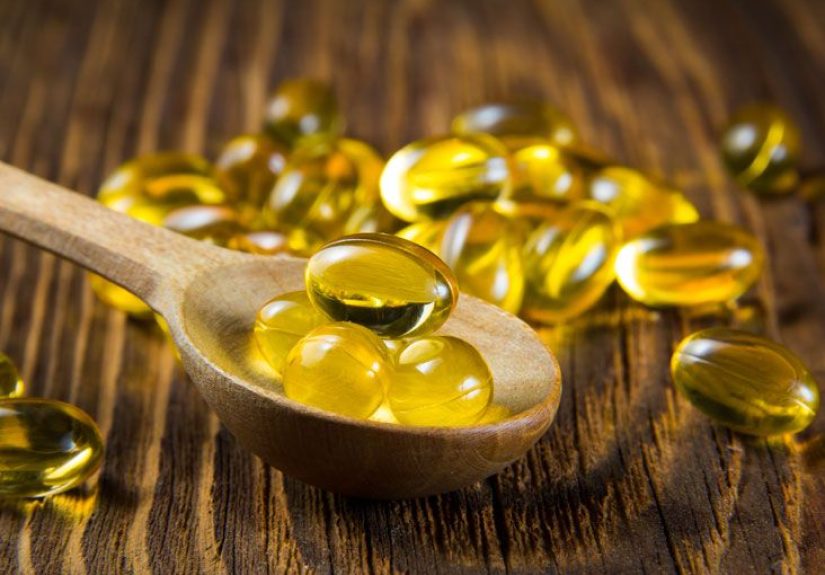
If RA supplements had a “most likely to be recommended” award, omega-3 fish oil would be on the podium.
Studies suggest omega-3s can modestly improve RA symptomsoften things like morning stiffness, tender joints, and sometimes a reduced need for NSAIDs.
The proposed reason: EPA and DHA can shift the body toward producing less inflammatory compounds.
Practical tip: “Fish oil” isn’t one single thing. Look for labels that specify the amount of EPA + DHA per serving (not just “1000 mg fish oil,” which can be mostly filler oil).
Safety watch-outs: fish oil can cause GI upset or “fish burps” (your social life may notice), and at higher doses it can increase bleeding riskespecially if you’re on blood thinners or have surgery coming up.
Always run it by your clinician if you take anticoagulants/antiplatelets or have a bleeding disorder.
2) GLA oils (evening primrose, black currant seed oil, borage)
Gamma-linolenic acid (GLA) is an omega-6 fatty acid found in certain plant oils.
Some trials suggest GLA-containing oils may help RA-related pain and stiffness, likely through effects on inflammatory pathways.
It’s not magicbut it may be meaningful for some people as part of a broader plan.
Quality matters a lot here: some borage products may contain naturally occurring contaminants (pyrrolizidine alkaloids) that can harm the liver.
If you and your clinician decide to try a GLA supplement, look for products labeled PA-free and ideally third-party tested.
3) Turmeric / curcumin
Turmeric is the golden spice that launched a thousand lattesand yes, curcumin (one of its active compounds) has research behind it for inflammation.
For arthritis in general, curcumin has shown promise in reducing pain and inflammatory markers in some studies.
For RA specifically, evidence is still developing, but it’s one of the more plausible “herbs and more” options.
Bioavailability reality check: curcumin is famously hard for the body to absorb.
Some products use formulations (like phytosomes) or combine curcumin with piperine (black pepper extract) to increase absorption.
That can be helpfulbut it can also increase the chance of interactions with medications.
Safety watch-outs: turmeric/curcumin may increase bleeding risk and can cause GI symptoms in some people.
If you’re on blood thinners, have gallbladder issues, are pregnant, or take multiple prescription meds, ask your clinician first.
4) Folic acid (if you take methotrexate)
This one is worth calling out because it’s both common and evidence-based: if you’re taking methotrexate for RA,
clinicians often prescribe folic acid (or folinic acid) to reduce side effects (like mouth sores and GI issues).
It’s not a “natural cure,” but it is a supplement that can make a real difference in tolerability.
Key point: the timing and dose should be guided by your prescribing cliniciandon’t freestyle this one.
Promising but mixed: supplements that may help (depending on your situation)
Vitamin D (especially if you’re low)
Vitamin D is involved in immune function and bone healthboth relevant in RA.
Research on vitamin D supplements improving RA symptoms is mixed, but correcting a deficiency is still important for overall health.
If you’re often indoors, live in low-sun seasons, or have known low levels, it’s reasonable to ask your clinician about testing.
Pro tip: in RA, “more” is not automatically “better.” Vitamin D is fat-soluble, so mega-dosing without guidance can cause problems.
Aim for “adequate,” not “competitive.”
Probiotics
The gut microbiome has become a hot topic in autoimmune research, and RA is on that list.
Some small studies and reviews suggest certain probiotics may modestly improve inflammatory markers or symptom scores.
The tricky part: probiotics are not interchangeablebenefits, if any, tend to be strain-specific, and research is still evolving.
If you’re curious, consider food-first options (yogurt, kefir, fermented foods) and discuss supplements with your clinicianespecially if you’re immunosuppressed.
Ginger (and other “culinary herbs”)
Ginger has anti-inflammatory and anti-nausea properties and is generally safe in food amounts.
As a supplement, evidence for RA is limited and mixed, but some people report it helps with pain or stiffness.
The upside: it’s widely accessible. The downside: higher-dose supplements can cause heartburn, stomach upset, or increase bleeding risk in sensitive situations.
CBD (cannabidiol)
CBD is everywherefrom oils to gummies to products that swear they “support joint vibes.”
The reality: human evidence for CBD specifically for RA is still limited, and reports are mixed.
Some people say it helps with pain or sleep; others notice nothing beyond a lighter wallet.
If you consider CBD: talk with your clinician about medication interactions, choose products with transparent third-party testing, and be cautious with dosing.
Also check local laws and avoid products making aggressive disease claims (that’s a red flag, not a selling point).
Supplements and herbs to approach with extra caution
Thunder god vine (Tripterygium wilfordii)
You may see thunder god vine mentioned in RA supplement lists because some studies suggested symptom improvement.
However, reputable integrative health resources warn that it can cause serious side effects and can be dangerous if not prepared properly.
For most people, the risks outweigh the potential benefits.
“Proprietary blends” and mega-dose formulas
If a label reads like a fantasy football roster (“JointFlex Ultra Max Turbo Blend™”), pause.
Multi-ingredient blends make it hard to know what’s helping, what’s hurting, and what’s interacting with your medications.
Mega-doses also raise the risk of side effectsespecially for fat-soluble vitamins and certain herbs.
Tainted supplements and sketchy claims
The FDA has repeatedly warned that some products marketed as supplementsespecially for weight loss, sexual enhancement, bodybuilding, sleep, or paincan contain hidden drug ingredients.
Translation: “natural” on the front doesn’t guarantee “safe” on the inside.
How to use supplements safely with rheumatoid arthritis medications
1) Bring your whole list to your clinician (yes, even the “just in case” ones)
Many supplements can interact with medications by speeding up or slowing down how your body processes drugs.
If you take DMARDs, steroids, NSAIDs, anticoagulants, or biologics, this matters.
The simplest safety move is also the least exciting: show your full supplement list at appointments.
2) Choose quality like you’re hiring someone for a very important job
Look for third-party verification or testing programs when possible (for example, products carrying a USP Verified Mark).
This doesn’t prove a supplement worksbut it improves the odds that what’s on the label is actually in the bottle.
3) Start one supplement at a time
If you start three things at once, you’ll never know what helpedor what caused the stomach rebellion.
Try one change, track it for a few weeks, and keep notes on:
- Morning stiffness duration
- Pain level and swelling
- Energy and sleep
- GI symptoms or headaches
- Any medication changes or flares
4) Use a “stop list” for red-flag symptoms
Stop the supplement and contact a clinician if you notice signs like rash, trouble breathing, yellowing skin/eyes, unusual bruising/bleeding,
severe GI symptoms, or anything that feels dramatically worse than your baseline.
Food-first strategies that support supplements (and sometimes beat them)
Supplements can be helpful, but lifestyle basics still matter in RA:
- Omega-3-rich foods: salmon, sardines, trout (or algae-based omega-3s for plant-based diets)
- Fiber-forward meals: beans, oats, berries, vegetables (helpful for overall inflammation and gut health)
- Olive oil + nuts: common in Mediterranean-style eating patterns
- Consistent movement: low-impact exercise supports joints and function
- Sleep and stress care: flares often love chaos; don’t give them the satisfaction
Conclusion: smart, safe, and realistic wins
The best “natural supplements for rheumatoid arthritis” approach is not about chasing the trendiest capsule.
It’s about choosing a few options with credible evidence (like omega-3s, possibly curcumin, and clinician-guided folate with methotrexate),
avoiding high-risk herbs, and treating supplement safety like part of your RA treatment plan.
If you want the most practical takeaway: talk with your rheumatology team, pick one well-supported supplement at a time,
choose quality products, and track results like a scientist who also happens to own a pill organizer.
Experiences: what people often notice when trying natural supplements for RA
People’s real-life experiences with RA supplements tend to be less “miracle transformation montage” and more “small improvements, careful experimenting, and occasional fish burps.”
One of the most common themes is expectation management.
Many people start supplements hoping for a dramatic drop in pain within daysthen feel disappointed when the change is subtle.
But with RA, subtle improvements can still matter: shaving 20 minutes off morning stiffness, needing fewer rescue meds, or feeling less “inflamed and foggy” by mid-afternoon.
Another frequent experience is learning that timing and consistency matter more than hype.
Omega-3s, for example, are often described as a “slow burn” rather than a quick fixpeople may not notice much for several weeks.
Curcumin experiences are often split: some people report noticeable relief, while others mainly report that they’ve become intimately familiar with their digestive system.
The funny (and frustrating) truth is that bodies are weird, RA is complex, and what helps one person might be a dud for another.
Many people also describe a phase I’ll call “supplement overload”when the kitchen counter starts looking like a vitamin aisle.
This is usually when someone realizes that taking eight different products creates two problems:
(1) it’s expensive, and (2) it’s impossible to tell what’s doing what.
A common “level-up” moment is switching to a simpler routine: one supplement at a time, tracked for a few weeks, with clear notes.
Not glamorousbut very effective.
Safety experiences come up a lot too, especially among people on multiple prescriptions.
Some people learn the hard way that “natural” can still interact with medications.
For example, people who take blood thinners may be advised to avoid certain combinations (like high-dose fish oil plus other bleeding-risk herbs).
Others discover that “extra-strength” formulas can trigger headaches, reflux, or sleep changes.
The most successful supplement users often have one habit in common: they loop in their clinician early, rather than treating supplements like a secret side quest.
There’s also the experience of finding your “why”.
Some people take omega-3s because they want a gentler support for inflammation.
Others try vitamin D because labs showed a deficiency and they’re thinking long-term bone health.
Others explore CBD mostly for sleepbecause better sleep can make pain feel more manageable the next day.
When the goal is specific, it’s easier to judge success and decide whether to keep going.
Finally, a lot of people describe the emotional win of feeling involved in their care.
RA can feel unpredictable, and choosing evidence-informed, clinician-approved supplements can provide a sense of agency.
The best experiences aren’t about “curing RA naturally.”
They’re about building a steady plan: effective RA meds, smart lifestyle choices, and a few well-chosen supplements that support symptomswithout turning your routine into a full-time job.
(Because honestly, your pill organizer doesn’t need a second shift.)