Table of Contents >> Show >> Hide
- Why Cane Seating Is Having a “Right-Now” Renaissance
- Cane, Rattan, and Wicker: Quick Translation for Normal Humans
- Remodelista’s Australian Spotlight: The Worn Way
- How to Choose Cane Seating That Won’t Break Your Heart (or Your Seat)
- Styling Cane Seating Like You Meant It
- “And More”: Where Cane Shows Up Beyond Chairs
- DIY and Upcycling: A Little Cane Goes a Long Way
- Care, Maintenance, and Quick Fixes
- Sustainability and “Consume Thoughtfully” (Without the Lecture)
- Conclusion: Bring a Breath of Australia Home
- Extra: of Real-Life Experience with Cane Seating
Cane seating is having one of those “Wait…was this always cool?” moments. You blink, and suddenly cane is everywhere:
on dining chairs, lounge chairs, cabinet doors, headboards, even radiator coverslike the design world collectively
decided we all deserve a little more airflow and a lot more texture.
Remodelista’s spotlight on Australian brand Worn captures exactly why this revival feels so current: the pieces are breezy
without being flimsy, handmade without looking fussy, and relaxed without giving up structure. In other words: it’s the
furniture equivalent of showing up to brunch in linen and somehow looking more put-together than everyone in jeans.
Why Cane Seating Is Having a “Right-Now” Renaissance
1) It looks light, even when your room isn’t
Cane’s superpower is visual weight-loss. A chunky upholstered chair can read “permanent decision,” while a cane-back or
cane-seat chair reads “I have options.” The open weave breaks up big surfaces, letting walls, rugs, and natural light
do more of the talking. That’s especially helpful in smaller living rooms, apartments, and open-plan spaces where heavy
furniture can feel like a traffic jam.
2) It adds texture without adding clutter
Texture is what makes a room feel finishedbut “finished” can quickly become “busy.” Cane gives you detail (and that
satisfying handwoven pattern) without adding another color, another print, or another object to dust. It’s a quiet
upgrade: your space feels richer, but you don’t have to explain it like a museum docent.
3) It plays well with today’s love of indoor-outdoor living
A lot of modern decorating is about bringing the outside innatural fibers, warm woods, leafy plants, and the overall
vibe of “I could read here with a lemonade.” Cane and rattan fit naturally into that story. Architectural Digest notes
that designers use rattan cane and weaving across spaces from bedrooms and dining rooms to outdoor furniture setups,
precisely because it can shift stylesboho, mid-century, coastal, even moderndepending on the frame and finish.
Cane, Rattan, and Wicker: Quick Translation for Normal Humans
Rattan is the plant; cane is the skin; wicker is the technique
Here’s the simplest cheat sheet:
rattan is the climbing palm material; cane is typically the outer skin peeled into strips;
and wicker describes the weaving method (which can use rattan, reed, cane, or synthetics).
This is why you’ll see “rattan chair,” “cane chair,” and “wicker chair” used interchangeably onlinesometimes correctly,
sometimes with the confidence of a cat wearing a tiny hat.
Two weave patterns show up again and again
Veranda highlights how today’s caned resurgence often leans on classic patternsan open, airy mesh commonly associated
with café chairs and bentwood icons, and a tighter “radio” style grid that feels crisp and modern. Both can look
contemporary depending on the frame: sleek metal reads modern; warm wood reads heritage; painted finishes read playful.
Remodelista’s Australian Spotlight: The Worn Way
From fashion-and-design careers to slow, handmade furniture
In Remodelista’s feature, Worn founders Lia-Belle King and Lotte James Barnes describe leaving long careers in fashion
and design, then channeling time spent living in Indonesia into a brand built around simplicity and thoughtful
consumptionhandmade, ethical, and intentionally less. The origin story matters because it shows up in the work:
pared-back shapes, natural materials, and pieces that feel collected rather than mass-produced.
The pieces that made cane seating feel “of the moment”
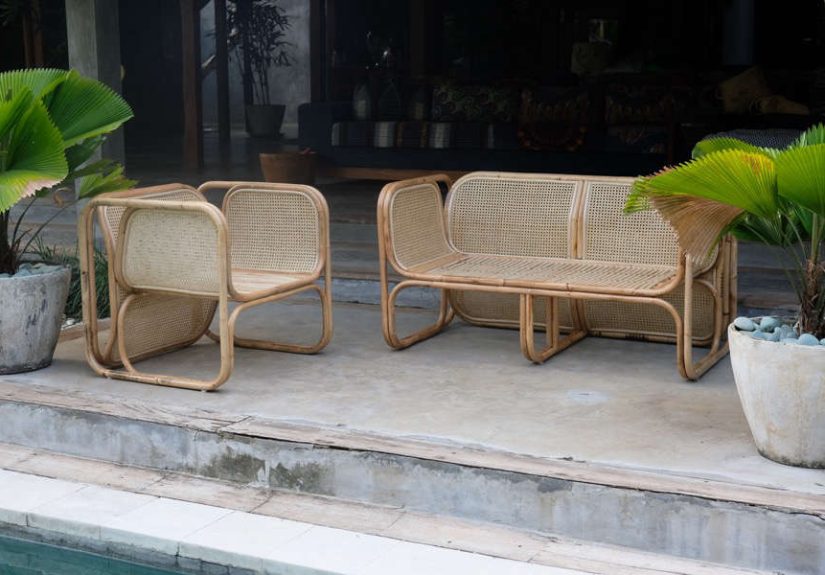
Worn’s lineup in the Remodelista post reads like a greatest-hits album of relaxed luxury: a Cane Lounger, a Deux Cane
Lounger (with a close-up that shows off the weave), a Cane Dining Lounger, a Cowhide Armchair, and a sculptural Cane
Oval Relax Chair. The pricing in the feature is listed in AUD, reflecting the brand’s Australian roots and sourcing.
Whether you buy those exact pieces or simply borrow the design language, the takeaway is clear: cane isn’t just a detail
anymoreit’s the headline.
What feels distinctly “Australian” about the look
Australian interiors often balance laid-back coastal ease with a sharp eye for form. The Worn aesthetic leans into that:
natural materials, clean silhouettes, and an assumption that life happens around the furniture (not the other way
around). It’s the opposite of precious. The cane is allowed to look like canewarm, tactile, slightly imperfect in a
human wayrather than trying to mimic something glossy and synthetic.
How to Choose Cane Seating That Won’t Break Your Heart (or Your Seat)
Start with the frame: it’s the “bones” of the chair
Cane is a surface; the frame is the structure. Look for solid joinery, stable legs, and a frame material suited to
where the piece will live. Warm woods (like teak or beech) tend to complement cane naturally. Painted frames can be
gorgeous toojust make sure the paint job isn’t hiding wobbly construction.
Check weave density based on where the chair will be used
An open weave reads airy and casualgreat for a lounge corner or a bedroom. A tighter weave can feel more supportive
and practical for dining chairs that see daily use. Veranda points out that different patterns can shift the vibe from
French café charm to crisp, linear modernism; function follows form here more than people realize.
Comfort is a real thing (not just a rumor)
Cane can feel supportive, but it’s not the same as upholstery. If you’re choosing cane for long sitsdining, desk work,
readingplan for a cushion, a lumbar pillow, or a throw. The good news: cane’s texture makes even plain cushions look
styled. The bad news: you may start buying “just one more” pillow, and that’s how it begins.
Indoor vs. outdoor: don’t assume “natural” means “indestructible”
Rattan and cane can work in covered outdoor areas, but weather exposure matters. Sun can dry fibers; moisture can warp
or encourage mildew if pieces are left damp for long periods. If you want the look outside, consider covered patios,
sunrooms, or high-quality outdoor-rated frames and finishes. Think “vacation house” conditions, not “monsoon test lab.”
Styling Cane Seating Like You Meant It
Make it modern: pair with clean lines and minimal clutter
Cane looks surprisingly sleek next to modern elementsflat-front cabinetry, simple lighting, a restrained palette.
The trick is contrast: let the cane be the texture, while everything else stays calm. A cane accent chair next to a
streamlined sofa creates that “designed but breathable” balance.
Go coastal (without going full “seashell museum”)
If your vibe is coastal or beachy, cane is a natural fit. Try pale woods, sandy neutrals, soft whites, and natural
textiles like linen. Veranda’s take on rattan’s enduring appeal links it with easy, breezy summer energyyet designers
also frame it as timeless when used thoughtfully, not as a one-season novelty.
Lean mid-century: cane + warm woods + sculptural shapes
Cane fits right into mid-century-inspired rooms because it echoes classic craftsmanship and keeps furniture visually
light. Think tapered legs, warm walnut tones, and simple geometric silhouettes. Add one bold color (olive, rust, ink
blue) and let cane keep everything from feeling too heavy.
Small-space tip: use cane to “open up” sight lines
In tight rooms, cane-backed seating can make the space feel larger because you can literally see through it. A pair of
cane dining chairs at the ends of a table can visually “punctuate” the room without blocking it. It’s an optical
trickand a very polite one.
“And More”: Where Cane Shows Up Beyond Chairs
Cabinet doors, media consoles, and the not-so-secret tech-hiding trick
Cane isn’t just pretty; it’s useful. Because it’s ventilated, it’s often used to disguise things you want hidden
without sealing them in. That includes everything from storage cabinets to media consoles. The popularity of cane-front
DIYs and hacks has a practical logic: you can conceal clutter while keeping airflow (and, depending on the setup,
reducing the “closed box” feel of a cabinet).
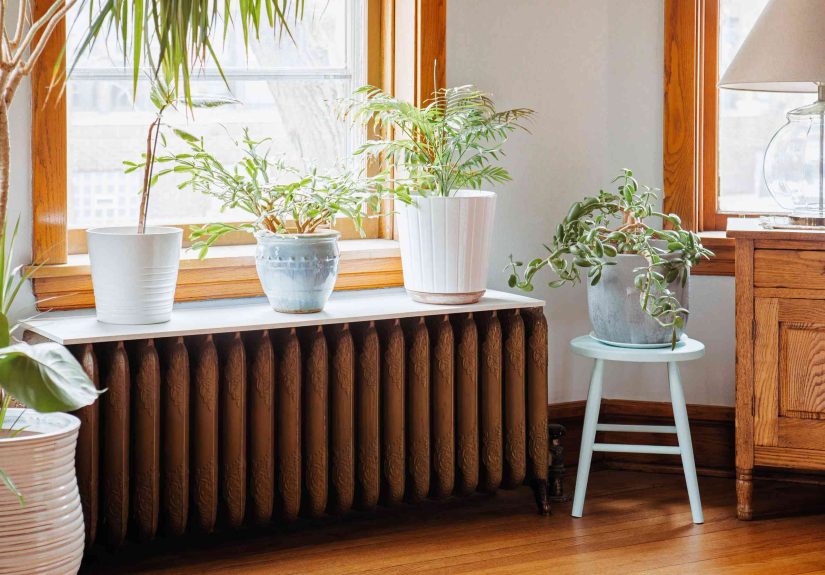
Radiator covers: the surprisingly sensible cane use case
Cane is often recommended for radiator cover fronts because it visually shields what you don’t want to see while still
allowing heat to pass through. DIY guidance frequently suggests soaking cane first to make it easier to manipulate and
stretch neatlybecause yes, even home improvement has hydration goals.
Vanities and built-ins: a budget-friendly texture upgrade
If you love the look but not the price tag, cane webbing is often used as a facelift material. Better Homes &
Gardens features makeovers where cane webbing on doors helps transform a tired vanity into something lighter and more
coastal-inspiredproof that you don’t need to replace everything to make a space feel new.
DIY and Upcycling: A Little Cane Goes a Long Way
The golden rule: cane likes to be wet when you work with it
One of the most repeated tips in cane DIYs is that the webbing should be damp when applying it, because the fibers
swell and become easier to stretch; then, as they dry, they tighten. Domino emphasizes this “wet first” approach as the
difference between a neat, taut panel and a saggy disappointment that looks like it’s had a long week.
Beginner-friendly projects that still look high-end
Cane is popular in DIY circles because it delivers a big “wow” with relatively basic tools. Cane inserts on cabinet
doors, a cane-accent headboard, or a refreshed dresser front can turn a plain piece into something that feels boutique.
The key is precision: measure carefully, staple or secure evenly, and trim cleanly. (Cane forgives many things, but it
does not forgive “I eyeballed it.”)
Press cane vs. hand caning: what you’re actually buying
Many modern pieces use pre-woven cane sheets set into a groovecommon, practical, and often easier to repair. Hand
caning is more labor-intensive and can be found in antique or premium pieces. Neither is “bad”; they’re simply
different. If you’re buying a dining chair for daily use, ask how the cane is installed and whether replacements are
possible down the line.
Care, Maintenance, and Quick Fixes
Cleaning: gentle is the name of the game
Dust and crumbs love cane’s little openings (they moved in and refuse to pay rent). Use a soft brush attachment on a
vacuum or a soft cloth. For deeper cleaning, a lightly damp cloth is usually enough; avoid soaking the furniture unless
you’re intentionally rehydrating cane for a repair.
Humidity matters more than you think
Cane is a natural material; it responds to the environment. In overly dry conditions it can become brittle; in overly
damp conditions it can loosen or mold if airflow is poor. The goal is a “comfortable human” environmentif you feel
good in the room, the cane probably does too.
When cane sags: don’t panic, diagnose
Some sagging can happen with age and use. Depending on construction, a professional can re-cane the seat or replace a
press-cane panel. If you’re shopping vintage, check for broken strands, loose edges, or uneven tension. A well-made
cane chair can last a long time, but it should not feel like it’s giving up on life the moment you sit down.
Sustainability and “Consume Thoughtfully” (Without the Lecture)
Cane and rattan are often framed as more sustainable choices because they’re plant-based and can be long-lasting when
well made. The bigger sustainability win, though, is buying fewer, better piecesand maintaining them. Worn’s founding
philosophy as quoted by Remodelista leans into that idea: choose handmade, ethical, and simple rather than fast and
disposable.
If you want to make a smart purchase, look for transparency about materials and craftsmanship, solid frames, and
repairable construction. A chair you can re-cane is a chair you don’t have to replacefuture-you will be thrilled, and
your trash bin will be less dramatic.
Conclusion: Bring a Breath of Australia Home
Cane seating’s comeback isn’t just about nostalgiait’s about how we live now. We want rooms that feel calmer, lighter,
and more flexible. We want natural materials that soften hard edges (both literal and emotional). And we want furniture
that looks good while doing the everyday work of supporting us, hosting friends, and occasionally serving as the place
where “I’ll just set this here for a second” becomes a permanent lifestyle.
Remodelista’s Australian feature on Worn shows how cane can feel elevated without feeling precious: clean silhouettes,
honest materials, and a relaxed confidence that reads “collected,” not “copied.” Whether you invest in statement lounge
seating or start small with a cane-backed dining chair, you’ll be adding something interiors never get tired of:
warmth, texture, and a little breathing room.
Extra: of Real-Life Experience with Cane Seating
Living with cane seating is a lot like living with a great linen shirt: you reach for it more often than you expected,
it goes with basically everything, and it somehow makes the rest of your stuff look more intentional. A cane chair
doesn’t scream for attention, but it quietly upgrades the atmosphere. You notice it most in the moments when your home
is actually being usedmorning coffee, quick emails, a friend dropping by, the evening “sit down for one minute” that
turns into an hour.
The first experience most people have is visual: cane makes a space feel less crowded. Swap a heavy side chair for a
cane lounge chair and suddenly your living room looks like it took a deep breath. It’s especially noticeable in
apartments or multi-use rooms where you need furniture to do its job without dominating the scene. Cane also behaves
differently with lightsun hits the weave and you get soft shadow patterns that make the room feel warmer and more
layered, even if your color palette is mostly neutral.
Comfort-wise, cane is supportive in a “good posture” way. It has a little give, but not the sink-in feel of upholstery.
That tends to be perfect for dining, casual reading, or conversationsituations where you want to be comfortable but
not swallowed. Many people end up adding a thin cushion, and that’s where the fun begins: cane looks great with linen,
cotton, leather, and even bold prints. The chair becomes a styling playground that can change seasonally: breezy
stripes in summer, richer textures in winter, and a throw casually tossed over the back like you definitely meant to do
that.
Cane also changes the way you think about “visible storage.” A cane-front cabinet or console makes clutter feel less
harsh. You can hide the not-cute stuffchargers, game controllers, the mystery cable you’re convinced you’ll need
somedaywithout creating a sealed box. The home feels more relaxed because everything isn’t on display, yet the room
doesn’t feel blocked off. It’s a subtle psychological win: less visual noise, more calm.
Maintenance becomes part of the experience, but not in an annoying way. You’ll learn quickly that crumbs love cane, so
a quick vacuum brush becomes your best friend. You’ll also become weirdly aware of humidity: a super-dry blast from
heating can make natural fibers feel thirstier, while damp conditions remind you to keep airflow moving. The upside is
that cane encourages you to treat furniture like something worth caring for, not something disposable. And when friends
ask, “Is that comfortable?” you get to say, “Yesand it’s basically the design equivalent of a deep breath,” which is
both true and just poetic enough to make you sound like you have your life together.