Table of Contents >> Show >> Hide
- Why remakes feel personal to the people who made the original
- The emotional spectrum: from “good luck” to “please don’t”
- Case studies: what these reactions reveal about remakes (and the people who lived them)
- So what do original actors actually want from a remake?
- 500-word add-on: What it feels like to watch your work get remade
- Conclusion
Hollywood loves a remake the way a golden retriever loves a tennis ball: it’s familiar, it’s proven, and it’s very hard to convince anyone to stop. But while audiences argue about whether reboots are “lazy” or “necessary,” there’s one group whose reaction is quietly fascinating: the original actors.
They’re the people who lived inside these stories when they were new. They took the first swing at a character, helped define the tone, and (in many cases) became permanently glued to a role in the public imagination. So when a studio announces, “We’re doing it again,” the original actor isn’t just another moviegoer. They’re the person whose work is being revisited, reinterpreted, andif the remake goes sidewaysmeme’d into oblivion alongside it.
This article looks at what original actors have said about remakes and reboots of projects they helped make iconic. Some are generous. Some are skeptical. Some are supportive with a side of “please don’t call it the same thing.” And a few reactions can be summarized as: Sure, but could you maybe not?
Why remakes feel personal to the people who made the original
To the business side of entertainment, remakes are often about intellectual property, built-in audiences, and marketable titles. To an original actor, it can feel like someone is repainting a mural you once poured your soul intosometimes with your blessing, sometimes without even a courtesy text.
There are a few reasons these reactions run hotter than a streaming service’s “Are you still watching?” screen at 2:00 a.m.:
- Identity and legacy: Certain roles become inseparable from the actor. A remake can feel like a challenge to that “definitive” statuseven if nobody’s actually trying to erase them.
- Creative control (or lack of it): Many actors don’t own the work. They helped build the house, but the deed belongs to someone else. That can sting when changes arrive.
- Audience comparison: Even if the remake is good, it invites side-by-side comparisons. The original actor becomes part of the measuring stick.
- Emotional time capsule: The original production may be tied to a life chapter: early career, a breakthrough, a difficult shoot, a beloved co-star. A remake can reopen all of that.
And yet: plenty of original actors are surprisingly chill about remakes. Not everyone feels protective. Not everyone wants to be “the gatekeeper.” Many simply want the new version to justify its existenceand avoid trampling what worked the first time.
The emotional spectrum: from “good luck” to “please don’t”
Across interviews, panels, podcasts, and the occasional perfectly timed tweet, original actors tend to land in a handful of recognizable lanes. Let’s walk through themwith real examplesbecause it turns out the reactions are less random than they look.
1) The blessing: “Go make it yours”
This reaction usually comes from actors who understand the industry’s appetite for reinventionor who simply don’t want to spend their remaining years yelling at clouds shaped like studio logos. The vibe is: “I did my version. Now do yours.”
Kevin Bacon and Footloose: Bacon has spoken in a way that blends pride, humor, and realistic boundaries. When the 2011 Footloose remake arrived, he publicly congratulated the team and treated it like a new generation taking a swing at a familiar premise. That kind of public blessing matters: it lowers the temperature for fans who might want to pre-hate a project on principle.
But the blessing doesn’t always mean a blank check. Bacon has also joked about the idea of continuing the original story decades later and expressed doubts about a sequel concept. That’s a common pattern: supportive of a reimagining, less enthusiastic about stretching the original into a long franchise tail.
2) The polite distance: “I wish them well… from over here”
Some original actors take the diplomatic route: they don’t attack the reboot, but they also don’t want to join it. The message is essentially, “Have fun, but don’t expect me to pop out of a closet in episode six for nostalgia points.”
Tom Selleck and Magnum P.I.: When Magnum P.I. returned with a new cast, Selleck offered goodwill while making it clear he wouldn’t be involved. This is a classic “respect the new team” posture: it avoids poisoning the well while also protecting the original actor’s relationship to the role.
This reaction often comes from actors who see the reboot as a different product. They don’t want to become “the cameo,” because cameos can feel like a polite retirement party… except you didn’t ask for the cake and somebody else chose the frosting.
3) The consultation request: “It would’ve been nice to be asked”
This is where things get emotionally specific. Many original actors aren’t against remakes in theorythey just want acknowledgment. A phone call. A meeting. A chance to share what made the original click, and what pitfalls the reboot should avoid.
Alyssa Milano and Charmed: Milano’s public comments have reflected a recurring sentiment among original casts: involvement early on would’ve changed how the reboot felt to them. Importantly, she also expressed hope that a new version could connect with a new generation. That combinationmild frustration plus sincere goodwillis extremely common.
Rita Moreno and West Side Story: Moreno’s approach offers a different version of “consultation”: she was directly involved in the newer film’s ecosystem. She has described Spielberg’s take less as a copy-and-paste remake and more as a reinterpretationlanguage that matters because it frames the new version as an artist’s perspective rather than a replacement.
When original actors feel included, their tone often shifts from “defensive” to “curious.” Inclusion doesn’t guarantee approval, but it tends to replace suspicion with specificity: they critique craft choices instead of the project’s mere existence.
4) The side-eye: “Why remake it if you’re not changing anything?”
Some actors aren’t anti-remake; they’re anti-pointless-remake. Their question isn’t “How dare you?” It’s “What’s the artistic reason?”
Barbra Streisand and A Star Is Born: Streisand has spoken candidly about the idea of revisiting a story that’s already been remade multiple times. Her critique wasn’t framed as jealousy or bitterness. It was about originalityspecifically, whether the newest version separated itself enough from what came before. That’s a sophisticated complaint, and it’s one creators should pay attention to: if your remake plays like an expensive tribute band, people will ask why they didn’t just stream the album they already love.
Actors who take this position often make an important distinction: commercial success doesn’t automatically equal creative necessity. A remake can “work” financially and still feel artistically redundant to someone who helped make the earlier version resonate.
5) The protective critique: “It’s not time yet”
Then there are original actors who treat remakes like a medical procedure: sometimes needed, but only under the right conditions. Their critiques focus on timing, tone, and the risk of missing what made the original emotionally effective.
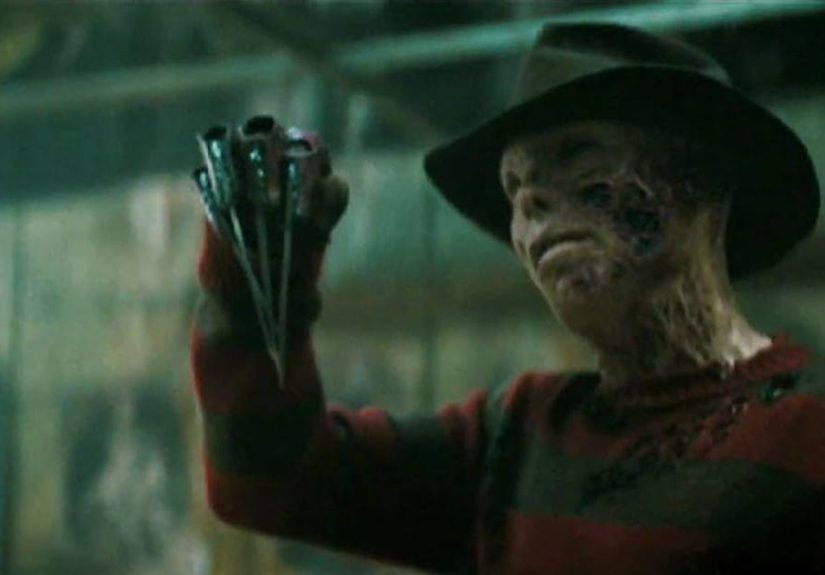
Robert Englund and A Nightmare on Elm Street: Horror remakes tend to attract this reaction because horror is so tied to mood, era, and audience vulnerability. Englund has spoken about the challenge of revisiting Freddy Krueger’s legacy and has suggested that rebooting the original story again may not be the most interesting path. The “protective” stance here is less about ego and more about narrative strategy: don’t redo the first swing if the more compelling move is to reinterpret, reframe, or explore a different entry point.
In other words: if you’re going to resurrect a legend, don’t just photocopy the tombstone.
Case studies: what these reactions reveal about remakes (and the people who lived them)
Ralph Macchio and The Karate Kid: from territorial to thoughtful
When a remake touches a role that defined an actor’s early career, the initial reaction can be… territorial. Macchio has described early confusion and defensiveness about the 2010 Karate Kid remake. That’s a human response: you hear “they’re redoing your movie,” and your brain instantly flips to “Are they doing my childhood without me?”
But what’s interesting is the evolution. Over time, Macchio has framed the remake as an example of how the “same story” can still become a different movie. That’s one of the healthiest long-term perspectives original actors express: the story is bigger than one version, even if your version lit the match.
Macaulay Culkin and Home Alone: humor as a boundary
Culkin’s approach shows how comedy can function as a public boundary. Rather than issuing a stern “don’t touch my stuff,” he’s leaned into jokes about what an “updated” version might look likeand clarified when he’s not involved. Humor keeps the tone light while still establishing that the original has its own lane.
Meanwhile, original filmmakers connected to Home Alone have also expressed frustration about later franchise entries. That frustration isn’t rare: creators and original cast often feel that sequels and spin-offs dilute the brand identity the first film built. To them, it’s not just a reboot problem; it’s a “too many revisits” problem.
Richard Dean Anderson and MacGyver: when a cameo feels like consent
Reboots often ask original actors for cameos because it signals continuity and gives fans a dopamine hit. But some actors don’t want their presence used as a stamp of approvalespecially if they have doubts about the reboot’s direction.
Anderson has publicly discussed turning down involvement with the newer MacGyver. That kind of refusal is rarely personal. It’s often about not wanting to validate a tone shift, a writing approach, or a creative identity that feels out of sync with what made the original meaningful.
In other words: sometimes the kindest thing an original actor can do is stay out of the wayand let the reboot stand on its own merits.
Rita Moreno and West Side Story: reclaiming the language around “remake”
Moreno’s comments highlight something subtle but powerful: the word “remake” can be emotionally loaded. A “remake” sounds like replication. A “reimagining” sounds like interpretation. That language shift can make the difference between “they’re replacing us” and “they’re responding to the material.”
Her perspective also points to another truth: some projects are remade because the original is culturally important enough to revisit with updated craft, casting, and context. When an original actor sees the remake as a chance to expand representation or deepen authenticity, the reaction often becomes more openeven proud.
So what do original actors actually want from a remake?
Based on patterns across public comments, most original actors aren’t asking for the impossible. They’re asking for a remake to behave like a respectful guest in someone else’s house.
They want acknowledgment, not necessarily control
Even when they don’t want to participate, many actors appreciate being consulted. It signals respect. It reduces the feeling of being erased. And it can add valuable creative insightbecause they know what audiences responded to, and why.
They want the new version to have a reason to exist
Originality is the recurring keyword. If the remake brings a fresh lensnew themes, new cultural context, new stylistic ambitionactors are more likely to treat it as an artistic descendant rather than a corporate duplicate.
They want the title to stop doing all the work
Slapping a famous name on a project can feel like using the original as marketing fuel instead of artistic inspiration. When that happens, actors tend to get pricklier. Not because they hate newcomers, but because they hate being used as a billboard.
They want fans to let two things be true
This might be the hardest ask: that the original can remain beloved even if a remake exists. Many actors understand that the reboot is not a personal attackbut they also know fandom can turn it into one. “Team Original” and “Team Remake” don’t have to fight in the parking lot after every trailer drop.
500-word add-on: What it feels like to watch your work get remade
If you want to understand why original actors react the way they do, imagine this: you’re at brunch, minding your business, trying to enjoy pancakes like a normal citizen… and your phone starts vibrating like it’s possessed. Friends text. Your agent texts. A cousin you haven’t spoken to since the invention of Wi-Fi texts. The headline is everywhere: a reboot of the project that changed your life is happening. And you found out at the same time as the guy who reviews movies on YouTube while eating cereal.
The first feeling is often disorientation. Not anger. Not joy. Just a weird mental lag where your brain tries to catch up to the fact that the story you once lived in is being reopened by strangers. You might remember the smell of the set. The costume fittings. The day the scene finally worked. The co-star who calmed your nerves before a big take. The silly inside joke that never made it on camera but still lives in your head. A remake can pull all of that forward in one sudden, invasive wave.
Then comes the identity question: “What does this mean for my version?” Actors know intellectually that the original still exists on streaming, on Blu-ray, in people’s nostalgia. But emotionally, it can feel like someone is recasting your personal history. That’s why you’ll hear actors talk about being “territorial,” or wanting a call, or wishing they’d been involved. It’s not always about money or ego; it’s about being treated like a human who was part of the original DNA.
After that, many actors experience a phase of curiosity. They want to know who’s involved. Who’s writing. Whether it’s a remake, a reboot, a “reimagining,” or a legacy sequel with a cameo shaped like a handshake. They might even root for the new castbecause they remember what it felt like to be the new cast once, stepping into something with expectations already baked in.
But curiosity often comes with protectiveness. Not the cartoon “mine!” version. The practical kind. The kind that says: “Please understand why the original landed. Please don’t flatten the character into a meme. Please don’t miss the emotional before-and-after that made the story matter.” Original actors have watched remakes fail for predictable reasons: too much reverence (so it feels like cosplay), too little understanding (so it feels like a brand exercise), or an obsession with being “darker” without being deeper.
Finally, if the actor is luckyand if the remake is smartthere’s a feeling of release. They realize the role is not a single statue; it’s a story people keep telling. Their version can remain definitive for many fans, while the new version becomes a different doorway for a different generation. That’s when you hear the most generous reactions: the ones that basically say, “I’ll always love what we made. Now go make something worth loving, too.”
Conclusion
Original actors don’t speak about remakes with one voice, because remakes don’t come in one shape. Some are respectful reinterpretations. Some are cash-grab reruns. Some are heartfelt revivals that reunite old and new. And some are the cinematic equivalent of finding your high school yearbook photo on a billboard without permission.
But the common thread is simple: original actors respond best when remakes honor the spirit of what came before while offering a clear reason to exist now. If the new project has a point of viewnot just a titlethen even the most “territorial” reactions can soften into something close to pride.