Table of Contents >> Show >> Hide
- Why TRUCK Furniture Became a Cult Favorite (and Stayed One)
- Meet Tok Kise: The Maker With a Quietly Legendary Orbit
- From Osaka to Downtown LA: A Showroom That Doesn’t Act Like a Store
- Design DNA: What TRUCK Looks Like in a California Context
- The Stephen Kenn Connection: When Military Canvas Meets Osaka Craft
- How to Buy TRUCK in California Without Losing the Plot
- Room-by-Room Styling Ideas That Don’t Feel Like a Catalog
- What TRUCK’s LA Presence Signals for the Local Design Scene
- of “Osaka in LA” Experience: An Imagined Walkthrough (Because Your Sofa Deserves a Field Trip)
- Conclusion: A California Chapter That Still Feels Like Osaka
Los Angeles has always been good at reinvention. We turn old warehouses into galleries, convert parking lots into taco empires,
and somehow make traffic feel like a personality trait. So it’s almost poetic that one of Osaka’s most beloved “if you know, you know”
furniture brands has found a foothold in Californiawithout turning into a glossy, over-marketed “launch.”
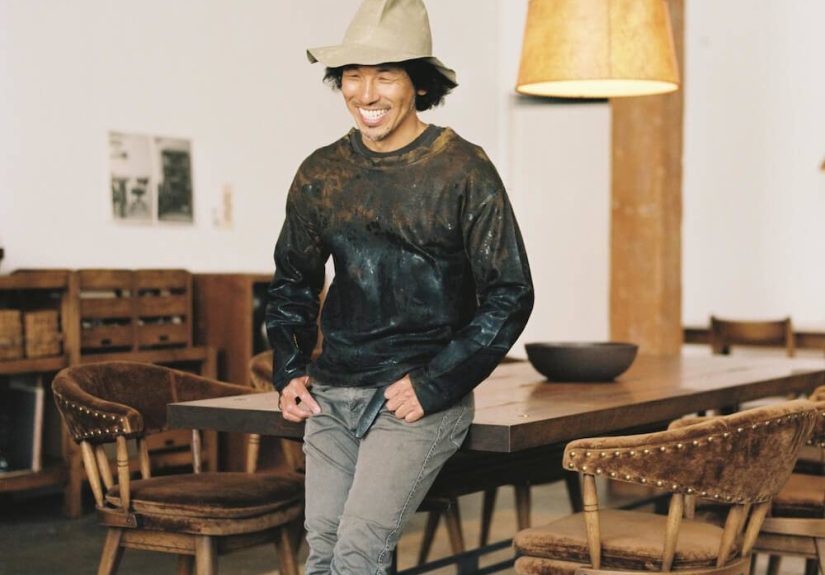
Enter Tok Kise (Tokuhiko Kise), co-founder of TRUCK Furniture, and the quietly magnetic story behind “Osaka in LA”:
a Los Angeles showroom and living space that treats furniture like a relationship, not a retail transaction. If your idea of a good time is
running your hand along real wood grain and thinking, “Yes, this is the chair I will grow old with,” welcome. You’re among friends.
Why TRUCK Furniture Became a Cult Favorite (and Stayed One)
Born in Osaka, built for real life
TRUCK isn’t trying to win the internet every Tuesday. It’s the opposite: a brand built on the radical concept that furniture should be used,
not worshipped. Tok Kise and Hiromi Karatsu started TRUCK in 1997 with a simple point of view: make the pieces they wanted for themselves,
prioritize the honest beauty of wood, leather, and metal, and skip the “look at me!” gimmicks that age badly the moment a new trend appears.
That philosophy shows up in everything from proportion to materials. TRUCK designs read as warm and groundedoften sturdy, sometimes rugged,
always intentional. The surfaces are meant to collect stories: a soft patina on leather, a mellowing edge on wood, a tiny nick that becomes a
memory instead of a crisis.
The “space” is part of the product
TRUCK has long emphasized that furniture doesn’t live in a vacuumit lives in a room, under a certain kind of light, surrounded by objects and
habits. That’s why they historically insisted on selling only through their own Osaka store, where they could control the environment and the
experience. In other words: they weren’t just selling a sofa; they were selling a feeling of being at home.
If this sounds slightly obsessive, that’s because it is. But it’s also why TRUCK inspires the sort of loyalty usually reserved for sports teams
and favorite noodles.
Meet Tok Kise: The Maker With a Quietly Legendary Orbit
Tok’s biography reads like a maker’s origin story: trained in woodworking, committed to craft, and more interested in doing things well than doing
them loudly. But what’s especially compelling is how often collaborators describe the same gravitational pull: a warm, inviting presence paired with
a “stay the course” mindset that makes fast-furniture culture look… a little frantic.
That mindset also explains how TRUCK became bigger than a furniture brand. The world around TRUCK includes books/catalogs that document their journey,
styling, and spaces; and even extensions like Bird, the coffee shop and restaurant they developed alongside the furniture world in Osaka. It’s less
“product line” and more “life system”a place where making, eating, hosting, and living all share the same design language.
From Osaka to Downtown LA: A Showroom That Doesn’t Act Like a Store
When you hear “TRUCK Furniture in Los Angeles,” your brain might picture a sleek retail box with spotlights and sales associates who say “elevated”
a lot. This is not that.
The LA presence has been described as a showroom and living spaceand crucially, it’s not “exactly a storefront.” Translation: no grand opening
confetti cannon, no wandering in off the street with an iced latte and a vague plan to “browse.” People who want to see the pieces in person typically
arrange an appointment. That alone filters the experience into something closer to a studio visit than a shopping errand.
The Good Atmosphere: the joint-vibe advantage
The LA story is tied closely to a small circle of designers and curators who’ve been orbiting this aesthetic for yearsespecially Stephen Kenn and his
wife Beks, whose own LA furniture world leans industrial, tactile, and deeply material-driven. The partnership energy eventually crystalized into a
joint venture called The Good Atmosphere (yes, it sounds like a place you’d want to sit and read a book while ignoring your phone,
which is kind of the point).
In practical terms, The Good Atmosphere acts as a North American bridge: a way to inquire about ordering and shipping TRUCK pieces to this side of the
Pacific without turning the brand into a mass-retail situation. It keeps the experience personal and the story intact, which is basically TRUCK’s
love language.
Why LA makes sense (even if it wasn’t a “business plan”)
The funniest twist is that this expansion wasn’t necessarily driven by the usual “we must scale” corporate drumbeat. In at least one interview context,
Tok frames the LA loft choice as something that happened organicallyhe liked the space, liked the people, and only later thought, “Oh… this could be a
showroom.” That’s an extremely un-LinkedIn reason to do something big, and it’s also very on-brand for someone who values comfort and meaning over
maximizing spreadsheets.
Design DNA: What TRUCK Looks Like in a California Context
Wood, leather, metaland permission to age
TRUCK’s material palette reads like a greatest-hits album for people who hate plastic: wood with visible grain, leather that doesn’t pretend it will
stay perfect, and metal details that add structure without stealing the show. The pieces don’t shout; they speak in a calm, confident tone.
In California, that translates beautifully. Los Angeles homes and studios often mix eras and texturesmid-century lines, industrial bones, handmade
ceramics, vintage textiles, sun-bleached floors. TRUCK slides right into that ecosystem because it’s already built around “real life” objects that
look better when they’ve been lived with.
Not quite Japandi, not quite industrialmore like “honest comfort”
If you’re expecting the minimal, ultra-quiet stereotype of Japanese design, TRUCK may surprise you. It’s not sterile. It’s not trying to disappear.
Instead, it feels like a room where someone cooked something good, where a dog is allowed on the rug, and where chairs are meant to be pulled up
without fear.
And if you’re expecting LA industrial to mean “cold steel and discomfort,” TRUCK also dodges that. Its ruggedness is warm. It’s the difference between
a warehouse and a workshop. One is a backdrop. The other is a living place.
The Stephen Kenn Connection: When Military Canvas Meets Osaka Craft
One reason TRUCK resonates so strongly in LA is that the city already has a passionate subculture of material-first designpeople who love a good weld,
a well-worn textile, and the way an object shows its construction. Stephen Kenn’s work is a perfect example: furniture built with straightforward
frames, hefty cushions, and fabrics that carry history.
Over the years, that shared sensibility has produced collaborations that feel like cultural handshake agreements: Kenn’s vintage military canvas paired
with TRUCK’s craftsmanship, and TRUCK’s signature leathers and textiles integrated into Kenn’s forms. Even in editorial coverage, you’ll see the
friendship vibe come throughdesigners swapping materials, building pieces for projects, and treating collaboration like a dinner party rather than a
press release.
In the best stories, the furniture literally travels: one well-known example describes a chair whose materials go from LA to Tokyo and back again
before landing at the customer’s door. It’s a funny imageyour chair collecting more passport stamps than you did last yearbut it also captures the
real value: these pieces are made with care, by humans, across a relationship network.
How to Buy TRUCK in California Without Losing the Plot
Buying TRUCK is not like ordering a desk that arrives tomorrow in a box the size of your regrets. The process tends to be slower and more deliberate,
because the brand’s identity is tied to craft, environment, and long-term use. Here’s what that means in plain English:
- Expect lead times. Handcrafted furniture takes time, especially when demand is global and production stays intentional.
- Expect logistics. Shipping large pieces internationally is real-life Tetris, and it’s priced accordingly.
- Expect conversation. The LA connection is about inquiry and relationshipfinding the right piece, not just “adding to cart.”
- Expect commitment. This is “buy once, cry once” furnitureexcept the crying is mostly joy when your sofa still looks great years later.
If you’ve ever said, “I’d rather wait for the right thing than replace the wrong thing three times,” TRUCK is basically your soulmatebut in furniture form.
Room-by-Room Styling Ideas That Don’t Feel Like a Catalog
Living room: build a calm center of gravity
Start with one anchoring pieceoften a sofa or lounge chairand let everything else earn its place. TRUCK’s softer silhouettes pair well with:
linen curtains, vintage wool rugs, ceramic table lamps, and low, warm lighting. Keep the palette grounded: oak, walnut, leather browns, olive greens,
and the occasional deep navy (because LA still loves a good denim moment).
Dining area: let the wood do the talking
A TRUCK table wants honest companions: mismatched ceramics, linen napkins, and chairs that don’t look like they’re afraid of spaghetti.
If your dining room also functions as your office (hello, modern life), TRUCK’s sturdiness is a blessingyour table won’t feel offended by a laptop.
Bedroom: make “comfort” the design brief
TRUCK’s ethos shines in bedrooms because it’s fundamentally about feeling good in a space. Think: low, warm light; tactile textiles; and storage that
doesn’t look like it came from a corporate break room. Add one personal object that breaks the “perfect” looka book stack, a vintage photo, a weird
souvenir you love. TRUCK rooms should feel inhabited, not staged.
What TRUCK’s LA Presence Signals for the Local Design Scene
In a city that’s constantly chasing the next thing, TRUCK’s arrival is a countercultural whisper: slower can be better. It validates a growing appetite
for objects with provenancepieces that come with stories, materials, and maker fingerprints.
It also fits LA’s best design tradition: hybridization. Los Angeles is a place where Japanese denim sits next to Mexican ceramics, where mid-century
modern lives with Thai textiles, where a gallery might share a wall with a coffee roaster. TRUCK doesn’t dilute that mixit deepens it. It brings Osaka’s
workshop warmth into a California context that already understands creative ecosystems.
And maybe most importantly, it reminds buyers that good furniture isn’t a quick decision; it’s a long conversation. The kind you keep having every time
you sit down.
of “Osaka in LA” Experience: An Imagined Walkthrough (Because Your Sofa Deserves a Field Trip)
Picture this: you’re in downtown LA, where the streets can feel like a film sethalf industrial grit, half creative energy, all sun and angles.
You’re not headed to a typical store with a neon “SALE” sign screaming for attention. Instead, you’re going somewhere quieter: a space that feels more
like someone’s carefully considered home than a showroom engineered to make you impulse-buy a side table.
The first thing you notice is the mood. It’s not sparse-minimal. It’s not cluttered. It’s that sweet spot where every object looks like it has a reason
to exist. Wood surfaces catch the light in a way that makes you understandphysicallywhy people talk about grain like it’s a personality. Leather doesn’t
look “new.” It looks ready. The room doesn’t feel precious; it feels confident. Like it trusts you to sit down without asking permission.
You move slowly, not because anyone told you to, but because the space quietly rewires your brain. The textures do that. A chair arm is smooth in one
spot and slightly matte in another, as if it’s already predicting the places your hands will land. A table edge feels softened, not rounded into
blandnesssoftened like it’s been loved. You start imagining your own life in the pieces: Sunday coffee, weekday emails, the friend who always sits in
the best chair, the dog who pretends not to care but absolutely has a favorite cushion.
Someone offers contextnot a sales pitch. More like storytelling. You hear about materials, about why certain proportions matter, about how a room’s
atmosphere is part of the design. You realize you’re not just choosing a chair; you’re choosing how you want your home to behave. Calm? Warm? Built for
people who actually live here?
Then comes the funny part: you start noticing how LA and Osaka rhyme. Not literally, obviouslyone has palm trees and the other has… well, Osaka.
But the creative impulse is the same: make something real, make it well, and build a world around it. By the time you leave, you haven’t just “seen
furniture.” You’ve tasted a design philosophy. And the next time you sit on a flimsy, disposable chair somewhere, you’ll think, Wow. We’ve been
tolerating a lot.
Conclusion: A California Chapter That Still Feels Like Osaka
“Osaka in LA” isn’t about TRUCK becoming something else. It’s about TRUCK showing up in California without sacrificing what made it special in the first
place: material honesty, long-term thinking, and the belief that atmosphere matters as much as objects.
If you’re the kind of person who wants furniture with a pulsepieces that age, settle, and stayTok Kise bringing TRUCK to Los Angeles isn’t just
exciting. It’s a small rebellion against disposable living. And honestly? Your future self, still sitting comfortably years from now, will thank you.