Table of Contents >> Show >> Hide
- Quick Recipe Card
- Why This One-Pan Dinner Works
- Ingredients
- Equipment You’ll Want
- Step-by-Step: Pan-Fried Garlic Steak and Potatoes
- Timing Cheat Sheet
- Pro Tips for the Best Skillet Garlic Butter Steak
- Flavor Variations (So You Don’t Get Bored)
- Common Mistakes and Fast Fixes
- What to Serve with One-Pan Steak and Potatoes
- Storage and Reheating
- FAQ
- Pan-Fried Garlic Steak and Potatoes: Kitchen Experiences (Extra 500+ Words)
- Conclusion
Steak and potatoes is a classic for a reason: it’s cozy, confident, and somehow makes a Tuesday feel like it put on a blazer.
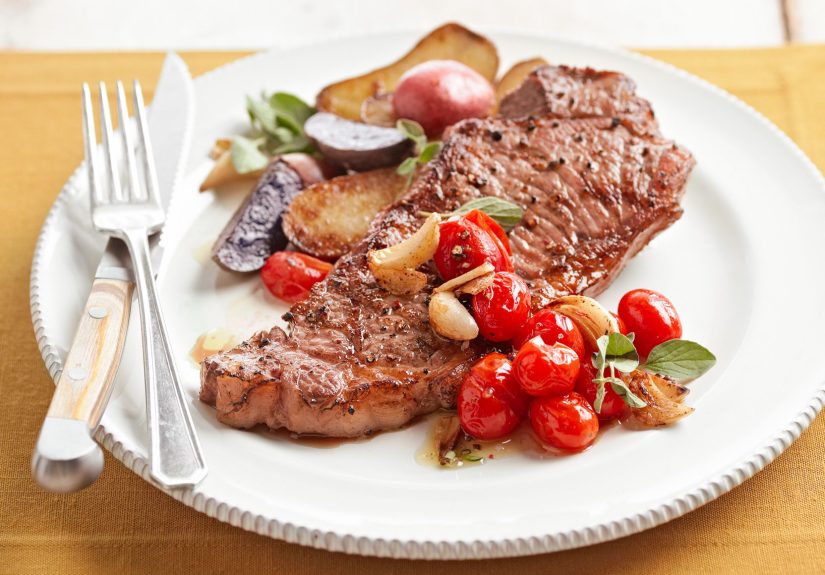
This version is the weeknight heropan-fried garlic steak and crispy potatoes made in one skillet with a buttery, herby finish.
You’ll get a steakhouse-style sear, tender centers, and just enough garlic to keep vampires socially distant.
The key is simple: cook the potatoes so they’re actually cooked (no “crunchy surprise”), then sear the steak hot and fast,
and finally baste everything with garlic butter so your kitchen smells like you have your life together.
Quick Recipe Card
- Total time: 35–45 minutes
- Servings: 3–4
- Skill level: Easy-medium (mostly “pay attention for 5 minutes”)
- Best skillet: Cast iron or heavy stainless steel
- Main keyword: Pan-Fried Garlic Steak and Potatoes Recipe
Why This One-Pan Dinner Works
A great one-pan steak and potatoes recipe isn’t magicit’s timing and surface science. Here’s what makes this method reliable:
- Par-cooking the potatoes (briefly) so they finish crispy outside and tender inside without guzzling oil.
- High heat for searing to build flavor fast (that browned crust is doing serious work).
- Butter-basting at the end so the butter doesn’t burn, the garlic stays sweet, and the steak gets glossy and rich.
- Resting the steak so juices stay in the meat instead of pooling on your cutting board like a dramatic monologue.
Ingredients
For the potatoes
- 1 1/2 pounds Yukon Gold or baby potatoes (waxy potatoes crisp nicely)
- 1 tablespoon kosher salt (for the par-cook water)
- 2 tablespoons neutral oil (avocado, canola, grapeseed)
- 1/2 teaspoon kosher salt (for seasoning in the pan), plus more to taste
- 1/2 teaspoon black pepper
- 1/2 teaspoon smoked paprika (optional, but highly encouraged)
- 1 teaspoon chopped fresh rosemary or thyme (or 1/2 teaspoon dried)
For the steak
- 1 1/2 pounds steak (ribeye, strip, sirloin, or tri-tip steaks), ideally 1–1 1/4 inches thick
- 1 1/4 teaspoons kosher salt (or to taste)
- 1 teaspoon black pepper
- 1 tablespoon neutral oil (for searing)
For the garlic-butter finish
- 4 tablespoons unsalted butter
- 5–6 garlic cloves, lightly smashed (or thinly sliced if you want more garlic pieces)
- 2 sprigs rosemary or thyme (optional but excellent)
- 1–2 teaspoons lemon juice (optional, brightens everything)
- 2 tablespoons chopped parsley (for freshness and “look, I’m a professional” vibes)
- Red pepper flakes (optional, for gentle heat)
Equipment You’ll Want
- 12-inch cast-iron skillet or heavy stainless skillet
- Instant-read thermometer (highly recommended for consistent steak doneness)
- Large pot (for par-cooking potatoes) and a colander
- Tongs and a spoon (for flipping and basting)
- Paper towels (dry food = better browning)
Step-by-Step: Pan-Fried Garlic Steak and Potatoes
Step 1: Prep the potatoes (the “no raw centers” insurance policy)
Cut potatoes into 3/4-inch chunks (or halves/quarters if using baby potatoes). Aim for similar sizes so they cook evenly.
Add to a pot, cover with cold water, and add 1 tablespoon kosher salt.
Bring to a boil, then reduce to a lively simmer and cook 6–8 minutes, just until the potatoes are barely fork-tender.
You’re not making mashed potatoesyou’re giving them a head start.
Drain well.
Now the important part: spread the potatoes on a tray or plate and let steam dry for 3–5 minutes.
If you want extra crispy edges, give them a gentle shake in the colander to rough up the surface.
Those craggy edges turn into crunchy gold in the skillet.
Step 2: Sear and crisp the potatoes
Heat your skillet over medium-high heat for 2 minutes. Add 2 tablespoons neutral oil.
When the oil shimmers, add potatoes in a single layer.
Sprinkle with 1/2 teaspoon salt, pepper, and paprika (if using).
Let them cook undisturbed for 4–5 minutes to build a crust.
Flip, then cook another 6–8 minutes, stirring occasionally, until deeply golden and crisp in spots.
Add rosemary/thyme during the last 2 minutes so it perfumes the oil without scorching.
Transfer potatoes to a bowl and cover loosely with foil to keep warm.
Leave the skillet where it isthose browned bits are flavor, not a problem.
Step 3: Prep the steak for a real sear
Pat the steak dry with paper towels. Moisture is the enemy of browning.
Season generously with salt and pepper on both sides.
If you have 10 minutes, let the steak sit at room temp while you finish the potatoesthis helps it cook more evenly.
Step 4: Pan-fry (sear) the steak
Turn heat to high. Add 1 tablespoon neutral oil.
When the oil is shimmering and just starting to smoke lightly, add the steak.
Sear 2–4 minutes per side, depending on thickness.
If the steak has a fat cap, use tongs to hold it upright and render it for 30–60 seconds.
Don’t poke it. Don’t press it. Don’t give it a motivational speech. Let the pan do its job.
Flip when the steak releases easily; if it sticks hard, it probably needs another 30 seconds.
Step 5: Garlic-butter baste (the “steakhouse finish”)
Reduce heat to medium. Add butter, smashed garlic cloves, and herb sprigs.
As the butter melts and foams, tilt the skillet slightly so butter pools on one side.
Spoon the foamy garlic butter over the steak repeatedly for 30–60 seconds.
This adds flavor fast and helps the surface brown beautifully without burning the garlic.
Step 6: Check doneness and rest
Use an instant-read thermometer in the thickest part of the steak (avoid touching bone).
For food safety, USDA guidance for whole cuts of beef is 145°F with a 3-minute rest.
Many people prefer lower temps for medium-rare, but if you’re serving kids, pregnant people, older adults, or anyone with a compromised immune system,
stick to the USDA recommendation.
- Rare: 120–125°F (not the USDA minimum)
- Medium-rare: 130–135°F (not the USDA minimum)
- Medium: 140–145°F (USDA minimum is 145°F + rest)
- Medium-well: 150–155°F
- Well-done: 160°F+
Remove steak to a cutting board and rest 5–10 minutes.
Carryover heat can raise the temperature a few degrees, and resting keeps the juices where you want them: inside the steak.
Step 7: Bring it all together
Return potatoes to the skillet (heat on low). Toss them in the garlicky butter and any pan drippings.
Add lemon juice (optional), parsley, and a pinch of red pepper flakes if you like heat.
Slice steak against the grain (especially for sirloin) and serve on top of the potatoes, or toss steak slices back in for a family-style skillet platter.
Spoon any extra garlic butter over everything. Because yes.
Timing Cheat Sheet
- Potato par-cook: 6–8 minutes
- Potato crisping: 10–13 minutes
- Steak sear: 4–8 minutes total (depending on thickness + doneness)
- Butter baste: 1 minute
- Rest: 5–10 minutes
Pro Tips for the Best Skillet Garlic Butter Steak
Choose the right cut
Ribeye and strip are naturally tender and forgiving. Sirloin is leaner and budget-friendly; just don’t overcook it.
If your steak is thinner than 1 inch, sear quickly and baste brieflythin steaks can leap from “perfect” to “oops” in about 45 seconds.
Dry potatoes = crispy potatoes
After draining, let potatoes steam dry. Wet potatoes steam in the pan and fight browning.
If you’ve ever wondered why restaurant potatoes crunch louder than yours, dryness is a big part of the secret.
Don’t burn the garlic
Garlic is sweet and aromatic when gently cooked, but bitter when scorched.
That’s why it goes in with the butter at medium heat near the end.
Smashing the cloves gives great flavor without turning them into tiny burnt confetti.
Avoid overcrowding
If your skillet is packed, food steams instead of sears.
If needed, crisp potatoes in two batches or use a second pan.
Your patience will be rewarded with actual crispiness, not “kind of browned if you squint.”
Flavor Variations (So You Don’t Get Bored)
1) Steakhouse Parmesan
Toss potatoes with a tablespoon of grated Parmesan and extra parsley right before serving.
Add a squeeze of lemon for balance.
2) Spicy garlic steak and potatoes
Add 1/2 teaspoon chili flakes or a drizzle of hot sauce into the butter while basting.
Finish with sliced scallions.
3) Smoky paprika + cumin
Swap rosemary for 1/2 teaspoon cumin and keep the smoked paprika.
Serve with a quick yogurt-lime drizzle for a bold contrast.
4) Mushroom upgrade
After potatoes come out, sear sliced mushrooms in the same skillet with a pinch of salt.
Add them back at the end with potatoes for a “steakhouse side dish” moment.
Common Mistakes and Fast Fixes
“My potatoes are browned but still hard.”
They needed a longer par-cook or smaller cuts. Next time, simmer 1–2 minutes longer or cut smaller.
For tonight: add a splash of water to the skillet, cover for 2 minutes to steam, then uncover to re-crisp.
“My steak is gray and sad.”
Pan wasn’t hot enough, steak was wet, or the pan was crowded.
Pat dry, preheat longer, and give the steak space.
Steak likes attention, but not clinginess.
“My garlic tastes bitter.”
Garlic burned. Lower the heat before adding butter/garlic and keep the basting window short.
If the garlic gets too dark, remove the cloves and keep using the butter.
What to Serve with One-Pan Steak and Potatoes
- A simple green salad with vinaigrette (brightness cuts the richness)
- Roasted or sautéed green beans, broccoli, or asparagus
- Pickles or quick-pickled onions (seriously good with garlic butter)
- Crusty bread to mop up extra butter (highly optional, highly inevitable)
Storage and Reheating
Store leftovers in an airtight container for up to 3 days.
Reheat potatoes in a skillet over medium heat with a tiny splash of oil to restore crispness.
Reheat steak gently (low heat) or slice it cold and toss into a saladoverheating can make it tough.
FAQ
Can I use steak bites instead of whole steaks?
Absolutely. Cut steak into 1–1 1/2 inch pieces, sear quickly in a hot skillet, then toss in garlic butter for 30 seconds.
It’s faster, great for meal prep, and highly snackable (chef’s tax becomes a legal requirement).
What potatoes are best for pan-frying?
Yukon Gold or baby potatoes are ideal: creamy inside, crisp outside, and less likely to fall apart than starchy russets.
Russets can work, but they need more careful handling.
Do I really need a thermometer?
“Need” is a strong word. But if you want repeatable results, a thermometer is the easiest way to nail doneness without guesswork.
It’s the difference between “confident cook” and “dramatic meat roulette.”
Pan-Fried Garlic Steak and Potatoes: Kitchen Experiences (Extra 500+ Words)
If you’ve ever made a skillet steak dinner and thought, “This tastes amazing… why do I feel like I just ran a small marathon?”
you’re not alone. The good news: once you learn the rhythm of pan-fried garlic steak and potatoes, it becomes a repeatable,
low-stress ritualone that feels fancy without demanding a culinary degree or a sink full of dishes.
In many home kitchens, the first “aha” moment is realizing potatoes don’t respond well to impatience.
People often start with raw chunks, crank the heat, and end up with a confusing situation: browned outsides and stubbornly firm centers.
The par-cook step changes everything. It’s a short detour that makes the whole trip smootheryour potatoes finish quickly, crisp more evenly,
and stop drinking oil like it’s their job. Once you’ve experienced potatoes that are actually tender inside and crunchy outside,
you’ll wonder why you ever tried to do it the hard way.
The second common experience is discovering how much “dry” matters. You can season perfectly, buy a great cut of steak, and still miss the sear if the surface is wet.
That quick paper-towel pat-down feels too simple to matter… until you see the crust difference in real time.
The same goes for potatoes: letting them steam dry after draining is the quiet little habit that separates “pretty good”
from “wait, did you order takeout?”
Another familiar storyline: garlic anxiety. A lot of cooks love garlic, but they’ve been burnedliterallyby bitter, scorched pieces in hot oil.
The butter-baste method is a confidence builder because it puts garlic in a gentler environment.
Instead of frying garlic aggressively at the beginning, you let it perfume the butter near the end,
and the aroma hits the kitchen like an edible announcement: “Something excellent is happening in here.”
The smell alone can summon family members who were “not hungry” five minutes ago.
Then there’s the steak doneness learning curve. People often rely on timing alone (“three minutes per side!”) and feel betrayed when results vary.
Thickness, starting temperature, and skillet heat make timing a moving target.
The thermometer removes the drama. Many cooks report that once they start checking internal temperature,
their steak stops being a mystery and starts being a choice. You pick the doneness you want, and you can hit it consistently.
That control is especially helpful if you’re cooking for a group where one person wants medium-rare and another wants “no pink, ever.”
(Pro tip: cook the more done steak first, then cook the less done steak second. The pan is hotter and faster by then.)
Finally, there’s the “one-pan pride” experience: when everything comes together at the end.
You return the potatoes to the skillet, toss them in the garlicky butter, and suddenly the dish feels unifiedlike it planned this all along.
The browned bits from the steak turn into instant seasoning for the potatoes, and the herbs and butter make the whole pan taste intentional.
It’s the kind of meal that often inspires tiny upgrades the next time: a squeeze of lemon, a pinch of chili flakes,
a handful of parsley, or a quick side salad to balance the richness.
And once you realize how flexible the method is, you can adapt it to what you havedifferent herbs, different potato cuts, steak bites instead of whole steaks,
even adding mushrooms or onions when you want extra comfort.
In short: the “experience” of this pan-fried garlic steak and potatoes recipe is usually a progression from chaotic to calm.
The first time, you learn the timing. The second time, you get confident with the sear.
And by the third time, you’re making it on purpose when you want a dinner that feels like a rewardeven if it’s just a regular night at home.
Conclusion
This pan-fried garlic steak and potatoes recipe is a dependable, craveable one-pan dinner: crisp potatoes, juicy steak, and a buttery garlic finish that tastes far
fancier than the effort required. Master the two big habitsdry your ingredients and let the pan get hotand you’ll have a go-to weeknight steak dinner you can
tweak endlessly without losing the “wow.”