Table of Contents >> Show >> Hide
- What Makes This Pancakes Recipe Work
- Classic Pancakes Recipe (Fluffy, From Scratch)
- The Pancake Science (So You Can Cook Like You Meant To)
- Pro Tips for Diner-Style Pancakes
- Easy Variations (Because Pancakes Have Range)
- Mix-Ins and Add-Ons That Actually Work
- Troubleshooting: Fix Pancake Problems Fast
- Make-Ahead, Storage, and Reheating
- FAQ: Pancakes Recipe Questions People Actually Ask
- Pancake Experiences: Real-Life Lessons From the Griddle (About )
- Conclusion
Pancakes are proof that breakfast doesn’t need to be complicated to be legendary. With a bowl, a whisk, and a griddle that’s actually hot
(not “kinda warm-ish”), you can make a stack of fluffy pancakes that tastes like a weekendeven if it’s a Tuesday.
This guide gives you a reliable classic pancakes recipe, explains why each step matters (so you can fix problems on the fly),
and walks through variations like buttermilk pancakes, whole-grain swaps, and diner-style upgrades. No weird gimmicksjust real technique,
practical examples, and a little humor, because pancakes are supposed to be fun.
What Makes This Pancakes Recipe Work
- Proper leavening: Baking powder creates lift; optional baking soda helps browning and works best with acidic dairy.
- Gentle mixing: Slightly lumpy batter beats smooth batter every time (smooth often means tough).
- Heat control: Medium heat cooks the center before the outside turns into a bronze medal you can’t eat.
- A short rest: 10 minutes lets flour hydrate and helps the pancakes cook up tender.
Classic Pancakes Recipe (Fluffy, From Scratch)
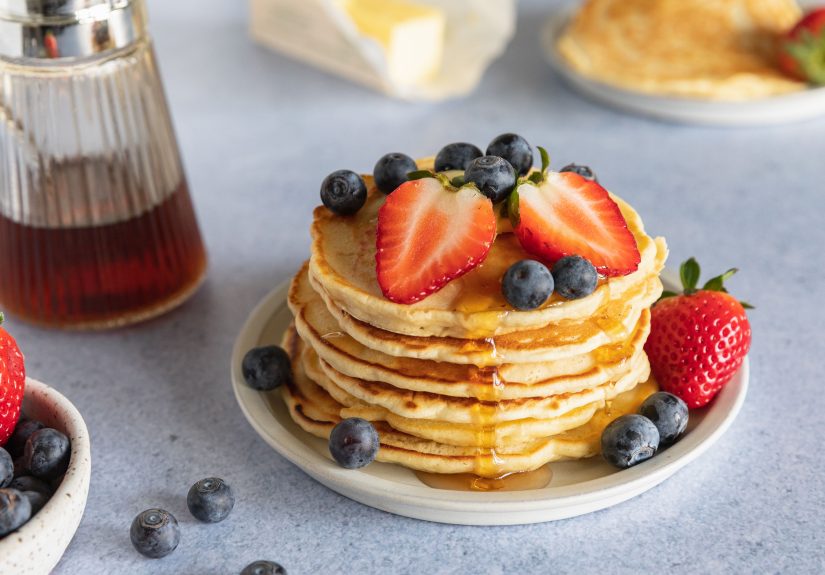
This is the everyday “home base” pancake: fluffy, lightly sweet, and perfect with maple syrup, fruit, or whatever you can find in the fridge
that isn’t suspicious.
Ingredients (Makes about 8–10 medium pancakes)
- 1 1/2 cups all-purpose flour
- 3 1/2 teaspoons baking powder
- 1 tablespoon sugar
- 1/4 teaspoon fine salt
- 1 1/4 cups milk (whole milk gives the best texture, but any milk works)
- 1 large egg
- 3 tablespoons melted butter (or neutral oil)
- 1 teaspoon vanilla extract (optional but highly encouraged)
- Butter or oil for the pan
Step-by-Step Instructions
- Preheat your pan: Heat a nonstick skillet or griddle over medium heat. If using an electric griddle, aim for about
375°F. Lightly grease, then wipe with a paper towel so you don’t “deep-fry” your pancakes by accident. - Mix dry ingredients: In a large bowl, whisk flour, baking powder, sugar, and salt until evenly combined.
(This prevents “baking powder surprise pockets.”) - Mix wet ingredients: In a second bowl (or a big measuring cup), whisk milk, egg, melted butter, and vanilla.
- Combinegently: Pour wet into dry. Stir with a whisk or spatula until just combined.
The batter should look a little lumpy. If it’s perfectly smooth, you’ve likely overmixed. - Rest the batter: Let it sit for 10 minutes. This helps the flour hydrate and relaxes the batter for a more tender bite.
- Cook: Scoop about 1/4 cup batter per pancake onto the pan. Cook until you see bubbles rising and popping on the surface
and the edges look set (usually 2–3 minutes). - Flip once: Flip and cook the second side until golden (usually 1–2 minutes). Resist the urge to smash pancakes with a spatula.
They are not stress balls. - Keep warm: If cooking in batches, hold finished pancakes on a baking sheet in a 200°F oven.
The Pancake Science (So You Can Cook Like You Meant To)
1) Why “Don’t Overmix” Is the #1 Pancake Rule
Flour contains proteins that form gluten when mixed with liquid. Gluten is great for chewy breadless great for tender pancakes.
Overmixing builds extra gluten, leading to pancakes that taste… oddly like edible gym resistance bands.
What to do instead: Mix only until no dry flour remains. Lumps are fine. Lumps are friends.
2) Baking Powder vs. Baking Soda
Baking powder is the main lift for most pancake batter. Baking soda needs acid (like buttermilk, yogurt, sour cream, or lemon juice)
to activate well. Soda can also encourage browning, which is why many buttermilk pancake recipes use a little of both.
3) Heat: The Difference Between “Fluffy” and “Burnt Outside, Raw Inside”
Pancakes want medium heat. Too hot and the exterior browns before the center sets. Too low and they dry out, turning pale and sad.
Try this quick test: flick a few drops of water onto the panif they sizzle and evaporate quickly, you’re in the zone.
Pro Tips for Diner-Style Pancakes
Add a Little “Flavor Physics”
- Use melted butter (or a mix of butter and oil): Butter adds flavor; oil can keep the crumb softer.
- Try a malty twist: For a classic diner vibe, swap some of the sugar for malted milk powder if you keep it around.
It boosts toasty flavor and browning. - Rest the batter, but don’t nap all day: A short rest helps; letting it sit forever can weaken the lift.
Flip Like a Calm Person
Flip when the surface bubbles pop and leave little craters, and the edges look set. If you flip too early, batter will smear.
If you flip too late, you’ll get a pancake that’s technically cooked but emotionally unavailable.
Easy Variations (Because Pancakes Have Range)
Buttermilk Pancakes (Tangy + Extra Tender)
Swap the milk for 1 1/4 cups buttermilk. Add 1/2 teaspoon baking soda.
Reduce baking powder to 2 1/2 teaspoons (you still want lift, just not “volcano pancake” lift).
No Buttermilk? Three Better Plan-B Options
- Yogurt + milk: Use half plain yogurt, half milk for a similar tang and thicker batter.
- Sour cream + milk: Like yogurt, but richergreat for brunch energy.
- Milk-only batter: Skip baking soda and rely on baking powder for lift; keep the heat moderate.
Whole-Wheat or Multigrain Pancakes
For a heartier stack, replace up to 50% of the flour with whole-wheat flour. Add an extra tablespoon or two of milk if the batter looks thick.
Whole grains absorb more liquid, so the batter may need a small adjustment.
Gluten-Free Pancakes (Tender, Not Crumbly)
Use a 1:1 gluten-free baking blend designed for baking. Let the batter rest 10–15 minutes so it hydratesthis helps texture a lot.
Expect slightly different browning; cook a touch lower and a bit longer.
Sourdough Discard Pancakes (Tang + Crisp Edges)
If you keep sourdough starter, pancakes are an excellent use for discard. Add 1/2 to 1 cup discard and reduce flour and milk slightly
to keep the batter the same thickness. The flavor becomes lightly tangy, and the edges often get pleasantly crisp.
Mix-Ins and Add-Ons That Actually Work
Smart Mix-Ins
- Blueberries: Sprinkle onto the pancake after pouring batter (keeps berries from sinking and turning everything purple-gray).
- Chocolate chips: Same methodsprinkle on top, then flip. Less burning.
- Bananas: Thin slices on top of the poured batter; they caramelize nicely.
- Nuts: Toasted pecans or walnuts add crunch and make pancakes feel “fancy” with zero effort.
Toppings Beyond Maple Syrup
- Warm fruit compote: Simmer berries with a little sugar and lemon for a quick topping.
- Greek yogurt + honey: Sweet, tangy, and balances buttery pancakes.
- Nut butter: Peanut butter or almond butter melts into the stack like it’s doing a magic trick.
- Whipped cream: For “breakfast dessert,” which is a valid life choice sometimes.
Troubleshooting: Fix Pancake Problems Fast
My pancakes are flat
- Check your leavening: Baking powder loses power over time. If it’s old, pancakes won’t rise much.
- Don’t overmix: Overmixing can deflate bubbles and tighten the batter.
- Pan may be too cool: Low heat can make batter spread before it sets.
My pancakes are tough or rubbery
- Mix less. Seriously. Stop when you still see lumps.
- Let batter rest 10 minutes so hydration happens without extra stirring.
They’re burning outside but raw inside
- Lower the heat to medium or medium-low.
- Make slightly smaller pancakes so the center cooks faster.
They’re pale and dry
- Increase heat slightly and ensure the pan is properly preheated.
- Add a little fat (melted butter or oil) if you reduced it too much.
Make-Ahead, Storage, and Reheating
Keep Warm for Brunch
Hold cooked pancakes on a sheet pan in a 200°F oven while you finish the batch. This avoids the “first pancakes are cold, last pancakes are perfect”
tragedy that has ended many peaceful mornings.
Freeze for Later
- Cool pancakes completely.
- Layer with parchment paper so they don’t freeze into one giant pancake sheet (which sounds fun until you try to separate it).
- Freeze in a sealed bag or container for up to 2 months.
Reheat Like a Pro
- Toaster: Best for crisp edges.
- Oven: 350°F for 6–10 minutes (great for a crowd).
- Microwave: Works, but keep it short to avoid “spongy pancake” energy.
FAQ: Pancakes Recipe Questions People Actually Ask
Should pancake batter be thick or thin?
Aim for a batter that pours but doesn’t run like waterthink thick yogurt or slow lava (the safe kind).
If it’s too thick, add milk 1 tablespoon at a time. If it’s too thin, add flour 1 tablespoon at a time.
Can I make pancakes without eggs?
Yes. Replace 1 egg with one of these:
1/4 cup applesauce (slightly sweeter), 1 tablespoon ground flax + 3 tablespoons water (let gel 5 minutes),
or a commercial egg replacer. Texture may be a bit softer, but still tasty.
Why do my first pancakes look weird?
The first pancake is a “pan temperature test pancake.” It’s normal. Consider it the toll you pay to enter Pancake Paradise.
Adjust heat and oil after the first one.
Pancake Experiences: Real-Life Lessons From the Griddle (About )
Pancakes are the kind of food that quietly sneaks into your life and becomes a tradition. You don’t plan it. One day you’re just making “a quick breakfast,”
and the next day you’re the person who owns a dedicated spatula that you will not let anyone use for scrambled eggs. (Because pancakes deserve respect.)
My first “serious” pancake phase happened in a tiny kitchen where counter space was basically a rumor. I’d mix batter in a bowl that was too small,
which meant flour would puff into the air like I’d set off a breakfast smoke bomb. The pancakes tasted fine, but the kitchen looked like a snow globe
sponsored by all-purpose flour. That’s when I learned: bigger bowl, calmer life.
Then came the Great Overmixing Era. I was convinced that smooth batter was the goalbecause smooth feels “professional,” right? Wrong. Those pancakes came out
chewy in a way that felt personal, like they were judging me for trying too hard. Once I embraced the lumpy batter, everything changed. It was a small but
powerful life lesson: sometimes “good enough” is actually the best technique.
Pancakes also taught me patience with heat. I used to crank the stove because I wanted pancakes now. The result was always the same: outside browned
fast, inside stayed stubbornly undercooked, and I’d stand there flipping pancakes like I was negotiating with them. When I finally committed to medium heat,
the center cooked through, the surface turned evenly golden, and suddenly I wasn’t panic-flipping breakfast like it was a high-stakes sport.
Some of my favorite pancake memories involve improvisation. No buttermilk? Yogurt plus milk saves the day. No eggs? A quick flax “egg” comes through.
No syrup? Warm berries with a little sugar becomes a glossy, fancy topping that makes you feel like you should be wearing a linen apron.
Pancakes are forgiving like thatthey meet you where you are, even if where you are is “out of groceries and running on vibes.”
And there’s something oddly joyful about the rhythm: pour, bubbles, flip, repeat. Pancakes don’t ask you to be a chef; they just ask you to pay attention.
The smell of butter hitting a warm pan, the first stack building up on the plate, the tiny moment when the butter melts on topthose are the details that turn
an ordinary morning into a good one. If you ever needed a reason to slow down for ten minutes, a pancakes recipe is a pretty delicious argument.
Conclusion
A great pancakes recipe is less about fancy ingredients and more about a few simple truths: fresh leavening, gentle mixing, a short rest, and steady heat.
Nail those, and you’ll get fluffy pancakes that are tender inside, golden outside, and ready for any topping you loveclassic maple syrup, fruit, yogurt,
or a pile of chocolate chips that says, “Yes, I’m thriving.”