Table of Contents >> Show >> Hide
- Why This Pancakes Recipe Works
- Pancakes Recipe Ingredients
- Equipment You’ll Want
- Step-by-Step Pancakes Recipe
- Pro Timing Example for a Family Batch
- Common Pancake Problems (and How to Fix Them)
- Flavor Variations You Can Trust
- Healthier Pancake Tweaks That Still Taste Like Pancakes
- Make-Ahead, Storage, and Reheating
- Best Toppings for Different Moods
- Frequently Asked Questions About Pancakes Recipe
- Conclusion
- Real-World Pancake Experiences (Extended 500+ Word Section)
- 1) The Weekday Rush Scenario
- 2) The “First Pancake Is Weird” Reality
- 3) Cooking for Different Preferences at One Table
- 4) The Overmixing Trap (and Recovery Plan)
- 5) Batch Cooking for the Week
- 6) The “Healthy but Still Fun” Balance
- 7) Small-Kitchen Constraint Wins
- 8) Hosting Brunch Without Panic
- 9) The Confidence Effect
- SEO Metadata (JSON)
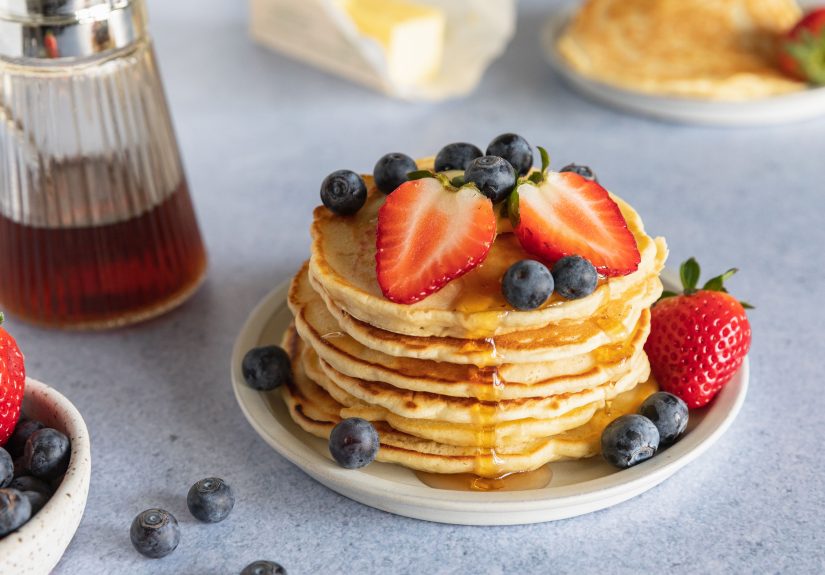
Some breakfasts whisper. Pancakes announce themselves. You hear the batter hit the skillet, smell butter browning, and suddenly everyone in the house remembers they’re “just checking what’s cooking.” If you’ve ever wanted a pancakes recipe that delivers a fluffy center, lightly crisp edges, and that diner-style golden color, this is your playbook.
This guide goes beyond “mix and flip.” You’ll learn the why behind each step, the most common pancake mistakes (and exact fixes), practical swaps for buttermilk, healthier variations that still taste great, and meal-prep tricks that make weekday breakfasts feel like weekends. The tone is fun, but the method is serious: reliable, tested pancake structure with clear instructions you can follow half-awake before coffee.
If your past pancakes were flat, gummy, pale, or somehow burned outside and raw inside, don’t worryyou’re one solid process away from your best stack yet. Let’s make your kitchen smell like a Saturday morning worth waking up for.
Why This Pancakes Recipe Works
1) Balanced leavening for lift
Great fluffy pancakes rely on gas bubbles generated by leaveners and trapped by a properly mixed batter. Too little lift and your pancakes are dense; too much and they collapse into sad craters. This recipe balances baking powder (and optional baking soda when using acidic dairy) for a reliable rise.
2) Just-enough mixing keeps texture tender
Overmixing develops too much gluten, which makes pancakes chewy and tough. Here, we mix until no dry flour pockets remain, then stop. Small lumps are not a mistakethey’re a feature. Think “rustic cloud,” not “cement smoothie.”
3) A short batter rest makes a big difference
A 10-minute rest hydrates flour, relaxes gluten, and helps bubbles distribute more evenly. Translation: better rise, softer crumb, prettier interior.
4) Heat control prevents the classic pancake heartbreak
Pancakes need a preheated surface and steady medium heat. If your pan is too cool, they spread and dry out. Too hot, and you’ll burn the exterior before the center cooks through. The first pancake is often your “temperature scout,” and that’s normal.
Pancakes Recipe Ingredients
Dry Ingredients
- 1 1/2 cups all-purpose flour (about 180 g)
- 2 tablespoons granulated sugar
- 2 teaspoons baking powder
- 1/2 teaspoon baking soda (use this if your dairy is acidic, like buttermilk)
- 1/2 teaspoon fine salt
Wet Ingredients
- 1 1/4 cups buttermilk (or milk + 1 tablespoon lemon juice/vinegar, rested 5 minutes)
- 1 large egg
- 3 tablespoons unsalted butter, melted and slightly cooled
- 1 teaspoon vanilla extract (optional but excellent)
For Cooking and Serving
- Neutral oil or butter for the skillet
- Maple syrup, fruit, yogurt, nuts, chocolate chips, or whipped butter
Equipment You’ll Want
- Large mixing bowl + medium mixing bowl
- Whisk or fork
- Measuring cups/spoons or a kitchen scale
- Nonstick skillet, cast-iron pan, or griddle
- Ladle or 1/4-cup scoop
- Thin spatula for clean flips
Step-by-Step Pancakes Recipe
Step 1: Combine dry ingredients
In a large bowl, whisk flour, sugar, baking powder, baking soda, and salt until evenly blended. Even distribution matters: nobody wants one pancake tasting normal and the next tasting like pure baking powder drama.
Step 2: Combine wet ingredients
In a medium bowl, whisk buttermilk, egg, melted butter, and vanilla until smooth.
Step 3: Mix wet into drygently
Pour wet ingredients into dry. Use a whisk or spatula to combine until you no longer see dry flour streaks. Stop mixing while the batter is still slightly lumpy. If it looks perfectly smooth, you probably mixed too far.
Step 4: Rest the batter for 10 minutes
Let the batter sit at room temperature while you heat the pan. This short rest improves texture and fluffiness.
Step 5: Preheat pan over medium heat
Heat your skillet or griddle until a drop of water skitters and evaporates quickly. Lightly grease with oil or butter, then wipe excess if needed. A thin film beats a greasy pool.
Step 6: Portion and cook the first side
Scoop 1/4 cup batter per pancake. Cook 2–3 minutes until bubbles form on top, edges look set/matte, and bottoms are golden brown.
Step 7: Flip once and finish
Flip and cook another 1–2 minutes. Avoid pressing pancakes with a spatula (that crushes air pockets). Transfer to a warm oven (200–250°F) while finishing the batch.
Step 8: Serve immediately
Stack warm pancakes with butter, maple syrup, fruit, or nut butter. Eat while smiling.
Pro Timing Example for a Family Batch
Making pancakes for four people? Mix batter in under 10 minutes, rest for 10, cook in two to three batches over 12–15 minutes, and keep finished pancakes warm in a low oven. Total: roughly 30–35 minutes from zero to hero.
Common Pancake Problems (and How to Fix Them)
Pancakes are dense
- Cause: Overmixed batter or old leaveners.
- Fix: Mix less; replace baking powder every 6–12 months.
Pancakes are flat and spread too much
- Cause: Batter too thin or pan too cool.
- Fix: Add 1–2 tablespoons flour; preheat pan fully.
Outside burns before inside cooks
- Cause: Heat too high.
- Fix: Lower to medium; let pan recover between batches.
Pancakes taste bitter or soapy
- Cause: Too much baking soda/powder.
- Fix: Measure carefully; level spoons.
Pancakes stick
- Cause: Pan not hot enough or not properly greased.
- Fix: Preheat longer; add a light oil film and wipe excess.
Flavor Variations You Can Trust
Blueberry Buttermilk Pancakes
Add fresh or frozen blueberries after portioning batter onto the pan (instead of stirring all into the bowl). This prevents purple batter and helps even distribution.
Banana-Walnut Pancakes
Fold in 1 mashed ripe banana and 1/3 cup chopped walnuts. Reduce sugar slightly because banana brings sweetness.
Chocolate Chip Weekend Stack
Sprinkle mini chocolate chips onto each pancake right after batter hits the skillet. Top with sliced strawberries to balance richness.
Lemon-Ricotta Pancakes
Add 1/2 cup ricotta and 1 teaspoon lemon zest to the wet mix for creamy, tender pancakes with cheesecake energy.
Healthier Pancake Tweaks That Still Taste Like Pancakes
- Whole-grain option: Replace 1/2 cup all-purpose flour with whole-wheat flour for extra fiber and nuttier flavor.
- Lower sugar: Cut sugar to 1 tablespoon and use fruit topping instead of extra syrup.
- Protein boost: Serve with Greek yogurt or add a spoonful of nut butter on top.
- Dairy-light variation: Use unsweetened milk alternatives; adjust thickness with 1–2 tablespoons extra flour if needed.
Make-Ahead, Storage, and Reheating
Can you make batter ahead?
You can prep dry and wet components separately the night before, then combine in the morning. This preserves leavening strength better than storing fully mixed batter overnight.
How to store cooked pancakes
- Cool pancakes briefly, then refrigerate in an airtight container.
- For longer storage, freeze pancakes in a single layer first, then bag with parchment between layers.
- Reheat in toaster, skillet, microwave, or low oven until hot.
Food-safety reminder
Because pancake batter contains egg and dairy, don’t leave batter or cooked pancakes at room temperature for extended periods. Refrigerate leftovers promptly, and keep cold foods cold and hot foods hot.
Best Toppings for Different Moods
- Classic diner: Butter + real maple syrup.
- Fresh and bright: Berries + lemon zest + yogurt.
- Dessert breakfast: Chocolate chips + banana + whipped cream.
- Crunchy and cozy: Toasted pecans + cinnamon apples.
- High-protein: Greek yogurt + almond butter + chia seeds.
Frequently Asked Questions About Pancakes Recipe
Can I use water instead of milk?
Yes, but flavor and tenderness usually improve with milk or buttermilk. If using water, add a little extra melted butter for richness.
Why is buttermilk so popular in pancake recipes?
Buttermilk adds tangy flavor and reacts with baking soda for extra lift and tenderness.
Should pancake batter be thick or thin?
Thick but pourable. It should ribbon off the whisk, not splash like juice or sit like cookie dough.
Can I double this recipe?
Absolutely. For bigger groups, keep cooked pancakes warm in a low oven while finishing batches.
Conclusion
A great pancakes recipe is less about mystery and more about method: measure accurately, mix gently, rest the batter, control heat, and flip once. From classic buttermilk stacks to whole-grain weeknight batches, this framework gives you repeatable results with room for creativity. Whether you want a quick weekday breakfast or a full brunch spread, these pancakes are designed to be simple, fluffy, and deeply satisfying.
In short: treat the batter kindly, keep your pan honest, and your pancakes will return the favor.
Real-World Pancake Experiences (Extended 500+ Word Section)
The most useful pancake lessons usually happen between the lines of a recipe card. They show up when you cook for real people, with real time limits, real hunger levels, and real chaos in the kitchen. Here are practical, experience-based scenarios that illustrate how this pancake method performs in everyday life.
1) The Weekday Rush Scenario
Imagine a school morning where breakfast has exactly 20 minutes to happen. The trick is not to chase a perfect brunch stack; it’s to use a streamlined workflow. Dry ingredients are measured the night before, wet ingredients are in one jar in the fridge, and the skillet preheats while lunchboxes are being packed. The batter gets a quick combine, five to ten minutes of rest while everyone finds shoes, and then pancakes hit the pan in small rounds for faster cooking. Outcome: hot breakfast, no meltdown, no boxed mix required.
2) The “First Pancake Is Weird” Reality
Many home cooks worry when the first pancake comes out pale, misshapen, or slightly overdone. That first one is often your calibration pancake. It tells you whether the pan is too hot, too cool, or unevenly greased. Once you adjust heat by a small notch and wipe excess fat, the next batch usually looks dramatically better. Experienced cooks stop judging the whole session by pancake number one. They use it as data.
3) Cooking for Different Preferences at One Table
One person wants blueberries, another wants chocolate chips, and someone else wants plain with extra syrup. Instead of making separate batters, cook a neutral base and customize directly on the skillet: drop berries, chips, or sliced banana onto each pancake after pouring. This keeps texture consistent and prevents overmixing. It also avoids the “all chips sank to the bottom of the bowl” problem.
4) The Overmixing Trap (and Recovery Plan)
Almost everyone eventually overmixes a batter while trying to “fix the lumps.” The result is often tighter texture and less rise. A practical recovery move is to stop immediately, rest the batter a bit longer, and lower expectations for maximum loft on that batch. Then next time, switch to folding with a spatula and count strokes loosely. You’re aiming for combined, not polished.
5) Batch Cooking for the Week
Pancakes are underrated meal prep. Make a double batch on Sunday, cool fully, freeze with parchment between layers, and reheat in the toaster. Texture remains pleasantly soft inside with a slight crisp edge, especially if reheated dry rather than microwaved too long. This gives weekday mornings a homemade feel without weekday effort.
6) The “Healthy but Still Fun” Balance
Households trying to improve nutrition often replace all flour with whole wheat and all sugar with nothing, then wonder why everyone loses enthusiasm. A better experience is gradual: start with a 25–33% whole-grain swap, keep a little sugar for browning and flavor, and add fruit plus yogurt on top. The pancakes stay familiar while the nutrition profile improves. Compliance beats perfection when feeding humans.
7) Small-Kitchen Constraint Wins
Not everyone has a giant griddle. In small apartments, one 10-inch skillet can still produce excellent pancakes if you embrace micro-batches. Cook two or three at a time, hold finished rounds in a warm oven, and serve together. This method reduces stress and lets you control browning more precisely than overcrowding a pan.
8) Hosting Brunch Without Panic
For a casual brunch, the smoothest approach is to prepare toppings buffet-style: warmed syrup, berries, whipped butter, yogurt, toasted nuts, and sliced bananas. Keep pancakes simple and consistent; let toppings create variety. Guests build their own stacks, and you avoid making five specialized batters. The social effect is surprisingly strongpeople talk more when they customize food.
9) The Confidence Effect
Once cooks understand heat control, minimal mixing, and batter rest, pancakes stop feeling fragile. That confidence transfers to waffles, quick breads, muffins, and even biscuits. In other words, mastering one reliable pancakes recipe often improves your entire breakfast game.
These experiences all point to the same conclusion: the best pancakes aren’t just about ingredients. They’re about rhythm. When your process is stable, pancakes become easy, flexible, and consistently deliciouseven on ordinary mornings.