Table of Contents >> Show >> Hide
- Why You’ll Love These Parmesan Crusted Turkey Cutlets
- Ingredients You’ll Need
- Step-by-Step: How to Make Parmesan Crusted Turkey Cutlets
- Flavor Variations and Substitutions
- How to Keep Turkey Cutlets from Drying Out
- Make-Ahead, Storage, and Reheating Tips
- Serving Ideas for Parmesan Crusted Turkey Cutlets
- Real-Life Experiences & Extra Tips for Parmesan Crusted Turkey Cutlets
If you love the crispy, golden edges of chicken parmesan but want something a little leaner (and faster),
these Parmesan crusted turkey cutlets are about to become your new weeknight favorite. Think: juicy turkey,
crunchy cheesy coating, a squeeze of lemon, and dinner on the table in under 30 minutes. No holiday chaos,
no giant bird, no carving dramajust simple, satisfying comfort food.
Turkey cutlets are thin slices of turkey breast, so they cook quickly and take on flavor like a sponge.
When you coat them in a mixture of Parmesan and breadcrumbs and pan-fry or bake them, you get the same
crispy, cutlet-style dinner you’d get with chickenjust a bit lighter and a little more interesting.
Many popular recipes use a classic dredging method (flour, egg, crumbs) to lock in moisture and help the
crust cling nicely.
In this recipe, you’ll get a reliable base version plus options for baking, pan-frying, and even making
it low-carb. We’ll also walk through how to keep turkey cutlets from drying out, how to add extra flavor
without extra stress, and a few serving ideas that make this dish feel restaurant-level with very little
effort.
Grab a pack of turkey cutlets, a wedge of Parmesan, and your favorite skilletthis is the kind of
“impress everyone with almost no work” dinner that’s worth putting on repeat.
Why You’ll Love These Parmesan Crusted Turkey Cutlets
- Fast. Thin cutlets mean dinner is ready in about 20–25 minutes from start to finish.
- Light but satisfying. Turkey breast is lean, but the Parmesan crust keeps every bite rich and flavorful.
- Flexible cooking methods. Pan-fry for maximum crunch, or bake for a lighter version. You can even air-fry similar to some modern turkey cutlet recipes.
- Great for meal prep. Leftovers reheat well for sandwiches, salads, or grain bowls.
- Easy to customize. Swap in almond flour for a low-carb crust, toss on marinara and mozzarella for a turkey “parmesan,” or slice the cutlets over a simple arugula salad.
Ingredients You’ll Need
This recipe makes about 4 servings. You can scale it up or down as needed.
For the Turkey Cutlets
- 1 1/2 pounds thin-sliced turkey cutlets (about 4–6 pieces)
- 1 teaspoon kosher salt, plus more to taste
- 1/2 teaspoon freshly ground black pepper
- 1/2 teaspoon garlic powder
For the Parmesan Crust
- 1/2 cup all-purpose flour (for dredging)
- 2 large eggs, beaten with 1 tablespoon water
- 3/4 cup breadcrumbs (plain or panko)
- 3/4 cup finely grated Parmesan cheese
- 1 teaspoon dried parsley (optional, for color and flavor)
- 1/2 teaspoon dried Italian seasoning or oregano
For Cooking & Serving
- 3–4 tablespoons olive oil (for pan-frying) or spray oil for baking
- 1 tablespoon butter (optional, for richer flavor when pan-frying)
- Lemon wedges, for serving
- Fresh parsley or basil, chopped (optional garnish)
- Marinara sauce and shredded mozzarella, if you want a turkey “parmesan” variation
Step-by-Step: How to Make Parmesan Crusted Turkey Cutlets
The method here follows the same basic technique used in many tried-and-true cutlet recipes: season,
dredge, coat, cook, rest. It’s simple, but the order and details matter for maximum crispiness and juiciness.
1. Prep the Turkey
-
Pat dry. Use paper towels to pat the turkey cutlets completely dry. This helps the flour and
crumbs stick better and leads to a crispier crust, a tip emphasized in several crispy cutlet recipes. -
Season. Sprinkle both sides with salt, pepper, and garlic powder. Let them sit at room
temperature for about 10–15 minutes while you set up the breading station. This quick rest helps them cook
more evenly.
2. Set Up Your Breading Station
Dredging is simply coating moist food (like turkey) in dry ingredients to create a crisp exterior that holds in
moisture. You’ll use three shallow dishes.
- Dish 1: Add the flour.
- Dish 2: Beat the eggs with 1 tablespoon of water until smooth.
-
Dish 3: Combine the breadcrumbs, grated Parmesan, dried parsley, and Italian seasoning.
Mix well so the cheese is evenly distributed.
Pro tip: Use one hand for the “wet” steps (egg) and one for the “dry” steps (flour and crumbs). This keeps the
coating from turning into a heavy, gluey mess on your fingers, a trick many home cooks swear by when making
breaded cutlets.
3. Bread the Cutlets
-
Flour first. Dredge each turkey cutlet in flour, shaking off any excess. This light layer of
flour gives the egg something to cling to and helps the crust adhere evenly. -
Egg wash. Dip the floured cutlet into the egg mixture, letting any excess drip off so it
doesn’t make the crumbs soggy. -
Parmesan crumbs. Press the cutlet into the Parmesan-breadcrumb mix, coating both sides.
Gently press the mixture into the meat so it sticks in an even layer. Set breaded cutlets aside on a plate
or wire rack while you finish the batch.
Once all cutlets are breaded, you can either pan-fry them (for an ultra-crisp crust) or bake them (for a
lighter, hands-off version). Both methods mirror what many popular turkey cutlet recipes recommend.
4A. Pan-Fried Parmesan Crusted Turkey Cutlets
-
Heat the pan. In a large nonstick or stainless-steel skillet, heat 2 tablespoons olive oil
and 1 tablespoon butter over medium to medium-high heat until shimmering. -
Add cutlets. Place 2–3 cutlets in a single layer, without crowding. Cook 3–4 minutes per
side, until the crust is golden brown and the turkey reaches an internal temperature of 165°F in the
thickest part. -
Drain. Transfer cooked cutlets to a wire rack set over a baking sheet or a paper towel–lined
plate for a minute or two. Using a rack helps keep the crust from getting soggy as it cools. -
Repeat. Add more oil if needed and cook remaining cutlets, adjusting heat to prevent
burning.
4B. Baked Parmesan Crusted Turkey Cutlets
-
Preheat oven. Heat your oven to 375–400°F. Line a baking sheet with parchment or lightly
oil it. -
Arrange and spray. Place breaded cutlets in a single layer. Spray the tops with a light
coating of olive oil cooking spray. This mimics shallow frying and helps the crumbs crisp up in the oven. -
Bake. Bake for 7–8 minutes, flip, spray lightly again, and bake another 6–8 minutes, or
until the cutlets are golden and reach 165°F internally. - Rest. Let them rest 3–5 minutes before serving so the juices redistribute.
5. Serve and Enjoy
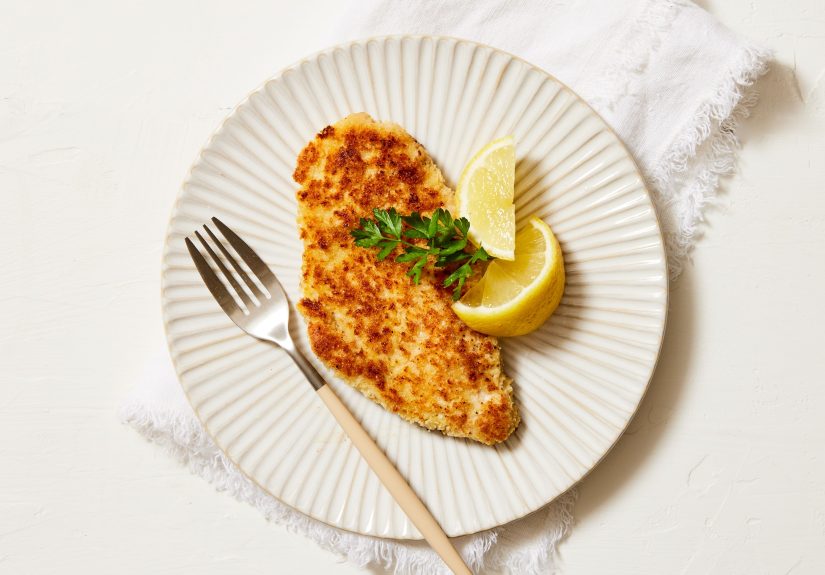
Serve the cutlets hot with lemon wedges, a simple green salad, roasted vegetables, or a pile of buttery
mashed potatoes. A handful of arugula dressed with olive oil and lemon piled over the top turns this into
a chic, bistro-style plate, similar to some Parmesan turkey cutlet recipes that pair cutlets with fresh greens.
For a turkey “parmesan” twist, spoon warm marinara over the cutlets, top with shredded mozzarella and a
little extra Parmesan, and pop them under the broiler for a few minutes until melty and bubbly.
Flavor Variations and Substitutions
-
Low-carb / gluten-free: Swap the flour and breadcrumbs for almond flour and finely grated
Parmesan. Several modern turkey cutlet recipes use this combo for a crisp, naturally low-carb crust. - Extra cheesy: Use a mix of Parmesan and Pecorino Romano for a sharper, saltier crust.
-
Herb lover’s version: Stir extra dried basil, oregano, or even finely chopped fresh rosemary
into the crumb mixture. -
Spicy kick: Add red pepper flakes or a pinch of cayenne to the breadcrumb mixture, or serve
the cutlets with a drizzle of spicy chili oil. -
Lighter yet: Bake instead of pan-frying and serve with a big salad or roasted vegetables
instead of pasta or potatoes.
How to Keep Turkey Cutlets from Drying Out
Because turkey breast is so lean, it can overcook quickly and turn dry if you’re not careful. Fortunately,
a few simple habits can make a big difference.
1. Start with Evenly Thin Cutlets
Aim for about 1/4-inch thickness. If your cutlets are thicker on one end, lightly pound them between two
sheets of parchment with a meat mallet. Even thickness means even cookingno overcooked edges and raw centers.
2. Don’t Skip the Coating
The flour-egg-crumb process isn’t just for looks. It creates a barrier that helps seal in moisture and
prevents the meat from sticking to the pan, which is exactly why dredging is so popular for cutlets and
other quick-sautéed meats.
3. Watch the Internal Temperature
Use an instant-read thermometer and pull the cutlets from the heat as soon as they reach 165°F. Thin pieces
can overcook in a minute or two, so it’s worth checking early. Many turkey cutlet recipes emphasize
temperature rather than time to prevent dryness.
4. Rest Before Slicing
Let the cooked cutlets rest for 3–5 minutes. Just like grilled turkey breast, a brief rest helps the juices
redistribute instead of running out onto the cutting board as soon as you slice.
5. Optional: Quick Brine
If you have time, you can brine the turkey cutlets in a lightly salted water solution for an hour or so
before cooking. Home cooks often report that brining helps keep turkey breast juicier, especially when
cooking small pieces that tend to dry out quickly.
Make-Ahead, Storage, and Reheating Tips
-
Make-ahead: Bread the cutlets up to a few hours in advance and refrigerate them on a
parchment-lined tray. Let them sit at room temperature for about 10 minutes before cooking so they cook
more evenly. -
Fridge: Store cooked cutlets in an airtight container in the refrigerator for up to
3–4 days. -
Freezer: Freeze fully cooled, cooked cutlets in a single layer on a sheet pan. Once frozen,
transfer them to a freezer bag. They’ll keep for about 2–3 months. -
Reheating: Reheat in a 350°F oven or air fryer until warmed through and crisp again. Avoid
microwaving if you canit tends to soften the crust and dry out the meat.
Serving Ideas for Parmesan Crusted Turkey Cutlets
Once you’ve mastered the base recipe, these cutlets are basically a blank canvas. Here are a few ways to turn
them into a complete meal:
- Classic comfort: Serve with mashed potatoes, green beans, and gravy.
- Italian-inspired: Top with marinara and mozzarella, serve over spaghetti or creamy polenta.
- Light & fresh: Slice over a lemony arugula salad with shaved Parmesan and cherry tomatoes.
- Sandwiches: Tuck a cutlet into a toasted ciabatta roll with lettuce, tomato, and a swipe
of garlic mayo. - Meal prep bowls: Serve with quinoa or farro, roasted vegetables, and a drizzle of balsamic
glaze.
Real-Life Experiences & Extra Tips for Parmesan Crusted Turkey Cutlets
After making Parmesan crusted turkey cutlets a few times, certain patterns show upwhat works, what doesn’t,
and what turns a “pretty good” weeknight dinner into something people ask for again. Here are some
experience-backed observations and extra tips to stretch this simple recipe even further.
The Texture Balance: Ultra Crisp vs. Just Crispy Enough
Getting the crust just right is a balancing act between heat, oil, and patience. If the pan is too
hot, the Parmesan can burn before the turkey cooks through. Too low, and your cutlets absorb oil and turn
greasy. Medium to medium-high heat is usually the sweet spot: you should hear a gentle sizzle, not
aggressive popping. When the cutlets release easily from the pan and you see deep golden edges creeping up
the sides, that’s your cue to flip.
Another small but mighty trick is to avoid fiddling with the cutlets once they’re in the pan. It’s tempting
to check them every 30 seconds, but leaving them alone lets the crust set and form that lovely, even browning.
If you try to flip too early and the cutlet sticks, give it another 30–60 secondsthe crust will usually
release once it’s properly seared.
Why Parmesan Quality Actually Matters
You can absolutely make this recipe with pre-grated Parmesan from a bag or tub, but using freshly grated
Parmigiano-Reggiano or a good-quality wedge makes a noticeable difference. Freshly grated cheese melts more
smoothly into the breadcrumb mixture and adds a deeper, nuttier flavor. If your Parmesan is very salty,
you can dial back the added salt slightly to keep things balanced.
For a slightly sharper edge, you can mix in a little Pecorino Romano. Just remember that Pecorino is saltier,
so again, adjust the salt in the rest of the recipe to taste.
The Lemon Factor
Don’t underestimate the power of a lemon wedge. A quick squeeze of fresh lemon right before serving wakes up
all the flavors in the crust and cuts through the richness of the cheese and oil. It’s the same principle
you see in many restaurant cutlet dishesthere’s almost always a wedge of lemon on the plate for a reason.
Turning Leftovers into “New” Meals
One of the best parts of this recipe is how flexible the leftovers are. Slice cold cutlets thinly and layer
them into a crusty roll with arugula and a little mayo for an easy sandwich. Dice them and toss into a
chopped salad with romaine, cucumbers, and a creamy Italian dressing. You can even cut them into strips and
serve over buttered noodles with a bit of extra Parmesan and black pepper for a quick second-day dinner.
If you’re a meal-prep fan, portion cutlets into containers with roasted vegetables and a grain like farro or
brown rice. Store the lemon wedges separately and add just before eating so the crust doesn’t soften from
the juice.
Adjusting for Different Diets at the Same Table
Cooking for a mix of eaterslow-carb, gluten-free, picky kidscan be a juggling act. This recipe adapts
surprisingly well. For gluten-free guests, use gluten-free breadcrumbs or a mix of almond flour and Parmesan.
For low-carb eaters, skip the flour step and use only an egg and almond flour–Parmesan mixture for the
crust. For kids who are “iffy” on turkey, serving the cutlets with a familiar dip (ketchup, ranch, or even
a mild marinara) often turns them into instant fans.
When to Bake Instead of Fry
Pan-frying gives you slightly more dramatic crunch, but baking has its own advantages: less mess, less active
time, and easier scaling if you’re feeding a crowd. Baking also frees up the stovetop for side dishes. If
you’re hosting and trying to juggle multiple recipes at once, sliding a tray of breaded cutlets into the
oven while you focus on salad, pasta, or dessert can save your sanity.
To get the best possible baked texture, don’t skip the oil spray. That thin coating of fat is what helps the
crumbs crisp and brown instead of drying out and turning pale. And just like with frying, resist the urge
to overbakecheck the temperature early.
Making the Recipe “Yours”
Finally, once you’ve made Parmesan crusted turkey cutlets once or twice, you’ll probably start tweaking it
almost automatically. Maybe you like a little smoked paprika in the crumbs, or a clove of fresh grated
garlic in the egg wash. Maybe you find your family prefers panko breadcrumbs for extra crunch, or fine
breadcrumbs for a more uniform coating. The beauty of this recipe is that it’s sturdy enough to handle
experimentation while still delivering the same reliable, crisp-on-the-outside, juicy-on-the-inside
result.
However you choose to customize it, this dish is the kind of quiet hero you’ll be glad to have in your
weeknight rotationsimple, flexible, and always just a lemon squeeze away from tasting like something you’d
happily order at a restaurant.
SEO JSON