Table of Contents >> Show >> Hide
- Why This Pepper Steak Recipe Works
- What Is Pepper Steak?
- Ingredients for Pepper Steak With Sirloin Tips
- How to Make Pepper Steak Recipe With Sirloin Tips
- Best Tips for Tender Pepper Steak
- What Makes Sirloin Tips a Great Choice?
- Easy Variations to Try
- What to Serve With Pepper Steak
- How to Store and Reheat Leftovers
- Common Mistakes to Avoid
- Frequently Asked Questions
- Pepper Steak in Real Kitchens: Experience, Lessons, and Little Victories
- Final Thoughts
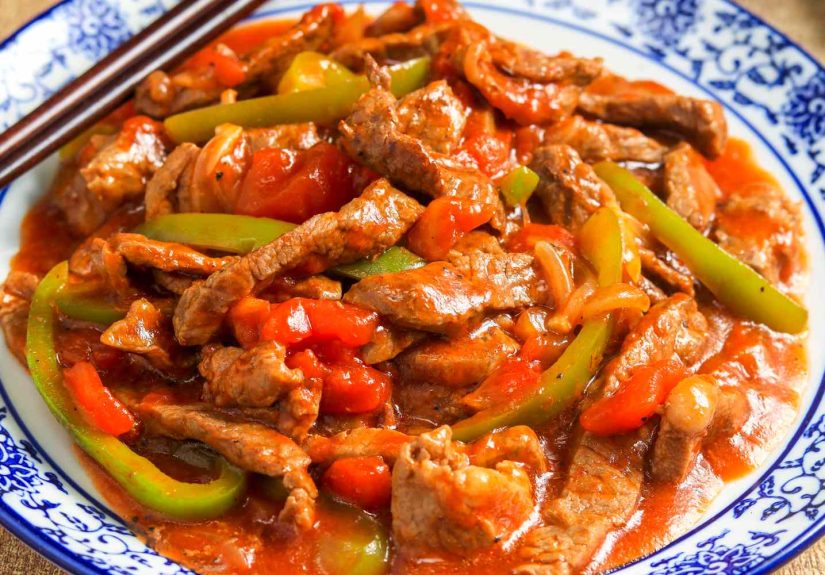
If dinner has been feeling a little too beige lately, pepper steak is here to rescue your skillet. This classic dish brings together tender beef, sweet bell peppers, onion, garlic, and a glossy savory sauce that clings to every bite like it knows exactly what it’s doing. And when you make it with sirloin tips, it becomes the kind of weeknight meal that tastes far fancier than the amount of effort required. That is the dream, really: maximum sizzle, minimum drama.
This pepper steak recipe with sirloin tips is built for home cooks who want bold flavor without turning the kitchen into a full-time restaurant shift. It is quick enough for a weekday, satisfying enough for a Sunday dinner, and flexible enough to work with what is already hanging out in the refrigerator. Serve it over rice, spoon it onto noodles, or eat it straight from the skillet while “just checking the seasoning.” No judgment here.
Why This Pepper Steak Recipe Works
The magic of pepper steak comes down to contrast. You get rich, meaty sirloin tips against crisp-tender peppers. You get sweet onion against salty soy sauce. You get a shiny sauce with just enough body to feel luxurious, but not so much that your dinner starts acting like pudding. In other words, this dish knows how to balance itself.
Sirloin tips are especially useful here because they are flavorful, relatively affordable, and quick to cook. They can go from raw to beautifully browned in minutes, which is excellent news for hungry people and terrible news for anyone hoping to spend all night washing pans. Cook them fast over high heat, keep the vegetables bright, and let the sauce tie everything together. That is the whole game plan.
What Is Pepper Steak?
Pepper steak is one of those dishes that has traveled through home kitchens, diners, takeout menus, and family recipe cards long enough to develop a few different personalities. Some versions lean Chinese American with soy sauce, ginger, garlic, and a stir-fry feel. Others go more old-school American comfort food with beef broth, Worcestershire sauce, and a thicker gravy-style finish. This version lands in the sweet spot between the two: savory, peppery, a little glossy, deeply comforting, and easy to make with pantry ingredients.
The result is not fussy and not fragile. It is the sort of dinner that forgives small improvisations. Red pepper instead of green? Great. Extra garlic? Excellent. Mushrooms? You are clearly living well. Pepper steak is generous that way.
Ingredients for Pepper Steak With Sirloin Tips
For the beef and vegetables
- 1 1/2 pounds sirloin tips, trimmed and cut into bite-size pieces
- 1 teaspoon kosher salt
- 1 teaspoon black pepper
- 1 tablespoon cornstarch
- 2 tablespoons neutral oil, divided
- 1 large green bell pepper, sliced
- 1 large red bell pepper, sliced
- 1 medium yellow onion, sliced
- 3 cloves garlic, minced
- 1 teaspoon fresh ginger, grated
For the sauce
- 1/3 cup low-sodium soy sauce
- 1 cup beef broth
- 1 tablespoon Worcestershire sauce
- 1 tablespoon brown sugar
- 1 tablespoon rice vinegar
- 1 tablespoon cornstarch
- 1/4 teaspoon crushed red pepper flakes, optional
This ingredient list keeps the flavor deep but approachable. The soy sauce delivers savory punch, the broth gives the sauce body, the brown sugar rounds out sharp edges, and the vinegar wakes everything up so the whole skillet does not taste sleepy. The cornstarch is the quiet hero, because it turns the sauce from “pleasant liquid” into “please hand me a spoon.”
How to Make Pepper Steak Recipe With Sirloin Tips
1. Season the beef
Pat the sirloin tips dry with paper towels. This matters more than people think. Wet beef steams. Dry beef sears. Toss the meat with salt, black pepper, and 1 tablespoon cornstarch. Let it sit for about 10 minutes while you prepare the peppers and onions. That short rest helps the seasoning settle in and gives the outside of the beef a better chance of browning.
2. Mix the sauce
In a bowl or measuring cup, whisk together the soy sauce, beef broth, Worcestershire sauce, brown sugar, rice vinegar, 1 tablespoon cornstarch, and red pepper flakes if using. Stir until smooth. Set it nearby, because once the skillet gets hot, everything starts moving fast.
3. Sear the sirloin tips
Heat 1 tablespoon of oil in a large skillet or wok over medium-high to high heat. Add half the beef in a single layer. Do not crowd the pan. If the pieces are stacked like commuters on a train, they will steam instead of brown. Sear for 1 to 2 minutes per side until the edges are caramelized but the centers are just shy of done. Transfer to a plate and repeat with the remaining beef.
4. Cook the peppers and onions
Add the remaining tablespoon of oil to the skillet. Toss in the bell peppers and onion. Cook for 3 to 5 minutes, stirring often, until the vegetables are bright and slightly tender but still have a little bite. Add the garlic and ginger and cook for 30 seconds more, just until fragrant. This is the point where the kitchen starts smelling like you absolutely know what you are doing.
5. Bring it all together
Return the beef and any juices on the plate to the skillet. Give the sauce another quick stir, then pour it in. Cook for 1 to 2 minutes, stirring constantly, until the sauce thickens and coats the beef and vegetables. Taste and adjust. Add a splash more soy sauce if you want it saltier, or a tiny splash of broth if you want it looser.
6. Serve hot
Serve the pepper steak immediately over steamed white rice, brown rice, jasmine rice, egg noodles, or even mashed potatoes if you want to take a detour into comfort-food country. Finish with sliced green onions or sesame seeds if you like. Then stand back, because people will gather.
Best Tips for Tender Pepper Steak
If you have ever made steak in a skillet and ended up with something that required the jaw strength of a wood chipper, here is the good news: pepper steak is fixable. A few simple habits make all the difference.
- Cut the beef into even pieces: Uniform size means even cooking.
- Do not overcrowd the skillet: Batch cooking is not glamorous, but it works.
- Use high heat: Sirloin tips benefit from a quick sear, not a long simmer.
- Add cornstarch lightly: A little helps with browning and sauce cling.
- Cook vegetables separately enough to stay colorful: Gray peppers are simply not the vibe.
- Do not overcook the beef: The meat keeps cooking when it goes back into the sauce.
If your sirloin tips are on the lean side, you can marinate them for 15 to 30 minutes in a little soy sauce, garlic, and a teaspoon of oil before cooking. That small step adds flavor fast without turning the recipe into a paperwork situation.
What Makes Sirloin Tips a Great Choice?
Sirloin tips have enough beefy flavor to stand up to peppers, onion, and a sauce with real personality. They are also easier on the budget than premium steak cuts, which makes them ideal for a family meal. When sliced or cut into small pieces and cooked quickly, they become tender enough to feel special while still being practical. Basically, sirloin tips are the overachievers of the beef case.
They also fit beautifully into the pepper steak format because this dish is all about quick, high-heat cooking. You are not braising for hours. You are building flavor in layers and finishing strong. Sirloin tips understand the assignment.
Easy Variations to Try
Add mushrooms
Mushrooms soak up the sauce and add a deeper savory note. Add them with the peppers and onions for a more earthy skillet.
Make it spicy
Increase the crushed red pepper flakes, add sliced jalapeño, or finish with chili crisp. Pepper steak can absolutely put on a little heat if invited.
Use more colors
Green peppers bring a slightly grassy bite, while red, orange, and yellow peppers add sweetness. Using a mix makes the dish prettier and rounder in flavor.
Swap the base
Rice is classic, but this recipe also works over lo mein noodles, cauliflower rice, or toasted sandwich rolls if you want a pepper steak sandwich situation. That is not traditional, but it is delicious, and delicious tends to win arguments.
What to Serve With Pepper Steak
Pepper steak is a main dish that likes company. Here are a few strong pairings:
- Steamed jasmine rice for a simple, soak-up-the-sauce classic
- Brown rice for a nuttier, heartier base
- Butter noodles for maximum comfort
- Roasted broccoli or green beans for extra vegetables
- Cucumber salad for something cool and crunchy on the side
If you are feeding a group, set out bowls of rice and let everyone build their own plate. It feels casual, it looks generous, and it cuts down on that awkward “who got all the peppers?” debate.
How to Store and Reheat Leftovers
Store leftover pepper steak in an airtight container in the refrigerator for up to 3 to 4 days. Reheat gently in a skillet over medium-low heat with a splash of broth or water to loosen the sauce. The microwave works too, but the skillet gives you better texture and makes the leftovers taste less like they have been through something.
You can also prep parts of the recipe ahead of time. Slice the peppers and onion, trim the sirloin tips, and mix the sauce a day in advance. Then dinner becomes a 20-minute event instead of a full production. Future you will be thrilled.
Common Mistakes to Avoid
Using low heat
Low heat makes the beef release moisture before it browns. That leads to a pale, gray result that tastes fine but looks like it needs a pep talk.
Adding the sauce too early
If the sauce goes in before the beef and vegetables have proper color, you miss out on flavor. Sear first, then sauce.
Cooking the peppers into submission
Pepper steak should have texture. The peppers should bend, not collapse.
Skipping the final taste test
Some broths are saltier than others. Some soy sauces are bolder. Taste before serving and adjust like the kitchen boss you are.
Frequently Asked Questions
Can I use top sirloin instead of sirloin tips?
Absolutely. Slice it thinly against the grain or cut it into small pieces. Top sirloin works beautifully in pepper steak.
Can I make pepper steak without soy sauce?
Yes, though the flavor changes. You can try coconut aminos for a milder sweetness, or use a reduced-sodium alternative if needed.
Can I freeze it?
You can, but the peppers may soften more after thawing. The flavor stays good, though, so it is still a useful freezer meal.
What is the best pan for pepper steak?
A large skillet, stainless steel pan, or wok works best. The bigger the surface area, the easier it is to brown the beef instead of steam it.
Pepper Steak in Real Kitchens: Experience, Lessons, and Little Victories
Pepper steak has a way of teaching people how much difference technique makes. On paper, it looks simple: beef, peppers, onion, sauce, done. In real life, it is one of those recipes that reveals kitchen habits almost immediately. The first time many home cooks make it, they toss all the meat in the pan at once, the heat drops, the juices pool, and suddenly the beef is simmering in its own disappointment. Then they try it again, this time in batches, and everything changes. The beef browns. The pan smells amazing. Confidence returns. Dinner is saved. This is why pepper steak is more than a recipe. It is practically a cooking class disguised as comfort food.
It is also a meal with a surprisingly high success rate for families. People who claim not to like peppers often discover they do, in fact, like peppers when those peppers are coated in a glossy beefy sauce. Rice-loving kids, steak-loving adults, and anyone who enjoys a skillet dinner with real flavor can usually find common ground here. Even picky eaters tend to negotiate with pepper steak. They might leave a few onions behind, but they show up to the table interested, and that already counts as a win.
Another real-life advantage is flexibility. Pepper steak is excellent when you follow the recipe closely, but it is equally useful when the refrigerator is giving “creative challenge.” One yellow pepper instead of two green? Fine. Half an onion and a lonely pack of mushrooms? Throw them in. A little extra broth because you want more sauce for rice? Smart move. This is the kind of meal that adapts without losing its identity. It still tastes like pepper steak. It just becomes your pepper steak.
Many cooks also discover that pepper steak gets better once they stop trying to make the beef the only star. The vegetables matter. The sauce matters. The texture matters. When the peppers stay a little crisp and the onions go silky around the edges, the whole dish feels balanced and intentional. That is the secret experience teaches most clearly: this is not just steak with stuff around it. It is a full skillet conversation, and every ingredient should get a line.
Then there are the leftovers, which deserve their own applause. Pepper steak reheats well, especially in a skillet with a splash of broth. The sauce loosens, the flavors settle in, and lunch the next day feels suspiciously well organized. Spoon it over fresh rice, tuck it into a wrap, or pile it into a toasted roll for a quick sandwich. Suddenly last night’s dinner is doing overtime in the best possible way.
Most of all, pepper steak tends to become a repeat recipe because it feels rewarding without being exhausting. It gives the satisfaction of searing steak, the color of fresh peppers, the comfort of a warm sauce, and the practicality of a one-pan style dinner. It tastes like effort, but not too much effort. And honestly, that may be the sweet spot for modern cooking: food that feels generous, tastes bold, and still leaves enough energy to enjoy the evening instead of recovering from the recipe.
Final Thoughts
If you want a dependable dinner that feels lively, satisfying, and just a little bit restaurant-ish, this pepper steak recipe with sirloin tips deserves a spot in your rotation. It is fast, flavorful, colorful, and flexible. It can go from weeknight staple to casual dinner-party favorite without changing its personality. And once you learn the simple rhythm of sear, sauté, sauce, and serve, it becomes one of those recipes you can make almost from memory.
So the next time you need a beef dinner that is big on flavor and low on fuss, let pepper steak step in. It has the sizzle, the sauce, and the confidence. All you have to do is bring a hot skillet.