Table of Contents >> Show >> Hide
- Meet the Pi Prime: Quick Overview
- Design and Build Quality
- Heating Power and Pizza Performance
- Ease of Use: From Box to First Pie
- Where the Pi Prime Shines
- Where the Pi Prime Falls Short
- Pi Prime vs Other Outdoor Pizza Ovens
- Who Is the Pi Prime Pizza Oven For?
- Pros and Cons at a Glance
- Final Verdict
- Real-World Pi Prime Experiences and Tips
If you’ve ever tried to bake pizza in a regular home oven and ended up with
a pale crust and cheese that looks tired instead of bubbly, the Pi Prime
pizza oven from Solo Stove probably caught your eye. It promises
restaurant-style Neapolitan pies in about 90 seconds, heats up fast, and
runs on easy, backyard-friendly propane. But is the Pi Prime really the
last pizza oven you’ll ever needor just another shiny stainless-steel toy
that eats up space on your patio?
In this in-depth Pi Prime pizza oven review, we’ll walk through its design,
performance, strengths, and weaknesses, plus how it stacks up against rival
outdoor pizza ovens. Then we’ll finish with some real-world insights and
tips so you know exactly what to expect before you roll out the dough.
Meet the Pi Prime: Quick Overview
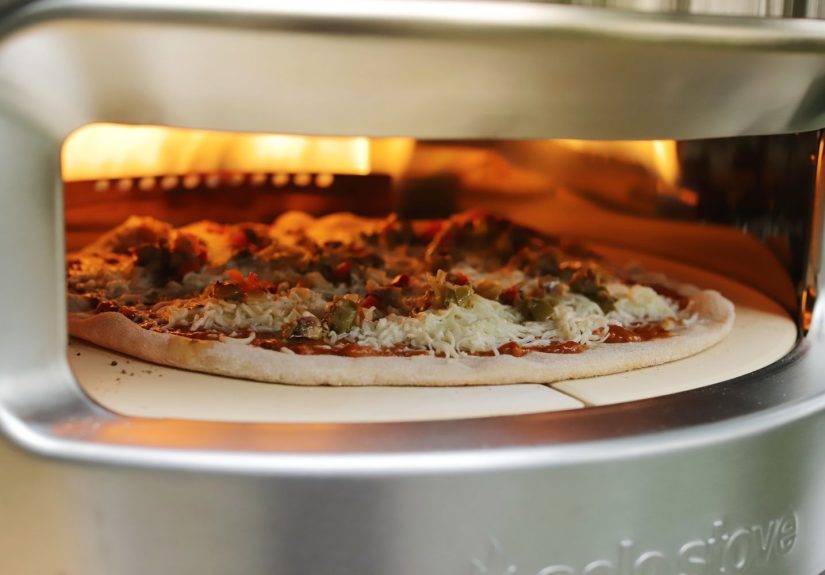
The Solo Stove Pi Prime is a compact, propane-fueled outdoor pizza oven
designed to make Neapolitan-style pizzas at home without the hassle of wood
fires or complicated setups. Solo Stove is known for its smokeless fire
pits, and the Pi Prime borrows that same sleek, brushed stainless-steel
aesthetic in a demi-dome oven that looks like it belongs in a modern
outdoor kitchen.
- Propane-fueled, with a front control knob for flame adjustment.
- Heats to about 450–500°F in roughly 15 minutes, with a max temp over 950°F according to Solo Stove.
- Uses a thick cordierite stone (in two halves) for crisp, blistered crusts.
- Panoramic front opening (about 13 inches wide) designed for 12-inch pizzas.
- Weighs around 30 pounds, so it’s portable but still substantial.
- All stainless-steel shell for durability and easier cleaning.
On paper, it’s positioned as the “easy button” of outdoor pizza ovens:
simpler than wood-fired setups, more powerful than a standard grill, and
more affordable than some high-end multi-fuel ovens.
Design and Build Quality
Stainless-Steel Demi-Dome Look
The first thing you notice is how polished the Pi Prime looks. The body is
made from 304 stainless steel, so it feels solid, not flimsy. The demi-dome
top helps concentrate heat and direct the flame across the ceiling of the
oven, which is key for those leopard-spotted Neapolitan crusts.
The oven sits on short legs, giving it enough clearance to stay stable on a
sturdy outdoor table. The lower band has vent holes around the front and
sides, with a single temperature/flame control knob in the center. The
design is minimal and cleanno clutter, no unnecessary knobs or
attachments. If you’re picky about how gear looks on your patio, the Pi
Prime definitely has “showpiece” energy.
Size, Weight, and Portability
With a diameter around 20.5 inches and a height of about 15.5 inches, the
Pi Prime is relatively compact compared with some large multi-fuel ovens,
yet it’s big enough to comfortably cook standard 12-inch pizzas. It weighs
just under 30 pounds, so you can move it with two handsportable enough for
tailgates or a friend’s backyard, but not something you’re going to casually
toss around one-handed.
The oven uses a two-piece cordierite stone you drop into the base. The
split design makes it easier to lift out for cleaning or replacement, and
it allows the stone to expand without cracking as the oven heats.
Panoramic Front Opening
The Pi Prime’s panoramic opening is wide but not overly tall. This helps
trap heat in the dome while still giving you enough room to slide pies in
and out with a peel. The opening design doubles as a window into the
action; you can watch the crust puff and char while you rotate the pizza.
Some reviewers note that the opening, while wide, is a bit tight vertically
when you’re learning to turn pies, but you quickly adjust your wrist
technique.
Heating Power and Pizza Performance
Real-World Preheat Times
Solo Stove advertises that the Pi Prime preheats to around 450–500°F in 15
minutes and can cook pizzas in as little as 90 seconds. In practice, many
testers have found that while you can technically start cooking at the
15-minute mark, the best Neapolitan-style results come when the stone is
closer to 750–800°F, which can take 30–45 minutes depending on ambient
temps and wind.
The upside is that once the stone is thoroughly saturated with heat, the Pi
Prime holds temperature very well. That means you can keep cranking out
pizzas for a crowd without massive temperature dips between pies.
Cooking Pizzas in 90 Seconds (Yes, Really)
When properly preheated, the Pi Prime excels at the core job: turning raw
dough into bubbly, blistered pies in about 90 seconds. The propane burner
runs along the back of the oven, creating a rolling flame that curls across
the dome and reflects onto the top of the pizza while the stone crisps the
bottom.
Reviewers from cooking and gear sites consistently highlight how evenly the
Pi Prime cooks once you get your rotation timing down. Many report getting
classic Neapolitan characteristics: charred, leopard-spotted crust; soft,
airy interior; and nicely melted cheese that doesn’t dry out.
Capacity and Limitations
The Pi Prime is designed for pizzas up to 12 inches. That’s perfect for
personal or “medium” pizzas, but you won’t be serving massive New York–style
18-inch pies from this oven. Several reviewers note that while the size is
limiting if you want huge pizzas, it’s very efficient for cooking several
smaller pies back-to-backideal for parties where everyone wants different
toppings.
It’s also important to know that the Pi Prime is propane-only. Unlike the
original Solo Stove Pi, which can run on wood or gas with the right
attachments, the Prime sacrifices wood-burning capability to deliver a
simpler, more budget-friendly design. If you’re obsessed with true
wood-fired flavor, that trade-off might matter.
Ease of Use: From Box to First Pie
Setup and Assembly
One of the biggest selling points of the Pi Prime is how beginner-friendly
it is. Setup is straightforward: you place the two stone halves inside the
oven, connect the included hose and regulator to a standard propane tank,
and you’re basically done. There’s no complex assembly, no extra tools, and
no puzzle of parts to decode.
Day-to-Day Operation
Lighting the oven feels similar to firing up a gas grill: turn on the gas,
ignite, set your flame dial, and wait for the stone to come up to
temperature. Once it’s hot, you launch your pizza with a peel, rotate it
every 20–30 seconds, and pull it when the crust and toppings look just
right.
The learning curve is much gentler than with wood-fired ovens. There’s no
managing logs, adjusting vents, or constantly babysitting the flame. You
still need to pay attention, but it’s more like driving an automatic car
than a stick shift.
Cleaning and Maintenance
Like most pizza ovens, the Pi Prime’s stone will collect flour and toppings
that burn over time. The usual routine applies: let the oven run hot to
burn off residue, then brush off ash and crumbs once everything cools.
Because the stone is split in two, you can lift it out for a deeper clean.
Some reviewers mention that crumbs can fall into cracks near the stone and
be a little annoying to reach, but this doesn’t seem to affect performance.
The stainless shell wipes down easily with a damp cloth once it has cooled
completely.
Where the Pi Prime Shines
Beginner-Friendly Neapolitan Pizza
If you’re new to outdoor pizza ovens, the Pi Prime removes a lot of
friction. It lights easily, holds a steady flame, and has a forgiving
cooking environment. Serious home cooks and reviewers often describe it as
one of the most approachable ways to get into high-heat pizza without
falling down a wood-fire rabbit hole.
Great Heat Balance
A common complaint with some pizza ovens is that the stone gets blazing hot
while the top stays underpoweredor vice versa. The Pi Prime earns praise
for its balance between bottom and top heat, delivering crisp yet tender
crusts without scorching or undercooked centers when used properly.
Compact, Stylish, and Durable
The combination of stainless-steel construction, modest footprint, and
smooth curves makes the Pi Prime look more like high-end outdoor decor than
a clunky piece of gear. It’s compact enough for smaller patios yet feels
robust enough to leave out (with a cover) for the season.
Where the Pi Prime Falls Short
Preheat Times Are Longer Than the Marketing Suggests
Can you cook pizza after 15 minutes? Yes. Will it be the best pizza this
oven can make? Probably not. Many experienced users and reviewers find that
you want closer to 30–45 minutes of preheating to get the stone hot enough
for consistent Neapolitan-style results, especially if you’re baking
multiple pies.
Propane Only, No Wood-Fired Option
The simplicity of propane comes at a cost: you lose the ability to cook
with wood. The original Solo Stove Pi can run on wood or gas with optional
accessories, while the Pi Prime is locked into propane only. If you dream
of smoky wood-kissed crusts and firewood rituals, that limitation may push
you toward another model.
Limited to 12-Inch Pizzas
The 12-inch maximum size will be just fine for many households, but large
families or true New York–slice fans may prefer a bigger oven. Some
testers note that the relatively small opening can also make rotating pies
slightly tricky at first, though it becomes second nature after a few
practice runs.
Pi Prime vs Other Outdoor Pizza Ovens
The outdoor pizza oven market is crowded, so where does the Pi Prime fit?
In Solo Stove’s own lineup, it sits as the more affordable, gas-only sibling
to the original Pi. The two are almost identical in footprint and stone
size; the main functional difference is that the original Pi can cook with
wood (with an attachment) while the Prime cannot.
When you look at other brands, the Pi Prime tends to undercut some premium
multi-fuel ovens on price while matching or coming close on performance.
Ovens like the large Ooni Koda 2 Max or high-end Gozney Dome series offer
bigger cooking areas, multi-fuel capabilities, and advanced temperature
controlbut they also cost significantly more and take up more space.
That’s really the Pi Prime’s niche: it’s for people who want serious pizza
performance without the premium price tag or complexity of a flagship,
multi-fuel beast.
Who Is the Pi Prime Pizza Oven For?
You’ll probably love the Pi Prime if:
- You want Neapolitan-style pizza at home without learning fire
management. - You like the idea of a dedicated pizza oven but don’t need giant,
18-inch pies. - You appreciate sleek, modern outdoor gear that looks good on the
patio. - You plan to host small-to-medium gatherings and crank out several
custom pizzas in a row.
On the other hand, you might be happier with a different oven if you
absolutely must have wood-fired flavor, need bigger pizza capacity, or are
already deep into the pizza-nerd lifestyle and want advanced controls and
multiple fuel options.
Pros and Cons at a Glance
Pros
- Excellent Neapolitan-style results once fully preheated.
- Beginner-friendly propane designno wood or complex airflow to manage.
- Compact, portable, and stylish stainless-steel build.
- Good balance of top and bottom heat for even cooking.
- Stone retains heat well for cooking multiple pizzas in a row.
Cons
- Real-world preheat times are longer than the marketing suggests.
- Propane onlyno wood-burning option.
- Limited to 12-inch pizzas; not ideal for very large pies.
- Cleaning crumbs from crevices can be a bit fiddly.
Final Verdict
The Pi Prime pizza oven hits a sweet spot for many home cooks: powerful
enough to deliver serious, pizzeria-quality pies, yet simple enough that
you don’t need a pizza PhD to operate it. It’s not the biggest, fanciest,
or most feature-packed oven on the market, but that’s exactly the point.
If you want an attractive, propane-powered outdoor pizza oven that can
reliably turn out bubbly, char-kissed 12-inch pies with minimal fuss, the
Pi Prime is an excellent choice. If you’re chasing wood-fired authenticity
or big-party capacity, you may want to look at multi-fuel or larger ovens.
For most backyard pizza nights, though, the Pi Prime is more than capable
of making you the most popular person on the block.
Real-World Pi Prime Experiences and Tips
Reading specs is one thing; using a high-heat pizza oven on a random
Saturday night is another. Here’s what living with a Pi Prime typically
looks like, based on common user experiences and best practices.
First, timing is everything. Many owners learn quickly that “pizza party at
6:00” really means “turn the Pi Prime on at 5:15.” Giving the stone extra
time to soak up heat is the difference between a crust that’s just okay and
one that’s crisp, airy, and beautifully spotted. A simple infrared
thermometer is your best friend hereaim for around 750–800°F on the stone
for classic Neapolitan-style pies.
Second, keep your dough relaxed and your toppings light. High-heat pizza
ovens like the Pi Prime reward a gentle hand. A well-hydrated dough, proofed
until it’s soft and puffy, will spring dramatically in the oven. Too much
sauce or cheese, and everything slides into a molten puddle before the
crust finishes. Many Pi Prime users end up with a “house dough” recipe they
always come back to: 00 flour, a simple water-yeast-salt mix, and an
overnight cold rise in the fridge.
Third, rotation matters more than people expect. In a 90-second bake, every
20–25 seconds is a big chunk of cooking time. With the Pi Prime, a quarter
turn every 20 seconds or so usually produces evenly cooked crust and
toppings. It can feel awkward at firstsliding the peel under the pizza
without tearing itbut after a few pies, your motions become smoother and
more confident.
Hosting with the Pi Prime is also easier than it looks. One popular
strategy is to prep a “topping bar”: bowls of sauce, cheese, pepperoni,
veggies, and fresh herbs. Guests assemble their own 10–12 inch pizza on a
floured board while you run the oven. Because each pizza cooks in roughly
90 seconds, people don’t wait long for their turn, and you get the fun of
being the designated pizzaiolo for the night.
You can also treat the Pi Prime as more than just a pizza machine. Many
users experiment with cast-iron pans in the ovensearing vegetables, baking
garlic knots, or even charring thin cuts of steak. The high dome heat is
excellent for roasting peppers and blistering asparagus. Just remember that
the stone is optimized for pizza, so line pans or use a trivet if you’re
worried about drips.
As for maintenance, a simple ritual keeps things in check: at the end of a
pizza session, let the oven run on high for a few minutes to burn off loose
flour and cheese. Once it cools, brush the stone, wipe the exterior, and
cover it. That ten-minute routine goes a long way toward keeping the Pi
Prime looking new and performing well.
Finally, the most important part of the Pi Prime experience is mindset.
Your first few pies may come out a bit too charred on one side or a little
pale in the center. That’s normal. High-heat pizza cooking is fast, fun,
and slightly chaotic. The oven will easily keep upit’s your timing and
technique that evolve with practice. After a couple of sessions, you’ll
wonder how you ever settled for frozen pizza or limp slices from a
conventional oven.
In short, the Pi Prime pizza oven is more than just a shiny gadget. For
many home cooks, it becomes a weekend ritual, a social magnet, and a
surprisingly versatile cooking tool. If you’re ready to trade takeout boxes
for flour-dusted countertops and the thrill of launching your own pies into
a roaring flame, the Pi Prime is an inviting place to start.