Table of Contents >> Show >> Hide
- Why Pickled Sweet & Hot Peppers Are So Addictive
- Best Peppers to Use
- The Flavor Formula: Sweet, Heat, Acid, and Crunch
- Quick Refrigerator Version vs. Shelf-Stable Canning
- How to Make Pickled Sweet & Hot Peppers at Home
- Important Safety Tips You Should Not Ignore
- Common Mistakes That Ruin Pickled Peppers
- How to Use Pickled Sweet & Hot Peppers
- Why This Ingredient Works So Well for Entertaining
- Final Thoughts
- Kitchen Experiences: Why Pickled Sweet & Hot Peppers Keep Showing Up in Real Life
- SEO Tags
If there were an official condiment for people who refuse to choose between “pleasantly sweet” and “hello, I need water,” it would be pickled sweet and hot peppers. They are bright, crunchy, tangy, colorful, and just dramatic enough to make an ordinary sandwich feel like it got promoted. A jar of these beauties can wake up burgers, tacos, grain bowls, antipasto platters, omelets, pizza, and that lonely leftover chicken sitting in your fridge wondering what it did wrong.
But great pickled peppers are not just about tossing sliced peppers into vinegar and hoping for the best. The best versions balance sweetness, heat, acidity, texture, and aroma. They keep the peppers snappy instead of sad, flavorful instead of flat, and bold instead of chaotic. That balance is why some jars disappear in two days while others linger in the back of the refrigerator like a culinary cautionary tale.
This guide breaks down what makes pickled sweet and hot peppers work, how to make them taste better, how to avoid common mistakes, and how to use them in ways that go far beyond “put some on a sandwich and call it dinner.” Though, to be fair, that is still an excellent plan.
Why Pickled Sweet & Hot Peppers Are So Addictive
The magic comes from contrast. Sweet peppers bring fruitiness, crunch, and color. Hot peppers add sharpness, personality, and that little spark that makes your taste buds sit up straighter. The brine ties everything together with acid, salt, and a little sugar, creating a flavor profile that is lively rather than one-note.
Pickling also changes the peppers in a very appealing way. Raw peppers can be grassy, sharp, or watery depending on the variety. Once pickled, they become more focused. Sweet peppers taste brighter. Hot peppers feel rounder and more usable. Garlic, mustard seed, peppercorns, or celery seed add subtle background notes, so the jar tastes layered instead of simply sour.
From an SEO standpoint and a kitchen standpoint, that makes pickled sweet and hot peppers a highly practical ingredient. They are flavorful, versatile, easy to store, and ideal for anyone searching for a pickled peppers recipe, sweet and spicy peppers, or refrigerator pickled peppers that earn a permanent place in the fridge.
Best Peppers to Use
Sweet Peppers
For sweetness and crunch, bell peppers are the obvious stars. Red, orange, and yellow bells bring the best natural sugar and the prettiest color. Mini sweet peppers are also fantastic because they are crisp, cheerful, and convenient. They slice into neat rings and look like edible confetti in the jar.
Hot Peppers
Jalapeños are dependable, accessible, and pleasantly punchy. Banana peppers and Hungarian wax peppers offer a gentler heat that plays nicely with sweeter varieties. Fresno peppers add vibrant color and a cleaner, brighter spice. If you want more attitude, add serranos in moderation. If you want your pickled peppers to remain friendly enough for normal humans, maybe do not treat habaneros like party confetti.
The Ideal Mix
The best jars usually combine both sweet and hot peppers. A good starting point is a mixture that leans heavily toward sweet peppers, then adds enough hot peppers to create energy without taking over. That way, the jar tastes balanced. You get sweetness first, acidity next, and heat that lingers just long enough to keep things interesting.
Texture matters too. Choose peppers that are firm, glossy, and free of soft spots. Limp peppers make limp pickles. Science can do many things, but it cannot turn a tired pepper into a crisp legend.
The Flavor Formula: Sweet, Heat, Acid, and Crunch
Truly great pickled peppers rely on four elements working together:
1. Acid
Vinegar provides the sharp backbone. Distilled white vinegar gives a clean, classic pickle flavor. Apple cider vinegar brings more rounded fruitiness. Either can work beautifully depending on the mood you want. White vinegar tastes bright and straightforward. Cider vinegar feels a little warmer and more rustic.
2. Sweetness
Sugar does not make the peppers taste like dessert. It smooths the edges and helps the sweet peppers taste more like themselves. Without enough sugar, the brine can feel harsh. With too much, it becomes a syrupy distraction. The goal is “sweet and hot,” not “candy with anger issues.”
3. Salt
Salt sharpens flavor and helps the brine taste complete. Pickling salt is often preferred because it dissolves cleanly and keeps the brine clear. It is a small detail, but clear brine looks better and gives the final jar a more polished, appealing finish.
4. Aromatics
Garlic is the classic move. Mustard seed, black peppercorns, coriander seed, bay leaf, celery seed, and even a little onion can deepen the flavor without crowding the peppers. The trick is restraint. The peppers should still be the main character. No one came for a jar of aggressively opinionated mustard seeds.
Quick Refrigerator Version vs. Shelf-Stable Canning
This distinction matters.
A quick pickled peppers or refrigerator-style recipe is the easiest route for most home cooks. You slice the peppers, heat a brine, pour it over the vegetables, cool the jar, and refrigerate. The flavor develops quickly, often tasting good within a day and even better after another day or two. This is perfect for weeknight cooks, small batches, and anyone who wants excellent peppers without turning the kitchen into a canning workshop.
A shelf-stable canned version is different. That version requires a tested canning recipe with safe acid proportions, the right jar size, correct headspace, and the proper processing time for your altitude. In other words, this is not the time for freestyle cooking. If you want pantry-stable pickled peppers, follow a trusted canning formula exactly. Do not reduce the vinegar, add extra low-acid vegetables, or improvise with oil unless the tested recipe specifically includes it.
Think of it this way: creativity is wonderful in playlists, outfit choices, and pizza toppings. In canning safety, creativity needs adult supervision.
How to Make Pickled Sweet & Hot Peppers at Home
Simple Refrigerator Method
For a small-batch refrigerator jar, start with about 1 pound of mixed sweet and hot peppers. Slice them into rings or strips, depending on how you plan to use them. Rings are excellent for burgers, sausages, and nachos. Strips work beautifully on sandwiches, platters, and grilled meats.
In a saucepan, combine vinegar, water, sugar, salt, and a few aromatics such as smashed garlic, mustard seed, and peppercorns. Bring the mixture just to a boil, stirring until the sugar and salt dissolve. Pack the peppers into a clean heat-safe jar, then pour the hot brine over them. Let the jar cool before refrigerating it.
That is the whole trick. No incense. No moonlight ceremony. No secret handshake.
After chilling, the peppers become punchier, more integrated, and more delicious. Sweet peppers keep their crunch while hot peppers mellow just enough to become broadly useful. Instead of a random pile of sliced peppers, you now have a multitasking condiment with excellent table manners.
Tips for Better Texture
Do not overcook the peppers in the brine. A brief contact with heat is enough. Overheating softens them too much and robs the jar of that satisfying snap. Slice evenly so everything pickles at the same pace. If you want extra crunch, use thicker slices and eat them within a reasonable time rather than letting them loiter in the refrigerator forever.
Important Safety Tips You Should Not Ignore
If you are working with hot peppers, wear gloves. Really. This is not kitchen overkill. Pepper oils can stay on your skin much longer than your confidence does, and touching your face afterward is a life lesson no one needs twice.
For canning, use recipes that specify the vinegar strength and the exact ingredient balance. Peppers are not naturally high-acid foods on their own, which is why the acid level of the brine matters so much. Safe pickling depends on that balance. If the recipe calls for 5% acidity vinegar, use that. If it gives a particular ratio of peppers to brine, keep it. That is the difference between “preserved properly” and “a jar full of optimism and risk.”
Also, understand that oils change the safety equation. Marinated pepper recipes that include oil need a tested formula designed for that purpose. Do not assume you can add a splash of oil to any pickled pepper recipe and still end up with something shelf-stable. Follow the directions exactly or keep it refrigerated.
Common Mistakes That Ruin Pickled Peppers
Using Too Many Hot Peppers
Heat is fun until it steamrolls flavor. If every bite tastes like a fire alarm, you lose the sweetness that makes these peppers special. Balance is the point.
Underseasoning the Brine
If the brine is all acid and no depth, the peppers will taste flat. A little garlic, a measured amount of sugar, and the right salt level make a huge difference.
Overloading the Jar
Packing peppers too tightly can make the brine circulate poorly and lead to uneven flavor. Leave enough space for the liquid to move around the peppers and do its job.
Ignoring the Intended Use
If you want burger toppers, slice rings. If you want charcuterie-board glamour, use long strips. If you want to chop them into tuna salad or pasta salad, a smaller dice makes more sense. Pickle with a purpose.
How to Use Pickled Sweet & Hot Peppers
Once you have a jar, the real fun begins. These peppers are wildly flexible.
- Layer them onto burgers, sandwiches, and wraps for crunch and acidity.
- Scatter them over pizza, flatbreads, or loaded nachos.
- Tuck them into tacos, burrito bowls, and grain bowls.
- Serve them with roast meats, sausages, or grilled chicken.
- Add them to antipasto platters, cheese boards, or picnic spreads.
- Chop them into potato salad, pasta salad, egg salad, or deviled egg filling.
- Use the brine to perk up salad dressings, sandwich spreads, or quick marinades.
They are especially useful when food feels too rich. Fried food, cheese-heavy dishes, roasted meats, creamy dips, and buttery sandwiches all benefit from the bright, tangy pop of pickled peppers. They cut through richness like a very stylish little sword.
Why This Ingredient Works So Well for Entertaining
If you cook for guests, pickled sweet and hot peppers are a sneaky power move. They look beautiful in a jar, add instant color to the table, and make everything around them taste more thoughtful. Set out a bowl beside grilled sausages, burgers, roast pork, or a cheese board, and people will assume you know what you are doing. Which, after reading this article, you absolutely do.
They also help you serve mixed crowds. The sweet peppers appeal to cautious eaters. The hot peppers thrill the spice lovers. Together, they create a jar that feels generous rather than niche. It is one condiment with broad social skills.
Final Thoughts
Pickled sweet and hot peppers are one of those kitchen staples that deliver far more than the effort they require. They are vivid, punchy, practical, and just fancy enough to make simple food feel intentional. Whether you make a quick refrigerator batch for sandwiches this week or follow a tested canning recipe for a pantry project, the payoff is the same: bright flavor on demand.
The secret is balance. Use fresh peppers. Respect the brine. Keep the sweetness lively, the heat controlled, and the acidity clean. And if you are canning, let science wear the chef hat. That is how you get a jar that is not only delicious, but dependable too.
Because when your food needs a little sparkle, a little crunch, and a little kick, few things beat a forkful of pickled peppers. They are sweet. They are hot. They are sharp. They are useful. And frankly, they make almost everything else on the plate look underdressed.
Kitchen Experiences: Why Pickled Sweet & Hot Peppers Keep Showing Up in Real Life
There is something oddly satisfying about making pickled sweet and hot peppers at home, and it has very little to do with perfection. In fact, the charm is usually the opposite. It is the sound of peppers hitting the cutting board. It is the bright smell of vinegar filling the kitchen like a wake-up call. It is the moment someone in the house asks, “What are you making?” and you get to answer, with unnecessary pride, “Something good.”
One of the most common experiences people have with pickled peppers starts with abundance. Maybe the garden went wild. Maybe the farmers market had a deal that was too good to pass up. Maybe you bought one bag of mini sweet peppers and somehow came home with four, which is a very believable thing to do when vegetables are shiny and optimism is high. Suddenly, you need a plan. Pickling is that plan.
Another familiar moment is realizing how useful the jar becomes once it is in the refrigerator. At first, it seems like a side project. Then it turns into the thing you reach for constantly. Eggs for breakfast? Add peppers. Turkey sandwich at lunch? Add peppers. Grilled chicken for dinner? Add peppers. They become the kind of ingredient that quietly upgrades meals without demanding attention. They are not the whole dish, but they are often the reason the dish works.
There is also a small thrill in watching people try them for the first time. Someone who claims they do not like spicy food will usually start with a sweet pepper slice, then go back for another, then take a hot one “just to compare,” and suddenly they are standing by the jar like they are conducting a very serious culinary investigation. Pickled peppers are sociable that way. They invite curiosity.
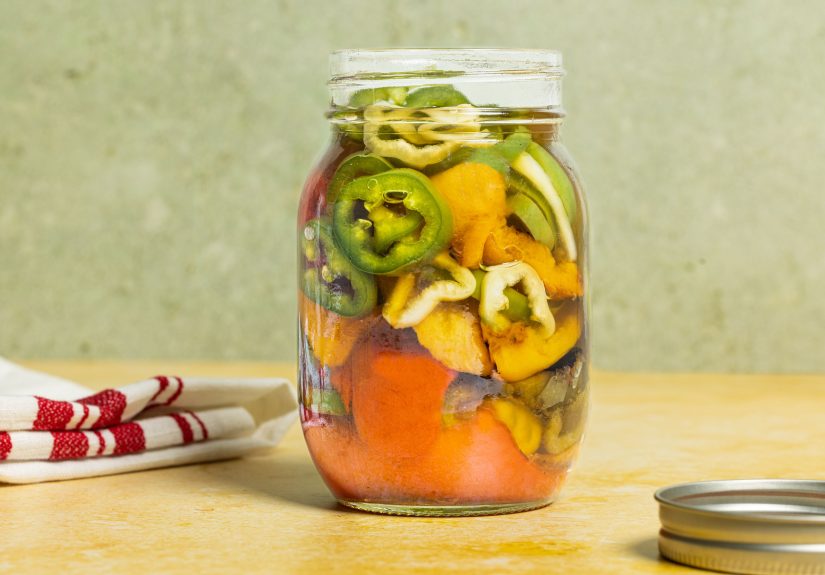
For home cooks, the process can become seasonal in the best possible sense. Late summer and early fall practically beg for a pepper project. The colors alone are enough to convince you. Red, yellow, orange, and green slices stacked in a glass jar look like edible stained glass. Even before the peppers are fully ready, the jar feels rewarding. It looks organized, productive, and delicious, which is more than can be said for most things on a Tuesday.
And then there are the inevitable little lessons. Slice the hot peppers before rubbing your eye? Regret. Pack the jar too tightly? Mild annoyance. Forget that the peppers taste sharper on day one than day three? Valuable information. Every batch teaches something, even when the lesson is simply that mustard seeds bounce farther than expected when dropped on a kitchen floor.
Perhaps the most enduring experience is how these peppers connect food to memory. A jar on the table can remind people of family cookouts, deli sandwiches, garden harvests, canning days with grandparents, or neighborhood pizza places that always knew the value of a good pepper topping. Pickled sweet and hot peppers are not fancy in a precious way. They are generous, practical, and deeply tied to everyday eating. That may be why people keep making them. They do not just preserve peppers; they preserve a certain kind of kitchen energybusy, bright, useful, and full of flavor.
So yes, pickled sweet and hot peppers are delicious. But they are also the kind of food project that makes a kitchen feel alive. And that, honestly, is reason enough to keep a jar around.