Table of Contents >> Show >> Hide
- First: what counts as a “pimple” on the breast?
- Common causes of pimples on breasts
- 1) Breast acne (aka: pores doing pore things)
- 2) Folliculitis (irritated or infected hair follicles)
- 3) Ingrown hairs
- 4) Friction, sweat, and “my bra started this” irritation
- 5) Contact dermatitis (reaction to products, detergent, or fabric)
- 6) Yeast or intertrigo (rash in warm, moist folds)
- 7) Hidradenitis suppurativa (HS)
- 8) Cysts, boils, or small skin abscesses
- 9) Bumps on/around the areola that aren’t pimples at all
- 10) Mastitis (mostly in breastfeeding, but included for completeness)
- How to tell what you’re dealing with (a practical checklist)
- How to get rid of pimples on breasts safely
- Step 1: Follow the “gentle, boring, effective” routine for 7–10 days
- Step 2: Consider an OTC acne approach (if it truly looks like acne)
- Step 3: If it looks like folliculitis, treat it like follicles are annoyed
- Step 4: If it’s itchy-red under the breast fold, think moisture control (and possibly antifungal)
- Step 5: If you suspect contact dermatitis, remove the trigger
- When to see a doctor (please don’t tough it out)
- Prevention tips that actually work in real life
- Experiences people commonly have (and what helps)
- Experience #1: “It shows up exactly where my sports bra sits.”
- Experience #2: “I thought it was acne… but it itched like crazy.”
- Experience #3: “It’s one big bump that hurts, and I want to pop it.”
- Experience #4: “It keeps coming back in the same place.”
- Experience #5: “It’s under the breast fold and gets worse in hot weather.”
- Conclusion
Finding a pimple on your breast can feel like your brain just hit the panic button. Totally understandable.
Here’s the good news: most “pimple-like” bumps on breast skin are caused by the same boring things that trigger
breakouts anywhere elseclogged pores, irritated hair follicles, sweat, friction, and sometimes yeast.
In other words, your chest isn’t plotting against you. It’s just… being skin.
This guide breaks down the most common causes of pimples on breasts, how to tell what you’re dealing with,
safe ways to calm things down, and the situations where a healthcare professional should take a look.
(Spoiler: “don’t squeeze it” is going to show up. Because it’s true. And because skin loves consequences.)
First: what counts as a “pimple” on the breast?
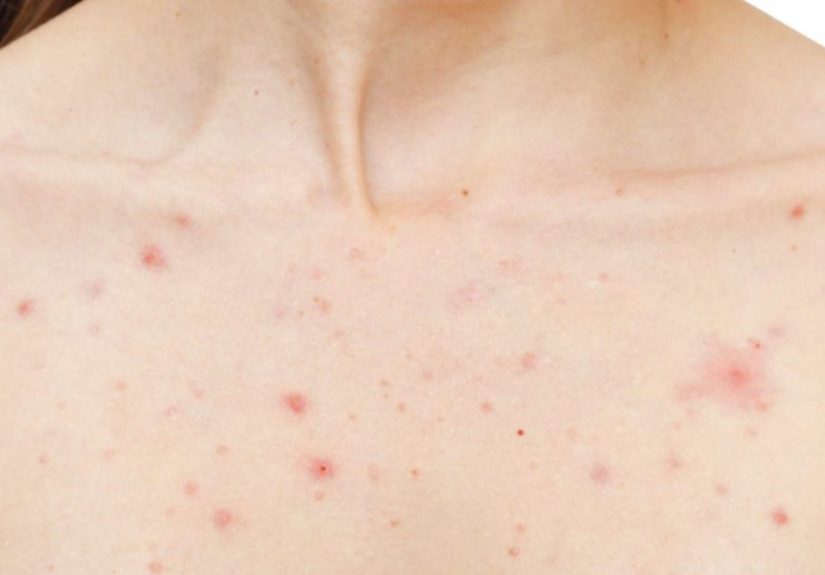
People often use “pimple” to describe any bumpwhiteheads, red bumps, tender lumps, tiny dots near the nipple,
or a rash that looks bumpy. The breast area can have:
- Typical acne pimples from clogged pores
- Folliculitis (inflamed or infected hair follicles)
- Ingrown hairs
- Heat and friction irritation (especially under/along the bra line)
- Yeast-related rashes in warm, moist folds
- Hidradenitis suppurativa (a chronic inflammatory condition that can cause recurring painful lumps)
- Benign “normal bumps” around the areola (like Montgomery glands)
Common causes of pimples on breasts
1) Breast acne (aka: pores doing pore things)
Acne can show up anywhere you have oil glandsyes, including the chest and breast area. A pimple forms when
a pore clogs with oil and dead skin, then becomes inflamed (or sometimes infected with bacteria that normally live on skin).
Hormone shifts (puberty, menstrual cycles, stress), sweat, and occlusion (tight bras, sports bras, sticky lotions) can all help acne set up camp.
Typical clues: small red bumps, whiteheads/blackheads, or a cluster of breakouts in areas that get sweaty or covered.
2) Folliculitis (irritated or infected hair follicles)
Folliculitis is a common reason for acne-like bumps. It happens when hair follicles get irritated or infected.
Friction from tight clothing, heat and sweat, shaving, and repeated rubbing can damage follicles and trigger bumps.
Typical clues: tiny red bumps or pus-tipped bumps centered around hairs, tenderness or itch, often after sweating or shaving.
3) Ingrown hairs
If you shave, wax, or use hair-removal creams on the chest area, hair can curl back into the skin and cause a bump that looks like a pimple.
Even without hair removal, friction can contribute.
Typical clues: a single bump with a visible trapped hair, tenderness, and irritation in an area where hair grows.
4) Friction, sweat, and “my bra started this” irritation
The breast area is a perfect storm for friction: bra seams, underwire, lace, tight elastic, and skin-on-skin contact.
Add sweat, and skin can become inflamed, chafed, or develop a bumpy rash.
Typical clues: irritation lines that match bra edges, soreness after workouts, bumps paired with redness or chafing.
5) Contact dermatitis (reaction to products, detergent, or fabric)
Sometimes the “pimples” are actually a rash caused by irritation from soaps, detergents, fabric softeners,
fragrances, body sprays, or even new bra materials.
Typical clues: itchy redness, small bumps, dryness/flaking, or a rash that appears after switching products.
It often shows up in a pattern where the product touched the skin.
6) Yeast or intertrigo (rash in warm, moist folds)
Yeast (Candida) loves warm, damp places. Under-breast skin folds (or anywhere sweat stays trapped) can develop a bright red rash that may look bumpy.
Intertrigo is the general term for skin inflammation in folds; yeast can join the party and make it worse.
Typical clues: redness under the breast, soreness or itch, a rash that worsens with heat/sweating, and sometimes a “shiny” look.
7) Hidradenitis suppurativa (HS)
HS is a chronic inflammatory condition that can cause painful lumps, recurring boils, and tunnels/scarring under the skin.
It tends to occur where skin rubs together (like armpits, groin, buttocks, and sometimes the breast/under-breast area).
Typical clues: recurring painful lumps in the same areas, drainage, scarring, or “flares” that come back over time.
HS is not caused by poor hygiene, and it’s not contagious.
8) Cysts, boils, or small skin abscesses
Some bumps feel deeper than a pimple. A clogged gland or infected follicle can develop into a boil or small abscess.
These can be more painful and swollen than typical acne.
Typical clues: a tender, warm lump; swelling; sometimes drainage; and increasing redness.
These deserve extra cautionespecially if the redness spreads or you have fever.
9) Bumps on/around the areola that aren’t pimples at all
The darker skin around the nipple (the areola) contains oil glands called Montgomery glands.
They can look like tiny bumps and are often completely normal.
Sometimes they can clog or get irritated, but their mere existence is not a problem.
10) Mastitis (mostly in breastfeeding, but included for completeness)
Mastitis is inflammation of breast tissue, often related to breastfeeding, and can involve infection.
It typically causes pain, warmth, swelling, and sometimes fever or chills.
If you’re breastfeeding and notice these symptoms, it’s worth contacting a clinician promptly.
How to tell what you’re dealing with (a practical checklist)
Use these clues to narrow it down:
- Mostly itch + rash after a new product/detergent? Think contact dermatitis.
- Small bumps after sweating/tight clothing? Think acne, friction irritation, or folliculitis.
- Bumps centered on hairs or after shaving? Think folliculitis or ingrown hair.
- Red, sore rash under the breast fold? Think intertrigo and possibly yeast.
- Recurring painful lumps that come back? Consider HS and get evaluated.
- Fever, rapidly spreading redness, or severe pain? Think infectionseek care quickly.
How to get rid of pimples on breasts safely
Step 1: Follow the “gentle, boring, effective” routine for 7–10 days
- Don’t squeeze or pop. The breast area can get irritated easily, and squeezing raises infection risk and scarring risk.
- Cleanse gently once daily. Use a mild, fragrance-free cleanser. Avoid harsh scrubs (they can worsen irritation and folliculitis).
- Use warm compresses. A clean, warm (not hot) washcloth for 10–15 minutes can reduce discomfort and help bumps calm down.
- Reduce friction and sweat. Wear breathable bras, change out of sweaty clothes promptly, and avoid tight seams rubbing the area.
- Skip heavy oils and fragranced lotions. They can clog pores or irritate skinespecially near the areola.
Step 2: Consider an OTC acne approach (if it truly looks like acne)
If you’re seeing classic acne (whiteheads/red pimples) on the breast skin (not directly on the nipple),
an over-the-counter acne ingredient can helpcarefully.
- Salicylic acid can help unclog pores. Start with a low-strength wash or spot product and use it a few times per week.
- Benzoyl peroxide washes can help with acne and folliculitis-type bumps. Start low and rinse well; it can be drying and can bleach fabric.
Important: The skin near the nipple/areola can be more sensitive. Avoid applying strong acne products directly on the nipple,
and stop if you get burning, peeling, or worsening irritation.
Step 3: If it looks like folliculitis, treat it like follicles are annoyed
- Pause shaving/waxing until the area clears.
- Warm compresses once or twice daily can ease discomfort.
- Keep the area clean and dry and avoid tight clothing rubbing the bumps.
- Seek care if bumps are spreading, very painful, or not improvingtopical or oral medication may be needed.
Step 4: If it’s itchy-red under the breast fold, think moisture control (and possibly antifungal)
For intertrigo/yeast-prone rashes, the goal is to reduce moisture and friction.
Keeping the area dry (gently) matters a lot.
- Dry thoroughly after showering (pat, don’t rub).
- Breathable bras and changing sweaty clothing quickly help prevent flares.
-
OTC antifungal creams (commonly used for yeast) may help if symptoms match yeast,
but it’s best to confirm with a clinician if you’re unsureespecially if it’s your first time dealing with this.
Step 5: If you suspect contact dermatitis, remove the trigger
If the timing matches a new detergent, body wash, perfume, lotion, or fabric, go “back to basics”:
fragrance-free detergent, gentle cleanser, and soft breathable fabric for a couple of weeks.
If itching is intense or the rash is widespread, get medical adviceespecially before using steroid creams on sensitive areas.
When to see a doctor (please don’t tough it out)
Most pimples and bumps improve with gentle care. But you should contact a healthcare professional if you have:
- Fever, chills, or feeling sick along with breast redness or pain
- Rapidly spreading redness, warmth, swelling, or a very tender lump
- Pus drainage or a bump that seems like an abscess/boil
- A bump that doesn’t improve in 2–3 weeks or keeps returning
- Significant skin changes like thickening/dimpling or “orange peel” texture
- Redness covering a large portion of the breast, especially if it appeared quickly
Those last two aren’t meant to scare youthey’re simply “don’t wait” signs. Rarely, certain breast conditions can mimic infection or rash,
and it’s better to get checked than to play medical detective alone.
Prevention tips that actually work in real life
- Change out of sweaty bras fast (especially sports bras).
- Wash bras regularly with fragrance-free detergent if you’re prone to irritation.
- Choose breathable fabrics and avoid seams that rub in the same spot all day.
- Shower after workouts (or at least rinse and change) to reduce follicle irritation.
- Go gentleharsh scrubbing can trigger more bumps, not fewer.
- Don’t pick (your future skin will thank you).
Experiences people commonly have (and what helps)
Below are real-world, very common “this happened to me” scenarios that come up in clinics, gyms, and group chats everywhere.
If you see yourself in one of these, you’re not aloneand you’re definitely not “gross.” You’re human with skin.
Experience #1: “It shows up exactly where my sports bra sits.”
You start working out more, or you switch to a tighter sports bra for better support. A week later: bumps along the bra line,
maybe a few tender pimples between or under the breasts. The pattern matches the pressure pointselastic band, seams, underwire, or the spot that stays damp.
What helps most is not a fancy 12-step routine; it’s friction control. People often get relief by changing into a dry bra immediately after exercise,
choosing breathable fabric, washing sports bras after each wear, and using a gentle cleanser in the shower. Warm compresses can calm angry bumps,
and an acne wash used carefully (not too often) can help if it’s true acne or folliculitis.
Experience #2: “I thought it was acne… but it itched like crazy.”
Itchy bumps that flare after laundry day are a classic plot twist. Many people realize the timing matches a new detergent, fabric softener,
scented body wash, perfume, or even a new bra with a scratchy lace panel. The fix usually starts with removing the trigger:
fragrance-free detergent, skipping softeners, and switching to simple skincare for a couple of weeks.
If the rash is intense or spreading, it’s worth checking in with a clinicianbecause treating dermatitis like acne can make it worse.
Experience #3: “It’s one big bump that hurts, and I want to pop it.”
This is the moment your fingers become the main characterand honestly, they should not be.
A deeper, painful lump can be a boil, inflamed follicle, or a small abscess. Squeezing can push infection deeper and worsen swelling.
People often do better with warm compresses (a few times a day), avoiding friction, and watching for signs that it’s escalating
(spreading redness, increasing pain, fever, or drainage). Many folks feel relieved after seeing a clinician because the right treatment
(sometimes topical medication, sometimes drainage, sometimes antibiotics) is faster and safer than DIY “operation: bathroom mirror.”
Experience #4: “It keeps coming back in the same place.”
Recurring painful lumps are frustratingand they can feel unfair, like your skin is holding a grudge.
When bumps repeatedly flare in the same areas (especially where skin rubs: under-breast folds, armpits, groin), it’s a sign to consider
conditions like hidradenitis suppurativa (HS). People often describe cycles: tender lump → swelling → maybe drainage → then it calms down… until it returns.
Getting evaluated matters because HS has specific treatment options and skin-care strategies that are different from typical acne routines.
Many people also feel a huge emotional relief just having a name for what’s happening (and a plan).
Experience #5: “It’s under the breast fold and gets worse in hot weather.”
Heat + sweat + skin folds can lead to intertrigo and sometimes yeast involvement. People often notice it flares in summer,
after long days, or during travel. It may feel sore, itchy, and look very red. The most helpful changes are usually practical:
keeping the area dry, wearing breathable bras, changing out of damp clothing, and gently drying after showers.
If yeast is part of it, a clinician may recommend an antifungal approachand many people improve quickly once the right cause is targeted.
The big lesson from this experience is that “more scrubbing” rarely helps; moisture control does.
Conclusion
Pimples on breasts are usually caused by common skin issuesacne, folliculitis, friction, irritation, or yeast in warm, moist areas.
The safest first steps are gentle cleansing, warm compresses, avoiding squeezing, and reducing sweat and friction.
If bumps are painful, spreading, recurring, or paired with fever or major skin changes, get checked by a healthcare professional.
Your goal isn’t to “win against your skin.” It’s to calm it down, protect it, and know when it deserves backup.



![How Each Generation Shops in 2024 [New Data from Our State of Consumer Trends Report]](https://gearxtop.com/wp-content/uploads/2026/03/how-each-generation-shops-in-2024-new-data-from-our-state-of-consumer-trends-report-mnIzi0Br-thumb.jpg)