Table of Contents >> Show >> Hide
- What Are Pine Green Pembroke Stripe Linen Pillowcases, Exactly?
- Why Linen Pillowcases Feel Different (And Why People Get a Little Obsessed)
- Why Pine Green + Stripes Work in Real Bedrooms
- 100% Linen vs Linen-Cotton Blend: Which Should You Choose?
- Fit, Closures, and Sizes: Avoid the “Stuffed Sausage” Pillow
- How to Care for Linen Pillowcases Without Becoming a Laundry Scientist
- Styling Recipes: Three Easy Bed Looks Using Pine Green Stripes
- What to Look for When Buying Linen Pillowcases
- FAQ
- of Real-World Experiences with Pine Green Pembroke Stripe Linen Pillowcases
- Conclusion: Small Upgrade, Big Bedroom Energy
- SEO Tags
Some people buy bedding because they’re “due.” Others buy it because one glance at their pillowcases makes them
feel like they’re sleeping in a sad, wrinkled sandwich bag. If you’re in the second camp, welcomeyou’re among friends.
And if you’ve been eyeing Pine Green Pembroke Stripe Linen Pillowcases, you’re not just shopping for fabric.
You’re shopping for a whole vibe: crisp stripes, deep evergreen color, and that relaxed linen texture that says,
“Yes, I have my life together,” even if you ate cereal for dinner.
This guide breaks down what makes these pillowcases special, how linen actually behaves in real bedrooms (spoiler: it gets better),
how to style pine green stripes without turning your bed into a referee uniform, and how to wash them without accidentally
shrinking your dreams.
What Are Pine Green Pembroke Stripe Linen Pillowcases, Exactly?
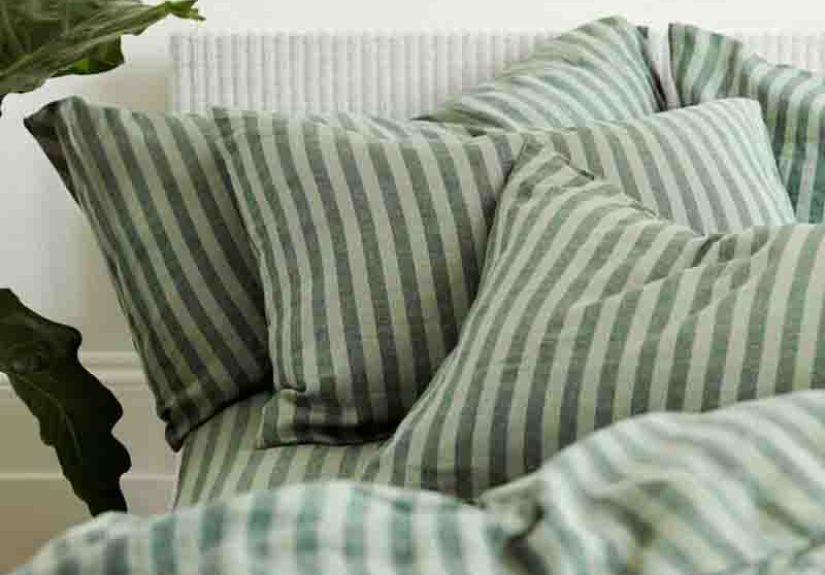
“Pembroke Stripe” is basically shorthand for a bold, deck-chair-inspired stripe patternclean lines that feel classic,
a little coastal, and quietly preppy. The “Pine Green” colorway lands in that sweet spot between dramatic and soothing:
richer than sage, softer than black, and more interesting than yet another beige “oatmeal cloud” neutral.
In the U.S. market, this style is commonly sold as a pair of pillowcases with a neat envelope closure
(so your pillow doesn’t peek out like it’s trying to escape). Depending on the exact version, you’ll typically see either:
- 100% linen (European flax) for the full linen look and feeltextured, breathable, and naturally rumpled in a good way.
- Linen-cotton blend (often around 55% linen / 45% cotton) for a smoother hand-feel while keeping linen’s airy personality.
Many premium linen pillowcases are pre-washed to feel softer right away and to reduce post-purchase surprises like major shrinkage or
color shock. And if you see OEKO-TEX® Standard 100, that’s a widely used textile safety certification indicating the fabric is tested
for certain harmful substancesgood peace of mind for something you press your face into for hours.
Why Linen Pillowcases Feel Different (And Why People Get a Little Obsessed)
1) Linen breathes like it has a personal fan club
Linen comes from flax fibers, and the structure of the fiber plus common linen weaves allow for strong airflow. Translation:
if you run warm at night, linen often feels less “clingy” than tighter, smoother fabrics. That doesn’t mean it’s icyjust less
likely to trap heat like a tiny blanket wrapped around your head.
2) It handles moisture like a grown-up
Pillowcases deal with sweat, skincare, damp hair, and the occasional “I fell asleep with my hair still wet” decision.
Linen is often praised for moisture-wicking and quick-drying comfort, which can feel fresherespecially in humid weather.
3) Linen is durable, and it softens over time
The first touch of linen can surprise people. It’s not slippery. It’s not “hotel-sateen glossy.” It’s textured.
But here’s the magic trick: linen tends to soften with washing and use, and quality linen holds up well when cared for properly.
The long-game comfort is one reason linen bedding has such a loyal following.
4) The “rumpled” look is basically built-in permission to relax
Linen’s casual creasing is a feature, not a flaw. Pine green stripes look especially good with a little lived-in texture because the pattern
stays crisp while the fabric stays laid-back. In other words: structured enough to look intentional, relaxed enough to look human.
Why Pine Green + Stripes Work in Real Bedrooms
Pine green is one of those rare colors that can read both cozy and elevated. It plays nicely with warm woods, brass, cream walls,
and even black accents. The stripe adds rhythmlike a tailored blazer for your bedwithout needing a full room makeover.
Easy pairing ideas (no design degree required)
- Clean + modern: White duvet, pine green striped pillowcases, black reading lamp, one piece of simple wall art.
- Coastal but not cheesy: Sand/ivory linen duvet, pine green stripes, a textured knit throw, and a natural jute rug.
- Vintage-prep: Pine green stripes + a navy throw blanket + a small plaid lumbar pillow (keep the plaid subtle).
- Warm and earthy: Terracotta accent pillow + pine green stripes + off-white sheets for contrast.
Pro tip: stripes already bring pattern. If you add more prints, stick to one extra “supporting actor” pattern (like a tiny check or a soft floral),
not a whole ensemble cast.
100% Linen vs Linen-Cotton Blend: Which Should You Choose?
Both can be great. The right choice depends on what you want your pillowcases to feel like at 11:47 p.m. when you’re judging your life choices.
Choose 100% linen if you want:
- A more classic linen texture and drape
- Maximum breathability and that “cool, dry” feel
- A fabric that tends to get better with age (like a good cast-iron pan, but softer and less dangerous)
Choose a linen-cotton blend if you want:
- A smoother feel from day one
- A slightly more “polished” look with less obvious texture
- A nice middle ground if you’re linen-curious but not ready to commit
Either way, pine green stripes look sharp. The difference is mostly hand-feel, drape, and how quickly you get to “wow, this is cozy.”
Fit, Closures, and Sizes: Avoid the “Stuffed Sausage” Pillow
Even beautiful pillowcases can look awkward if the size is off. In U.S. sizing, pillowcases are typically labeled
Standard, Queen, or King (and sometimes Square/Euro).
Match the label to your pillow insert, and if you’re between sizes, lean toward a slightly roomier fit for linenespecially if you like a relaxed look.
The envelope closure is a practical win: it hides the pillow end neatly without zippers, buttons, or that one missing button you’ll
never replace (honesty moment).
How to Care for Linen Pillowcases Without Becoming a Laundry Scientist
Linen is easier than it looks, but it does have strong opinions about heat and harsh chemicals. Here’s the care approach that keeps pillowcases looking
good and feeling great over time.
Washing: gentle is the goal
- Water temperature: cold to lukewarm/warm (avoid hot if you’re trying to prevent shrinkage and fiber stress).
- Cycle: gentle/delicate helps protect natural fibers.
- Detergent: mild liquid detergent; skip optical brighteners if you want to protect color depth.
- Avoid: bleach and fabric softener (softeners can coat fibers and reduce absorbency/breathability over time).
- Sort smart: wash with similar colors and similar-weight fabrics to prevent snagging and abrasion.
Drying: low heat, less drama
- Best option: line dry or air dry flat (longest life, least shrink risk).
- Dryer option: use low heat and remove while slightly damp, then finish air drying to minimize shrinkage.
- Wrinkles: embrace them, or use steam/low-pressure ironing if you want a crisper look.
How often should you wash pillowcases?
Most hygiene advice lands around weekly for sheets, with pillowcases often benefiting from more frequent changesespecially if you use hair products,
have oily skin, or live in a humid climate. If you want a simple habit: keep a second pair so you can swap fast and wash later.
Styling Recipes: Three Easy Bed Looks Using Pine Green Stripes
1) “Boutique Hotel, But Make It Cozy”
- White or ivory duvet cover
- Pine Green Pembroke Stripe linen pillowcases as the main accent
- One solid throw in charcoal, cream, or deep navy
- Optional: a single textured cushion (bouclé, knit, or linen)
2) “Cabin Weekend (Without the Splinters)”
- Warm neutral sheets (cream, sand, light taupe)
- Pine green stripe pillowcases + a solid pine green or olive sham behind them
- Wool or waffle-knit blanket folded at the foot of the bed
- Wood bedside table + warm light bulb = instant cozy
3) “Coastal Stripe, Grown-Up Edition”
- Stonewashed linen duvet in white, oatmeal, or pale gray
- Pine green stripes to bring the deck-chair energy
- One accent in sandy tan or muted blue (keep it soft)
- Natural texture nearby: rattan basket, linen curtain, or jute rug
What to Look for When Buying Linen Pillowcases
If you’re comparing options (or trying to justify the purchase to yourself like it’s a courtroom drama), these are the details that matter most:
- Fiber content: 100% linen vs linen blend affects feel, drape, and how “linen-y” the texture is.
- Pre-washed/garment-washed: usually means softer out of the package and less dramatic shrink surprises.
- Certifications: OEKO-TEX Standard 100 is a common safety signal for bedding textiles.
- Construction: envelope closure, tidy seams, and consistent stitching (boring details, big payoff).
- Return policy: because bedding is personal, and your face has standards.
FAQ
Will linen pillowcases feel scratchy?
High-quality linen can feel crisp at first, but it typically softens with washing and use. If you want softness immediately,
a linen-cotton blend is often the faster path. If you want the “gets better every month” experience, 100% linen is the classic choice.
Are linen pillowcases good for hot sleepers?
Linen is often recommended for people who sleep warm because it’s breathable and manages moisture well. If overheating is your nightly sport,
linen pillowcases can be a simple, noticeable upgrade.
Do stripes fade?
Color longevity depends on dye quality and how you wash. Gentle cycles, mild detergent, and avoiding high heat help keep pine green looking rich.
Pre-washed fabrics often hold up well, but “treat it kindly” is still the move.
Do I have to iron linen pillowcases?
Only if your soul requires it. Linen’s relaxed texture is part of the charm. If you like a cleaner look, remove from the dryer slightly damp and smooth by hand,
or use a steamer.
of Real-World Experiences with Pine Green Pembroke Stripe Linen Pillowcases
Here’s what people commonly notice when they bring Pine Green Pembroke Stripe linen pillowcases into everyday lifeno fantasy “my home is always spotless” storyline required.
Night one: the stripes look sharper than you expected. Pine green reads “calm” in warm lamp light and “crisp” in daylight, which is a rare and powerful combo.
The fabric feels airy, not slickmore like a cool shirt than a shiny ribbon. If you’re used to ultra-smooth cotton sateen, the texture may surprise you at first,
but it’s not rough in a sandpaper way. It’s more “natural fiber with personality.”
Morning one: you wake up and the pillowcases have that gently rumpled, magazine-but-real-life look. The stripes help the bed look made even if you did the
classic “pull duvet up and hope for the best” maneuver. That’s the stealth superpower of a bold stripe: it gives the eye something to focus on, so minor wrinkles stop being
the main character.
Week one: you start noticing the comfort details. Linen tends to feel less clingy when the room is warm, and many people describe it as “dryer” on the face,
especially if they’re prone to waking up sweaty or living somewhere humid. It’s also common to like the envelope closure more than expectednothing pokes, nothing zips,
and your pillow doesn’t drift halfway out by morning like it’s trying to leave the relationship.
Wash one: the first wash is where linen starts its glow-up. People often report it softens noticeably after laundering, especially if it’s pre-washed to begin with.
The best feeling is pulling them out when they’re slightly damp and smoothing them flatsuddenly the stripes look extra clean, and the fabric feels more pliable.
If you’ve ever battled shrinkage, you become a low-heat evangelist at this point. You may not become a laundry influencer, but you will absolutely say the words,
“I’m removing these while they’re still a little damp.” Out loud. To no one.
Month one: the pillowcases begin to feel “broken in,” like your favorite shirt that fits better every time you wear it. Pine green also proves surprisingly flexible:
it looks classy with white, grounded with beige, and dramatic with charcoal. Guests tend to comment on the color first (“That green is so good”) and the texture second
(“Is this linen?”). And you’ll do the modest shrug while internally accepting your award for Adulting.
Longer term: the biggest joy is how low-maintenance the look becomes. Linen doesn’t demand perfection. It rewards consistency: wash gently, avoid harsh chemicals,
keep heat low, and it keeps getting softer. Over time, the stripes become part of your bedroom’s identitylike a signature scent, but for people who prefer textiles to candles.
Conclusion: Small Upgrade, Big Bedroom Energy
Pine Green Pembroke Stripe Linen Pillowcases are the kind of bedding upgrade that changes the feel of a room without demanding a whole redesign.
You get bold pattern without chaos, a rich green that works year-round, and linen comfort that tends to improve as you live with it.
If you want bedding that looks intentional, feels breathable, and gets softer with time, these pillowcases are a smart move. Just treat them kindly in the wash,
keep dryer heat low, and enjoy the fact that your bed can look styled even on days when you absolutely are not.