Table of Contents >> Show >> Hide
- What Is a Plant Encyclopedia?
- How to Read a Plant Profile Like a Pro
- Plant Encyclopedia by Major Plant Categories
- How to Use a Plant Encyclopedia Before You Buy Anything
- Common Plant Care Mistakes a Good Encyclopedia Helps You Avoid
- Mini Plant Encyclopedia: Popular Example Entries
- Why a Plant Encyclopedia Still Matters in the Internet Age
- Experiences With a Plant Encyclopedia: What Gardeners Learn in Real Life
- Conclusion
If plants came with subtitles, life would be easier. A pothos would whisper, “Bright, indirect light, please.” A basil plant would yell, “Water me before I become garnish by accident.” And a cactus would simply stare at you with the quiet confidence of a plant that knows it needs very little and still gets blamed for everything.
That is exactly why a plant encyclopedia matters. It is more than a list of leaves with fancy Latin names. A good plant encyclopedia helps you identify plants, understand how they grow, choose the right plant for the right place, and avoid turning your living room or backyard into a botanical crime scene. Whether you are building a lush indoor jungle, planning a pollinator-friendly yard, or just trying to keep one innocent fern alive through next Tuesday, understanding plants starts with reliable information.
This guide works like a modern, practical plant encyclopedia. Instead of dumping a thousand species on your lap and wishing you luck, it explains how to read plant information, how different plant groups behave, and how to match plants to your home, garden, and climate. Think of it as the cheat sheet your future favorite plant would write for you if it had Wi-Fi.
What Is a Plant Encyclopedia?
A plant encyclopedia is a reference guide that organizes plant information in a way gardeners, homeowners, students, and curious plant people can actually use. It usually includes a plant’s common name, scientific name, growth habit, light and water needs, soil preferences, size at maturity, bloom time, hardiness zone, native range, and common problems.
In other words, it answers the questions that matter before and after you bring a plant home. Will it fit the space? Does it want full sun or the kind of filtered light your apartment gets for 47 minutes a day? Will it tolerate drought? Is it a good pick for pollinators? Does it spread politely, or does it behave like it is trying to annex the whole flower bed?
The best plant encyclopedia entries also help you see patterns. Once you learn that many succulents prefer fast-draining soil and that many tropical houseplants prefer humidity and indirect light, you stop treating every plant the same. That is a huge step toward healthier growth and far fewer panic searches for “why is my plant dramatic.”
How to Read a Plant Profile Like a Pro
1. Start with the name
Common names are useful, but they can also be wonderfully chaotic. More than one plant may share the same common name, which is why the scientific name matters. It gives you a precise identity and makes it easier to find accurate care information. A plant encyclopedia uses both because gardeners need clarity, not confusion with extra foliage.
2. Check the hardiness zone
If you garden outdoors, hardiness zones are your reality check. These zones help estimate whether a perennial plant can survive winter in your area. A plant may be gorgeous in a catalog and completely wrong for your climate. That is not a personal attack. It is just horticulture being honest. Use zone information before buying trees, shrubs, and perennials, especially when planting for the long haul.
3. Match light to location
Light requirements are where plant dreams live or die. Full sun usually means at least six hours of direct sun. Partial sun or part shade means the plant can handle less. Bright indirect light, a favorite phrase in houseplant care, means strong light without harsh direct rays blasting the leaves. A plant encyclopedia translates these labels into something useful, so you do not place a sun-loving herb in a dim corner and then wonder why it looks personally offended.
4. Understand water and soil
Many plant problems are not mysteries. They are moisture problems wearing a fake mustache. Some plants like evenly moist soil, while others need the soil to dry between waterings. Soil type also matters. Fast-draining soil suits succulents and cacti, while rich, organic soil is ideal for many vegetables, annuals, and woodland plants. A plant encyclopedia helps you avoid the most common mistake in gardening: giving every plant the same drink and hoping for the best.
5. Pay attention to mature size
That adorable little shrub at the nursery may one day become an eight-foot hedge with boundary issues. Mature height and width matter for spacing, pruning, airflow, and visual balance. Plants do not stay cute and tiny forever. Some do, but most are just lulling you into a false sense of landscaping confidence.
Plant Encyclopedia by Major Plant Categories
Houseplants
Houseplants are often the gateway into the plant world. They bring texture, color, and a tiny bit of rainforest energy into everyday spaces. Popular indoor plants include pothos, snake plant, spider plant, ZZ plant, peace lily, monstera, philodendron, and rubber plant. Many houseplants prefer bright, indirect light, moderate watering, and containers with drainage holes.
Good beginner choices are the ones that forgive inconsistent care. Pothos and snake plants have saved countless reputations. More demanding plants, such as ferns, calatheas, and some orchids, prefer higher humidity and more specific conditions. A solid plant encyclopedia helps you pick a plant that matches your home rather than your fantasy self who always remembers to mist on schedule.
Annuals
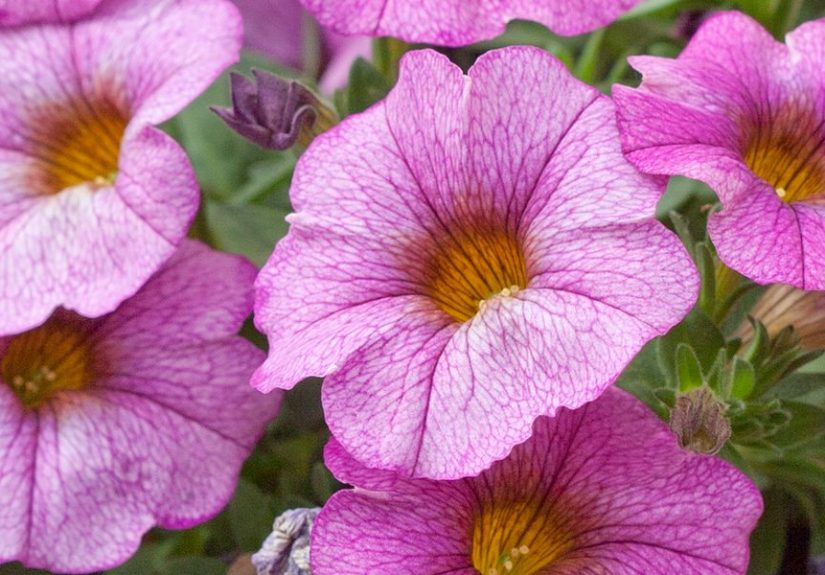
Annual flowers complete their life cycle in one growing season. They grow fast, bloom generously, and offer reliable color for beds, containers, and borders. Marigolds, zinnias, petunias, impatiens, and cosmos are classic examples. They are ideal when you want instant visual payoff and do not mind replanting each year.
Annuals are also useful for experimenting with color design. If your orange marigold obsession becomes a bit too enthusiastic, you can rethink your choices next season without digging up a long-term commitment.
Perennials
Perennials return year after year in the right climate, making them workhorses of many landscapes. Coneflower, salvia, daylily, black-eyed Susan, hosta, yarrow, and bee balm are widely grown examples. They often need more patience than annuals at first, but they reward gardeners with long-term structure and repeat performance.
A plant encyclopedia is especially helpful with perennials because bloom time, mature size, and maintenance needs vary widely. Some are tidy and compact. Others spread cheerfully and need dividing. Some attract pollinators. Others are prized for foliage. Knowing the difference saves effort and improves design.
Shrubs and Trees
Shrubs and trees provide the bones of a garden. They add height, privacy, shade, seasonal interest, and habitat value. Hydrangea, boxwood, viburnum, serviceberry, redbud, dogwood, oak, and maple are all common landscape choices, but they differ dramatically in soil, moisture, size, and climate needs.
This is where plant encyclopedias earn their keep. Choosing a tree is not like choosing a throw pillow. It is a long-term relationship with roots. The right tree can improve curb appeal, support birds and pollinators, and make a yard feel established. The wrong tree can outgrow the space, buckle walkways, or sulk for years.
Succulents and Cacti
Succulents and cacti store water in leaves or stems, which helps them survive dry conditions. Aloe, jade plant, echeveria, haworthia, and many cacti are favorites for sunny windowsills and low-maintenance collections. Their biggest enemy is often kindness in liquid form. Overwatering is a faster way to lose a succulent than forgetting to compliment it.
These plants thrive with bright light, excellent drainage, and a let-it-dry approach between waterings. A plant encyclopedia helps distinguish desert species from tropical succulents, which may need slightly different care.
Herbs, Vegetables, and Edible Plants
Edible plants bring beauty and usefulness together. Basil, parsley, rosemary, thyme, tomatoes, peppers, lettuce, beans, and strawberries are some of the most popular choices for home gardeners. They usually need ample light, consistent moisture, and nutrient-rich soil.
In an edible garden, timing matters just as much as plant choice. Cool-season crops and warm-season crops have different planting windows. A good plant encyclopedia helps you understand not just what a plant is, but when and where it performs best.
Native Plants
Native plants are species that occur naturally in a region and have adapted to local climate, soils, and wildlife. They are often praised for supporting pollinators, birds, and biodiversity. Milkweed, switchgrass, wild bergamot, cardinal flower, and serviceberry are examples that appear in many regional native plant lists.
That said, “native” is regional, not universal. A plant native to one state may not be native to another. A plant encyclopedia with regional context is incredibly useful here, especially when building a sustainable landscape that looks good and works with local ecology.
How to Use a Plant Encyclopedia Before You Buy Anything
The smartest gardeners shop with information first and impulse second. Before buying a plant, check these basics:
- Climate: Is it hardy in your zone or suited to your indoor conditions?
- Light: How much direct or indirect light does your space provide?
- Soil and drainage: Does the site stay soggy, dry quickly, or sit somewhere in between?
- Mature size: Will it fit comfortably in one, three, or ten years?
- Purpose: Are you growing it for flowers, foliage, privacy, food, fragrance, or pollinators?
- Maintenance: Can you realistically provide the pruning, watering, feeding, or winter care it needs?
These questions turn plant buying from a gamble into a plan. And plans, unlike bargain-rack impulse purchases, usually survive the season.
Common Plant Care Mistakes a Good Encyclopedia Helps You Avoid
Overwatering
This is the classic. Soggy roots cannot breathe properly, and too much water often leads to yellowing leaves, rot, and decline. The answer is not less love. It is better timing, better drainage, and understanding what the plant actually needs.
Wrong light
A sun-loving plant in deep shade will stretch, bloom poorly, or weaken over time. A shade-loving plant in harsh afternoon sun may scorch. Light is not a suggestion. It is more like the plant’s operating system.
Ignoring humidity indoors
Many tropical houseplants come from humid environments and may struggle in dry indoor air. Brown leaf tips, stalled growth, and cranky foliage often trace back to low humidity and inconsistent watering.
Planting too close together
Crowding reduces airflow, increases disease risk, and creates a maintenance mess later. That tiny nursery pot is not the plant’s final personality. Give it the space its future self deserves.
Fertilizing without a plan
Plants need nutrients, but more fertilizer is not always better. Overfeeding can burn roots or push weak, leggy growth. A plant encyclopedia helps you understand whether a heavy-feeding tomato and a low-key snake plant should really be treated the same. Spoiler: they should not.
Mini Plant Encyclopedia: Popular Example Entries
Pothos
A trailing houseplant known for heart-shaped leaves and forgiving care. Best in bright, indirect light but tolerant of lower light. Water when the top layer of soil dries. Great for beginners, shelves, and anyone rebuilding confidence after a fern-related event.
Milkweed
A native flowering plant valued for supporting pollinators, especially monarch butterflies. Prefers sun and well-drained soil, though species vary. Best chosen by region because local native species matter.
Basil
A warm-season herb that likes full sun, consistent moisture, and regular harvesting. Pinching the tips encourages bushier growth. Excellent in containers and kitchen gardens. Also excellent at making gardeners feel wildly successful for at least part of the summer.
Hydrangea
A beloved shrub with big, showy flower heads. Depending on species, it may prefer morning sun and afternoon shade, evenly moist soil, and seasonal pruning based on bloom habit. Not all hydrangeas are pruned the same way, which is why guessing with clippers can become a plot twist.
Snake Plant
An upright houseplant with bold architectural leaves. Tolerates lower light and irregular watering better than many indoor plants. Prefers to dry between waterings. A strong choice for offices, bedrooms, and plant owners with busy schedules.
Coneflower
A hardy perennial with daisy-like blooms that attract pollinators. Thrives in sunny sites and generally tolerates heat and some drought once established. Useful in mixed borders, native-style plantings, and gardens that need reliable summer color.
Why a Plant Encyclopedia Still Matters in the Internet Age
Because not all plant advice is good advice. A plant encyclopedia grounded in horticultural knowledge cuts through trends, myths, and vague social media tips. It gives structure to the beautiful chaos of gardening. It helps beginners make better choices and gives experienced gardeners a deeper understanding of plant relationships, regional suitability, and long-term care.
Most of all, it encourages observation. Once you know what information to look for, you start noticing patterns in leaves, stems, flowers, moisture, and growth habits. You stop guessing and start reading plants more clearly. That is when gardening becomes less about luck and more about learning.
Experiences With a Plant Encyclopedia: What Gardeners Learn in Real Life
One of the most relatable experiences in gardening is buying a plant because it looks amazing at the store and only later discovering that it wanted conditions you absolutely do not have. Maybe the tag said “part sun,” and you translated that into “dark corner by the couch.” Maybe the plant was labeled “compact,” and three months later it was reaching across the walkway like it wanted to discuss your decisions. This is exactly where a plant encyclopedia changes the experience. It gives you the backstory before the drama.
Many gardeners remember the moment they first started looking up plants instead of guessing. Suddenly, plant care became far less mysterious. You learn that yellow leaves do not always mean the same thing, that drooping can mean too much water or too little water, and that “easy care” is highly relative. A snake plant and a maidenhair fern do not belong in the same emotional category, and a plant encyclopedia makes that beautifully clear.
There is also the experience of discovering that your yard has microclimates. The front bed bakes in hot afternoon sun, the fence line stays dry, and that one shady corner remains cool and damp like it is trying out for a woodland understory. When gardeners begin matching plants to those specific conditions, everything improves. Plants grow better, maintenance gets easier, and the whole space looks more intentional. It feels less like trial and error and more like quiet teamwork with nature.
Indoor gardeners have their own version of this awakening. At first, all windows seem equal. Then experience teaches otherwise. A bright south-facing window is not the same as a dim north-facing one, and a shelf across the room is not “bright indirect light” just because the room feels cheerful. After using a plant encyclopedia for a while, people start placing plants more intelligently. Succulents move closer to the sun. Tropical foliage plants move away from scorching glass. Humidity-loving plants get grouped together. And suddenly, the collection begins to thrive instead of merely surviving.
Another memorable experience is learning to respect mature size. Every gardener has a story about planting something “just this once” too close to the path, too close to the house, or too close to another plant. A few seasons later, the space is packed, airflow is poor, pruning becomes constant, and the design feels cramped. A plant encyclopedia teaches patience and perspective. It reminds you that gardening is not only about what looks good today, but what will still look good after roots settle in and stems start stretching their ambitions.
Then there is the joy factor. Using a plant encyclopedia often makes people more curious, not less. You start with one entry and end up reading about pollinator plants, native grasses, edible flowers, drought tolerance, seed heads for birds, or shrubs with fall color. It turns gardening into an ongoing discovery rather than a series of chores. And that may be the best experience of all: the moment you realize that plants are not random decorations. They are living systems with preferences, patterns, and personalities. Once you learn how to read them, the entire garden starts making a lot more sense.
Conclusion
A great plant encyclopedia does more than identify species. It helps you choose smarter, grow better, and enjoy the process more. From houseplants and herbs to native perennials and landscape trees, every successful plant story starts with understanding the basics: light, water, soil, climate, size, and purpose. Get those right, and the odds swing in your favor. Get them wrong, and even the prettiest plant may become a very expensive lesson with leaves.
So whether you are building a collection one windowsill at a time or planning a full backyard transformation, use a plant encyclopedia as your guide. Your plants will not send thank-you cards, but they may reward you with stronger growth, better blooms, and fewer dramatic collapses. In the plant world, that is basically a standing ovation.