Table of Contents >> Show >> Hide
- Why the planting window matters (and why “later” is not a strategy)
- Step one: define “now” for your yard (zone, frost, and workable soil)
- The best time to plant perennials: spring vs. fall (and who wins)
- Which perennials should you plant now?
- How to plant perennials so they actually come back
- Aftercare that makes the difference
- Common mistakes that make gardeners swear (quietly, through clenched teeth)
- Is it already “too late”? Not alwaystry these save-the-season moves
- A quick “Plant Perennials Now” checklist
- Real-world experiences: what gardeners learn when they plant “just in time” (extra notes)
If your garden has been giving you that “we should totally hang out sometime” vibe since last season, this is your sign.
Perennials don’t ask for muchjust a decent planting window and a little follow-through. Miss the window and they’ll still try,
but they may spend spring looking like they’re rebooting on dial-up.
Here’s the truth: you can plant perennials whenever the soil is workable, but the “smart money” seasons are spring and fall.
Those cooler weeks help roots grow without the drama of scorching heat or a surprise hard freeze. The goal is simple:
get roots settled before weather turns rude.
Why the planting window matters (and why “later” is not a strategy)
Perennials survive year to year because their roots and crowns store energy and handle stress better than many annuals.
But “better” isn’t “invincible.” Plant too close to extreme heat and roots can’t keep up with water demand. Plant too close to a hard freeze
and roots may not establish enough to handle freeze–thaw swings, drying winds, and soil heaving.
The sweet spot is when air temps are moderate and the soil is still warm enough to encourage root growth.
That’s why many Extension programs recommend timing fall planting so new roots have weeksnot daysto get comfortable.
Step one: define “now” for your yard (zone, frost, and workable soil)
Use your USDA Hardiness Zone as your baseline
Your USDA Plant Hardiness Zone tells you the average annual extreme minimum winter temperature for your location.
It’s not a crystal ball, but it’s the standard starting point for choosing perennials that can overwinter where you live.
If you’ve ever wondered why your neighbor’s lavender thrives while yours reenacts a tragedy, zone is often part of the plot.
Know your frost calendar (especially for fall planting)
For fall planting, the most common guidance across U.S. gardening authorities is to plant perennials
about 4–6 weeks before the first expected frost (sometimes longer in colder regions).
That window gives roots time to settle before the ground freezes.
Make sure the soil is actually workable
“Workable” doesn’t mean “I can stab it with a shovel.” It means the soil isn’t frozen and isn’t so wet that digging turns it into bricks later.
A practical test: scoop a handful and squeeze. If it smears, ribbons, or stays in a sticky ball, it’s too wet. If it crumbles back apart, you’re good.
Wet-soil digging is how perfectly nice soil structure becomes a lumpy mess you’ll resent until next Labor Day.
The best time to plant perennials: spring vs. fall (and who wins)
Fall planting: the “quietly brilliant” season
In many parts of the U.S., fall is ideal because the soil holds warmth even as air temperatures cool.
Roots keep growing while top growth slows down, which is exactly what you want: energy goes underground where it counts.
Plenty of guidance recommends planting perennials four to six weeks before first frost, and in some areas
a minimum of six weeks (or more) before the first average frost so plants can re-root before the ground freezes.
- Best for: many herbaceous perennials, spring bloomers, and lots of “garden workhorses” like coneflower, daylily, and hosta.
- Extra good in: regions with long, mild falls where roots have time to establish.
- Use caution in: very cold climates with early ground-freeze (some gardeners in the coldest zones do better planting in spring).
Spring planting: the classic (with a few rules)
Spring is a great time to plant because plants have a full growing season ahead. The trick is timing:
plant when the soil is workable and temperatures are supportive, not when your calendar hits “first sunny weekend.”
Some guidance suggests that bare-root perennials and cold-tolerant transplants can go out once the soil is workable
and soil temperatures are around the mid-40s °F, while other perennials may prefer slightly warmer soil.
- Best for: tender or evergreen perennials in colder regions, and gardeners who want maximum establishment time before winter.
- Watch out for: sudden cold snaps and soggy soil that compacts when worked.
Which perennials should you plant now?
“Now” depends on your season, but you can still choose wisely. If you’re planting close to the edge of the ideal window,
pick sturdy, well-rooted container plants and skip anything known to be fussy about wet feet or winter stress.
Reliable picks for fall planting (in many regions)
- Hosta (great for shade; also a top candidate for dividing when clumps age)
- Daylily (Hemerocallis) (tough, forgiving, flowers like it’s showing off)
- Coneflower (Echinacea) (pollinator magnet; handles a range of conditions)
- Black-eyed Susan (Rudbeckia) (sun-lover with “I woke up like this” energy)
- Sedum / stonecrop (drought-tolerant once established; avoid soggy sites)
- Ornamental grasses (excellent structure; divide older clumps when they thin in the center)
Often better in spring (especially in colder zones)
- Evergreen perennials and borderline-hardy plants that may struggle through winter if not well established
- Very tender “zone-pushers” you’re trying outside their comfort zone (no judgmentjust protect them)
How to plant perennials so they actually come back
1) Pick the right spot
Match the plant to the place: sun needs, moisture needs, and room to grow. Crowding is fun at concerts,
not in perennial beds. Good airflow reduces disease issues, and proper spacing reduces the “why is this sad?”
phase next summer.
2) Dig the hole correctly (depth matters more than people think)
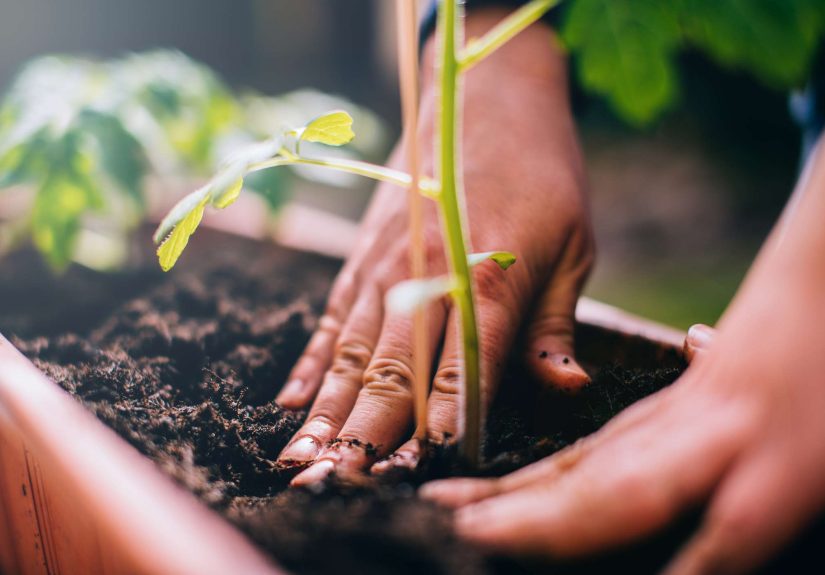
A common best practice: dig a hole about twice as wide as the root ball or container, but
no deeper than the plant is currently growing in the pot. Planting too deep can cause crown problems,
slow growth, or rot. Planting too shallow can expose roots once soil settles.
3) Fix the roots before they fix you
If roots are circling the pot like they’re trying to escape, gently loosen them so they grow outward into surrounding soil.
This is especially important for container-grown plants that have been sitting a while.
4) Set crown height correctly
The crown (where stems meet roots) should generally be level with the soil surface or slightly high.
Burying the crown is one of the fastest ways to turn “perennial” into “seasonal experiment.”
5) Backfill, firm lightly, and water like you mean it
Backfill soil, firm it gently to reduce air pockets, and water thoroughly to settle soil around roots.
That first deep watering is not optionalit’s the handshake that tells roots, “Welcome home.”
Aftercare that makes the difference
Watering: deep beats frequent sprinkles
Newly planted perennials need consistent moisture while they establish. Many perennials do well with
roughly about 1 to 1½ inches of water per week from rainfall or irrigation once established, with more during heat.
Early on, check soil often and water deeply when the top layer begins to dryespecially during dry fall weather or windy weeks.
Drip irrigation or soaker hoses help deliver water efficiently while keeping foliage drier.
Mulch: yes, but don’t suffocate the crown
Mulch helps conserve moisture, reduce weeds, and buffer soil temperatures. A moderate layer (often around 1–2 inches
for many perennial beds) is commonly recommended, but avoid piling mulch against stems or over crowns.
“Mulch volcanoes” are not a landscape style. They’re a rot invitation.
Fertilizer: easy does it, especially in fall
In fall, heavy fertilizing can encourage tender new growth at the wrong time. Instead, focus on soil health:
compost, good planting technique, and consistent moisture. Save stronger feeding for active growth periods as needed.
Common mistakes that make gardeners swear (quietly, through clenched teeth)
- Planting too deep: crown issues, poor growth, higher rot risk.
- Skipping root loosening: circling roots can stay circling, limiting establishment.
- Working wet soil: compaction and clods that last far too long.
- Watering once and ghosting: new plants need follow-up moisture while roots expand.
- Over-mulching: can trap moisture at the crown and increase rot risk.
Is it already “too late”? Not alwaystry these save-the-season moves
If you’re flirting with the end of the planting window, the deciding factors are usually:
Is the soil still workable? and Do you have enough weeks before hard freeze or extreme heat?
When you’re late, reduce stress and increase protection.
Choose established plants and keep expectations realistic
Bigger, well-rooted plants often handle late planting better than tiny starts. Their root systems have more “banked energy,”
which can help them settle faster.
Give temporary protection during weather swings
If you get an unexpected hot blast or sharp cold snap, temporary cover can help. Even simple shade for a day or two
(think: an umbrella or a laundry basket used as a lightweight shield) can reduce transplant stress.
For cold snaps, removable covers or cloches can buy time.
Don’t plant once the ground is frozen
Once soil freezes, planting becomes a losing negotiation. If you missed that line, consider overwintering plants in pots
in a sheltered spot (depending on the plant and your climate) and planting when conditions improve.
A quick “Plant Perennials Now” checklist
- Check your USDA hardiness zone and choose plants rated for it.
- Time planting for spring (workable soil) or fall (ideally 4–6+ weeks before first frost).
- Avoid digging when soil is soggywait for workable conditions.
- Dig twice as wide, no deeper than the root ball; keep crown at soil level.
- Loosen circling roots; water deeply at planting and keep moisture consistent for weeks.
- Mulch lightly, keep mulch off crowns and stems.
- Skip heavy fertilizer in fall; focus on moisture and stability.
Real-world experiences: what gardeners learn when they plant “just in time” (extra notes)
Gardeners tend to remember their “late planting” seasons the way people remember moving apartments:
emotionally vivid, physically sore, and oddly motivating afterward. The most common experience is this:
the planting itself usually isn’t the problemaftercare is.
Many gardeners pop a perennial in the ground, give it a heroic watering, and assume nature will take it from there.
Then the weather does what weather does (windy, dry, randomly hot, randomly cold), and the new plant sits there
like it’s waiting for customer support.
Another frequent lesson is that roots don’t read your calendar. In early fall, beds can look sleepy,
but soil can remain warm enough for roots to grow steadily. Gardeners who plant in that mild window often report
a pleasant surprise the next spring: earlier growth, better vigor, and fewer melt-down moments during the first heat wave.
On the flip side, gardeners who plant too close to a hard freeze often notice “frost heave” problemsplants pushed up slightly
as soils expand and contract. That’s why moderate mulching and consistent moisture matter so much in borderline timing.
There’s also a pattern in which plants forgive last-minute decisions. Tough, adaptable perennialsdaylilies, hostas,
rudbeckia, many ornamental grassestend to handle less-than-perfect timing as long as they’re planted at the right depth and watered well.
Gardeners often say these plants “didn’t even notice” the rushed schedule (which is a rude flex, honestly).
Meanwhile, borderline-hardy or evergreen perennials can be less forgiving, especially in colder regions where winter winds dry foliage
and freeze–thaw cycles stress crowns. The experience many gardeners report is that these plants don’t necessarily die immediately
they just limp through winter and look underwhelming in spring.
One of the most useful, very human discoveries is that late planting often succeeds when gardeners add two simple habits:
temporary protection and better watering rhythm. Temporary protection can be almost comically low-tech:
a light shade barrier during unseasonable heat, or a removable cover during a sudden cold snap.
Better watering rhythm means checking moisture where roots actually are (not just the surface) and watering deeply when needed,
rather than shallow daily sprinkles that encourage surface roots and disappointment.
Finally, gardeners who “win” at last-minute perennial planting usually do one more thing: they adjust expectations.
A perennial planted late might not bloom much right awayand that’s fine. The win is establishment, not instant fireworks.
When gardeners treat the first few weeks as a settling-in phaselike giving a new roommate time to find the silverware
plants usually repay them with stronger growth later. If you plant now and care steadily, your spring self will be ridiculously grateful.
And if you don’t… your spring self will still be out there, shopping for replacements, pretending it’s a “design refresh.”