Table of Contents >> Show >> Hide
- What Is Plantar Fasciitis Massage?
- How Massage May Help Plantar Fasciitis
- Signs Your Heel Pain Might Be Plantar Fasciitis
- Best Tools for Plantar Fasciitis Massage
- How to Do Plantar Fasciitis Massage at Home
- A Simple 10-Minute Plantar Fasciitis Massage Routine
- Do Not Forget the Calf
- Common Mistakes to Avoid
- When Massage Is Not Enough
- Real-Life Experiences With Plantar Fasciitis Massage
- Conclusion
If your heel screams every morning like it is being personally offended by the floor, plantar fasciitis may be the culprit. This common cause of heel pain happens when the thick band of tissue along the bottom of your foot, called the plantar fascia, gets irritated from overload. The good news? Massage can be part of a smart, low-drama, non-surgical plan to calm things down. The less exciting news? One heroic foot rub will not magically fix months of strain. Your plantar fascia is not a reality show character. It needs consistency, not chaos.
Done correctly, plantar fasciitis massage can help reduce stiffness, improve comfort, and make it easier to walk, stretch, and get through the day without negotiating with your foot every five minutes. The key is to think of massage as one piece of the puzzle, along with supportive shoes, calf and foot stretching, activity changes, and sometimes physical therapy. Here is what plantar fasciitis massage is, which tools can help, and exactly how to do it at home without turning your arch into an angry science experiment.
What Is Plantar Fasciitis Massage?
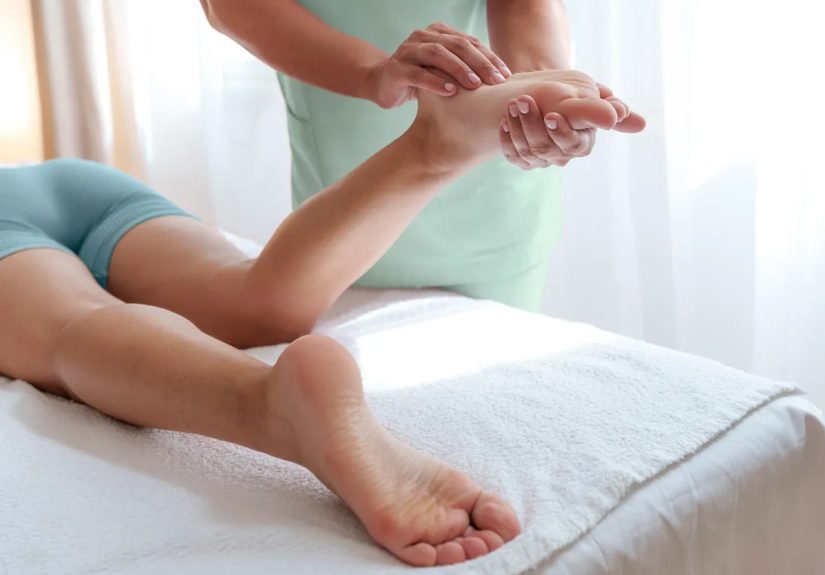
Plantar fasciitis massage is a hands-on or tool-assisted technique used to reduce tension and tenderness in the plantar fascia and nearby tissues that may contribute to heel pain. In plain English, it means using your hands or a simple tool to gently work the bottom of the foot, and sometimes the calf and Achilles area, to relieve stiffness and improve mobility.
This matters because plantar fasciitis rarely lives in isolation. Tight calves, limited ankle mobility, long hours on hard surfaces, unsupportive shoes, sudden increases in walking or running, and foot structure issues can all increase strain on the plantar fascia. Massage will not correct every one of those factors, but it can make the area feel less guarded and more cooperative.
Some clinicians also point out that long-lasting plantar fasciitis may involve degeneration, not just inflammation. That means the goal is not to “rub out inflammation” like you are erasing a pencil mark. Instead, the goal is to reduce pain, improve tissue mobility, and help you tolerate the stretches and strengthening that support long-term recovery.
How Massage May Help Plantar Fasciitis
A good plantar fasciitis massage routine may help in several ways. First, it can ease that first-step-out-of-bed misery by reducing stiffness in the arch and heel. Second, it may temporarily improve blood flow and tissue mobility, which can make movement feel easier. Third, it can calm overworked muscles in the foot and calf that are adding extra pull to the fascia.
Massage also has a practical advantage: it is easy to do at home. You do not need a spa playlist, a massage table, or a heroic amount of free time. Even five to ten minutes can be useful when paired with a regular stretching routine.
That said, massage works best when you treat it like a teammate, not the star player. If you keep wearing flimsy shoes, ignore calf tightness, and continue activities that clearly flare your pain, massage alone may offer only short-term relief. Helpful? Yes. Magical? Sadly, no.
Signs Your Heel Pain Might Be Plantar Fasciitis
Before you start massaging your foot like it owes you money, make sure the symptoms fit. Common signs of plantar fasciitis include:
- Sharp or stabbing pain on the bottom of the heel
- Pain that is worse with the first steps in the morning
- Pain after sitting for a long time, then standing up
- Discomfort after long periods of standing, walking, or exercise
- Tightness in the arch, calf, or Achilles tendon
If the pain feels more like burning, numbness, tingling, or spreads in a strange pattern, another condition may be involved. If there was a recent injury, severe swelling, fever, or you cannot put weight on the foot, do not play home-treatment roulette. Get it checked out.
Best Tools for Plantar Fasciitis Massage
You do not need a closet full of gadgets. A few simple tools can go a long way.
1. Your Hands
Your thumbs and fingers are underrated. Hand massage lets you control pressure precisely, which is useful when the heel is tender. It is also the best way to combine massage with a plantar fascia stretch by pulling the toes back while using the other hand to work along the arch.
2. Massage Ball
A small massage ball, lacrosse ball, or dedicated foot roller ball is a favorite because it can target the arch without taking up much space. Roll it slowly under the foot while seated or standing with light pressure. If the ball feels like a medieval punishment device, use less pressure or switch to a softer option.
3. Frozen Water Bottle
This is the classic two-for-one tool. Rolling a frozen bottle under the foot combines light massage with icing, which can feel especially good after activity or at the end of the day. It is budget-friendly, effective, and refreshingly low-tech.
4. Foot Roller
Foot rollers are designed for repeated back-and-forth movement under the arch and heel. They are easy to use while working at a desk, watching TV, or pretending you are definitely paying attention during a long call.
5. Foam Roller for the Calves
This one targets the area above the foot. Tight calves can increase strain on the plantar fascia, so rolling the calves may indirectly help heel pain. Think of it as upstream maintenance for a downstream problem.
6. Towel or Stretch Strap
This is technically more of a stretching tool than a massage tool, but it belongs in the conversation. Pulling the toes and forefoot back with a towel can stretch the plantar fascia and calf, and many people follow that with gentle hand massage for better relief.
What About Massage Guns?
Some people use massage guns on the calf, but they are not essential for plantar fasciitis, and aggressive pounding directly on the heel is usually not a great idea. If you use one, keep it on a low setting and focus on the calf muscles rather than the bony heel. When in doubt, gentle beats brutal.
How to Do Plantar Fasciitis Massage at Home
Here is a practical step-by-step routine you can use once or twice a day. Aim for gentle to moderate pressure. You want “that is working” discomfort, not “I regret every decision that brought me here” pain.
Step 1: Get Into Position
Sit in a chair and cross the painful foot over the opposite knee, figure-four style. This gives you access to the sole of the foot and lets you keep things controlled.
Step 2: Warm Up the Foot
Use both hands to lightly rub the sole of the foot for 30 to 60 seconds, moving from the heel toward the ball of the foot. This is not wasted time. A quick warm-up can help the tissues feel less stiff and less cranky.
Step 3: Toe Pull With Arch Massage
Grab your toes and gently pull them back toward your shin until you feel a stretch in the arch. With your other hand, use your thumb to massage along the plantar fascia from the heel toward the forefoot. Spend about 30 seconds here, then relax. Repeat 3 to 5 times.
Step 4: Thumb Strokes Along the Arch
Using your thumbs, make slow strokes along the bottom of the foot. Start near the heel and move toward the ball of the foot. Work the inner arch, middle arch, and outer arch. Spend 1 to 2 minutes total. Keep the pressure firm but controlled.
Step 5: Gentle Cross-Fiber Work
If one area feels especially tight or ropey, move your thumb side-to-side across the tissue instead of only along it. Do this gently for 20 to 30 seconds at a time. This type of technique is often used to address tissue tension, but more is not better. You are trying to calm the area, not pick a fight with it.
Step 6: Ball Roll
Place a massage ball or foot roller under the foot and roll slowly from heel to forefoot for 1 to 2 minutes. If standing increases pain, do it seated. If seated feels too mild, add a little body weight. Slow rolling is usually more helpful than frantic rolling that looks like you are trying to start a lawn mower.
Step 7: Frozen Bottle Finish
If your heel is sore after activity, finish by rolling a frozen water bottle under the foot for 5 to 10 minutes. Keep the pressure light and avoid placing the bottle directly against bare skin for too long if it feels too intense.
A Simple 10-Minute Plantar Fasciitis Massage Routine
If you want a quick plan, try this:
- Light hand warm-up: 1 minute
- Toe pull plus arch massage: 2 minutes
- Thumb strokes along the plantar fascia: 2 minutes
- Ball roll under the foot: 2 minutes
- Calf massage or foam rolling: 2 minutes
- Frozen bottle finish: 1 minute, or longer if needed
This routine works well in the morning before your first big walking session, after work if you stand all day, or after exercise. Consistency matters more than intensity.
Do Not Forget the Calf
If you only massage the bottom of the foot and ignore the calf, you may be skipping an important part of the story. Tight calf muscles and a stiff Achilles tendon can reduce ankle mobility and increase tension through the plantar fascia. That is why so many treatment plans include calf stretching alongside foot massage.
Use your hands or a foam roller on the calf for 1 to 3 minutes, then follow with a calf stretch. A basic wall calf stretch or towel stretch is often enough. This combination may help the foot feel less pulled on during walking.
Common Mistakes to Avoid
- Using too much pressure: More pain does not equal more healing.
- Massaging only when symptoms explode: A little regular maintenance often works better than occasional panic treatment.
- Going barefoot on hard floors: Your plantar fascia does not enjoy surprise stress tests.
- Skipping supportive shoes: Massage can help, but bad footwear can undo the win.
- Ignoring calf tightness: The foot and calf are a team, for better or worse.
- Expecting overnight results: Many people improve gradually over weeks, not instantly.
When Massage Is Not Enough
If massage brings temporary relief but the pain keeps returning, zoom out. You may need a fuller treatment plan that includes stretching, strengthening, activity modification, weight management if appropriate, better footwear, orthotics, taping, or physical therapy. Some people also benefit from night splints or a more formal evaluation of walking and running mechanics.
See a clinician if your heel pain lasts more than a few weeks, keeps worsening, disrupts normal walking, or comes with numbness, significant swelling, redness, fever, or pain after trauma. Heel pain has several possible causes, and getting the right diagnosis matters.
Real-Life Experiences With Plantar Fasciitis Massage
One reason plantar fasciitis massage gets so much attention is that the condition shows up in ordinary life, not just on running trails or gym floors. It shows up in teachers who pace classrooms all day, nurses who work long shifts, warehouse workers on concrete floors, parents who suddenly decide to become weekend athletes, and remote workers who realize their “house slippers” are basically decorative fabric with ambition. The experience often starts the same way: a nagging heel ache that seems minor at first, followed by that memorable morning step that makes a person wonder whether they aged 40 years overnight.
For many people, massage becomes the first self-care step because it feels immediate and doable. Someone might sit at the edge of the bed and rub the arch before standing, then keep a ball under the desk later in the day. A runner may notice that rolling the arch and calf after workouts reduces that tight, tugging sensation the next morning. A retail worker may swear by the frozen bottle routine after a long shift because it cools the foot while giving the fascia a gentle massage. These experiences are common because massage offers fast feedback. The foot often feels looser right away, even if full recovery still takes time.
Another common experience is learning that the painful spot is not always the only problem. Plenty of people start by focusing only on the heel, then realize their calves are tight as piano wire and their ankles barely move. Once they add calf massage, calf stretching, and more supportive shoes, their progress usually feels less random. In other words, the foot stops acting like a mystery and starts acting like a body part with understandable mechanics.
There is also the emotional side, which nobody talks about enough. Persistent heel pain is sneaky. It can make exercise less appealing, errands more annoying, and simple things like cooking dinner or walking the dog feel like unnecessary negotiations. When massage helps, even a little, many people describe it as getting some control back. It becomes a ritual: massage, stretch, supportive shoes, repeat. Not glamorous, but effective in the same way flossing is effective. Nobody throws a parade, but future you is grateful.
Of course, experiences vary. Some people feel noticeably better within a couple of weeks once they combine massage with stretching and shoe changes. Others improve more slowly, especially if they have been dealing with symptoms for months or keep returning to activities that overload the foot. This is why the most successful stories usually are not about one miracle tool. They are about consistency. A ball by the desk. Better sneakers by the door. A frozen bottle in the freezer. A few minutes of massage before the day starts. A little less hero mode, a little more routine.
The biggest lesson from real-world experience is simple: plantar fasciitis massage can be genuinely helpful, but it works best when it is part of a broader plan. People who improve tend to listen to the pattern of their pain, adjust what is aggravating it, and stay patient long enough for the tissues to settle down. It is not flashy, but it is realistic. And when your first steps in the morning stop feeling like a hostile welcome from the floor, realistic starts to feel pretty amazing.
Conclusion
Plantar fasciitis massage is a practical, low-cost way to ease heel pain, reduce stiffness, and support recovery. Whether you use your hands, a massage ball, a foot roller, or a frozen water bottle, the goal is the same: gently improve comfort and mobility without over-irritating the tissue. The best results usually come when massage is paired with calf and plantar fascia stretching, supportive footwear, and a little common sense about what your foot is ready to handle.
If your heel pain is mild to moderate, a consistent at-home routine may make daily life much more comfortable. If the pain is severe, persistent, or comes with warning signs, get medical advice. Your foot has carried you through a lot. Returning the favor with a smarter recovery plan is only fair.