Table of Contents >> Show >> Hide
- Why This Parfait Works (Flavor + Texture, No Drama)
- Quick Recipe Snapshot
- Ingredients
- How to Choose and Prep Plums (So They Taste Like Plums, Not Regret)
- Method 1: The 5-Minute Fresh Plum Parfait
- Method 2: Roasted Plum Upgrade (Warm, Jammy, Extra Cozy)
- Toasting Almonds (The Tiny Step That Makes a Big Difference)
- Make-Ahead and Meal Prep Tips (A.K.A. How to Keep Crunch Crunchy)
- Flavor Variations (So You Don’t Get Bored on Day 3)
- Nutrition Notes (Practical, Not Preachy)
- Food Safety + Storage (Keep It Tasty, Keep It Safe)
- Serving Ideas (Because Parfaits Are Social)
- Common Problems (And How to Fix Them Fast)
- of Real-World “Parfait Experiences” (The Stuff Recipes Don’t Always Say Out Loud)
- Final Spoonful
This parfait is the rare breakfast that looks like a dessert, eats like a snack, and behaves like a responsible adult.
You get sweet-tart plums, creamy yogurt, and the kind of almond crunch that makes your spoon feel important.
It’s fast enough for a weekday, pretty enough for brunch, and flexible enough to survive whatever your fridge situation is doing.
Below you’ll find a quick 5-minute version, a “make it fancy” roasted-plum upgrade, and the practical tips that keep your crunchy layer from turning into sad cereal soup.
Why This Parfait Works (Flavor + Texture, No Drama)
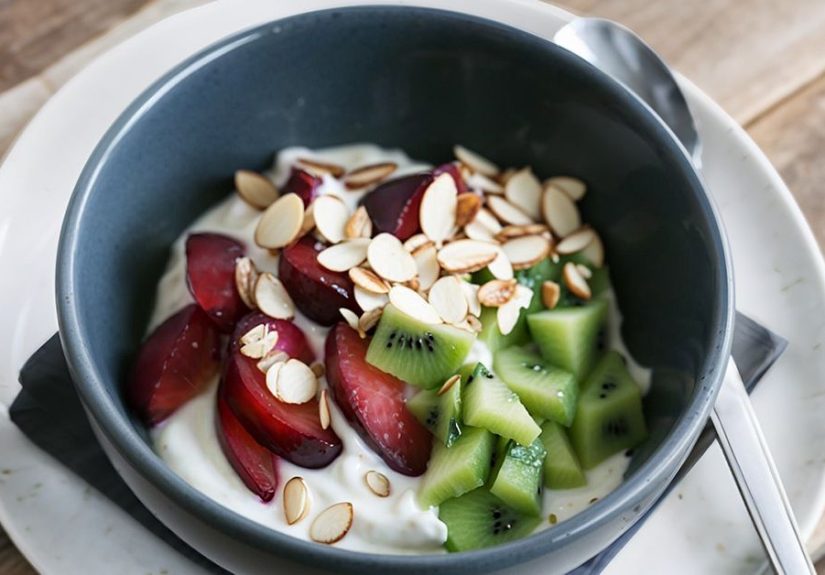
A truly satisfying parfait is a three-act play: cream, fruit, and crunch. Plums bring a sweet-tart punch that keeps yogurt from tasting flat. Yogurt provides creamy richness (and, depending on your choice, a solid protein boost). Almonds add toasty flavor and a crisp bite that makes each spoonful feel like it has a point.
The key is balance: if your plums are super sweet, you can keep the yogurt plain and tangy. If your plums are tart, a drizzle of honey or maple syrup smooths everything out. Either way, the almonds show up like the friend who always brings snacks and never asks to be paid back.
Quick Recipe Snapshot
- Time: 5 minutes (or 20 minutes with roasted plums)
- Servings: 2 generous parfaits (or 4 smaller snack cups)
- Best for: Breakfast, brunch, post-workout snack, “I need something now” moments
What You’ll Need
- 2 glasses, bowls, or jars (8–12 oz works well)
- A cutting board + knife
- Optional: sheet pan (for roasting plums or toasting almonds)
Ingredients
Base Ingredients (The Classic Trio)
- 2 ripe plums, pitted and diced (or thinly sliced)
- 2 cups yogurt (Greek yogurt for thicker texture; regular yogurt for softer, creamier flow)
- 1/3 cup sliced almonds (or chopped whole almonds)
Flavor Boosters (Choose Your Adventure)
- 1–2 tablespoons honey or maple syrup (optional, to taste)
- 1/2 teaspoon vanilla extract (optional, especially with plain yogurt)
- 1/4 teaspoon cinnamon or a pinch of cardamom
- 1 teaspoon lemon zest (optional, brightens the fruit)
- Pinch of salt (yes, even in sweet thingsespecially in sweet things)
Crunch Add-Ons (Optional but Highly Encouraged)
- Granola (keep it separate until serving for max crunch)
- Chia seeds or ground flax (for extra texture)
- Coconut flakes (toasted = extra good)
How to Choose and Prep Plums (So They Taste Like Plums, Not Regret)
Look for plums with smooth skin and no major bruises. Ripe plums usually have a gentle “give” when pressed lightly and smell sweet and fruity. If they’re firm and shy about aroma, they may need a little time at room temperature to ripen. Many extension resources recommend ripening at room temperature and refrigerating once ripe.
To prep: slice around the pit, twist halves apart, remove the stone, and dice. If you want a softer, jammy layer (especially if the plums are tart), use the roasted plum option below.
Method 1: The 5-Minute Fresh Plum Parfait
- Season the yogurt: In a bowl, stir yogurt with vanilla, a pinch of salt, and honey/maple if you want it sweeter.
If your yogurt is already flavored (vanilla Greek, for example), you can skip the sweetener and just add a pinch of salt. - Prep the plums: Dice or slice plums into bite-size pieces. If your plums are a little tart, toss them with 1 teaspoon honey and a tiny pinch of cinnamon.
- Layer: Add a spoonful of yogurt to the bottom of each glass. Add plums. Add more yogurt. Repeat until you like the look of it.
- Add almonds: Sprinkle almonds on top right before eating so they stay crisp.
(If you’re packing this to-go, keep almonds separate in a small container.)
Optional “Make It Look Like a Café Did It” Move
Use thin plum slices and press them against the inside of the glass before adding yogurt. It creates a stained-glass effect that says,
“Yes, I have my life together,” even if your hair is still damp.
Method 2: Roasted Plum Upgrade (Warm, Jammy, Extra Cozy)
Roasting concentrates sweetness and turns plums into a spoonable sauce-like layergreat for cooler months or for plums that taste more “sour patch” than “summer fruit.”
Many roasted plum recipes use an oven around 400°F until the fruit is tender and edges begin to brown.
Roasted Plums
- 2 plums, halved and pitted (or cut into wedges)
- 1 tablespoon honey or maple syrup
- Pinch of cinnamon (or cardamom)
- Optional: 1 teaspoon lemon juice or a little orange zest
- Heat oven to 400°F. Line a sheet pan with parchment.
- Place plums cut-side up (or wedges spread out). Drizzle with honey, add spices.
- Roast 10–20 minutes until tender and juicy, edges lightly browned.
- Cool to room temperature (importanthot fruit can loosen yogurt and blur your layers).
- Layer roasted plums with yogurt and almonds as in the fresh method.
Toasting Almonds (The Tiny Step That Makes a Big Difference)
Toasting almonds wakes up their flavor and gives you that warm, nutty aroma that makes people wander into the kitchen like cartoon characters floating toward a pie.
Oven toasting at 350°F for a few minutes, with a stir halfway, is a common method; watch closely because sliced almonds go from golden to “why is it smoky in here?” quickly.
- Heat oven to 350°F.
- Spread almonds in a single layer on a sheet pan.
- Toast 5–8 minutes for sliced almonds, stirring once, until fragrant and lightly golden.
- Transfer to a plate to cool (they keep browning on the hot pan).
Make-Ahead and Meal Prep Tips (A.K.A. How to Keep Crunch Crunchy)
The #1 parfait tragedy is soggy crunch. The fix is simple: store crunchy toppings separately and add them right before eating.
Many make-ahead parfait guides recommend keeping granola on the side for texture.
Best Make-Ahead Setup (2–3 Days)
- Jar base: yogurt + plums layered in the jar
- Crunch pack: almonds (and granola, if using) in a separate small container or bag
- When to assemble: add crunch right before eating
Batch Prep Example (4 Snack Jars)
- Use 4 small jars
- Divide 4 cups yogurt + 4 plums (diced) across jars
- Toast 1/2 cup sliced almonds and store airtight
- Pack almonds separately; sprinkle on top at serving time
Flavor Variations (So You Don’t Get Bored on Day 3)
1) Honey-Cinnamon Comfort
Stir a little cinnamon into the yogurt, roast the plums, and finish with honey and toasted almonds. Cozy, classic, and suspiciously dessert-like.
2) Lemon-Vanilla Brightener
Add lemon zest and vanilla to plain yogurt. Keep plums fresh for a clean, sunny flavor. Great when plums are already sweet.
3) “Bakery Vibes” Almond Extract
Add 1–2 drops almond extract to the yogurt (go easyit’s powerful). Top with extra toasted almonds. Tastes like you baked something.
You didn’t. You layered something. We celebrate either.
4) High-Protein Crunch Swap
Want extra staying power? Use Greek yogurt and add chia seeds, or swap part of your crunch for toasted grains like quinoa.
It’s a neat way to vary texture while keeping the parfait satisfying.
5) Dairy-Free and Still Delicious
Use unsweetened coconut or soy yogurt. Taste and adjust sweetnesssome plant-based yogurts are tangier or lighter than dairy. Add extra almonds for richness.
Nutrition Notes (Practical, Not Preachy)
Exact nutrition depends on your yogurt (full-fat vs. low-fat, sweetened vs. plain) and how heavy-handed you are with honey
(no judgmenthoney pours are emotional, not mathematical). In general:
- Greek yogurt is typically thicker and more protein-rich than regular yogurt.
- Almonds bring protein, fiber, and mostly unsaturated fats; a 1-oz serving is commonly listed around 164 calories with about 6g protein and 3.6g fiber.
- Plums add fiber and vitamin C along with natural sweetness.
If you’re aiming for a lower-added-sugar parfait, use plain yogurt, rely on ripe plums for sweetness, and add only a small drizzle of honey (or skip it).
If you need more energy and fullness, add granola or oatsjust keep them separate until serving.
Food Safety + Storage (Keep It Tasty, Keep It Safe)
This recipe is low-risk, but it does include perishable dairy and cut fruitso treat it like the fragile little masterpiece it is.
USDA guidance commonly notes yogurt stored at about 40°F can last roughly 1–2 weeks in the refrigerator, depending on handling and freshness.
For cut produce, many food safety resources recommend refrigerating promptly and using within a few days (often 3–4 days) for best quality and safety.
- Make-ahead jars: yogurt + plums can be refrigerated for about 2–3 days for best texture.
- Keep crunch separate: almonds/granola stay crisp when stored airtight at room temp.
- Two-hour rule: don’t leave dairy-based parfaits sitting out for longrefrigerate promptly.
- When in doubt: if it smells off, shows mold, or the texture is unusually fizzy or separated, toss it.
Serving Ideas (Because Parfaits Are Social)
Brunch Parfait Bar
Set out yogurt, plums (fresh and/or roasted), toasted almonds, granola, honey, cinnamon, and lemon zest. Let people build their own layers.
It looks fancy, it’s easy, and it keeps everyone busy while you “just check something real quick” in the kitchen.
After-School / After-Workout Snack
Use Greek yogurt, add extra plums, and pack almonds separately. It’s quick fuel that doesn’t taste like “health food punishment.”
Light Dessert
Roast the plums with honey and cinnamon, then chill. Layer with vanilla yogurt and extra toasted almonds. It’s basically fruit-and-cream elegance with minimal effort.
Common Problems (And How to Fix Them Fast)
“My plums are tart.”
Roast them, or toss diced plums with a teaspoon of honey and a pinch of cinnamon. A tiny pinch of salt also helps fruit taste sweeter without adding more sugar.
“My parfait got watery.”
Some yogurts release a little whey over time, and very juicy plums can contribute liquid. Fix it by using thicker yogurt (Greek or strained),
roasting plums, and letting roasted fruit cool before layering.
“My crunch went soft.”
You already know the answer: keep almonds (and granola) separate. Add right before eating. This is the law of parfait physics.
of Real-World “Parfait Experiences” (The Stuff Recipes Don’t Always Say Out Loud)
Here’s what typically happens when people start making a plum, almond, and yogurt parfait on a regular basis: it becomes the meal you reach for when you want something
that feels put-together without requiring you to be put-together. The first “experience” is usually the surprise that it’s genuinely satisfying. Plums have enough personality
(sweet, tart, juicy, floral depending on the variety) that the bowl doesn’t taste like plain yogurt with fruit on top. And almondsespecially toastedmake it feel like more than
a snack, because crunch signals “substantial” to the brain in a way that is both mysterious and extremely convenient.
Another common experience: you learn quickly that not all plums behave the same. Some are firm and tidy when diced; others are so juicy they try to become a sauce
the moment you look away. This is where the roasted-plum option earns its keep. People often discover that roasting isn’t just for “fancy weekends”it’s a practical rescue plan
for fruit that’s a little underwhelming raw. Roasting concentrates flavor, softens texture, and makes a layer that feels almost like jam. That jammy layer also makes the parfait
taste more dessert-like, which is great if you’re trying to convince someone that “yogurt is fun” with a straight face.
Then there’s the crunch saga. Nearly everyone has at least one “soggy granola incident,” and it’s basically a parfait rite of passage. You assemble a beautiful jar at night,
wake up excited, and discover your crunchy layer has transformed into something with the texture of wet cardboard cereal. The fixkeeping crunch separatesounds small, but it
changes everything. People who start packing almonds (or granola) in a tiny container feel like they unlocked a cheat code. Suddenly the parfait travels well, stays crisp,
and still feels special when you eat it at a desk, in a car, or between classes.
A lot of folks also notice how customizable the “sweetness dial” is. If the plums are ripe and fragrant, plain yogurt plus fruit can be enough. If the fruit is tart,
a small drizzle of honey can make the whole thing singno need to dump in sugar. Some people prefer vanilla yogurt for that instant “dessert” vibe; others like plain
Greek yogurt with lemon zest for a brighter, more grown-up flavor. And once you’ve made it a few times, you start making tiny upgrades automatically: a pinch of cinnamon,
a little cardamom, a few coconut flakes, or a tiny splash of vanilla. None of these are required, but they make the bowl feel like it came from a place that charges $12
for breakfast and calls it “elevated.”
Finally, there’s the experience of seasonality. When plums are in their prime, this parfait can become a weekly habitespecially because it doesn’t require cooking.
When plum season fades, people often swap in similar fruits (peaches, nectarines, berries, roasted apples) and keep the almond-yogurt foundation the same. That’s the quiet
superpower of the recipe: it teaches a patterncreamy + fruity + crunchythat you can reuse all year. And once you notice that pattern, you’ll start seeing parfait potential
everywhere. Your fridge becomes a choose-your-own-adventure breakfast station. It’s oddly empowering. Also, it’s delicious.