Table of Contents >> Show >> Hide
- Pressure Cooker 101: Why It’s Fast (and Why It Tastes So Good)
- The Golden Rules for Great Pressure Cooker Recipes
- Quick Release vs Natural Release: The Steam Exit Strategy
- How to Convert Regular Recipes into Pressure Cooker Recipes
- 9 Pressure Cooker Recipes You’ll Actually Make Again
- 1) Weeknight Shredded Chicken Tacos (or Anything Else)
- 2) Instant Pot Beef Stew That Tastes Like Sunday
- 3) No-Soak Black Beans That Don’t Taste Like Plain Sadness
- 4) Red Beans and Rice (Shortcut, Not a Compromise)
- 5) Creamy “Stir-Once” Risotto (Yes, Really)
- 6) Pulled Pork Carnitas with a Crispy Finish
- 7) Chicken Stock in Under an Hour (Gelatin-Rich, Not Greasy)
- 8) Spaghetti Squash in Minutes (Meal Prep’s Best Friend)
- 9) Lentil Dal That Feels Like a Hug
- Common Mistakes (and How to Avoid Them Without Crying)
- Conclusion: Your Best Pressure Cooker Recipes Start with a Simple Pattern
- Real-World Pressure Cooker Experiences (What Home Cooks Learn the Fun Way)
A pressure cooker is basically a tiny, polite steam-powered wizard that lives on your countertop and turns
“We have nothing for dinner” into “Wow, we totally planned this” in under an hour. It’s not cheatingit’s
efficient. Like meal-prepping, but with fewer spreadsheets and more gravy.
This guide is your no-drama, high-flavor roadmap to pressure cooker recipes that actually work: the science
(in human language), the rules that prevent the dreaded burn message, and a lineup of crowd-pleasers
you’ll make on repeatbeans, stews, stocks, and weeknight favorites that taste like you babysat a pot all day.
(You didn’t. We won’t tell.)
Pressure Cooker 101: Why It’s Fast (and Why It Tastes So Good)
Pressure cookers work by trapping steam in a sealed pot. More pressure raises the boiling point of water, so
your food cooks at a higher temperature than a regular simmer. That means collagen breaks down sooner, dried
beans soften faster, and tough cuts get tender on a weeknight schedule.
Electric models (like the Instant Pot) tend to run at a slightly lower pressure than many stovetop pressure
cookers, which is why some stovetop recipes cook a bit faster. Translation: follow recipes written for your
cooker type, and don’t panic if you need a few extra minutes.
The Golden Rules for Great Pressure Cooker Recipes
1) Liquid is non-negotiable (but “more” isn’t always better)
Pressure cooking needs liquid to create steam. Too little and the pot can overheat; too much and you dilute
flavor. Most recipes include broth, water, tomatoes, or the moisture that cooks out of meat and vegetables.
If you’re adapting a recipe, add enough thin liquid to get to pressure, then build richness later by reducing,
stirring in butter, or finishing with a bright garnish.
2) Brown first, then pressure cook (when you want big flavor)
Pressure cooking is amazing at tenderizing, but it’s not a browning machine. Use sauté mode (or a stovetop
for stovetop models) to sear meat and soften aromatics. Then deglaze with broth, wine, or waterscrape up the
browned bitsso they become sauce instead of “mysterious burnt layer.”
3) Layer smart to avoid scorching
Thick sauces (tomato paste-heavy chili bases, sugary barbecue sauce, creamy soups) can sink to the bottom and
scorch before the cooker pressurizes. The fix: keep thin liquid on the bottom, then stack thicker ingredients
on top without stirring. Stir after cooking.
4) Don’t overfill (your future self will thank you)
Most cookers have max fill lines for a reasonespecially with beans, grains, and soups that foam. Overfilling
can clog the valve, make a mess, or give you the culinary equivalent of a glitter bomb.
5) Plan for “come to pressure” time
Pressure cookers don’t start at full blast. They heat up, build pressure, then the timer begins. That preheat
can be 10–15 minutes (sometimes more with big batches), so “8 minutes” doesn’t mean “dinner in 8 minutes.”
It means “dinner in 8 minutes… plus reality.”
Quick Release vs Natural Release: The Steam Exit Strategy
Pressure release isn’t just a safety stepit’s part of the recipe. Think of it like the landing phase after a
flight: you don’t jump out while the plane is still moving (unless you’re a very confident cartoon character).
- Quick Release (QR): You vent steam right away. Best for quick-cooking foods you don’t want
to overcook: vegetables, seafood, some pastas, and anything where texture is delicate. - Natural Release (NR): You let pressure fall on its own. Best for soups, stews, beans, and
braisesfoods that benefit from a gentler finish and less bubbling chaos in the pot. - Hybrid: Many recipes do “NR 10 minutes, then QR.” It reduces splatter and keeps meat from
turning tough.
How to Convert Regular Recipes into Pressure Cooker Recipes
You don’t need a new personality (or 47 cookbooks) to cook under pressure. You need a conversion mindset:
less evaporation, faster tenderness, and finishing touches after the lid opens.
- Use less total liquid than stovetop simmering, but keep enough thin liquid to pressurize.
The cooker traps steam; it doesn’t reduce much during cooking. - Cut big chunks, not tiny confetti. Overly small pieces can turn mushy under pressure.
- Add dairy and thickeners at the end. Cream, milk, cheese, flour, and cornstarch behave
better after pressure cooking. For thickening, use a slurry or simmer on sauté mode. - Finish like a chef: acidity (lemon/lime/vinegar), herbs, crunchy toppings, and a drizzle of
good oil take pressure-cooked food from “solid” to “why is this so good?”
9 Pressure Cooker Recipes You’ll Actually Make Again
1) Weeknight Shredded Chicken Tacos (or Anything Else)
Ingredients:
- 2–3 lb chicken thighs or breasts
- 1 cup chicken broth or salsa + water
- 1 tbsp chili powder, 1 tsp cumin, salt, pepper
- Optional: onion, garlic, canned green chiles
Method: Add liquid, seasonings, and chicken. Cook on high pressure 10–12 minutes (thighs) or
8–10 minutes (breasts), then NR 10 minutes and quick release. Shred, then stir in lime juice and a spoon of
the cooking liquid for juiciness. Use for tacos, burrito bowls, salads, or “I’m just standing at the fridge”
snacking.
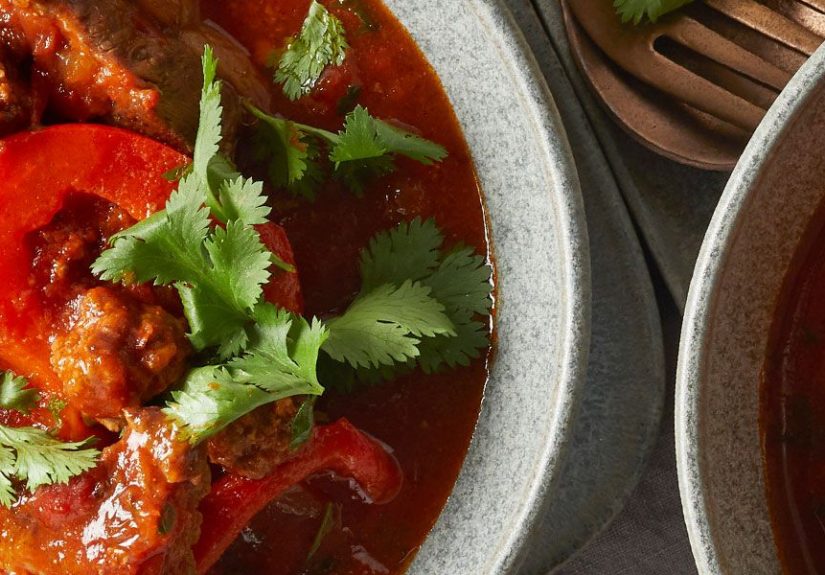
2) Instant Pot Beef Stew That Tastes Like Sunday
Ingredients:
- 2 lb chuck, cut into big cubes
- Onion, carrots, celery, garlic
- 2–3 cups beef broth
- Tomato paste (1–2 tbsp), thyme, bay leaf
- Potatoes (add after if you like them firmer)
Method: Brown beef in batches. Sauté aromatics, deglaze, then add broth and seasonings.
Pressure cook about 35–40 minutes, NR 10 minutes, then quick release. Thicken by simmering on sauté mode or
whisking in a cornstarch slurry. Result: tender beef, rich sauce, and a kitchen that smells like you did
responsible adult things today.
3) No-Soak Black Beans That Don’t Taste Like Plain Sadness
Ingredients:
- 1 lb dried black beans, rinsed
- Water or broth (enough to cover by 1–2 inches)
- Onion (halved), garlic, cumin
- Salt (add now or after; both workadjust to taste)
Method: Cook on high pressure about 20–30 minutes depending on bean age and desired softness,
then natural release. Finish with lime, chopped cilantro, and a splash of olive oil. Want creamy beans? Stir
vigorously or mash a cup and mix it back in. These become burritos, soups, salads, and the foundation of your
“I swear I eat fiber” era.
4) Red Beans and Rice (Shortcut, Not a Compromise)
Ingredients:
- Dried red beans
- Andouille or smoked sausage (optional but highly persuasive)
- Holy trinity: onion, bell pepper, celery
- Garlic, Cajun seasoning, bay leaf
- Cooked rice for serving
Method: Sauté sausage and vegetables, deglaze, add beans and liquid, then pressure cook until
creamy-tender. Mash some beans to thicken. Serve over rice with hot sauce. It’s hearty, budget-friendly, and
proof that weeknights deserve comfort food too.
5) Creamy “Stir-Once” Risotto (Yes, Really)
Ingredients:
- Arborio rice
- Onion/shallot, garlic
- Broth (warm if you’re feeling fancy)
- Butter, Parmesan
- Optional: mushrooms, peas, lemon zest
Method: Sauté onion and toast the rice. Add broth, seal, and pressure cook briefly (often
just a few minutes), then quick release and stir in butter and Parmesan until creamy. Finish with lemon zest
or herbs. This is risotto for people who love risotto but don’t love cardio.
6) Pulled Pork Carnitas with a Crispy Finish
Ingredients:
- Pork shoulder, cut into large chunks
- Orange or lime juice + broth
- Cumin, oregano, garlic, salt
- Optional: chipotle or jalapeño
Method: Pressure cook until fork-tender, then shred. For true carnitas vibes, spread on a
sheet pan and broil until the edges crisp. Serve with tortillas, onions, cilantro, and a squeeze of lime. The
pressure cooker gets you tender; the broiler gives you “why is everyone suddenly hovering in the kitchen?”
7) Chicken Stock in Under an Hour (Gelatin-Rich, Not Greasy)
Ingredients:
- Chicken bones/parts (backs, wings, leftover carcass)
- Onion, carrot, celery
- Bay leaf, peppercorns
- Water
Method: Add everything, pressure cook about 45–60 minutes, then natural release. Strain and
cool; skim fat if desired. Pressure cooking extracts body quickly, giving you stock that sets up like Jell-O
in the fridge (which is the goal, not a mistake).
8) Spaghetti Squash in Minutes (Meal Prep’s Best Friend)
Ingredients:
- 1 spaghetti squash, halved and seeded
- 1 cup water
- Salt, pepper, olive oil, Parmesan (optional)
Method: Put water in the pot, set squash halves on a trivet, and pressure cook briefly (often
around 7 minutes), then do a short natural release. Shred into strands with a fork. Toss with pesto, marinara,
or garlic butter. It’s a great “I want something lighter but still filling” move.
9) Lentil Dal That Feels Like a Hug
Ingredients:
- Red lentils (or split lentils)
- Onion, garlic, ginger
- Turmeric, cumin, garam masala
- Broth or water
- Optional: coconut milk, spinach, lemon
Method: Sauté aromatics and spices briefly, add lentils and liquid, then pressure cook until
soft. Stir in coconut milk or spinach at the end, and brighten with lemon. Serve with rice or naan. It’s fast,
cozy, and suspiciously good for how little effort it requires.
Common Mistakes (and How to Avoid Them Without Crying)
“Burn” warning
This usually means the bottom got too hot: not enough thin liquid, sauce too thick, or you forgot to deglaze.
Fix it by opening, scraping the bottom clean, adding a splash of broth, and layering thick ingredients on top.
Releasing too aggressively
Quick release is greatuntil you try it with frothy soup or beans and the valve starts spitting. For foamy
foods, use natural release or do a 10-minute natural release first, then vent carefully.
Trying to make it do everything
Your pressure cooker is versatile, but it’s not a deep fryer. Also: don’t use electric pressure cookers for
pressure canning low-acid foods. Safe canning requires tested processes and the right equipment (a true
pressure canner), not a “close enough” button.
Conclusion: Your Best Pressure Cooker Recipes Start with a Simple Pattern
The best pressure cooker meals follow a repeatable rhythm: build flavor (brown + aromatics), add enough thin
liquid, cook under pressure, then finish like you mean it (acid, herbs, texture). Once you’ve got that, you
can turn a bag of beans, a tough cut of meat, or a random vegetable drawer situation into something you’d
proudly serve to guestsassuming you like your guests.
Real-World Pressure Cooker Experiences (What Home Cooks Learn the Fun Way)
First experience: the “8-minute recipe” that takes 35 minutes. Not because you did anything wrongbecause
pressure cookers live in the real world. They have to heat up, build pressure, cook, and then release it.
Once you accept that the timer is only one chapter in the story, your stress level drops dramatically. The
cooker isn’t lying to you; it’s just… leaving out the prequel.
Second experience: the sealing ring has a personality. It can hold on to smells like a nostalgic scrapbook.
Make a garlicky curry one night and your next batch of rice might whisper “remember me?” The practical move is
to keep an extra ring (one for savory, one for mild foods) and wash it well. The emotional move is to accept
that your kitchen is now a place where flavor echoes linger. (Honestly? Not the worst problem.)
Third experience: you will learn to respect the words “natural release.” At first, you’ll stare at the cooker
like it owes you rent, waiting for the pin to drop. Then you’ll realize that natural release is active
cooking time for many dishes. Stews keep tenderizing. Beans keep relaxing into their best selves. Broths
settle and clarify. Rushing it can mean tougher meat or foamy drama at the vent. The pressure cooker is
basically teaching patiencerudely, but effectively.
Fourth experience: thickness is a trap. The first time you dump a thick tomato sauce in and stir everything
together, you may meet the burn warning. It’s not personal. It’s physics. The fix becomes muscle memory:
thin liquid first, then solids, then thick stuff on top. You’ll feel like you’re assembling a delicious
lasagna of logic. And when you open the lid and stir it all together afterward? You’ll wonder why you ever
did it any other way.
Fifth experience: finishing touches matter more than you think. Pressure cooking builds deep, integrated
flavors quickly, but it doesn’t always give you that sparkling “restaurant” edge. That’s where the post-lid
magic comes in: a squeeze of lemon, chopped cilantro, a spoon of pesto, a pinch of flaky salt, toasted nuts,
crunchy onions, a swirl of yogurt, or a drizzle of good olive oil. These are two-minute upgrades that make a
pot of “pretty good soup” turn into “please make this again tomorrow.”
Final experience: pressure cooker cooking makes you braver. Once you nail shredded chicken, you start riffing.
You buy dried beans because you’re not scared of them anymore. You keep a bag of frozen meatballs for emergency
pasta nights. You try stock because it feels doable. And suddenly your weeknight dinners look suspiciously
competent. Not perfect. Not fussy. Just consistently goodlike you’ve got a tiny steam wizard on payroll.