Table of Contents >> Show >> Hide
- What Are Primorski Uskrsne Bebe?
- Ingredients for Croatian Easter Bread Dolls
- Step-by-Step Instructions
- Why This Recipe Works
- Tips for Making the Perfect Croatian Easter Bread Dolls
- Serving Suggestions
- Cultural Significance of Primorski Uskrsne Bebe
- Final Thoughts
- of Experience & Personal Insights
- SEO Metadata
If you’ve ever wished your holiday desserts could stare lovingly back at you, welcome to the whimsical world of Primorski Uskrsne BebeCroatia’s charming Easter bread dolls. These sweet, slightly cheeky creations come from the coastal Primorje region and turn the simple act of baking into a cultural celebration. Think of them as the European cousins of hot cross bunsonly cuter, more expressive, and far more likely to steal the spotlight at your Easter table.
In this guide, you’ll learn the Croatian Easter bread dolls recipe from start to finish, understand their symbolism, and pick up helpful tips to make your dough babies irresistibly adorable. Whether you’re a seasoned baker or someone whose dough often resembles mysterious geological formations, this recipe is friendly, flavorful, and delightfully forgiving.
What Are Primorski Uskrsne Bebe?
Literally translated as “coastal Easter babies,” these bread dolls have long been part of Croatian Easter traditions in the Primorje and Dalmatian coastal regions. Historically, families made them as part of Holy Week celebrations, gifting them to children, neighbors, and community members as symbols of blessing, renewal, and good luck.
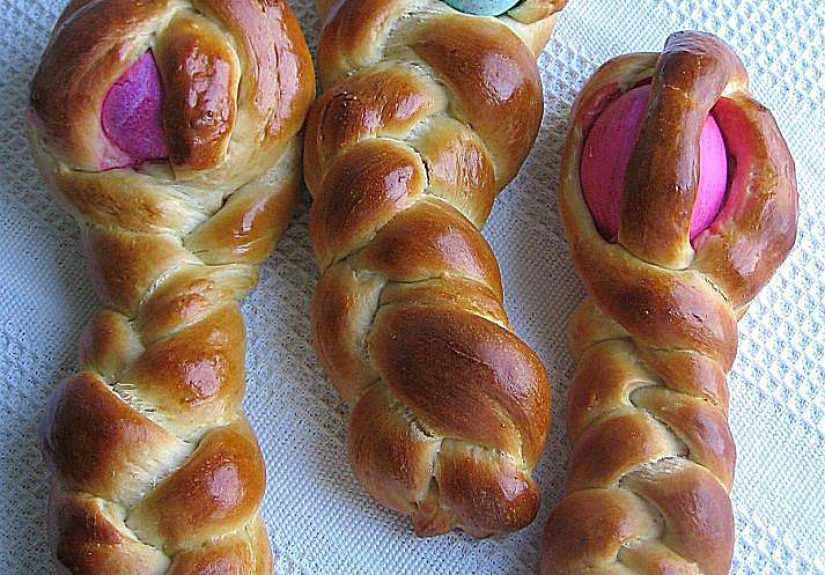
The bread is lightly sweetened, enriched with milk and eggs, and shaped into adorable swaddled-baby forms. Traditionally, a dyed hard-boiled eggoften bright red to symbolize lifeis tucked into the dough like a tiny Easter bundle.
Ingredients for Croatian Easter Bread Dolls
This recipe uses simple pantry staples and classic enriched-dough ingredients commonly found in European Easter breads.
For the Dough
- 4 cups all-purpose flour
- 1 packet (2 1/4 tsp) active dry yeast
- 1/2 cup warm milk
- 1/2 cup sugar
- 1/3 cup melted butter
- 2 large eggs
- 1 tbsp vanilla extract
- 1/2 tsp salt
For Decoration
- 6–8 dyed hard-boiled eggs (traditional red or colorful pastels)
- 1 beaten egg for egg wash
- Raisins or chocolate chips for eyes
Step-by-Step Instructions
1. Prepare the Dough
Combine warm milk, yeast, and a teaspoon of sugar. Let it rest for 5–10 minutes until it becomes foamy. This is your sign that the yeast is alive and ready to party.
In a large mixing bowl, whisk together the remaining sugar, eggs, melted butter, vanilla, and salt. Gradually add flour and the activated yeast mixture. Stir until a shaggy dough forms, then knead on a lightly floured surface for about 8–10 minutes. Expect a soft, smooth, slightly elastic texturelike a plush Easter bunny’s ear.
2. First Rise
Place the dough into a greased bowl, cover with a clean cloth, and let it rise for 1–1.5 hours, or until doubled. If your kitchen is cold, place the bowl near a sunny window or atop a warm appliance for a gentle boost.
3. Shape the Bread Babies
This is where the magic happens. Divide the dough into 6–8 equal pieces. For each piece:
- Roll a small ball to form the “head.”
- Roll the remaining dough into a rope and shape it as the swaddling blanket.
- Tuck the dyed egg into the center, wrapping the dough rope partially over it.
- Press a couple of raisins or chocolate chips into the head to create eyes.
The goal isn’t perfectionthese bread dolls should look charming, folksy, and full of personality. Lopsided? Even better. You’ve just unlocked “rustic authenticity.”
4. Second Rise
Place your shaped dolls on a parchment-lined baking sheet and let them rise for an additional 20–30 minutes. Brush lightly with egg wash for that beautiful, glossy finish.
5. Bake
Bake at 350°F (175°C) for 18–22 minutes or until golden brown. The aroma alone will confirm you’ve made something special. Allow them to cool slightly before serving.
Why This Recipe Works
Primorski Uskrsne Bebe strike that delicate balance between festive fun and comfort food. The enriched dough keeps the bread soft and subtly sweet, while the hard-boiled egg adds protein, symbolism, and an eye-catching pop of color.
The shaping process also doesn’t require expert pastry skillsyou’re basically playing with dough like it’s edible Play-Doh. Even if your bread baby looks like it stayed up too late or had a rough kindergarten photo day, it will still taste fantastic.
Tips for Making the Perfect Croatian Easter Bread Dolls
- Don’t skip the second rise. It ensures light, fluffy texture.
- Avoid over-flouring. The dough should remain slightly tacky.
- Use red eggs for tradition. In Croatian Easter symbolism, red stands for life, sacrifice, and renewal.
- Add citrus zest. Lemon or orange zest gives a Mediterranean twist that matches the coastal origin.
- Store properly. Keep leftover bread dolls in an airtight container for 2–3 days, or freeze for up to a month.
Serving Suggestions
Serve these adorable bread dolls as part of your Easter breakfast or brunch spread. Pair them with:
- Hot tea or Croatian-style coffee
- Sweet butter or fruit preserves
- Spring salads for contrast
They also make lovely edible gifts for friends and familyassuming you can resist naming each bread baby and forming emotional attachments.
Cultural Significance of Primorski Uskrsne Bebe
These bread dolls are more than just cutethey’re a reflection of Croatian coastal heritage. They symbolize new beginnings, fertility, and the joy of springtime. In many households, children would receive one doll each as part of Easter morning celebrations. Some families even tucked small messages or blessings into the dough (don’t worry, paper isn’t part of this recipe).
Food anthropologists note that “bread effigies” appear across European cultures, often associated with holiday rituals. Croatia’s version stands out because of its charming baby-like shape and the use of dyed eggstwo elements that highlight both creativity and symbolism.
Final Thoughts
Whether you’re exploring international holiday recipes or honoring Croatian roots, Primorski Uskrsne Bebe bring festive charm, delicious aroma, and cultural heritage straight to your kitchen. They’re fun to make, delightful to eat, and guaranteed to become an Easter tradition you’ll want to repeat year after year.
of Experience & Personal Insights
My first encounter with Primorski Uskrsne Bebe was during a spring food festival in northern Croatia, where local grandmothers proudly displayed trays stacked high with smiling dough babies. Every single doll had a different personalitysome wide-eyed, some mischievous, a few with lopsided heads that made them look perpetually surprised. What struck me most wasn’t just their adorable appearance but the enthusiasm and storytelling behind them.
One baker shared how the tradition helped her family through tough times. When ingredients were scarce, the recipe became a lesson in resourcefulnesssimple dough, a single egg, and lots of imagination. Her mother encouraged each child to shape a doll that resembled themselves, resulting in hilarious creations complete with exaggerated braids, crooked smiles, and even dough “accessories.” She told me that the act of shaping bread into the form of a child symbolized hope for the future, especially after long winters or difficult years.
Another baker explained that in the old days, families would competegently, of courseto create the most charming bread baby. Some used cloves for tiny button noses, while others intricately braided dough blankets around the egg. Over time, these bread dolls became a source of community pride. Neighbors visited one another not just to share eggs and flour but to admire creativity.
When I finally tried making them myself, I learned how meditative the process can be. Kneading the dough, shaping the heads, and wrapping each egg felt almost ceremonial. Even if you’re not Croatian, there’s something universal about shaping food into a symbol of life and celebration. Watching the dough rise and transform in the ovenlike miniature Easter miracleswas incredibly satisfying.
If you’re baking these for children, expect giggles. Kids love giving each bread baby a name and insisting on specific “hairstyle” designs. One child I cooked with insisted her bread baby needed a tiny dough “belt” to look more heroic. Another gave their doll a dramatic eyebrow made of chocolate, turning it into what looked like a doughy pirate. The possibilities are endless, and that’s part of the fun.
Beyond Easter, Primorski Uskrsne Bebe make wonderful cultural-exchange foods for school projects, spring parties, or heritage-themed gatherings. Because the recipe is relatively simple, even beginner bakers can achieve charming results with minimal fuss. And thanks to their soft texture and mild sweetness, they appeal to both kids and adults.
Ultimately, these Croatian Easter bread dolls remind us that food is a storya way to pass down traditions, connect across generations, and have a little fun along the way. Whether your bread baby comes out adorable or slightly chaotic, it carries joy, meaning, and a taste of Croatia’s warm coastal spirit.