Table of Contents >> Show >> Hide
Calf muscle injuries, particularly a pulled calf muscle, are some of the most common injuries that athletes, weekend warriors, and even everyday people can experience. The calf muscles, located at the back of the lower leg, are responsible for many activities, including walking, running, and jumping. When these muscles are overstretched or torn, it can lead to a pulled calf muscle, which can be incredibly painful and disruptive. In this article, we’ll explore the symptoms of a pulled calf muscle, the best treatments, and the recovery process to get you back on your feet as quickly as possible.
What is a Pulled Calf Muscle?
A pulled calf muscle, also known as a calf strain, occurs when one or more of the muscles in the calf are stretched beyond their limits, causing small tears in the muscle fibers. These muscles are the gastrocnemius and the soleus, both of which are critical for movements like pushing off the ground when walking or running. A pulled calf muscle can range from a mild strain with only a few fibers torn to a severe injury with complete muscle rupture.
Symptoms of a Pulled Calf Muscle
Understanding the symptoms of a pulled calf muscle is crucial for early identification and proper treatment. The most common symptoms include:
- Pain: The most obvious symptom of a pulled calf muscle is pain, which can range from mild discomfort to severe pain. The pain is typically felt in the back of the lower leg and may worsen with physical activity, especially when walking, running, or climbing stairs.
- Swelling: Swelling can develop around the injured area due to inflammation. This can make the calf muscle feel tight or stiff.
- Bruising: If the injury is severe, you may notice bruising on the calf, indicating that blood vessels were damaged during the muscle tear.
- Weakness: A pulled calf muscle can cause weakness in the affected leg. You might feel a lack of strength when attempting to push off the ground, which can make activities like walking and running more difficult.
- Tightness: The injured muscle may feel tight and uncomfortable, especially during movement. This tightness can limit your range of motion.
Causes of a Pulled Calf Muscle
A pulled calf muscle is often the result of sudden movement or overuse. Some common causes include:
- Sudden Acceleration: Activities like sprinting, sudden jumps, or abrupt starts and stops are common causes of a pulled calf muscle. The explosive force required to accelerate can strain the calf muscle beyond its capacity.
- Overstretching: Stretching the calf too far, particularly during sports or exercises that involve intense stretching, can lead to a muscle pull.
- Previous Injury: If you’ve had a calf strain in the past, you’re more likely to experience another injury due to scar tissue or weakened muscle fibers.
- Weak Muscles: Weak calf muscles are more prone to injury. Strengthening exercises and stretching can help prevent muscle strains.
Treatment for a Pulled Calf Muscle
Treatment for a pulled calf muscle generally involves several key steps, including immediate first aid, medical intervention, and rehabilitation. The approach you take will depend on the severity of the injury.
Immediate Treatment (R.I.C.E.)
As soon as you experience symptoms of a pulled calf muscle, you should follow the R.I.C.E. method to manage the injury:
- Rest: Avoid putting weight on the injured leg. Give the muscle time to heal by resting and avoiding activities that may aggravate the injury.
- Icing: Apply ice to the injured area for 20 minutes every 1-2 hours during the first 48 hours. This helps reduce swelling and pain.
- Compression: Use an elastic bandage or compression wrap to control swelling. Be careful not to wrap it too tightly, as this can restrict blood flow.
- Elevation: Elevate the injured leg above the level of your heart when resting to help reduce swelling and improve circulation.
Medical Treatment
In more severe cases, or if you do not notice improvement after following the R.I.C.E. method, it may be necessary to seek medical attention. Your doctor may recommend:
- Anti-Inflammatory Medications: Nonsteroidal anti-inflammatory drugs (NSAIDs), like ibuprofen, can help reduce pain and inflammation.
- Physical Therapy: A physical therapist may guide you through exercises to strengthen the calf muscle, improve flexibility, and reduce the risk of reinjury.
- Ultrasound or MRI: In cases where the injury is severe, your doctor may recommend imaging tests to assess the extent of the muscle damage and rule out any complications.
Recovery and Rehabilitation
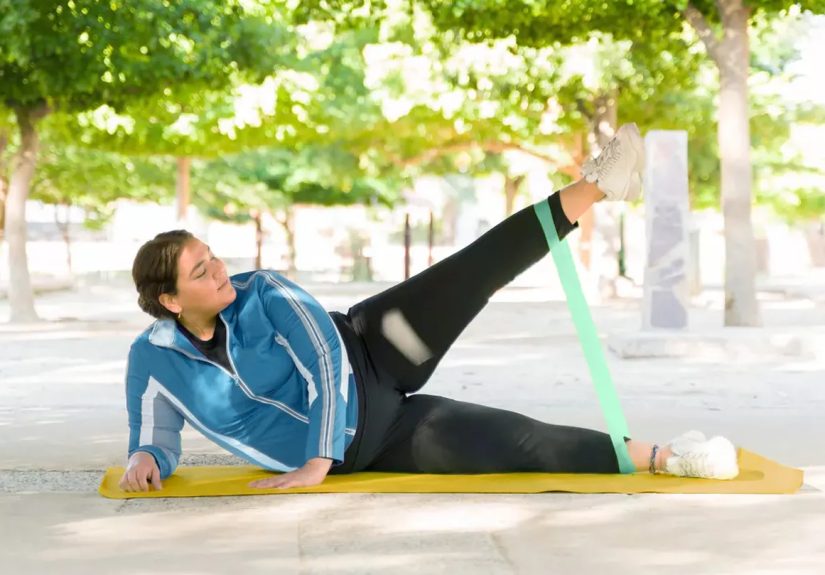
Rehabilitation for a pulled calf muscle focuses on regaining strength, flexibility, and mobility. Your rehabilitation program will typically include the following:
- Stretching and Flexibility Exercises: Gentle stretching exercises can help improve flexibility in the calf muscle and prevent tightness. Be careful not to overstretch too soon, as this could lead to further injury.
- Strengthening Exercises: Once the muscle has healed sufficiently, your physical therapist will likely recommend strengthening exercises to help rebuild muscle strength and prevent future strains.
- Gradual Return to Activity: Avoid jumping back into strenuous activities too soon. A slow return to your normal activities, such as walking, light jogging, or low-impact exercises, is essential for preventing reinjury.
Preventing a Pulled Calf Muscle
While you can’t always avoid injury, there are steps you can take to reduce the risk of a pulled calf muscle:
- Warm-Up: Always warm up before engaging in any intense physical activity. A proper warm-up increases blood flow to the muscles and prepares them for exertion.
- Strengthen Your Calf Muscles: Regular calf-strengthening exercises, such as calf raises, can help improve muscle strength and endurance, reducing the likelihood of injury.
- Stretch Regularly: Stretching the calf muscles before and after exercise can help improve flexibility and prevent overstretching.
- Rest When Needed: Avoid overtraining and listen to your body. If you’re experiencing discomfort or pain, take time to rest and recover.
When to See a Doctor
While most mild calf strains can be treated at home, there are times when you should see a doctor:
- If you experience severe pain, bruising, or swelling that doesn’t improve with home treatment.
- If you’re unable to bear weight on the injured leg.
- If the injury doesn’t seem to improve after a few days of rest and home care.
Experiences Related to Pulled Calf Muscle: Symptoms, Treatments, and Recovery
One of the most common experiences people have with a pulled calf muscle is the unexpected nature of the injury. Often, the injury occurs when performing everyday activities, such as picking something up or reaching for an item on a shelf, not just during intense workouts. In fact, many people report pulling their calf muscle while walking briskly or stepping off a curb. The pain can be quite sharp and sudden, making it difficult to continue with the activity.
Several individuals have shared stories of how they initially thought the injury was just a simple cramp. However, after trying to walk it off, the pain became unbearable, prompting them to seek medical care. A significant number of people who have pulled their calf muscle attest to the importance of early intervention. Most people can recover well if they follow the R.I.C.E. method and allow ample time for rest and rehabilitation.
It’s also common for people to experience frustration during recovery. The leg feels stiff and weak, and it may take several weeks before normal activities can be resumed. This can be especially challenging for athletes or those with physically demanding jobs. However, with consistency and dedication to physical therapy exercises, most individuals regain their full range of motion and strength.
Lastly, many people who have had a pulled calf muscle recommend strengthening exercises as a preventive measure. Regular calf raises, stretching routines, and exercises that focus on ankle stability can help avoid future injuries.
Conclusion
A pulled calf muscle can be a painful and frustrating injury, but with the right treatment and recovery plan, most people can return to their normal activities in due time. Early intervention, including rest, ice, compression, and elevation (R.I.C.E.), along with medical care and rehabilitation, are key to healing effectively. If you’re proactive in your recovery and preventive measures, you can reduce your chances of experiencing a pulled calf muscle again. Whether you’re an athlete or someone who enjoys walking, taking care of your calf muscles is an essential part of staying active and injury-free.
sapo: A pulled calf muscle can be a painful setback, but with the right treatment and rehabilitation, recovery is possible. This article covers the symptoms, treatment options, and how to prevent further injury.