Table of Contents >> Show >> Hide
- Why This Easy Pumpkin Cheesecake Works
- Ingredients for Pumpkin Cheesecake
- Ingredient Notes Before You Start
- How to Make Easy Pumpkin Cheesecake
- How to Know When Pumpkin Cheesecake Is Perfect
- Common Pumpkin Cheesecake Problems and Fixes
- Serving Ideas for Easy Pumpkin Cheesecake
- Make-Ahead and Storage Tips
- Easy Pumpkin Cheesecake Variations
- What Makes This the Best Pumpkin Cheesecake Recipe for Beginners
- Experiences From Real Kitchens: Why Pumpkin Cheesecake Becomes the Dessert Everyone Remembers
- Conclusion
There are two kinds of fall people: the ones who casually say, “I’ll just have a small bite,” and the ones already hiding near the fridge with a fork. This easy pumpkin cheesecake is for both groups. It has the cozy flavor of pumpkin pie, the rich tang of classic cheesecake, and the kind of creamy texture that makes everyone suddenly very interested in dessert.
If pumpkin pie feels a little too expected and regular cheesecake feels like it forgot autumn exists, this recipe lands right in the sweet spot. It is simple enough for a weekend bake, impressive enough for Thanksgiving, and forgiving enough that you do not need a pastry degree or a backup dessert. Just a mixer, a springform pan, a little patience, and the courage to ignore anyone who says store-bought whipped cream is “basically the same.”
Below, you will find a complete easy pumpkin cheesecake recipe, step-by-step directions, troubleshooting tips, serving ideas, storage advice, and a longer section at the end about real-life experiences with pumpkin cheesecake in actual kitchens where ovens run hot, crusts crumble, and somebody always asks if there is “just one more slice.”
Why This Easy Pumpkin Cheesecake Works
A great pumpkin cheesecake does not try to be too many things at once. It keeps the crust buttery, the filling smooth, and the spice level warm rather than aggressive. This version uses cream cheese for richness, pumpkin purée for flavor and color, sour cream for tang, brown sugar for deeper sweetness, and a sensible amount of pumpkin spice so the dessert tastes like fall instead of a scented candle.
It also skips the drama. Some cheesecakes act like they need a wellness retreat, a crystal collection, and twelve exact oven rituals. This one is much more relaxed. You can use a water bath if you want extra insurance against cracks, but even without one, careful mixing, gradual cooling, and proper chilling get you a beautiful result.
Ingredients for Pumpkin Cheesecake
For the crust
- 1 3/4 cups graham cracker crumbs
- 2 tablespoons brown sugar
- 1/2 teaspoon ground cinnamon
- 6 tablespoons unsalted butter, melted
- Pinch of salt
For the filling
- 24 ounces full-fat cream cheese, softened
- 1 cup pumpkin purée
- 3/4 cup granulated sugar
- 1/4 cup light brown sugar
- 3 large eggs, room temperature
- 1/2 cup sour cream
- 1 tablespoon cornstarch
- 1 1/2 teaspoons vanilla extract
- 1 1/2 teaspoons pumpkin pie spice
- 1/2 teaspoon ground cinnamon
- 1/4 teaspoon salt
Optional toppings
- Whipped cream
- A dusting of cinnamon
- Crushed gingersnaps or graham crackers
- Salted caramel drizzle
- Chopped pecans
Ingredient Notes Before You Start
Use pure pumpkin purée, not pumpkin pie filling. They are not the same thing, and confusing them is a fast way to turn your cheesecake into a sugary identity crisis. Full-fat cream cheese gives the best texture, and room-temperature ingredients matter more than people think. Soft cream cheese, eggs, and sour cream blend more smoothly, which means fewer lumps and less aggressive mixing.
If you want a little more personality in the crust, you can swap part of the graham cracker crumbs for crushed gingersnaps. That creates a slightly spicier base and makes the cheesecake feel extra festive without requiring any complicated moves.
How to Make Easy Pumpkin Cheesecake
1. Prepare the pan and oven
Preheat your oven to 325°F. Lightly grease a 9-inch springform pan. Wrap the outside of the pan in foil if you plan to use a water bath. Set a kettle of water on to boil if using that method.
2. Make the crust
In a medium bowl, stir together the graham cracker crumbs, brown sugar, cinnamon, salt, and melted butter until the mixture looks like wet sand. Press it firmly into the bottom of the pan and slightly up the sides. Bake for 8 to 10 minutes, then let it cool while you make the filling.
3. Beat the cream cheese
In a large bowl, beat the softened cream cheese until smooth. Scrape down the bowl often. Add the granulated sugar and brown sugar, then mix until creamy. Keep the speed moderate. Cheesecake likes a calm environment. Overbeating adds too much air, which can cause puffing and cracking later.
4. Add the pumpkin and flavorings
Mix in the pumpkin purée, sour cream, vanilla, cornstarch, pumpkin pie spice, cinnamon, and salt. Blend until smooth and evenly colored. The batter should look silky and smell like a bakery decided to get its life together.
5. Add the eggs last
Add the eggs one at a time, mixing on low speed just until combined after each one. Do not whip the batter into a mousse. This is cheesecake, not an audition for a foam-based dessert.
6. Fill the crust
Pour the batter over the cooled crust and smooth the top. Tap the pan gently on the counter a couple of times to release air bubbles.
7. Bake
Bake for 55 to 70 minutes. If using a water bath, place the springform pan inside a larger roasting pan and pour hot water into the outer pan until it comes about halfway up the sides. If not using a water bath, place the cheesecake on the center rack and keep an eye on it toward the end.
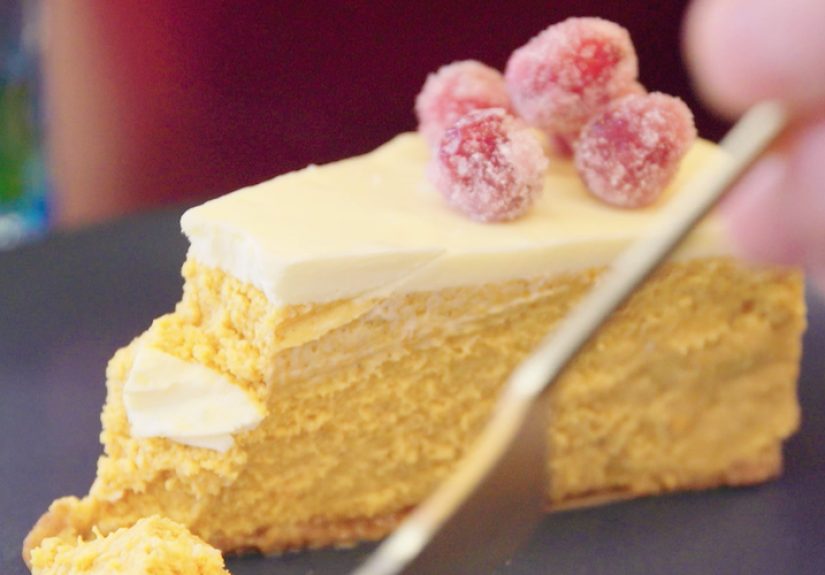
The cheesecake is done when the edges look set but the center still has a slight jiggle. It should not slosh, but it should not look fully firm either. Think “gentle wobble,” not “dessert earthquake.”
8. Cool slowly
Turn off the oven, crack the door open, and let the cheesecake sit inside for 30 minutes. Then remove it and cool completely at room temperature. Run a thin knife around the edge before chilling to help prevent sticking and sinking.
9. Chill completely
Refrigerate the cheesecake for at least 6 hours, but overnight is better. This is where the texture transforms from soft and hopeful to rich, sliceable, and irresistible.
How to Know When Pumpkin Cheesecake Is Perfect
The biggest mistake people make with easy pumpkin cheesecake is overbaking it because they expect it to behave like a regular cake. It will not. A cheesecake should still have a slightly soft center when it comes out of the oven. It firms up as it cools and chills. If you bake until the middle is completely stiff, you usually end up with a dry texture and a cracked top.
A perfect pumpkin cheesecake should have a smooth, creamy filling with gentle pumpkin flavor, light tang from the cream cheese and sour cream, and warm spice in the background. The crust should hold together without turning into a buttery gravel pit.
Common Pumpkin Cheesecake Problems and Fixes
Why did my cheesecake crack?
Usually because it was overmixed, overbaked, or cooled too quickly. A water bath helps, but so does not treating the batter like it insulted you. Mix gently, bake at a moderate temperature, and cool gradually.
Why is the filling lumpy?
Cold cream cheese is the usual culprit. Start with softened ingredients and scrape the bowl well. Tiny lumps can disappear while baking, but bigger ones tend to stay put like uninvited guests.
Why is my crust soggy?
If you use a water bath, make sure the springform pan is wrapped well. You can also place the wrapped pan inside a slightly larger cake pan before setting it into the roasting pan for extra protection.
Why is my cheesecake too soft?
It may need more chilling time, or it may have been underbaked. Always chill thoroughly before slicing. Cheesecake rewards patience and punishes shortcuts.
Serving Ideas for Easy Pumpkin Cheesecake
This pumpkin cheesecake recipe is excellent plain, but toppings can make it feel dressed for the occasion. A cloud of whipped cream is classic. Salted caramel adds extra fall mood. Toasted pecans bring crunch. Crushed gingersnaps on top make it look like you planned ahead, even if you were just rummaging through the pantry with determination.
For holiday tables, serve thin slices because this dessert is rich. Then watch everyone come back for a second slice “just to compare.” For smaller gatherings, pair it with hot coffee, chai, or a cold glass of milk and call it a successful evening.
Make-Ahead and Storage Tips
Easy pumpkin cheesecake is one of the best make-ahead desserts you can bake. In fact, it improves after a long chill. Make it a day ahead, keep it covered in the refrigerator, and add toppings right before serving. It will usually keep well for up to 4 days in the fridge.
You can also freeze it. Chill it fully first, then wrap individual slices or the whole cheesecake tightly in plastic wrap and foil. Freeze for up to 1 month for the best texture. Thaw overnight in the refrigerator. The crust may soften slightly, but the flavor still holds up beautifully.
Easy Pumpkin Cheesecake Variations
Gingersnap crust
Replace the graham cracker crumbs with gingersnap crumbs for more spice and a deeper cookie flavor.
Pumpkin cheesecake bars
Bake the same filling in a lined square pan for easier slicing and party-friendly portions.
Mini pumpkin cheesecakes
Use a muffin pan with liners and a vanilla wafer or cookie crumb base. These are excellent for potlucks, holiday dessert boards, and people who like pretending one mini cheesecake counts as restraint.
Caramel pecan pumpkin cheesecake
Add chopped toasted pecans and a light caramel drizzle for a richer holiday version.
What Makes This the Best Pumpkin Cheesecake Recipe for Beginners
This recipe is approachable because it balances flavor, texture, and simplicity. It does not demand hard-to-find ingredients, and it does not require bakery-level technique. The steps are straightforward, the ingredient list is familiar, and the result feels much fancier than the effort suggests.
It also gives you room to cook like a real person. Your crust does not have to be mathematically perfect. Your swirl of whipped cream does not need to belong in a magazine. Even if the top cracks a little, you can cover it with whipped cream and call it rustic. That is not cheating. That is strategy.
Experiences From Real Kitchens: Why Pumpkin Cheesecake Becomes the Dessert Everyone Remembers
One of the most interesting things about making pumpkin cheesecake is how quickly it becomes tied to memories. Pumpkin pie may be traditional, but cheesecake has a way of stealing the spotlight because it feels a little more luxurious. It is the dessert people notice when it enters the room. Heads turn. Conversations pause. Someone says, “Oh wow,” in a tone usually reserved for fireworks and celebrity sightings.
In many home kitchens, the first pumpkin cheesecake of the season starts with mild confidence and ends with a lesson in patience. Someone rushes the chilling step, cuts too early, and gets a slice that leans dramatically to one side. It still tastes fantastic, of course, because pumpkin, cream cheese, and warm spice are a team with a very strong record. But the next time, that same baker waits overnight and suddenly discovers the difference between “pretty good” and “where has this been all my life?”
There is also the classic cheesecake moment when people stare through the oven door as if visual concentration alone can prevent cracks. It rarely helps, but it does feel productive. Then comes the debate over toppings. One person wants whipped cream only. Another insists on caramel. Someone else says pecans are essential. The beauty of an easy pumpkin cheesecake recipe is that it can handle all of those opinions without falling apart, socially or structurally.
For holiday hosts, pumpkin cheesecake often becomes the backup plan that turns into the main event. Maybe the original idea was pie, but then someone wanted something creamier, richer, and easier to make ahead. Enter cheesecake, saving the day with excellent posture and strong seasonal energy. It chills quietly in the refrigerator while the rest of the meal causes chaos. No last-minute frosting, no frantic assembly, no drama. It just waits there, being elegant.
Even beyond the holidays, pumpkin cheesecake fits smaller moments surprisingly well. It works for a cozy Sunday dinner, a fall birthday, a friendsgiving, or a random weeknight when the weather turns crisp and suddenly everyone wants cinnamon in everything. A single slice with coffee can feel like a reward for surviving your inbox. A second slice can feel like none of your business.
What people remember most, though, is not only the flavor. It is the experience around it. The smell of spice while it bakes. The tiny burst of pride when the pan comes out looking smooth and golden. The first clean slice after an overnight chill. The sound of a fork tapping a dessert plate. The silence that follows the first bite. That silence is important. It means the cheesecake is doing its job.
So yes, this is an easy pumpkin cheesecake recipe. But it is also the kind of dessert that feels generous, festive, and just a little bit theatrical in the best possible way. It asks for a little care, rewards patience, and almost always disappears faster than expected. Which is why experienced bakers learn one important truth: when in doubt, make the pumpkin cheesecake, and maybe hide one slice for tomorrow.
Conclusion
If you want a fall dessert that feels classic but still a little extra, this pumpkin cheesecake recipe is a strong choice. It delivers the creamy richness people love in cheesecake, the cozy spice and color of pumpkin desserts, and enough flexibility for both beginners and confident bakers. Make it for Thanksgiving, make it for a weekend dinner, or make it because you bought canned pumpkin for one recipe and now refuse to waste the rest. Any of those reasons are solid.
Note: This article is an original, web-ready synthesis based on real U.S. baking practices and recipe patterns, rewritten in a fresh style for publication.