Table of Contents >> Show >> Hide
- Quick Recipe Snapshot
- Why This Slaw Works (A Tiny Flavor Science Moment)
- Ingredients
- Step-by-Step Instructions
- Pro Tips for a Slaw That Stays Crunchy
- Flavor Variations (Because Your Slaw Should Have Options)
- What to Serve with Carrot Raisin Yogurt Slaw
- Make-Ahead, Storage, and Food Safety
- Nutrition Notes (Not a Lecture, Just the Helpful Bits)
- Conclusion: Your New Go-To “Bring a Side” Recipe
- Kitchen Stories & Slaw Lessons (The 500-Word Reality Check)
Let’s talk about a dish that has quietly been carrying potlucks on its crunchy little back for decades:
carrot and raisin salad. Now let’s give it a glow-upless “mystery mayo,” more “bright, tangy, creamy in a
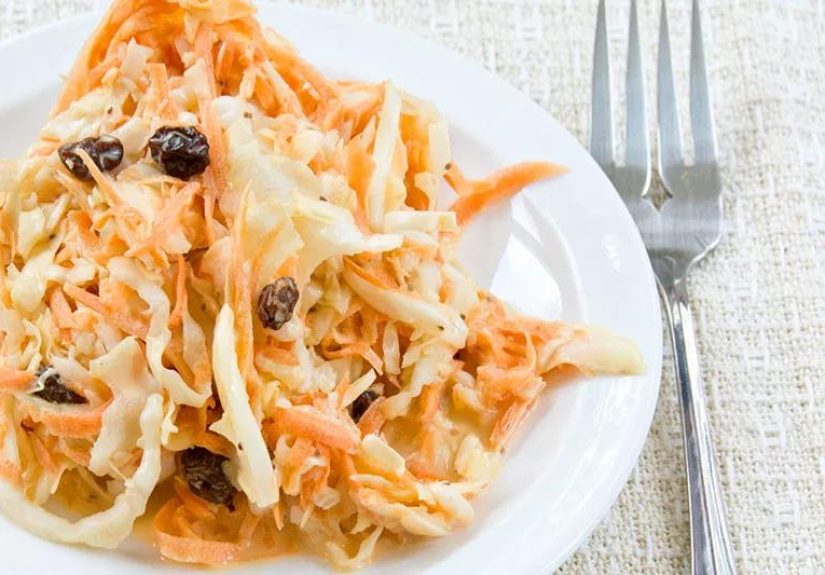
I-still-want-seconds kind of way.” Enter: Carrot, Raisin and Yogurt Slaw, a sweet-savory side
that tastes like it brought a plus-one and that plus-one is charming.
This recipe leans on shredded carrots for snap, raisins for pop-the-confetti sweetness, and a
Greek yogurt dressing that’s creamy without feeling heavy. It’s the kind of slaw that can hang
next to barbecue, tuck into tacos, or live its best life on a lunch plate without turning into a soggy mess
(as long as you follow a couple simple tricks).
Quick Recipe Snapshot
- Prep time: 15 minutes
- Chill time: 20–30 minutes (optional but recommended)
- Servings: 6 as a side (or 4 if your friends “just want a taste”)
- Vibe: Creamy, bright, lightly sweet, very crunchy
- Main keyword: Carrot raisin yogurt slaw
- Related keywords (sprinkled in naturally): healthy coleslaw, no mayo slaw, Greek yogurt dressing, carrot raisin salad
Why This Slaw Works (A Tiny Flavor Science Moment)
Carrots bring sweetness and crunch, but they can taste a little one-note on their own. Raisins reinforce the
sweet side, so we balance the whole party with acid (lemon and/or apple cider vinegar),
salt (to wake up the flavors), and a little mustard (for zip and structure).
Greek yogurt gives body and tang, while a small touch of honey or maple rounds off sharp edges.
The goal is a dressing that coats, not floodsthink “velvety jacket,” not “cream soup situation.” That way the
slaw stays crisp and scoopable, which is kind of the point of slaw. If we wanted soup, we’d bring a ladle.
Ingredients
This is a flexible recipe. The measurements below are a sweet spot for classic flavor and good texture.
Use them as your base and then make it yours.
For the slaw
- 4 cups shredded carrots (about 6–7 medium carrots, or use pre-shredded for speed)
- 1/2 to 3/4 cup raisins (golden or regular)
- 2 scallions, thinly sliced (optional, but highly recommended for a savory edge)
- 1/4 cup chopped fresh parsley or mint (optional, for freshness)
- 1/3 cup chopped walnuts or pecans (optional, for crunch)
- 1 cup shredded cabbage (optional, if you want a more “classic coleslaw” feel)
For the yogurt dressing
- 1/2 cup plain Greek yogurt (2% or whole is creamiest; nonfat also works)
- 1 1/2 tablespoons lemon juice (about half a lemon)
- 1 tablespoon apple cider vinegar (or use more lemon instead)
- 1 to 1 1/2 tablespoons honey or maple syrup (start smaller; you can always sweeten)
- 1 teaspoon Dijon mustard
- 1/2 teaspoon kosher salt (plus more to taste)
- 1/4 teaspoon black pepper
- 1/4 teaspoon celery seed (optional, for “classic slaw” nostalgia)
- 1/8 teaspoon garlic powder (optional, subtle savory depth)
- 1 to 2 tablespoons water (only if needed to loosen the dressing)
Step-by-Step Instructions
1) (Optional) Plump the raisins for maximum juiciness
If your raisins are soft already, skip ahead. If they’re chewy like they’ve been doing jaw workouts, do this:
put raisins in a small bowl, cover with hot water, and let sit 10–15 minutes. Drain well and pat dry.
This little move makes the slaw taste more vibrant and less “snack mix from the bottom of a backpack.”
2) Shred the carrots like you mean it
For the best texture, shred carrots yourself using a box grater or food processor. Pre-shredded carrots work,
but they can be thicker and drier. If you use bagged carrots, consider giving them a quick chop so they’re less
“matchstick” and more “slaw.”
3) Whisk the dressing until smooth
In a small bowl, whisk together Greek yogurt, lemon juice, apple cider vinegar, honey (or maple), Dijon,
salt, pepper, and any optional seasonings. Taste it. You’re looking for a balance of tangy and lightly sweet.
If it tastes too sharp, add a drizzle more honey. If it tastes flat, add a pinch of salt or another squeeze
of lemon. If it’s too thick to coat easily, add a splash of water (start with 1 tablespoon).
4) Toss, rest, and taste again
In a large bowl, combine shredded carrots, raisins, and any add-ins (scallions, herbs, nuts, cabbage).
Pour dressing over and toss until everything is evenly coated. Let the slaw rest for 10 minutes, then taste
again and adjust: more salt, more lemon, more pepperwhatever makes it sing.
5) Chill for peak flavor (optional, but worth it)
You can serve immediately for maximum crunch, but a short chill (20–30 minutes) helps flavors meld.
If you’re making it ahead, see the make-ahead tips below so it stays crisp.
Pro Tips for a Slaw That Stays Crunchy
- Don’t overdress. Start with about 3/4 of the dressing, toss, then decide if you want the rest.
You can always add moretaking it away is… emotionally difficult. - Make carrots the star, not the sponge. If your carrots seem watery after mixing, it usually means
they were shredded very fine or sat too long. Drain any liquid and refresh with a spoonful of yogurt plus a
squeeze of lemon. - Use full-fat Greek yogurt for the creamiest “no mayo slaw” vibe. Lower-fat works, but you may need
less acid or a touch more sweetener to balance tang. - Raisins are adjustable. Start at 1/2 cup if you want mild sweetness; go to 3/4 cup if you want
classic carrot raisin salad energy.
Flavor Variations (Because Your Slaw Should Have Options)
Tropical Picnic Version
Stir in 1/2 cup crushed pineapple (drained well) and add 1/2 teaspoon vanilla to the
dressing. It sounds quirky. It also tastes like summer decided to be helpful.
Spiced Cumin-Mint Version
Add 1/2 teaspoon ground cumin and a pinch of coriander to the dressing, then toss in chopped mint.
This version is fantastic with grilled chicken, lamb, or anything that smells like a backyard gathering.
Poppy Seed Citrus Version
Add 1 tablespoon poppy seeds and swap some lemon juice for orange juice. This leans bright and
brunchyperfect next to sandwiches or a big green salad.
More Classic “Healthy Coleslaw” Mode
Add shredded green and purple cabbage, and keep the celery seed in the dressing. Suddenly it’s
Greek yogurt coleslaw’s cheerful cousin who actually shows up on time.
What to Serve with Carrot Raisin Yogurt Slaw
- Barbecue: ribs, pulled chicken, brisket, veggie burgers
- Taco night: especially fish tacos, shrimp tacos, or black bean tacos
- Sandwiches: turkey clubs, grilled cheese, tuna melts, pita wraps
- Meal prep lunches: pair with rotisserie chicken, chickpeas, or quinoa
- Holiday spreads: a lighter counterpoint to rich casseroles and creamy sides
Make-Ahead, Storage, and Food Safety
This slaw is friendly to planners, but it has one boundary: it doesn’t love hanging out at room temperature
for hours like it’s auditioning for a countertop reality show.
Make-ahead strategy
- Best method: store shredded carrots (and cabbage, if using) separately from the dressing, then toss 30–60 minutes before serving.
- Raisins and nuts: keep separate until serving for the best texture (nuts stay crisp; raisins stay perky).
How long it lasts
In an airtight container in the fridge, the slaw is best within 3 days for crunch, but it can still be
enjoyable up to 5 days depending on how finely your vegetables were shredded. If it weeps a little
liquid, drain and refresh with a spoonful of yogurt and a squeeze of lemon.
Two-hour rule (a.k.a. the picnic guardrail)
Don’t leave it out longer than 2 hours (or 1 hour if it’s very hot outside). When in doubt,
put the bowl on ice, keep the lid nearby, and pretend you’re a responsible adult. (You are. You’re serving
vegetables.)
Nutrition Notes (Not a Lecture, Just the Helpful Bits)
Carrots are known for beta-carotene, which the body can convert to vitamin A, and yogurt adds protein and
creamy satisfaction. If you choose plain Greek yogurt, you’re also skipping a lot of added sugar found in
flavored varieties. Translation: it tastes great and doesn’t require a nap afterward.
Conclusion: Your New Go-To “Bring a Side” Recipe
This carrot raisin yogurt slaw hits the sweet-tangy-crunchy trifecta, and it plays well with
everything from weeknight dinners to cookouts. It’s also endlessly customizable, which means you can make it
ten times and claim it’s “a different recipe” each time. (Technically true. Spiritually true. Deliciously true.)
Kitchen Stories & Slaw Lessons (The 500-Word Reality Check)
Here’s what usually happens when people first meet this slaw: they see carrots and raisins and think,
“Oh, that old potluck thing.” Then they take a bite and do a little double-takebecause the yogurt dressing
makes it taste fresher, lighter, and more modern than the version that sometimes shows up swimming in
sweet mayo. If you’ve ever brought a “classic” dish to a gathering and watched it get ignored next to the
trendy appetizer board, this is your redemption arc.
The biggest lesson is also the simplest: texture is the whole game. Shred carrots too far in advance
and they start to soften. Dress everything too early and the slaw can lose its snap. But do it rightcrisp
carrots, just enough dressing, a short restand you get that ideal “crunch first, cream second” bite that
keeps forks coming back. This is why the make-ahead strategy matters. Keeping veggies and dressing separate
is not “extra.” It’s the difference between “wow, can I get the recipe?” and “it’s… fine.”
Another sneaky detail: raisins. People assume raisins are raisins, but there’s a big difference between
plump, juicy raisins and the ones that feel like they were dehydrated during a lunar eclipse. If your raisins
are on the dry side, soaking them for a few minutes is the cheapest upgrade imaginable. The slaw tastes more
balanced because the sweetness shows up gently instead of in chewy little bursts. Bonus: if someone claims
they “don’t like raisins,” they’re often reacting to texture. Plump raisins are the gateway.
If you’re serving kids (or adults who eat like kids when nobody’s looking), consider the “friendly” version:
skip scallions, go easy on vinegar, add a touch more honey, and toss in chopped apples for extra crunch.
Suddenly it’s less “salad” and more “crunchy snack in a bowl.” For a grown-up cookout version, do the opposite:
keep scallions, add mint, add cumin, and sprinkle toasted nuts on top right before serving. It’s still easy,
but it feels intentionallike you own matching serving spoons.
One more real-world scenario: the slaw is sitting on a buffet table, and it’s warm outside. Someone is
hovering with the lid half-on, half-off, like the bowl is undecided about climate control. This is when you
become the hero who quietly moves it into the shade or onto a tray of ice. Cold, creamy salads don’t like
heat. They get weepy, lose crunch, and (more importantly) become food-safety question marks. The good news is
that the fix is simple: keep it chilled, serve smaller batches, and refill as needed. People will think you’re
organized. You’ll know you just didn’t want sad slaw.
Finally, don’t be surprised if this recipe becomes your default “I need a side in 15 minutes” solution.
The ingredients are pantry- and fridge-friendly, it scales easily, and it’s adaptable to whatever you’re
cooking. Plus, it’s one of those dishes that tastes like you tried harder than you did. And honestly, that’s
the dream: maximum compliments, minimum effort, and a bowl that comes home empty.