Table of Contents >> Show >> Hide
- Why This Dish Works
- Quick Snapshot
- Ingredients
- How to Choose a Good Spaghetti Squash
- Step-by-Step Instructions
- Pro Tips for the Best Texture
- Flavor Upgrades (Choose Your Own Adventure)
- Serving Ideas
- Storage and Reheating
- Nutrition Notes (Real Talk, Not a Lecture)
- FAQ
- Conclusion
- Extra: Real-Life Experiences With This Recipe (Because Cooking Is Never Just “Step 1, Step 2”)
If spaghetti night and “I should probably eat a vegetable” had a baby, it would be spaghetti squash. It’s the undercover noodle that shows up to dinner wearing a squash costume, ready to soak up tomato sauce and melt cheese like it was born for the job.
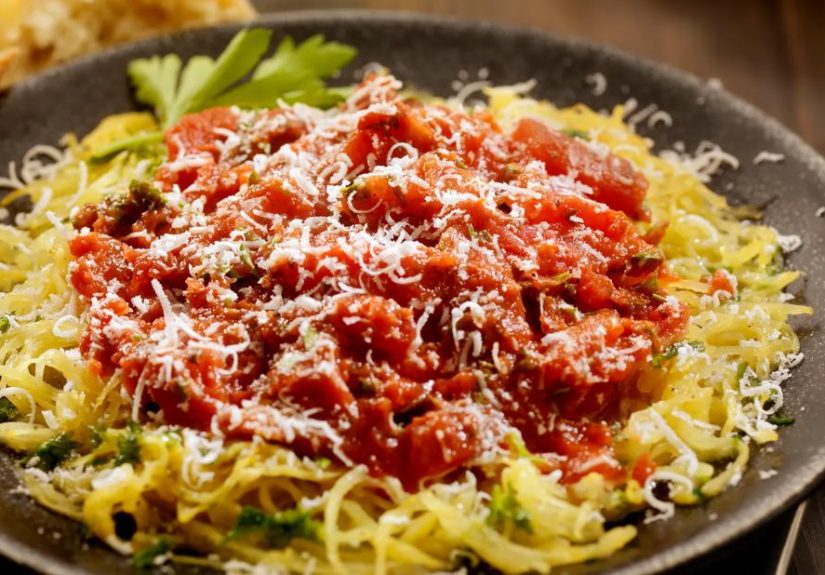
This recipe is a cozy, weeknight-friendly way to turn one humble spaghetti squash into a fork-twirling, mozzarella-bubbling plate of comfortwithout boiling pasta water or arguing with a colander. You’ll roast the squash until it turns into tender strands, spoon in a punchy tomato sauce, sprinkle on cheese, and bake just long enough to get that golden, stretchy top that makes people “just taste” it six times.
Why This Dish Works
- Spaghetti squash = built-in “noodle bowl.” Roast it, scrape it, and you’ve got strands that hold sauce beautifully.
- Tomato sauce loves a little time. Simmering concentrates flavor and mellows acidityno sugar bomb required.
- Cheese seals the deal. It adds richness and that “baked pasta” vibe (even though you never cooked pasta).
Quick Snapshot
- Prep time: 15 minutes
- Cook time: 45–60 minutes (mostly hands-off)
- Total time: About 1 hour
- Servings: 2 as a main, 4 as a side
- Skill level: Beginner-friendly (the squash looks tough; you’re tougher)
Ingredients
For the spaghetti squash
- 1 medium spaghetti squash (about 3–4 pounds)
- 1–2 tablespoons olive oil
- 1/2 teaspoon kosher salt
- 1/4 teaspoon black pepper
For the tomato sauce (quick homemade)
- 1 tablespoon olive oil
- 3–4 cloves garlic, minced
- 1/2 small onion, finely chopped (optional, but recommended)
- 1 can (28 ounces) whole peeled tomatoes or crushed tomatoes
- 1 teaspoon dried oregano
- 1/2 teaspoon dried basil (or 1 tablespoon chopped fresh basil)
- Pinch of red pepper flakes (optional)
- Salt and pepper, to taste
- Optional acidity helper: 1 small carrot (whole, halved) or 1–2 tablespoons grated carrot
For the cheesy finish
- 1 to 1 1/2 cups shredded mozzarella (or a mozzarella–provolone blend)
- 1/4 cup grated Parmesan (optional but highly encouraged)
- Fresh basil or parsley, for serving (optional)
How to Choose a Good Spaghetti Squash
Look for a squash that feels heavy for its size (more flesh, fewer sad air pockets) with a hard, matte rind. Small blemishes are fine; soft spots are not. If it’s bright yellow and looks like it could survive minor weather events, you’re in business.
Step-by-Step Instructions
1) Roast the spaghetti squash
- Preheat your oven to 400°F. Line a baking sheet with parchment or foil for easy cleanup.
- Carefully cut the spaghetti squash lengthwise. Scoop out the seeds and stringy bits. Cutting tip: If it’s too stubborn to slice, microwave it in short bursts (about 1 minute at a time) or warm it briefly so the rind softens just enough to cooperate.
- Brush or rub the cut sides with olive oil, then season with salt and pepper.
- Place the halves cut-side down on the baking sheet. Roast for 35–45 minutes, depending on size, until a knife slides in with just a little resistance. (You want tender strands, not squash pudding.)
- Let it cool for 5–10 minutes. Then use a fork to scrape the flesh into spaghetti-like strands.
2) Make a simple, bold tomato sauce
- Heat olive oil in a saucepan over medium heat. Add onion (if using) and cook 3–5 minutes until softened.
- Add garlic and cook 30 seconds until fragrant. (If it smells amazing, you’re doing it right.)
- Pour in tomatoes. If using whole peeled tomatoes, break them up with a spoon (or carefully blitz with an immersion blender for a smoother sauce).
- Stir in oregano, basil, red pepper flakes, and a pinch of salt. If you’re using the carrot trick to mellow acidity, add the halved carrot now (or stir in grated carrot).
- Simmer uncovered for 15–25 minutes, stirring occasionally, until slightly thickened.
- Remove the carrot (if whole) and taste. Adjust salt, pepper, and herbs as needed.
3) Assemble and bake with cheese
- Keep the oven at 400°F.
- You have two great options:
- Squash boats: Leave the strands in the shell, fluff with a fork, spoon sauce over the top, add cheese.
- Casserole style: Scrape strands into a baking dish, mix with sauce, top with cheese.
- Top with mozzarella and Parmesan.
- Bake for 10–15 minutes until the cheese melts and bubbles. Broil 1–2 minutes if you want golden spots (watch closelybroilers go from “perfect” to “tragedy” fast).
- Finish with fresh basil or parsley. Serve hot.
Pro Tips for the Best Texture
Don’t over-roast the squash
Spaghetti squash can go from pleasantly al dente to watery and limp if it’s roasted too long. Pull it when the strands separate easily, but still have a little bite.
Roast cut-side down for less watery squash
Roasting cut-side down helps excess moisture evaporate instead of pooling in the cavity, which keeps strands more “noodle-like” and less “oops, this is soup.”
Simmer sauce uncovered
Sauce thickens by evaporation. If you cover it, you trap steam and keep it thin. Uncovered simmering = richer tomato flavor and better cling.
Flavor Upgrades (Choose Your Own Adventure)
Make it extra cozy
- Add Italian sausage (browned, then simmered in the sauce).
- Stir in ricotta (dollops on top before the cheese) for a lasagna vibe.
- Use a three-cheese blend (mozzarella, provolone, Parmesan) for deeper flavor.
Boost the veggies
- Sautéed mushrooms, zucchini, spinach, or bell peppers
- Roasted cherry tomatoes mixed into the sauce for sweetness
- Fresh basil and a squeeze of lemon at the end for brightness
Make it vegan (still delicious)
- Use olive oil and load up the herbs and garlic
- Top with a dairy-free mozzarella alternative or a cashew “Parmesan” crumble
- Add lentils or chickpeas to the sauce for heartiness
Serving Ideas
- As a main: Pair with a crisp side salad and garlic bread (yes, even with squashlife is balance).
- As a side: Serve alongside roasted chicken, turkey meatballs, or a simple grilled fish.
- For meal prep: Portion into containers and add fresh herbs after reheating so they stay bright.
Storage and Reheating
Refrigerator
Store leftovers in an airtight container for 3–4 days. If you can, keep sauce separate from strands to reduce sogginess.
Freezer
You can freeze the sauce easily for up to 3 months. Spaghetti squash strands can be frozen too, but they soften more after thawing. If freezing the whole assembled dish, expect a softer texture (still tasty, just less “noodle-y”).
Reheating
- Microwave: Quickestheat in 60-second bursts.
- Oven: Best texturecover and warm at 350°F until heated through, then uncover briefly to re-melt the top.
Nutrition Notes (Real Talk, Not a Lecture)
Spaghetti squash is naturally gluten-free and lighter than traditional pasta, which is why it’s a favorite “pasta night” swap. It’s also a sneaky way to add more veggies without feeling like you’re eating a “healthy substitute” that tastes like compromise. Pairing it with tomato sauce and cheese adds satisfactionbecause the goal is a dinner you actually want to repeat.
FAQ
Can I cook the spaghetti squash in the microwave?
Yes. Microwaving is fast and helpful when you’re short on timeor when the squash is too tough to cut. Many cooks microwave briefly to soften the rind before slicing, then finish cooking cut-side down. Just remember: microwave methods can produce slightly softer, wetter strands than roasting.
How do I keep it from getting watery?
Roast cut-side down, don’t overcook, and keep your sauce thick. If your strands look wet, let them sit for a minute after scraping, then spoon on thicker sauce rather than mixing everything into a puddle.
What cheese works best?
Mozzarella gives you that classic melt, Parmesan adds salty punch, and provolone brings extra depth. For a sharper flavor, try a little shredded fontina or a small sprinkle of aged cheddar.
Conclusion
Spaghetti squash with tomato sauce and cheese is proof that comfort food doesn’t need a complicated ingredient list or a sink full of pasta pots. Roast the squash until it turns into tender strands, simmer a bold tomato sauce, blanket it with cheese, and bake until bubbly. It’s weeknight-easy, crowd-pleasing, and flexible enough to handle whatever you’ve got in your fridgeaka the holy trinity of dinner wins.
Extra: Real-Life Experiences With This Recipe (Because Cooking Is Never Just “Step 1, Step 2”)
The first time I made spaghetti squash, I expected a magical, flawless pasta impersonationlike the squash would leap out of the oven, twirl itself around a fork, and whisper “ciao” in perfect Italian. What I actually got was a very large, very determined gourd that looked at my chef’s knife and chose violence. If you’ve ever tried to cut a raw spaghetti squash, you know it’s less “meal prep” and more “audition for an action movie.” Now I always use the practical trick: warm the squash just enough to make it easier to slice. A short microwave burst or a quick stint in a hot oven doesn’t fully cook itit just convinces the rind to stop being so dramatic.
Then there’s the great texture debate: soft and cozy vs. firm and noodle-like. I learned the hard way that “just a few more minutes” in the oven can turn those strands from pleasantly al dente into something closer to buttery squash confetti. The sweet spot is when you can pierce the skin easily, but the strands still hold their shape when you scrape them. If you’re serving guests (or picky family members), a slightly firmer squash wins almost every time. It feels more like spaghetti, and it doesn’t collapse under the sauce like a sad, saucy hammock.
Sauce is where personalities really show up. Some nights I want a smooth marinara that tastes like a cozy red-sauce restaurant. Other nights I want it chunky and bold, like it’s got opinions. The best lesson I stole (respectfully) from many home-cook sauces: simmer matters. Even 15 minutes transforms canned tomatoes from “fine” into “wait, did you make this from scratch?” And when the sauce tastes a little sharp, the carrot trick is honestly weirdly effective. You’re not making carrot soup. You’re just borrowing a little natural sweetness so the tomatoes calm down and stop yelling at your taste buds.
Cheese is the part that makes everyone hover near the oven door like it’s a fireplace. If I’m cooking for myself, I’ll do a practical blanket of mozzarella and call it a day. If I’m cooking for people I want to impress, I mix mozzarella with a little Parmesan and then broil briefly for those browned spots. That tiny moment of golden bubbling convinces everyone the dish took way more effort than it did. (This is the same strategy as wearing a blazer to a Zoom call: minimal effort, maximum perceived competence.)
Over time, this recipe has become one of my favorite “reset dinners”the kind you make after a weekend of takeout, or before a busy week when you want leftovers that reheat well. It’s also flexible enough to match your mood: add sausage for comfort, mushrooms for depth, spinach for virtue, or extra red pepper flakes for vengeance. And the funniest part? Every single time I serve it, someone says, “I can’t believe this is squash.” Which is exactly the point. It’s not trying to be pasta perfectly. It’s trying to be delicious on its own terms saucy, cheesy, cozy, and just noodle-like enough to make spaghetti night feel familiar.