Table of Contents >> Show >> Hide
- From Saggy Springs to the Bed-in-a-Box Revolution
- What “Reinventing the Mattress” Means in 2025
- The Silicon Valley Mattress Mindset
- How to Choose a Futuristic Mattress Without Losing Sleep
- Real-World Experiences: Sleeping on a Silicon Valley Mattress
- The Future of Sleep: From Foam Blocks to Sleep Operating Systems
Once upon a time, buying a mattress meant wandering through a fluorescent showroom,
awkwardly lying down in your shoes while a salesperson hovered nearby asking if you
“sleep hot.” No wonder a bunch of Silicon Valley programmers looked at all that and
thought: There has to be a better way. That’s the spirit behind the classic
Remodelista idea of “Reinventing the Mattress, Silicon Valley Edition” take
something painfully boring, apply tech-brain energy, and see what happens.
Over the past decade, the mattress has quietly become one of the most disrupted
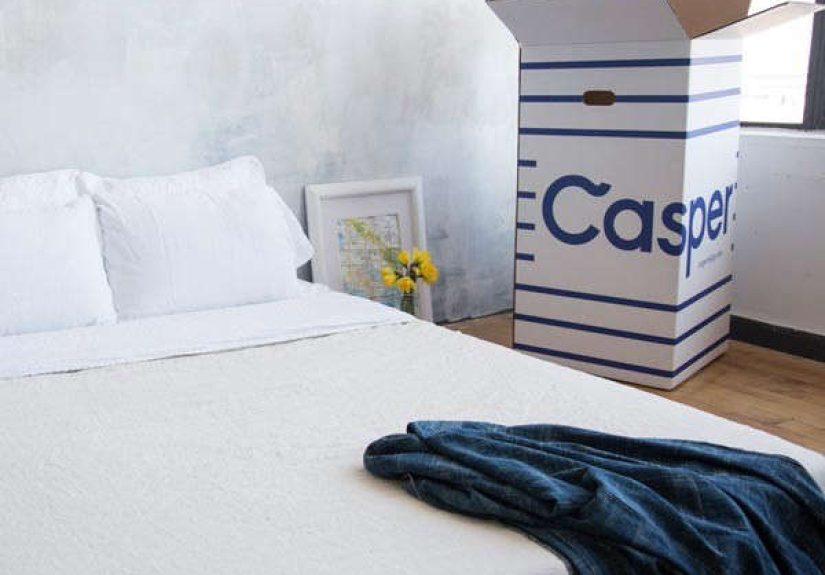
products in the home. First came the direct-to-consumer, bed-in-a-box revolution,
then a wave of smart mattresses promising sleep tracking, temperature control, and
AI-powered insights. Today, your bed can show up in a box, connect to Wi-Fi, cool
itself down, track your heart rate, and possibly know more about your REM cycles than
you do.
This article takes a look at how Silicon Valley and its start-up cousins have
reinvented the humble mattress, what all that tech actually does, and whether you
really need a bed that can send you push notifications about your sleep “performance.”
From Saggy Springs to the Bed-in-a-Box Revolution
The first wave of “reinventing the mattress” wasn’t about apps or AI. It was about
making the entire buying process less painful. In the early 2010s, brands like
Casper, Tuft & Needle, Purple, and Saatva shook up an industry dominated by
legacy manufacturers, confusing model names, and sales that never really seemed to
end.
The big idea was deceptively simple:
- Fewer choices: Instead of 47 nearly identical models, many new brands launched with just one or two mattresses.
- Online only: No showrooms, no pushy salespeople, no weekend “blowout” gimmicks.
- Compressed shipping: The now-famous bed-in-a-box, delivered to your doorstep in days.
- Risk-free trials: 90–365 nights to sleep on it, with free returns if you hated it.
The Remodelista take on Silicon Valley mattress founders captured that moment:
programmer-types who couldn’t stand the traditional buying process, so they rewrote
the script. Instead of obsessing over coil counts, they focused on foam recipes,
airflow, and the “universal comfort” idea a medium-firm feel that works for the
vast majority of sleepers and feels like a good hotel bed rather than a medical
device.
Consumer testing labs in the U.S. quickly showed that these new mattresses were not
just hype. Many of them performed competitively or better than traditional models for
support, durability, and owner satisfaction, especially when you considered the
pricing and generous trial periods. Over time, the direct-to-consumer model became a
permanent part of the U.S. mattress landscape, not just a quirky start-up fad.
How Tech Culture Changed Mattress Design
What made this feel like a “Silicon Valley” story wasn’t only that founders were
programmers. It was the mindset:
- Iterate quickly: Use customer feedback and reviews to tweak foam layers and firmness over time.
- Data over tradition: Rely less on legacy notions of “firm vs. plush” and more on real-world sleep data and A/B testing.
- Design-forward minimalism: Clean, simple aesthetics that fit the Remodelista sensibility: low-profile foundations, unfussy fabrics, and very little visual “noise.”
In other words, the mattress became a product you could buy the same way you buy a
phone or a laptop: online, with clear specs, straightforward pricing, and reviews you
can actually understand.
What “Reinventing the Mattress” Means in 2025
Fast-forward to today, and the next phase of reinvention goes far beyond foam
density. Now we’re talking about smart mattresses and smart bed
systems sleep platforms that bundle sensors, temperature control, and detailed
analytics into something that still looks (mostly) like a bed.
A typical modern smart mattress or smart bed setup might include:
- Embedded sensors: They track movement, heart rate, breathing, and sleep stages.
- Temperature control: Water- or air-based systems that can cool or heat each side of the bed independently.
- Automatic adjustments: Air chambers or zones that subtly shift firmness as you move.
- Companion app: A dashboard that shows your sleep score, trends, and suggestions for improving rest.
Instead of simply being “comfortable,” the mattress is now marketed as a health and
performance tool. In Silicon Valley terms, it’s not just a place to crash; it’s
sleep infrastructure for your brain and body.
Smart Mattresses, De-Jargoned
If you’re allergic to tech buzzwords, here’s the short version of what these systems
actually do:
- You lie down. The sensors quietly measure how much you move and how long you stay in each sleep stage.
- The system uses that information to tweak things like temperature or support during the night, aiming to keep you in deeper, more restorative sleep.
- In the morning, your phone shows a summary: how long you slept, how often you woke up, your heart-rate trends, and sometimes even hints about how stress, alcohol, or late-night screen time affected your rest.
For many people, this is genuinely helpful. Seeing the difference between “four hours
of broken sleep” and “seven hours of mostly deep sleep” can be the nudge that
motivates healthier habits. For others, it can feel like getting graded on something
that used to be blissfully unconscious.
Cooling, Heating, and the War on Night Sweats
One of the most dramatic upgrades in Silicon Valley style mattress systems is
temperature control. Brands now offer beds and covers that can pre-chill your side of
the bed to a specific degree, then warm you up gradually before your alarm. Some
systems span a temperature range from the mid-50s to around 110°F, adjusting in real
time if you overheat or get too cold.
This isn’t just a luxury for people who run hot. Sleep researchers have long known
that cooler environments promote deeper sleep. For menopausal women dealing with hot
flashes, or anyone living in a warm climate with so-so air conditioning, a bed that
cools itself can be a game changer. Several smart systems now include specific modes
for managing hot flashes press a button, and the bed rapidly drops in temperature
before easing back to normal when your body calms down.
Silicon Valley loves to talk in percentages, and smart-bed makers are happy to play
along: less time to fall asleep, more deep sleep, fewer wake-ups, even reduced
snoring for certain users. The marketing is bold, but it’s rooted in real sleep
physiology your body likes stable, slightly cool conditions, and it appreciates not
having to kick off the covers every hour.
The Silicon Valley Mattress Mindset
At the high end of this movement, you’ll find systems that cost as much as a used
car. Some flagship smart mattresses and covers sell for several thousand dollars,
often with optional monthly subscriptions for advanced analytics, extra features, or
“sleep coaching.” This is where the “Silicon Valley Edition” label feels most
literal: the bed is a connected device, the company is a venture-backed start-up, and
the product roadmap includes AI agents and medical-grade applications.
A few core ideas define this mindset:
- Sleep as a performance metric: Just like steps or workouts, sleep gets tracked, charted, and optimized.
- Subscriptions for rest: Some companies bundle premium features and extra insights into memberships, turning your bed into a recurring line item, not just a one-time purchase.
- Health-tech ambitions: The long-term play often includes medical-grade monitoring, insurance reimbursement, and clinical partnerships.
More traditional brands have also joined the party with smart beds that automatically
adjust firmness as you move and track your sleep without any wearable gadget. Even
hybrid and foam mattresses now appear with optional smart bases or sensor layers so
you can add “smarts” without replacing the entire bed.
Upsides and Downsides of Turning Your Bed into a Gadget
Like any tech upgrade, smart mattresses come with trade-offs.
On the plus side:
- Better comfort: Zoned support and adjustable bases can ease back, hip, and shoulder pain.
- Real temperature control: Built-in cooling and heating do far more than a basic fan or electric blanket.
- Awareness: Seeing consistent sleep data often nudges people into healthier routines and earlier bedtimes.
On the minus side:
- Complexity: If your bed needs firmware updates, your bedroom is officially part of your IT setup.
- Cloud dependency: Outages at major cloud providers have already shown that when the internet hiccups, smart beds can act weird from stuck positions to glitchy temperature control.
- Privacy questions: Anytime a device tracks your biometrics, there are debates about who sees the data, how it’s stored, and what happens if security isn’t airtight.
In short: Silicon Valley did what it does best. It solved some real problems, added
a few new ones, and wrapped the whole thing in sleek UIs and subscription plans.
How to Choose a Futuristic Mattress Without Losing Sleep
If you’re mattress shopping right now, you’re caught between two worlds: the
minimalist bed-in-a-box and the full-blown smart bed with AI-driven everything. The
good news? You don’t need to become a sleep scientist to make a smart decision.
Step 1: Decide How Much Technology You Actually Want
Ask yourself a few honest questions:
- Do I want my bed to track my sleep every night, or would that stress me out?
- Is temperature control a major issue in my home, or just an occasional annoyance?
- Am I okay with Wi-Fi and apps being part of my bedtime routine?
If your main issues are budget and basic comfort, a high-quality foam or hybrid
mattress from a reputable direct-to-consumer brand may be more than enough. If
you’re struggling with hot flashes, night sweats, or recovering from intense training
and want every performance edge you can get, smart systems can make a noticeable
difference.
Step 2: Focus on Fundamentals First
No amount of AI can fix a mattress that simply doesn’t support your body. Before you
get dazzled by apps:
- Know your sleep position: Side sleepers generally need more pressure relief; back and stomach sleepers need more support.
- Check trial periods and warranties: Look for at least 90–100 nights and a solid multi-year warranty, especially for smart components.
- Read independent testing: Lab-tested reviews and consumer ratings can reveal how well a mattress actually holds up, beyond the marketing claims.
Think of smart features as the icing, not the cake. Start with comfort, support, and
reliability; then layer on tech if it truly addresses a problem you have.
Step 3: Do a Quick Reality Check on Price and Ongoing Costs
It’s easy to anchor on the base price of a mattress and forget about everything
else. With Silicon Valley style beds, pay attention to:
- Subscription fees: Some smart systems require ongoing payments for full access to data and features.
- Replacement parts: Water tanks, pumps, or electronic modules may eventually need servicing or replacement.
- Electricity usage: Continuous temperature control uses power. It’s not huge, but it’s not nothing.
A simpler, high-quality mattress might give you 8–10 years of dependable use with
almost no fuss. A more complex system can deliver finer-tuned comfort and data as
long as you’re comfortable with the financial and technical overhead.
Real-World Experiences: Sleeping on a Silicon Valley Mattress
All the tech talk is interesting, but what does “reinvented” actually feel like at
2:00 a.m. when you’re half-asleep and trying to get comfortable? Here are some
lived-style experiences that capture what using these beds is really like.
The Minimalist Coder and the Bed-in-a-Box
Picture a software engineer who’s been sleeping on a handed-down coil mattress that
predates their laptop. After one too many mornings of back pain, they finally dive
into mattress reviews and end up ordering a direct-to-consumer foam bed online.
There’s no showroom visit, no awkward small talk just a few hours of comparing
firmness levels and verified owner ratings.
When the mattress arrives, it’s as much a tech unboxing as it is a home purchase:
remove the plastic, watch it rapidly expand, joke about how it “booted up” faster
than some work servers. The first nights feel noticeably different: more even
support, less shoulder pain, and no squeaky coils every time they roll over. There’s
no app and no data stream, but the coder can feel the upgrade in an immediately
human way fewer restless nights and no more sinking into the middle.
Over time, what stands out most isn’t the novelty of the bed-in-a-box delivery. It’s
that the mattress quietly does its job, night after night, without requiring any
tinkering. This is the original spirit of the Silicon Valley mattress revolution:
streamline the experience, reduce friction, and let good design do the heavy lifting.
The Hot Sleeper and the Smart Cooling Bed
Now imagine someone who has always dreaded summer nights the type of person who
flips the pillow every hour, kicks the duvet off, and wakes up feeling like they
ran a marathon in their sleep. For them, a smart cooling mattress isn’t a toy; it’s
a lifeline.
On the first night with a high-tech cooling system, they set their side of the bed
to a crisp, customized temperature. Within minutes, the usual blanket of heat is
replaced by a steady, quiet coolness that doesn’t fade halfway through the night.
Instead of waking up sticky and exhausted, they sleep through until morning and
realize with a mix of relief and mild outrage that this is what other people
have been experiencing for years.
As the weeks go on, the sleep app’s trends confirm what the body already knows:
fewer wake-ups, more time in deep sleep, and better daytime energy. For this user,
the data isn’t about bragging rights. It’s simply a mirror of a lived reality: life
feels easier when your bed isn’t turning into a slow cooker at 3:00 a.m.
The Couple Negotiating One Bed, Two Preferences
Finally, consider a couple that has never agreed on what a good mattress feels like.
One wants a firmer, cooler surface; the other loves soft, warm, cocoon-like bedding.
Historically, their options were limited: compromise, sleep on separate beds, or
conduct an endless quilt-and-foam-topper negotiation.
With a smart, dual-zone bed, they can finally stop arguing about the thermostat at
midnight. One side is set to a cooler temperature and slightly firmer support; the
other side is warmer and plusher. Each partner has their own profile in the app,
quietly adjusting over time based on movement and feedback.
The most telling detail isn’t the fancy graphs. It’s that the “how did you sleep?”
check-in at breakfast becomes less of a complaint session and more of a non-event.
The bed fades into the background the way good design should. It just works, and the
couple can focus on more important debates, like whose turn it is to make coffee.
These experiences highlight the full arc of the Silicon Valley mattress story:
starting with simpler, cleaner buying experiences and evolving into deeply
customized, data-driven sleep environments. Whether you’re happy with a well-made
foam mattress or tempted by AI-enhanced cooling systems, the real measure of
reinvention is simple: Do you wake up feeling better, consistently, without thinking
about your bed at all?
The Future of Sleep: From Foam Blocks to Sleep Operating Systems
“Reinventing the Mattress, Silicon Valley Edition” began with a few programmer types
who couldn’t stand traditional mattress shopping. Today, it’s an entire ecosystem of
direct-to-consumer brands, smart beds, and sleep-tech platforms treating your
mattress as the center of a nightly performance routine.
Not everyone needs a mattress that talks to the cloud or sends you monthly sleep
reports. For many people, the sweet spot is still a thoughtfully designed,
high-quality mattress with a straightforward trial period and no extra cables.
Others will gladly pay a premium for precise temperature control, biometric tracking,
and the promise of squeezing a little more energy and focus from every night’s rest.
The good news is that reinvention has raised the bar across the board. Even
“regular” mattresses are better designed, more transparently priced, and easier to
buy than they were a decade ago. And if you do want a Silicon Valley style bed that
cools, warms, monitors, and optimizes, you can have one delivered to your door with a
few taps no showroom required.
In the end, the most modern thing you can do for your bedroom might be surprisingly
old-fashioned: pick a mattress that fits your body, your lifestyle, and your budget,
then actually go to bed on time. The rest whether you choose classic foam or a
cloud-connected “sleep operating system” is just implementation details.