Table of Contents >> Show >> Hide
- What Is Spatterware, Exactly?
- Why Italian Spatterware Belongs in a French Kitchen
- The Fasano Connection: Where the Speckles Come From
- How to Style Spatterware Without Turning Your Kitchen Into a Confetti Cannon
- Tabletop Chemistry: Mixing Italian Spatterware With French Vibes
- Buying Spatterware: What to Look For (and What to Side-Eye)
- Care and Keeping: Let It Be Lived-In, Not Beat-Up
- A “Steal This Look” Formula: Italian Spatterware + French Kitchen Staples
- Common Mistakes (and the Easy Fixes)
- Living With Italian Spatterware in a French Kitchen: The Real-World Experience
- Final Take: A Little Italian Joy, the French Way
Some design moments don’t knock politelythey fling open the pantry door, grab a baguette, and announce, “Bonjour, I brought color.”
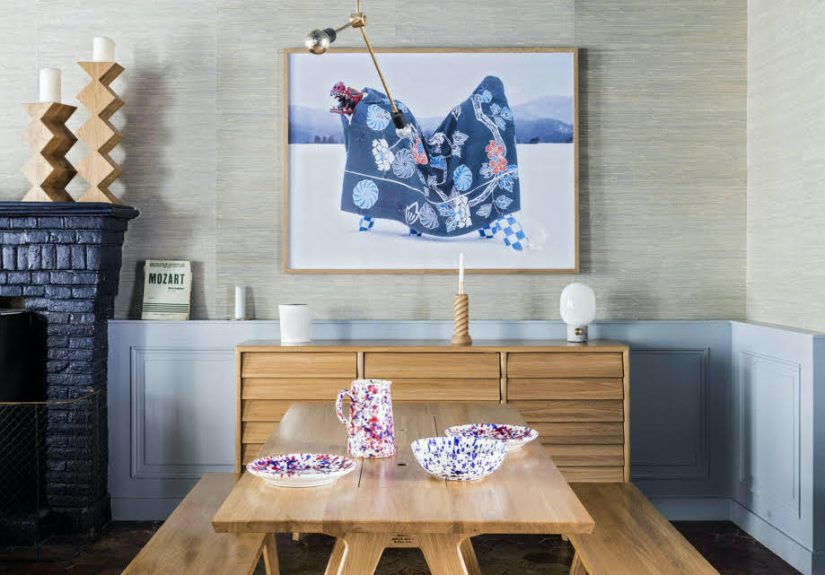
That’s the vibe behind Remodelista Reconnaissance: Italian Spatterware in a French Kitchen: a seemingly simple sighting of speckled, spattered
Italian serveware in a rustic French countryside kitchen that sparks a bigger question:
why does this playful pottery look so perfectly at home in a French kitchen?
The short answer: it’s the sweet spot between “collected over time” and “actually used every day.”
Italian spatterware (often associated with Southern Italy and the region around Fasano) brings the charm of handmade imperfection,
while French kitchen style brings the calm, timeless backdrop. Together? It’s a cross-cultural duet where nobody is trying too hardyet everyone looks great.
What Is Spatterware, Exactly?
Spatterware is pottery decorated with patterns that look like color was flicked, sponged, or misted onto the surfacesometimes in loose clouds, sometimes in energetic bursts.
It’s closely related to (and often overlapped with) “spongeware,” since sponges have historically been used to apply color.
In other words, it’s the OG “perfectly imperfect” finishlong before that phrase was printed on throw pillows.
Historically, the term “spatterware” is often tied to American and English wares from the early-to-mid 1800s, when decorative color was applied by spattering or sponging.
Over time, the look traveled, evolved, and picked up regional dialects. In Italy, you’ll often see the style linked to everyday earthenware traditions and the idea of
quick, lively decoration that turns humble clay into something celebratory.
The modern appeal is obvious: spatterware reads as artisanal without being precious. It’s joyful, but not juvenile.
It’s “I host dinner parties” energy with “I also eat cereal standing up” realism.
Why Italian Spatterware Belongs in a French Kitchen
French kitchensespecially French country kitchenstend to lean on time-tested ingredients: natural materials, lived-in finishes, and functional beauty.
Think stone or terra-cotta floors, wood cabinetry, open shelving, vintage-inspired lighting, and the occasional gleam of copper cookware.
The look is relaxed, but intentional. Practical, but romantic.
Italian spatterware slides into this world like it was always invited. Here’s why it works so well:
- It adds color without adding chaos. Spatter patterns feel organic, so they soften a neutral kitchen instead of overpowering it.
- It reinforces the “collected” story. French kitchens often look curated over years; a stack of speckled bowls feels found, not staged.
- It plays nicely with patina. Copper, aged wood, and stone all look better with timespatterware has that same friendly, not-too-shiny personality.
- It’s functional decor. A bowl that’s pretty and also holds peaches is basically the French way.
In the Remodelista “reconnaissance” spirit, the magic isn’t just the objectit’s the placement.
Spatterware pops against pale plaster walls, light countertops, and open shelving, creating a focal point that feels effortless.
The kitchen stays grounded, but suddenly it has a wink.
The Fasano Connection: Where the Speckles Come From
Italian splatter/spatterware is frequently associated with Southern Italy, including the area around Fasano (in Puglia),
a region known for ceramics traditions and workshops producing everyday tableware with bold, simple decoration.
In the Remodelista feature, the spattered pieces are attributed to an Italian maker with deep generational roots,
reinforcing the idea that this is not a “trend-of-the-week” finishit’s a living craft.
That heritage matters for the look. When something is made as a practical everyday objectmeant for salads, fruit, pasta, and conversationit tends to feel right at home in a kitchen.
It doesn’t read as “decor.” It reads as “life.”
How to Style Spatterware Without Turning Your Kitchen Into a Confetti Cannon
The goal is “sunlit French countryside with a hint of Italian festa,” not “birthday party at the paint store.”
Here’s a styling playbook that keeps it chic.
1) Start With a Quiet Backdrop
Spatterware loves calm surroundings: warm whites, creamy neutrals, pale grays, soft woods, stone, and linen textures.
If your kitchen already leans French countryopen shelves, natural finishes, maybe a vintage runneryou’re halfway there.
2) Pick One Color Family (Then Commit Like You Mean It)
Spatterware often comes in punchy colorwaysblue, red, green, or mixed tones. Choose a family that echoes what’s already in your space:
blue if you have navy accents, green if you lean botanical, red if your room has terracotta or warm brick notes.
You can mix shades within the family, but keep the “story” consistent.
3) Use Spatterware as the Accent, Not the Entire Cast
A few pieces go a long way. Try one stack of bowls on open shelving, a serving platter leaning against the backsplash,
or a single large fruit bowl on the island. This keeps the pattern special and prevents visual noise.
4) Pair It With Classic French Textures
Spatterware is playful. To keep the overall look grown-up, pair it with materials that feel timeless:
linen tea towels, aged wood boards, copper pots, glass jars, and simple ceramics in white or cream.
The contrast makes the speckles feel intentional.
5) Make Open Shelving Look Effortless (Even If You’re Trying Very Hard)
Open shelves are the runway; spatterware is the statement coat. A few quick rules:
- Group by function: bowls with bowls, plates with plates.
- Leave breathing room: negative space is the secret sauce of “European casual.”
- Repeat shapes: stacks look calmer than scattered singles.
- Mix with neutrals: alternate spatterware pieces with plain white pieces to create rhythm.
Tabletop Chemistry: Mixing Italian Spatterware With French Vibes
If your kitchen is French and your spatterware is Italian, your table can be both.
The trick is to blend pattern with restraint. Think of it like adding anchovies to a recipe:
you don’t necessarily taste “anchovy,” but you’d miss the depth without it.
Easy Wins for Everyday Meals
- Breakfast: spatterware bowl + plain white plate + linen napkin. Instant “I have my life together” illusion.
- Lunch: big speckled serving bowl for salad in the center. Everyone serves themselves; nobody complains (ideally).
- Dinner: neutral dinner plates + spatterware serving pieces. Let the color live in the middle of the table.
Entertaining Without the “Is This Too Much?” Spiral
For guests, use spatterware in layers: a platter, a bowl, a pitcherthen keep everything else calm.
Add a bundle of herbs in a jar, a loaf of bread on a board, and you’ve got French country ease with Italian cheer.
Buying Spatterware: What to Look For (and What to Side-Eye)
“Spatterware” can mean different things depending on where you’re shopping. Some pieces are antique-inspired folk pottery.
Others are modern Italian splatterware tied to regional workshops. Both can be beautifulbut they won’t feel identical in the hand or on the shelf.
Green Flags
- Visible variation: handmade spatter patterns shouldn’t look photocopied.
- Solid weight: good earthenware and stoneware feel substantial but not clunky.
- Food-safe finish: especially if the pieces will touch acidic foods like tomatoes or citrus.
- Glaze clarity: you want a finish that looks intentionalglossy or satin, but not chalky unless it’s meant to be.
Things That Deserve a Second Look
- “Speckled” that’s really just printed: some mass-produced pieces mimic the look with decals. Fine for budget buys, but different vibe.
- Overly fragile edges: if it chips when you look at it, it will not survive real life.
- Hard-to-clean textures: deep grooves can trap sauces and regret.
If you’re sourcing in the U.S., you’ll often find Italian-made splatterware through curated home shops and design-forward retailers.
You may also see it described with Italian terms (like “schizzato”) or referenced by the region it’s associated with.
Translation: don’t panic if the label changesfollow the look, the quality, and the maker story.
Care and Keeping: Let It Be Lived-In, Not Beat-Up
Spatterware is meant to be used, but a few habits keep it looking great:
- Avoid thermal shock: don’t go from fridge to blazing oven unless the maker says it’s safe.
- Stack smart: if you’re worried about scratches, place a thin liner (felt or cloth) between pieces.
- Skip the abrasive scrubbers: you want “patina,” not “I sanded my dinnerware.”
- Wash promptly after sauces: tomato and curry are delicious, but they’re also enthusiastic about leaving souvenirs.
The good news: the spattered pattern is forgiving. It hides tiny marks and everyday wear better than solid-color pieces.
In a busy kitchen, that’s not just aestheticit’s emotional support.
A “Steal This Look” Formula: Italian Spatterware + French Kitchen Staples
Want the vibe without a full renovation? Here’s a simple mix-and-match recipe:
- Base layer (French calm): neutral palette + natural wood + linen towels.
- Functional shine: copper cookware (hung or stacked), or warm metal accents.
- Texture anchor: stone board, vintage crock, or a woven basket.
- The accent (Italian spatterware): one bowl set OR one platter + one pitcher.
- Life, not staging: lemons, herbs, bread, or a bowl of imperfect peaches.
The point is to let spatterware read as part of the kitchen’s working landscape.
If it looks like it’s waiting for a photoshoot, it’s trying too hard. If it looks like it’s waiting for lunch, you nailed it.
Common Mistakes (and the Easy Fixes)
Mistake: Buying every color because “they’re all cute.”
Fix: pick one color family and repeat it. Consistency is what makes the room feel curated instead of chaotic.
Mistake: Letting the pattern fight with five other patterns.
Fix: pair spatterware with solids and classic, simple prints (stripes, checks) in a limited palette.
Mistake: Treating spatterware like a museum object.
Fix: use it. The charm is in the everydaysalad nights, weekend brunch, and the occasional “we forgot to buy dessert” fruit bowl moment.
Living With Italian Spatterware in a French Kitchen: The Real-World Experience
The best way to understand why spatterware works in a French kitchen is to picture how it behaves during an actual week of mealsbecause this style isn’t about perfection,
it’s about rhythm. In practice, spatterware becomes a kind of visual espresso shot. The kitchen stays calm and neutral, but the tabletop wakes up.
On Monday, that might look like a speckled bowl holding lemons on the counter, quietly making your “I should drink more water” intentions feel slightly more believable.
On Tuesday, it’s the salad bowl that goes from shelf to table without a costume change, and somehow the whole meal looks more thoughtfuleven if dinner is rotisserie chicken and optimism.
There’s also a confidence to the pattern. Spatterware doesn’t demand matching. In fact, it improves when it’s a little mixed.
You can pair it with plain white plates, vintage glassware, or a worn wooden cutting board and it still looks intentional.
That’s a big deal in a French-style kitchen, where the charm often comes from the feeling that things have been gathered over time:
an old jar here, a copper pot there, a linen towel that’s seen some things. Spatterware fits that narrative because it looks handmade and slightly unpredictablelike it has a past.
If your kitchen has open shelving, you’ll notice another everyday perk: spatterware makes the shelves feel “styled” even when you’re just storing dishes.
A stack of speckled bowls reads as decor, but it’s also just… your bowls. That’s the kind of efficiency French kitchens love:
beauty that earns its keep. And unlike ultra-minimal dinnerware, spatterware is forgiving. Tiny water spots, a faint utensil mark, the occasional “oops” smudge
the pattern doesn’t spotlight every imperfection. It’s not messy; it’s merciful.
When you host, the experience gets even better. A spatterware platter piled with bread looks abundant and casual in the best way.
A big speckled bowl of pasta feels like something you’d be served at a long table in the countryside, even if you’re eating in an apartment with exactly one chair that doesn’t wobble.
Guests respond to it, toobecause people notice objects that feel joyful without feeling fussy. Spatterware starts conversations:
“Where did you get this?” “Is it vintage?” “Why is this bowl making my salad look better than mine ever has?”
(No one has to know the answer might be “contrast” and “good lighting.”)
Over time, spatterware also becomes a personal traveloguewithout you having to buy a plane ticket.
It’s Italian energy sitting in a French setting, creating that layered, collected look designers chase: a kitchen that feels like a story, not a showroom.
And that’s the real experience: spatterware makes everyday cooking feel a bit more like livingcolorful, imperfect, and oddly satisfying,
even when the only thing you’ve mastered is reheating soup with confidence.
Final Take: A Little Italian Joy, the French Way
The charm of Remodelista Reconnaissance: Italian Spatterware in a French Kitchen isn’t just that spatterware is pretty (it is).
It’s that the pieces feel right in a space built around warmth, utility, and quiet beauty.
French kitchen style provides the timeless stage; Italian spatterware provides the personality.
Together, they create a kitchen that looks collected, welcoming, andmost importantlyready for real life.