Table of Contents >> Show >> Hide
- What’s in Salmon? A Nutrition Snapshot
- The Big Deal Nutrient: Omega-3 Fatty Acids (EPA & DHA)
- Salmon as a Protein Powerhouse (Without the “Dry Chicken” Vibes)
- Vitamins & Minerals in Salmon: The Supporting Cast That Carries the Plot
- Health Benefits of Salmon (What the Evidence Supports)
- Wild vs. Farmed vs. Canned vs. Smoked: Does It Change the Nutrition?
- Is Salmon Safe? Mercury, Food Safety, and Smart Portions
- How to Eat More Salmon Without Getting Bored
- Conclusion: Salmon Is a Nutrient-Dense “Yes” (With a Few Common-Sense Rules)
- Real-World Experiences: What People Notice When Salmon Becomes a Habit (Extra Section)
Salmon is basically the overachiever of the seafood world. It shows up in fancy restaurants, meal-prep containers,
and “I’m trying to be healthy” dinnersand somehow makes all of them feel a little more legit. It’s rich, flavorful,
and packed with nutrients people actually care about (hi, omega-3s), without forcing you to chew on a salad the size
of a throw pillow.
In this guide, we’ll break down salmon nutrition in plain English: what’s inside that rosy fillet, how it may support
heart and brain health, what “wild vs. farmed” really changes, and how to eat salmon more often without getting bored
or accidentally turning your kitchen into a smokehouse.
What’s in Salmon? A Nutrition Snapshot
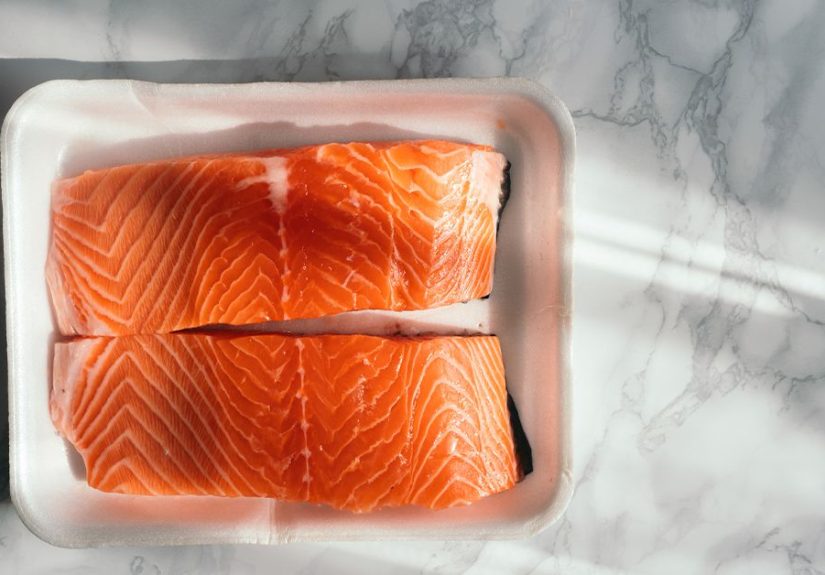
Salmon is a zero-carb, high-protein food that also provides healthy fatsespecially the famous
long-chain omega-3 fatty acids EPA and DHA. The exact nutrition changes depending on
the species (sockeye, coho, Atlantic, etc.), whether it’s wild-caught or farmed, and how it’s prepared.
Here’s a practical “real-life” range for a 3–4 ounce cooked serving (about a deck of cards):
- Calories: roughly 175–250
- Protein: about 17–25 grams
- Total fat: about 10–18 grams
- Carbs: 0 grams
Beyond macros, salmon is known for meaningful amounts of vitamin D, vitamin B12,
selenium, potassium, and several B vitamins. Translation: it’s not
just “protein with a side of fish smell.” It’s nutrient-dense.
Salmon’s “headline nutrients”
| Nutrient | Why it matters (in normal human terms) | Salmon’s role |
|---|---|---|
| Omega-3s (EPA/DHA) | Supports heart, brain, and inflammation balance | One of the best whole-food sources |
| Protein | Muscle repair, fullness, steady energy | High-quality, complete protein |
| Vitamin D | Bone, immune, muscle support | Fatty fish is one of the rare natural food sources |
| Vitamin B12 | Nerves, red blood cells, energy metabolism | Fish is a reliable animal-food source |
| Selenium | Thyroid function and antioxidant defenses | Seafood contributes meaningful selenium |
The Big Deal Nutrient: Omega-3 Fatty Acids (EPA & DHA)
If salmon had a PR team, omega-3s would be the headline on every billboard. Omega-3s are a family of fats, but the
ones most associated with fish are EPA (eicosapentaenoic acid) and DHA
(docosahexaenoic acid). Your body can make small amounts of EPA/DHA from plant omega-3 (ALA from flax or chia),
but the conversion is limitedso getting EPA/DHA directly from fish is a big nutritional shortcut.
Heart health: why omega-3s get so much attention
Omega-3s have been studied for decades in relation to cardiovascular health. The clearest and most consistent benefits
show up in areas like triglyceride reduction (especially at higher intakes) and broader heart-supportive
dietary patterns where fish replaces foods high in saturated fat.
Practical takeaway: eating salmon a couple times a week can be part of a heart-smart routineespecially if it replaces
ultra-processed meals or frequent red/processed meat.
Brain, nerves, and mood: DHA is a structural “building block”
DHA is a key fat in the brain and retina. That doesn’t mean salmon turns you into a genius overnight (sadly),
but it does help explain why omega-3s are frequently studied in connection with cognition, aging, and mood.
If your diet is low in omega-3-rich foods, salmon is an efficient way to close that gap.
Salmon as a Protein Powerhouse (Without the “Dry Chicken” Vibes)
Salmon delivers high-quality protein with all essential amino acids (a “complete” protein). That matters for:
- Muscle repair and growth: helpful for active people, athletes, and anyone trying to stay strong over time.
- Satiety: protein tends to keep you fuller than refined carbs, which can make meals feel more satisfying.
- Metabolic support: protein helps preserve lean mass when you’re in a calorie deficit.
A simple example: compare a salmon-and-vegetable dinner to a “snacky” dinner (chips + something random). The salmon meal
typically provides a more stable mix of protein and fat, which many people find helps with late-night cravings.
Vitamins & Minerals in Salmon: The Supporting Cast That Carries the Plot
Salmon doesn’t just show up with protein and omega-3sit brings a whole entourage of micronutrients that quietly do
important work.
Vitamin D: one of the rare food sources that actually delivers
Vitamin D is tough to get from food because very few foods naturally contain much of it. Fatty fish, including salmon,
is among the best natural sources. That’s a big deal for people who get limited sun exposure or live busy indoor lives
(so, basically most of modern society).
Vitamin B12: nerve and blood cell support
Vitamin B12 is found in foods of animal origin, including fish. Adequate B12 supports healthy nerves and helps your body
make red blood cells. If someone eats little or no animal food, B12 usually requires fortified foods or supplementsbut
salmon eaters get a helpful boost naturally.
Selenium: tiny mineral, major job description
Selenium supports thyroid hormone metabolism and antioxidant systems in the body. Many protein foods contain selenium,
including seafood. Salmon can be a useful contributorespecially as part of a varied diet that includes other selenium
sources like eggs, poultry, and legumes.
Health Benefits of Salmon (What the Evidence Supports)
Salmon isn’t a magic fish (no food is), but it does check a lot of boxes that align with healthy eating patterns.
Here are benefits that make sense based on what salmon provides and what researchers have studied about those nutrients.
1) Cardiovascular support
Health organizations often recommend eating fishespecially fatty fishregularly. Why? It’s a combination of omega-3s,
high-quality protein, and the fact that fish frequently replaces less heart-friendly options. If your “normal dinner”
is a bacon cheeseburger, swapping in salmon twice a week is not a small change.
2) Brain and cognitive support
DHA is an important structural fat in the brain. While research on cognitive outcomes is complex (because human brains
are complicated and people are even more complicated), it’s reasonable that a diet including fatty fish supports overall
brain nutritionparticularly compared to diets low in omega-3-rich foods.
3) Inflammation balance
Omega-3s are often described as “anti-inflammatory,” but the more accurate idea is that they help the body maintain a
healthier inflammatory balance. That can matter for long-term wellness and is one reason omega-3s are studied across
many health areas.
4) Bone and muscle support
Salmon brings vitamin D and proteintwo nutrients with obvious roles in bone and muscle health. Pair salmon with a calcium
source (like yogurt, fortified milk, tofu made with calcium, or leafy greens) and you’ve got a meal that’s basically
cheering for your skeleton.
5) Eye health
DHA is present in the retina, and omega-3 intake is studied in relation to eye health as people age. Again, salmon isn’t
a “vision supplement,” but it contributes nutrients your eyes actually use.
Wild vs. Farmed vs. Canned vs. Smoked: Does It Change the Nutrition?
Short answer: yesbut not in the “one is healthy and one is junk” way social media sometimes suggests.
Most salmon options are nutritious; the best choice is usually the one you can afford, enjoy, and eat consistently.
Wild-caught salmon
- Often leaner (varies by species)
- Flavor can be “cleaner” and more pronounced
- Omega-3s are still strong, though total fat may be lower than farmed in some cases
Farmed salmon
- Often higher in total fat (which can also mean more omega-3s in absolute grams)
- Typically consistent availability and price
- Nutrition remains strong; quality varies by producer and farming practices
Canned salmon
- Budget-friendly and shelf-stable
- Great for quick lunches (salmon salad, patties, grain bowls)
- Check sodium on flavored varieties
Smoked salmon
- Delicious, but can be higher in sodium
- Often eaten in smaller portions (bagels don’t count as “a small portion,” sorry)
- Choose reputable brands and follow storage guidance carefully
Is Salmon Safe? Mercury, Food Safety, and Smart Portions
For most people, salmon is considered a low-mercury seafood choice and is widely included in “eat more fish” guidance.
But “safe” also depends on how it’s handled and prepared.
Mercury: salmon is generally low
Mercury levels vary a lot by species, and salmon tends to be on the lower end compared with big predatory fish.
If you’re pregnant, breastfeeding, or feeding children, it’s especially smart to follow official fish guidance that
prioritizes lower-mercury choices.
Food safety: cook it properly (and your stomach will thank you)
Standard consumer food-safety guidance recommends cooking fish to an internal temperature of 145°F
(63°C). If you don’t use a thermometer, aim for fish that turns opaque and flakes easily.
Smoked fish and Listeria: special note for higher-risk groups
Cold-smoked fish is not the same as “cooked.” Public health guidance notes that cold-smoking doesn’t kill Listeria,
and refrigeration doesn’t kill it either. People at higher risk (including pregnant individuals) should be extra cautious
with refrigerated ready-to-eat smoked seafood unless it’s heated as directed or labeled shelf-stable.
Who may need extra caution with salmon?
- People with fish allergies: obvious but importantsalmon can trigger serious reactions.
- People with gout: fish contains purines; portion size and overall diet pattern matter.
- Those on blood thinners: omega-3s can have mild blood-thinning effects; talk with a clinician if you eat large amounts or supplement.
How to Eat More Salmon Without Getting Bored
The healthiest food is the one you’ll actually eat. Here are simple ways to work salmon into your routine without
needing a cooking show soundtrack.
Easy salmon ideas
- Sheet-pan salmon: salmon + broccoli + potatoes, one pan, minimal drama.
- Salmon rice bowl: cooked salmon, rice, cucumber, avocado, and a simple sauce (yogurt-lemon or soy-ginger).
- Canned salmon lunch: mix with Greek yogurt or mayo, mustard, celery, and pepper for a quick salad.
- Salmon tacos: flaked salmon + cabbage slaw + lime (your weeknight just got louderin a good way).
Budget tips
- Frozen fillets are usually excellent and often cheaper than fresh.
- Canned salmon offers convenience and solid nutrition.
- Buy salmon on sale, portion it, and freeze what you won’t use within 1–2 days.
Conclusion: Salmon Is a Nutrient-Dense “Yes” (With a Few Common-Sense Rules)
Salmon earns its reputation. It’s rich in omega-3s (EPA/DHA), delivers high-quality protein, and provides key nutrients
like vitamin D, B12, and seleniumnutrients many people don’t consistently get enough of. For most healthy adults, eating
salmon 1–2 times per week fits well into a balanced pattern that supports heart, brain, and overall wellness.
The smartest approach is also the simplest: choose a salmon type you enjoy (wild, farmed, frozen, or canned), prepare it
in a way you’ll repeat, watch sodium on smoked versions, and follow basic food safety. Your body doesn’t need perfection.
It needs consistencyand salmon can help.
Real-World Experiences: What People Notice When Salmon Becomes a Habit (Extra Section)
Nutrition is science, but eating is real life. And in real life, salmon is rarely consumed in a sterile laboratory
environment while wearing a lab coat and thinking noble thoughts about omega-3s. It’s eaten on busy weeknights, packed
into lunches, served to picky family members, and occasionally overcooked because someone tried to answer a text while
“just keeping an eye on it.”
Here are common, realistic experiences people often report when they add salmon to their routine more consistently
(think: once or twice a week). These aren’t guaranteed resultsjust patterns that make sense given salmon’s mix of
protein, healthy fats, and micronutrients.
1) “I’m fuller, longer.”
One of the most frequent experiences is improved meal satisfaction. A salmon dinner tends to include a meaningful dose
of protein and fat, which many people find keeps them full longer than a lighter, carb-heavy meal. Practically, that
can look like fewer late-night snacks, less “I need something sweet immediately” energy, and fewer kitchen drive-bys
after dinner. It’s not magicsatiety varies from person to personbut salmon’s nutrition profile makes this a very
believable outcome.
2) “Meal planning got easier.”
People who struggle with planning often like salmon because it’s a simple anchor protein. You can pair it with almost
anything: rice, potatoes, quinoa, salad, roasted vegetables, frozen veggie blends, or a leftover grain bowl. Once salmon
becomes a “default,” decisions get easier: pick a seasoning, pick a side, done. For many, this is the real health win:
fewer last-minute takeout decisions because dinner is predictable and fast.
3) “I feel better about my protein.”
Some people want more protein but don’t love chicken every day or rely on protein bars. Salmon feels like “real food”
while still helping hit protein goals. Athletes and active people often appreciate that it’s a complete protein, and
they like rotating salmon in to avoid food boredom. Plus, it’s easier to serve to a group than a complicated “everyone
builds their own macro bowl” situation.
4) “My skin feels less dry” (sometimes)
You’ll hear this occasionally: people say their skin feels more comfortable when they consistently eat fatty fish.
It’s hard to pin down because skin is affected by hydration, weather, skincare routines, and overall diet quality.
But since salmon provides omega-3s and antioxidants (like astaxanthin), it’s plausible that some people notice subtle
changes over timeespecially if their baseline diet was low in healthy fats.
5) “Smoked salmon is my gateway fish… but sodium is real.”
Many people ease into salmon through smoked salmon because it’s tasty and requires no cooking skills. The experience
tends to go like this: excitement, repeated bagels, then a moment of honesty about sodium and portion size. The win is
that smoked salmon can be part of a balanced dietjust treat it like a flavorful accent rather than an unlimited
“health food loophole.” If sodium is a concern, people often shift toward fresh or frozen fillets and keep smoked
salmon for occasional breakfasts.
6) “I learned I actually like fishif it’s cooked right.”
A surprisingly common experience is discovering that people didn’t hate fish; they hated dry fish. When salmon
is cooked until just done (not turned into a chewy pink brick), it’s tender and rich. Once someone nails a basic method
(oven-baked, pan-seared, or air-fried), salmon becomes repeatablemeaning the nutrition benefits have a chance to matter
over months, not just one heroic week.
If there’s one “experience-based” lesson worth keeping, it’s this: salmon works best as a consistent habit, not a
once-a-year wellness performance. Make it easy, make it tasty, and let the nutrition do its quiet, boring, extremely
helpful thing in the background.