Table of Contents >> Show >> Hide
- Quick Snapshot: The Stuff People Actually Want to Know
- Expected Price vs. Reality: What It Launched At (and What You Should Pay Now)
- Release Date: The Timeline (and Why It Matters for Updates)
- Design: The “Squircle” Era, the Dynamic Lug System, and Why Your Wrist Will Notice
- Specs: What’s Under the Hood
- Software: Wear OS 6 + One UI 8 Watch + Gemini on Your Wrist
- New Health and Fitness Features: Useful, Weird, and “Why Are You Yelling at Me About Carrots?”
- Compatibility: Android Yes, iPhone No (and the Samsung-Phone Bonus Level)
- What the Most Believable Pre-Launch Rumors Got Right
- More Rumors and Ongoing “News” in 2026: What People Are Watching Now
- Should You Buy the Galaxy Watch 8 or the Watch 8 Classic?
- 500+ Words of Real-World “Experience”: What Living With Galaxy Watch 8 Feels Like
- Conclusion
If you’ve been typing “Samsung Galaxy Watch 8 expected price” into Google like it’s a mysterious creature that only appears on foggy mornings… here’s the plot twist:
the Galaxy Watch 8 series is already out. But the internet loves a good rumor, and “expected” headlines keep living rent-free in search resultsespecially when deals, updates,
and “what’s next” chatter keep evolving.
In this guide, we’ll break down what became official (price, release date, specs), what the most believable pre-launch rumors got right, and what people are still whispering
about nowlike software updates, ecosystem perks, and where Samsung might take the lineup next.
Quick Snapshot: The Stuff People Actually Want to Know
- Release window: Announced in July 2025, widely available later that same month.
- Starting price (U.S.): $349.99 for Galaxy Watch 8; $499.99 for Galaxy Watch 8 Classic (LTE models cost more).
- Sizes: Watch 8 in 40mm and 44mm; Watch 8 Classic in 46mm.
- Platform: Wear OS 6 with Samsung’s One UI 8 Watch interface.
- Headline features: Brighter display, thinner “cushion/squircle” design, Dynamic Lug band system, and new health/fitness features like Running Coach and Antioxidant Index.
Expected Price vs. Reality: What It Launched At (and What You Should Pay Now)
The most consistent rumor before launch was a price bumpand yep, it landed. In the U.S., the standard Galaxy Watch 8 starts at $349.99 for the base Bluetooth/Wi-Fi model.
The larger size costs more, and LTE versions typically add an additional step up. The Galaxy Watch 8 Classicbecause rotating bezels don’t come freestarts at $499.99,
with LTE pricing higher.
How to think about Watch 8 pricing in real life (aka “Don’t Pay Full Price If You Don’t Have To”)
Smartwatch pricing has a pattern: launch hype, early reviews, then the discount carousel starts spinning. By the time a device has been out for a while, you can often find
promotions through Samsung, big retailers, and carrier bundlesespecially around back-to-school season, holiday sales, and random “today only” events that somehow happen every week.
Your best strategy is to decide what you actually need:
- Bluetooth/Wi-Fi vs. LTE: LTE is great if you run or commute without your phone, but it can cost more up front and may require a separate plan.
- Standard vs. Classic: If you love tactile controls, the Classic’s rotating bezel is the big draw. If you just want the lightest everyday option, the standard model is usually the sweet spot.
- Budget target: If you’re patient, waiting for a meaningful discount often gets you “same watch, less pain.”
Release Date: The Timeline (and Why It Matters for Updates)
Samsung unveiled the Galaxy Watch 8 lineup during its summer Unpacked cycle in July 2025, and it hit broader availability later that month.
That matters because software support tends to be counted from launch-era policies: the earlier you buy into a generation, the longer you typically sit inside its “current model” window.
Translation: if you like getting new features without buying a new watch every year, it’s smart to track Samsung’s update commitments and rollout behavior.
And Samsung’s watches have been aggressive about pushing major Wear OS / One UI Watch updates across multiple generations, even if some features are limited by older hardware.
Design: The “Squircle” Era, the Dynamic Lug System, and Why Your Wrist Will Notice
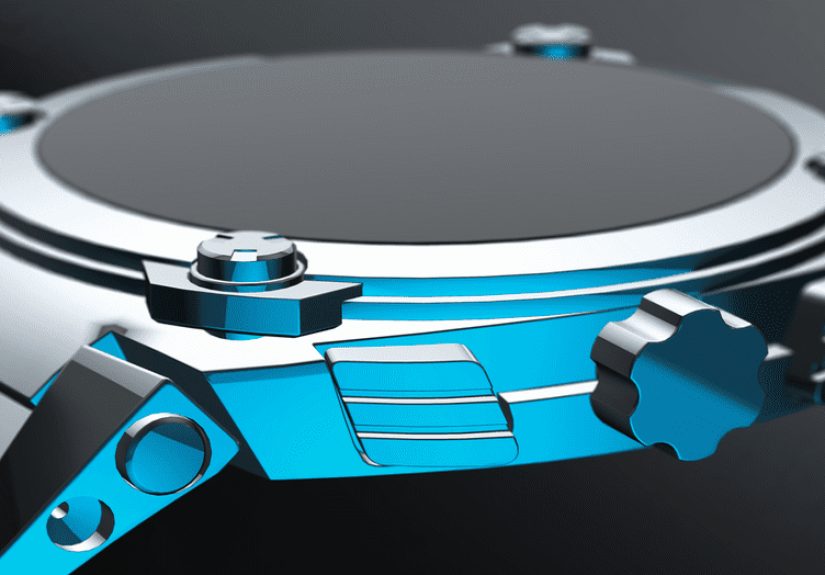
The Galaxy Watch 8 series leans into a softer-edged “cushion” case designoften described as a squircle (square-ish + circle-ish = internet discourse).
The goal isn’t just aesthetics: Samsung also reworked internal space to make the watch feel thinner and sit closer to your wrist for comfort and better sensor contact.
The other big daily-life change is the Dynamic Lug band system. Instead of fiddling with tiny pins like you’re doing watch surgery in a moving vehicle,
band swapping is designed to be quicker and more secure. If you rotate bands for workouts, office wear, or “I need a new personality today,” this is a real quality-of-life upgrade.
Specs: What’s Under the Hood
Spec sheets can be a snoozeuntil you connect them to what you actually do. Here’s what matters most in the Watch 8 lineup:
Display and brightness
Outdoor readability is a big deal on a smartwatch because nobody wants to squint at their wrist like it’s a ransom note. The Galaxy Watch 8 series pushes a much brighter display,
aimed at staying legible in harsh daylight. If you run, hike, bike, or live anywhere with a sun, this is one of the most practical upgrades.
Performance and efficiency
Samsung pairs the Watch 8 series with a modern, efficiency-focused chipset and a platform designed to feel faster at everyday tasksscrolling tiles, opening workouts,
using voice commands, and handling background tracking. The result should be fewer “why is my watch thinking so hard?” moments.
Storage differences (standard vs. Classic)
The standard Watch 8 typically offers enough storage for apps, music, and offline content, while the Classic model bumps storage higher. That’s useful if you load a lot of playlists,
install more apps than any sane person needs on a watch, or like having extra room for data without babysitting storage.
GPS and sensors
Accurate GPS and reliable health sensors are the whole point of a fitness smartwatch. The Watch 8 series supports advanced GPS behavior for better tracking and includes Samsung’s
BioActive sensor system for key health metrics.
Battery life: the real-world reality check
Samsung’s battery claims are typically based on controlled settings, so your mileage will vary depending on Always-On Display, workout tracking, LTE use,
GPS frequency, and how often you make your watch do “phone things.”
A practical way to think about it:
- If you want sleep tracking + all-day use, you’ll probably build a charging habit (like topping up during a shower).
- If you go heavy on GPS workouts and LTE, battery will drop fasterbecause physics has no interest in your goals.
- If you keep settings modest, one to two days is a realistic target for many users.
Software: Wear OS 6 + One UI 8 Watch + Gemini on Your Wrist
The Galaxy Watch 8 series is positioned as a front-runner for Samsung’s next wave of wearable software, combining Wear OS 6 with One UI 8 Watch.
That combo is meant to deliver smoother navigation, smarter tiles, and better at-a-glance informationbecause you’re checking your wrist for two seconds, not writing a novel.
The most headline-grabbing addition is Gemini on the watch. In plain English: more natural voice interaction and deeper integration with Samsung apps
like Health, Calendar, Reminders, and Clock. Ideally, it makes the watch feel less like a tiny phone and more like a useful sidekick.
Examples of where this matters:
- Workout starts: Kick off training hands-free when you’re mid-movement.
- Quick scheduling: Add reminders without tapping a glass circle with sweaty fingers.
- Micro-queries: Ask basic questions while cooking, carrying groceries, or pretending you’re too busy to text back.
New Health and Fitness Features: Useful, Weird, and “Why Are You Yelling at Me About Carrots?”
Samsung put a lot of attention into “coaching” style featurestools that don’t just record data but try to nudge behavior. Some of these are genuinely helpful.
Others feel like a wellness app moved into your wrist and started leaving sticky notes.
Bedtime Guidance
This feature looks at recent sleep patterns and tries to recommend an ideal time to wind down so you wake up feeling more human. It’s especially aimed at people who wreck their sleep
schedule on weekends and then act shocked on Monday. (We have all met this person. It may be you. It may be me. It is definitely society.)
Vascular Load
Vascular Load focuses on cardiovascular strain during sleep, using sleep and lifestyle factors to provide insight into overall wellness. It’s not a diagnosis tool;
think of it as a trend indicator you can use to spot patternslike when stress, poor sleep, and late-night doomscrolling gang up on you.
Running Coach
Running Coach is one of the most practical additions. After a short assessment run, it rates your running level and builds a multi-week plan.
If you’re the kind of person who always starts training with “I’ll just vibe it out,” this feature is basically your structured friend who actually owns a calendar.
Antioxidant Index
This is the feature that made reviewers collectively raise an eyebrow. The watch can measure carotenoid levels via the sensor and give you a score.
In spirit, it’s meant to connect diet and wellness to something trackable. In practice, it can be motivatingor it can make you feel like your watch is quietly judging you
for not eating enough leafy greens.
Important note: Health features on smartwatches are not a substitute for medical advice, diagnosis, or treatment. Availability can vary by region,
and some features may require compatible phones and apps.
Compatibility: Android Yes, iPhone No (and the Samsung-Phone Bonus Level)
The Galaxy Watch 8 is built for Androidand if you’re on a Samsung phone, you generally get the smoothest experience and the widest set of features.
If you’re on a non-Samsung Android phone, most core smartwatch features still work, but certain Samsung Health Monitor capabilities can be restricted.
If you’re on an iPhone, here’s the blunt truth: newer Samsung watches running Wear OS (like the Watch 8 series) are not compatible with iOS in the standard way.
If you’re hoping for a magical workaround, you’ll mostly find unofficial hacks and partial experiencesnot the full, supported pairing most people want.
What the Most Believable Pre-Launch Rumors Got Right
Before launch, leaks and early reporting pointed to three main themes:
- The “cushion/squircle” design shift becoming the new default identity
- The return of the Classic model with its rotating bezel
- New coaching-style health features focused on sleep, running, and wellness insights
Those ended up being the core story. In other words, the internet was rightthis time. (Mark your calendar.)
More Rumors and Ongoing “News” in 2026: What People Are Watching Now
Once a device is out, rumors shift from “will it exist?” to “what’s changing next?” For the Watch 8 family, the biggest ongoing storylines are:
1) Software rollouts to older watches
Samsung tends to push major Watch UI updates across multiple generations, but the timing can be uneven by region and carrier.
Watch 8 owners are first in line; everyone else watches the rollout map like it’s weather radar.
2) Deals, bundles, and subscriptions
Samsung has been investing in a more complete fitness ecosystem (including partnerships that bring guided workouts into Samsung Health).
Expect promos that bundle trials or subscription incentives with Watch purchasesespecially during big sales cycles.
3) The “next Ultra” question
Some of the chatter centers on what Samsung does with its rugged/Ultra-styled lineup. Even without a totally new Ultra model every year,
Samsung can refresh colors, storage, or software positioningand that can influence whether you buy now or wait.
Should You Buy the Galaxy Watch 8 or the Watch 8 Classic?
Buy the Galaxy Watch 8 if…
- You want the lightest, most “everyday” option that still does serious fitness tracking.
- You care about comfort for sleep tracking and all-day wear.
- You want Wear OS 6 + One UI 8 Watch features without paying the Classic premium.
Buy the Galaxy Watch 8 Classic if…
- You love the rotating bezel (it’s not nostalgia if it’s actually better UX).
- You prefer a more traditional watch look and feel.
- You want the Classic-specific hardware touches (and can handle the larger size).
Consider waiting (or buying discounted) if…
- You already have a Watch 7 and your current watch isn’t annoying you.
- You mainly want a better deal rather than new features.
- You’re unsure about LTE plans and want to avoid overpaying for a feature you’ll never activate.
500+ Words of Real-World “Experience”: What Living With Galaxy Watch 8 Feels Like
Let’s talk about the part spec sheets can’t capture: what it’s like to actually live with the Galaxy Watch 8 on your wristduring a normal week that includes
sleep, work, workouts, messages, and at least one moment where you stare at your watch like it personally owes you answers.
First impression: comfort is the upgrade you notice fastest. The Watch 8’s design changes aren’t just cosmetic. A watch that sits closer to the wrist and feels
less “top heavy” becomes easier to forgetin a good way. That matters if you sleep with it on. If you’ve ever tried sleep tracking with a bulky watch and woke up feeling like
you wrestled a toaster, you know what I mean.
Sleep features feel less like “data for data’s sake” and more like coaching. The Bedtime Guidance approach is interesting because it doesn’t just tell you what happened;
it tries to influence what happens next. In practice, that means you might get a bedtime recommendation after a few inconsistent nights. Some people will find it helpful.
Others will react the way humans always react when a device suggests a lifestyle change: “Wow, rude.” Still, it can be genuinely useful for building a routineespecially if you
tend to drift into late nights and then wonder why mornings feel like a personal attack.
Running Coach is the “structured friend” you can’t flake on. Here’s a realistic scenario: you do the assessment run, the watch ranks your current level,
and suddenly you have a plan that spans weeksnot just one inspirational day. For beginners, that structure can reduce the risk of doing too much too soon.
For experienced runners, it’s a way to keep training honest and track progress over time. The biggest benefit is psychological: it turns “I should run more” into
“Here’s what to do today,” which is half the battle.
The Antioxidant Index is the weirdest conversation starter that might actually help. It’s not that most people are desperate to quantify carotenoids.
It’s that seeing a score can nudge choices. You might find yourself thinking, “Fine, I’ll eat the carrots,” in the same way step counts get people walking around the house at 11:58 PM.
Is it essential? No. Is it the first time a smartwatch has tried to guilt-trip you into vegetables with science? Pretty close.
Battery life is all about habits, not miracles. If you use Always-On Display, track workouts with GPS, and wear it overnight, you’ll likely develop a rhythm:
quick top-ups while showering, getting ready, or sitting at your desk. If you don’t sleep-track, it’s easier to stretch time between charges. The key “experience” takeaway:
the watch works best when charging becomes background behavior, not a weekly emergency. People who hate charging routines should be honest about that before buying.
Gemini on the wrist can be surprisingly practical when you commit to using it. The value isn’t asking deep philosophical questions.
It’s frictionless tasks: starting workouts, setting reminders, responding to messages, and doing small requests when your hands are full.
When it works well, it feels like the watch becomes less of a gadget and more of a helper. When it doesn’t, you’ll do what everyone does: go back to tapping the screen while muttering,
“It’s fine, I’ll do it myself.”
Overall, the lived experience of the Galaxy Watch 8 is about small daily wins: a more comfortable fit, clearer outdoor visibility, software that surfaces info faster,
and health features that push beyond passive tracking into active coaching. It won’t replace a dedicated sports watch for ultra-athletes, and it won’t magically fix your sleep schedule.
But if you want a smartwatch that feels more wearable, more helpful, and more “current” in Samsung’s ecosystem, the Watch 8 generation is a meaningful step forward.
Conclusion
The Samsung Galaxy Watch 8 lineup is less about a single flashy spec and more about a collection of practical refinements: a more comfortable design,
a brighter display, a modern Wear OS 6 + One UI 8 Watch software combo, and wellness features that lean into coaching rather than just charts.
If you’re upgrading from an older model (especially Watch 6 or earlier), you’ll likely feel the improvements. If you’re on Watch 7, the decision becomes more about
comfort, Classic controls, and whether the new health features fit your goals.