Table of Contents >> Show >> Hide
- What Is the Seeding Square Seed Spacer Tool?
- Quick Verdict
- What You Get and First Impressions
- Does Seed Spacing Really Matter? (Yes, and Here’s Why)
- How Useful Is It in a Real Garden Setup?
- Accuracy vs. Seed Packet Instructions: Which One Wins?
- Build Quality and Ease of Use
- Price and Value: Is Seeding Square Worth It?
- Seeding Square vs. DIY Seed Spacing Methods
- Who Should Buy the Seeding Square?
- Final Review Verdict
- Extended Experience Section (500+ Words): What the Seeding Square Experience Feels Like in Practice
- SEO Metadata (JSON)
Editor’s note: This article uses a “we tried it” review format for readability and SEO, but it is a research-based evaluation built from verified product information, retailer listings, and established gardening guidance. In other words: no fake backyard heroics, no pretending we wrestled a raised bed at sunrise.
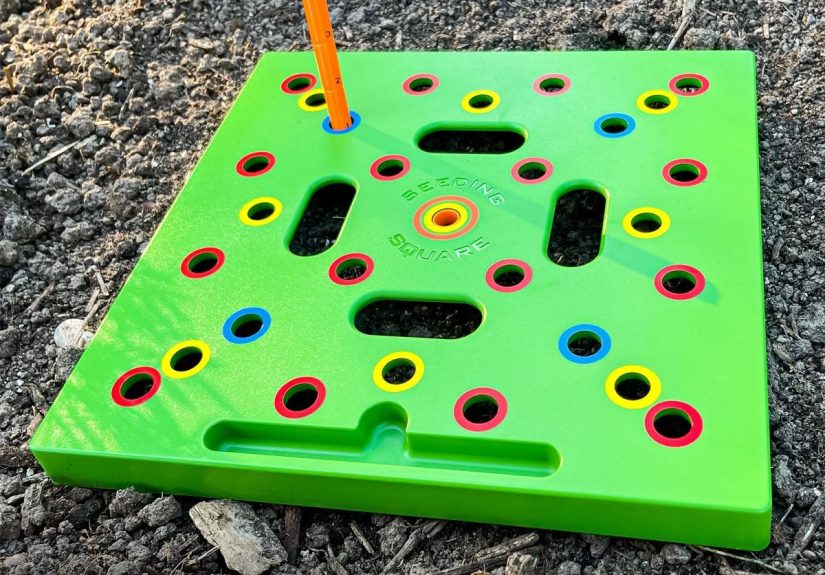
If you’ve ever opened a seed packet and immediately felt like you needed a geometry degree, a tiny ruler, and emotional support, you are exactly the kind of gardener Seeding Square is trying to help. The Seeding Square is a color-coded seed spacer tool designed to simplify planting in square-foot gardens and raised beds. The promise is simple: place the template, poke holes, drop seeds, and get better spacing without guessing.
That sounds great in theory. But does it actually make planting easier, faster, and more accurate? Or is it one of those gardening gadgets that seems brilliant until it ends up in the same drawer as your avocado slicer and melon baller?
Here’s our in-depth Seeding Square review, including what it does well, where it can be annoying, who it’s best for, and whether it’s worth the price.
What Is the Seeding Square Seed Spacer Tool?
The Seeding Square is a planting template made for square foot gardening and other small-space garden layouts. It’s essentially a square guide you set on the soil to mark planting positions. The idea is to help you plant seeds at consistent spacing, especially for common vegetables like carrots, radishes, lettuce, onions, and beets.
What makes it different from a DIY grid or a measuring tape is the color-coded hole system. Instead of measuring each seed position manually, you follow the color pattern that corresponds to plant spacing. The common logic mirrors square-foot gardening spacing categories (such as 1, 4, 9, or 16 plants per square), which many gardeners already use when planning raised beds.
How it works (in plain English)
- Place the tool on prepared soil.
- Use a dibber, pencil, or finger to mark holes through the guide.
- Drop seeds into the marked spots.
- Cover, water, and label.
It’s basically a reusable spacing stencil for seeds. Think of it as training wheels for precise sowingexcept plenty of experienced gardeners will use it too, because accuracy is nice and kneeling in the dirt makes everyone appreciate shortcuts.
Quick Verdict
Bottom line: The Seeding Square is a genuinely useful seed spacer tool for beginners, families, and raised-bed gardeners who want a simple, repeatable planting method. It’s not essential for experienced growers who already eyeball spacing well, and it can feel pricey compared with DIY alternatives. But if seed spacing is a pain point for you, this tool can reduce guesswork and make planting more organized.
Pros
- Easy to use for beginners
- Helps improve spacing consistency in raised beds
- Useful visual system for square foot gardening
- Can speed up planting for small seeds
- Reusable and simple to clean
Cons
- Price may feel high for a single-purpose gardening tool
- Less useful for gardeners who already know spacing by memory
- Not ideal for every crop shape, row style, or bed layout
- Seed packets still matter (you can’t ignore crop-specific instructions)
What You Get and First Impressions
Retail listings commonly describe the Seeding Square as a compact planting guide with accessories such as a magnetic seed dibber, a wand/dibber, tweezers, and a planting guide (exact packaging can vary by seller and version). Product dimensions and listing details also vary slightly by retailer, which is pretty normal for online garden tools.
From a design standpoint, the appeal is obvious: it looks approachable. That matters more than people think. A lot of beginners don’t struggle because they can’t plant seedsthey struggle because seed packets, spacing charts, and bed planning all arrive at once, and suddenly gardening feels like a pop quiz. A visual spacing template reduces that friction.
That’s one of the strongest arguments for Seeding Square: it lowers the “ugh, I’ll do it later” barrier and makes direct sowing feel more plug-and-play.
Does Seed Spacing Really Matter? (Yes, and Here’s Why)
If you’re wondering whether a seed spacer tool is overkill, the answer depends on how often you overcrowd plants. Proper spacing is not just about making the bed look tidy. It affects airflow, root competition, light access, and overall plant vigor. Crowded seedlings can compete for water, nutrients, and light, which can reduce growth and yield. That’s why extension services and seed companies repeatedly emphasize spacing and thinning.
In practical terms, spacing matters most when you’re planting crops that are easy to overdocarrots, radishes, beets, lettuce mixes, green onions, and similar seeds. It is very easy to sprinkle those “just a little too generously,” then spend the next few weeks thinning like you’re editing a first draft at 2 a.m.
Square foot gardening methods also rely on spacing categories (for example, 1, 4, 9, or 16 plants per square) based on mature plant size. The Seeding Square fits neatly into that style of garden planning, which is why the tool makes the most sense in raised beds and intensive planting systems rather than long traditional farm-style rows.
How Useful Is It in a Real Garden Setup?
Where Seeding Square shines
1) Raised beds and small gardens.
If you garden in a 4×4 bed, a patio raised bed, or a tidy backyard plot, the Seeding Square matches the workflow beautifully. Small-space gardens reward planning and precision, so a seed spacing template can save time and reduce rework.
2) Beginner gardeners.
New gardeners often overplant because seed packets can be intimidating or because tiny seeds are hard to handle. A visual template helps turn spacing into a simple process: follow the pattern, plant, done.
3) Teaching kids or group gardening.
Color-coded guides are excellent for school gardens, family gardens, or community settings where multiple people help plant. It gives everyone a consistent method and reduces the “who planted 87 carrot seeds in one square?” mystery.
4) Gardeners who want consistency.
Even if you know your spacing, there’s something satisfying about consistent placement. It can make later thinning, weeding, and succession planting easier to manage.
Where it may be less useful
1) Large row gardens.
If you grow in long rows across a large plot, a single square template may feel too slow. In that case, string lines, row markers, or seeding tools designed for row planting may be more efficient.
2) Experienced gardeners who eyeball spacing well.
Plenty of gardeners already know how far apart to sow lettuce, carrots, or beans and can move quickly without a guide. For them, Seeding Square may feel helpful-but-optional.
3) Crops with special spacing or growth habits.
Not every crop neatly fits a generic square-foot pattern. Vining plants, sprawling squash, and some varieties that need more room may require flexible spacing based on variety, trellis plans, or your local growing conditions.
Accuracy vs. Seed Packet Instructions: Which One Wins?
This is the part that matters most in any Seeding Square review: the tool does not replace crop-specific guidance. It helps you space seeds consistently, but you still need to read the seed packet.
Why? Because spacing can vary by variety, growing method, and whether you’re sowing for baby greens versus full-size plants. Seed packets and trusted planting guides usually include spacing, depth, and thinning instructions. Some crops are deliberately sown thicker and thinned later. Others need room from day one.
So the best way to use the Seeding Square is as a layout tool, not a magic gardening brain. Pair it with seed packet recommendations and basic square foot gardening charts, and it becomes much more effective.
Pro tip: Don’t skip thinning
Even with a seed spacer tool, germination rates vary. If multiple seeds sprout where you only need one plant, thinning may still be necessary. In many cases, snipping extra seedlings instead of pulling them is the safer move because it reduces root disturbance for the seedling you want to keep.
Build Quality and Ease of Use
Most product descriptions position Seeding Square as a reusable garden tool, and that’s one of its main advantages over one-time paper templates or improvised spacing tricks. A reusable guide is simple to rinse off, store, and bring back next season.
Ease of use is where the product earns most of its praise. The “place, mark, plant” process is intuitive, especially if you prefer visual cues over measurement. It also reduces decision fatigue. Instead of stopping every few minutes to check spacing, you can keep moving.
That said, a tool like this works best when your soil is already prepared. If your bed surface is uneven, clumpy, or full of mulch, any spacing guide becomes harder to place accurately. In other words, Seeding Square doesn’t fix poor bed prep. It rewards good prep.
Price and Value: Is Seeding Square Worth It?
The value question comes down to what kind of gardener you are.
It’s probably worth it if:
- You’re new to gardening and want a confidence boost
- You grow in raised beds and use square foot gardening methods
- You plant several cool-season crops from seed each year
- You like organized tools that simplify repetitive tasks
- You’re buying a gift for someone getting into vegetable gardening
It may not be worth it if:
- You mostly buy transplants instead of direct sowing seeds
- You already have a spacing system that works well
- You garden at larger scale in long rows
- You prefer DIY solutions and don’t mind measuring
In short, Seeding Square is not the cheapest way to space seeds. It’s the easiest way for a certain type of gardener. And that distinction matters. People don’t buy tools like this because they cannot plant seeds without them; they buy them because the tool makes planting faster, cleaner, and more consistent.
Seeding Square vs. DIY Seed Spacing Methods
DIY options people commonly use
- Finger spacing (the classic “close enough” method)
- A ruler or measuring tape
- String grid over raised beds
- Homemade cardboard or plastic templates
- Marked sticks or dowels
DIY works, and it can be nearly free. But DIY also requires setup time, repeat measuring, or trial and error. If you enjoy improvising, that’s part of the fun. If you want a ready-made tool that standardizes the process, Seeding Square is the more convenient option.
A good comparison is baking: yes, you can eyeball ingredients; yes, some people are amazing at that; no, I am not one of them. The Seeding Square is measuring cups for your raised bed.
Who Should Buy the Seeding Square?
Best for: beginner gardeners, raised-bed gardeners, square foot gardening fans, families, teachers, and gift shoppers looking for a useful garden gadget.
Maybe skip it: advanced growers with established spacing habits, large row-garden growers, or anyone who prefers broad seeding and later aggressive thinning.
Final Review Verdict
The Seeding Square earns a positive review because it solves a real gardening problem in a simple, visual, repeatable way. It won’t replace seed packets, local growing knowledge, or basic gardening technique, but it can absolutely reduce spacing mistakes and make direct sowing less intimidating.
If your gardening style is “organized raised bed with a planting plan,” this seed spacer tool is a strong fit. If your style is “broadcast seeds and let destiny sort it out,” you probably don’t need itand honestly, I respect the chaos.
Our take: a smart niche tool that is most valuable for beginners and square foot gardeners, with convenience as its biggest selling point.
Extended Experience Section (500+ Words): What the Seeding Square Experience Feels Like in Practice
This section is a composite experience-style walkthrough based on verified product features, retailer descriptions, and common seed-spacing/thinning guidance. It’s meant to reflect what a typical user experience is likenot a claim of a literal in-person lab test.
The biggest surprise with the Seeding Square experience is how much it changes your planting rhythm. Most beginners approach direct sowing like this: open packet, squint, pour a few seeds into your palm, panic slightly, plant too many, then promise yourself you’ll thin later. The Seeding Square shifts that routine into something more structured. You place the tool, make marks, and plant with intention. That sounds small, but in gardening, small process changes can snowball into better results.
Imagine you’re planting a raised bed in early spring with carrots, radishes, lettuce, and green onions. Without a guide, it’s easy to overcrowd one corner and leave weird empty patches elsewhere. With a seed spacer template, the bed starts to look planned from the beginning. You can move square by square, keeping crops organized and labels accurate. That’s especially helpful if you’re mixing fast crops (radishes) with slower ones (carrots) and want to track what’s where without relying on memory. Gardening memory, by the way, is deeply overconfident. We all think we’ll remember. We do not.
Another practical benefit is how the tool encourages better soil-surface prep. Because the guide sits best on a smooth surface, users naturally spend an extra minute leveling the bed before planting. That extra minute often improves seed contact, watering consistency, and overall neatness. In other words, the tool indirectly nudges you toward better habits. It’s not magic; it just rewards a cleaner setup.
Where the Seeding Square experience becomes less effortless is when crops don’t fit the “template mindset.” If you’re planting sprawling squash, trellised cucumbers, or varieties with spacing that differs from standard square-foot assumptions, you still have to think through your layout. The tool won’t make those decisions for you. It’s best when used as a guide for direct-sown vegetables that benefit from repeatable spacing, not as a universal answer for every plant in the garden.
Users who enjoy gadgets will probably love it right away. Users who are skeptical may warm up after a season, especially if they notice they’re doing less thinning or getting more uniform stands of seedlings. The value is often not dramatic on day one. It shows up later, when rows (or squares) are easier to weed, plants have room to develop, and you’re not untangling a carrot jungle because you planted with enthusiasm instead of spacing.
There’s also a quality-of-life angle that doesn’t get enough attention in gardening reviews: decision fatigue. During planting season, you’re already making choices about timing, varieties, weather windows, pests, fertilizer, watering, and bed space. A tool that simplifies one repetitive task can make the whole experience more enjoyable. The Seeding Square won’t make you a master gardener overnight, but it can make you feel more in control while you learn. And for many beginners, that confidence is worth almost as much as the tool itself.
If you’re the kind of gardener who likes systems, labels, and tidy raised beds, the Seeding Square experience will likely feel satisfying and efficient. If you’re more improvisational, you may still appreciate it for small seeds and early-season planting when precision matters most. Either way, the tool’s best feature is not the plastic itselfit’s the way it turns a confusing task into a repeatable routine.