Table of Contents >> Show >> Hide
- What Is Shepherd’s Purse?
- Potential Benefits of Shepherd’s Purse
- Forms of Shepherd’s Purse
- Dosage: How Much Shepherd’s Purse Is Usually Used?
- How to Use Shepherd’s Purse Safely
- Side Effects of Shepherd’s Purse
- Who Should Avoid Shepherd’s Purse?
- Drug Interactions to Know About
- When to See a Doctor Instead of Reaching for an Herb
- Experiences People Commonly Share About Shepherd’s Purse
- Final Takeaway
Some herbs arrive with a glamorous reputation. Shepherd’s purse is not one of them. It sounds less like a wellness superstar and more like something you’d lose at a medieval farmer’s market. But this humble plant has been used for generations in traditional herbal medicine, especially for bleeding-related concerns. That history is exactly why people still search for it today.
So, is shepherd’s purse a hidden gem or just another herb with a very good publicist? The honest answer sits somewhere in the middle. It has a long traditional track record, a few intriguing studies, and a safety profile that deserves more respect than many supplement labels suggest. In other words, this is not the herb to take on a whim just because the bottle looks earthy and trustworthy.
This guide breaks down what shepherd’s purse is, what its potential benefits may be, how dosage is usually discussed, which side effects matter most, and when a person should skip the DIY herbal adventure and call a real healthcare professional instead.
What Is Shepherd’s Purse?
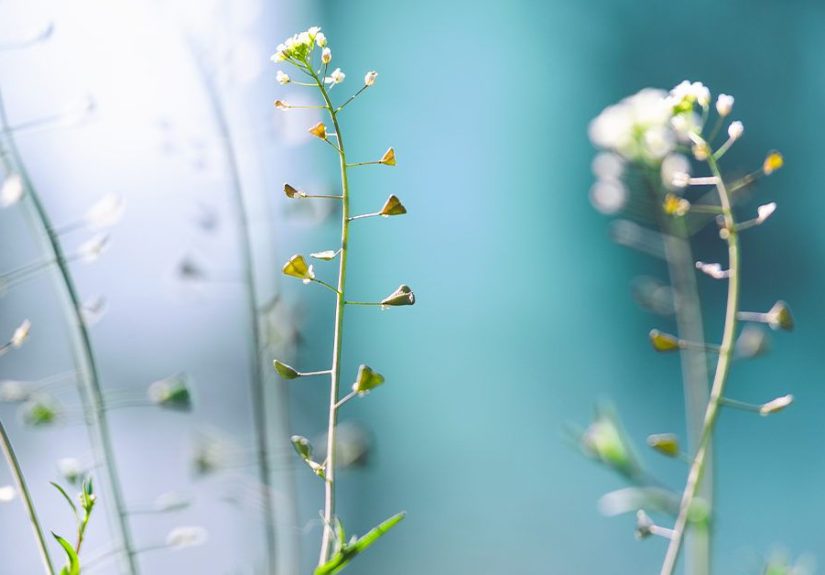
Shepherd’s purse, known botanically as Capsella bursa-pastoris, is a flowering plant in the mustard family. It grows widely in disturbed soil, sidewalks, gardens, and fields, and it is famous for its tiny heart-shaped seedpods that look like little purses hanging from the stem. That quirky seedpod shape is where the common name comes from, and frankly, the plant marketing team did its job.
Traditionally, the parts above the ground have been used as medicine. You may find shepherd’s purse sold as dried herb, tea, liquid extract, tincture, capsule, or tablet. Some people also know it as an edible wild plant, but food use and supplement use are not the same thing. A handful of greens in a foraging recipe is very different from taking concentrated extract for a specific health goal.
In herbal traditions, shepherd’s purse has most often been linked to supporting normal bleeding patterns, especially heavy menstrual flow. It has also been discussed for nosebleeds, minor bleeding concerns, digestive complaints, and inflammation. The key phrase here is traditionally used. Traditional use can be interesting and meaningful, but it is not the same as high-quality proof.
Potential Benefits of Shepherd’s Purse
1. Heavy Menstrual Bleeding
This is the biggest reason shepherd’s purse shows up in modern supplement conversations. Among the claims surrounding this herb, support for heavy menstrual bleeding is the most commonly repeated and the most seriously studied. A few small clinical studies have suggested that shepherd’s purse extract may help reduce menstrual blood loss, especially when used alongside conventional medication rather than as a solo hero riding in on a white horse.
That said, the evidence is still limited. The studies are small, the product formulations vary, and the research is nowhere near strong enough to treat shepherd’s purse like a first-line medical therapy. If someone is soaking through pads or tampons, passing large clots, feeling dizzy, or becoming anemic, the priority is not “Which tea should I brew?” The priority is finding the cause. Heavy bleeding can be related to fibroids, polyps, ovulatory dysfunction, medication effects, pregnancy-related complications, bleeding disorders, or, less commonly, more serious underlying conditions.
2. Traditional Bleeding Support
Shepherd’s purse has long been described as an herb for bleeding support in folk medicine. That history is one reason it is often mentioned for nosebleeds and postpartum bleeding. But this is where caution matters most. Postpartum bleeding is a medical emergency, not an herbal hobby. Nobody should try to self-treat serious bleeding at home with a supplement because the internet said the herb had an old-timey reputation.
In short, shepherd’s purse has a traditional reputation as a hemostatic herb, meaning it has been used in attempts to help control bleeding. Modern evidence hints at potential value in narrow situations, but the proof is not strong enough to replace proper diagnosis or emergency care.
3. Anti-Inflammatory and Antioxidant Activity
Laboratory and animal research suggests shepherd’s purse contains plant compounds such as flavonoids and other phytochemicals that may have antioxidant and anti-inflammatory effects. That sounds promising, and it may help explain why the herb has been used so widely in traditional systems.
Still, promising is not the same as proven. Plenty of plants look fantastic in a lab and then fail to deliver anything meaningful in actual humans. So while anti-inflammatory potential makes for an interesting scientific footnote, it should not be turned into a flashy claim that shepherd’s purse can fix every modern health complaint from stress to sore knees to bad vibes before lunch.
4. Other Claimed Uses
You may also see shepherd’s purse discussed for urinary complaints, hemorrhoids, swelling, mild digestive issues, or blood pressure support. These claims tend to be based on historical use, animal research, or very limited human evidence. At this point, the data simply are not strong enough to present these benefits as established facts.
That does not mean the herb is useless. It means the grown-up answer is: interesting, maybe, but not confirmed.
Forms of Shepherd’s Purse
If you shop online or in a supplement store, you will usually see shepherd’s purse in one of these forms:
- Dried herb for tea: often marketed for traditional menstrual support
- Tincture or liquid extract: concentrated liquid form that is usually measured in drops or milliliters
- Capsules or tablets: the most convenient option for people who do not enjoy drinking something that tastes like a field and a lecture
- Combination formulas: sometimes blended with yarrow, lady’s mantle, or other herbs aimed at menstrual support
The problem is consistency. Supplement quality and concentration can vary quite a bit from one brand to another. That means one product may be much stronger, weaker, or simply different from another even when the front label makes them look like twins in matching cardigans.
Dosage: How Much Shepherd’s Purse Is Usually Used?
Here is the most important dosage fact: there is no universally accepted, evidence-based standard dose for shepherd’s purse in the United States. Consumer references often say there is not enough scientific information to determine an appropriate dosing range, which is not exactly the dramatic answer supplement marketing likes to print in giant leaf-green letters.
Even so, traditional and reference-based dosing examples do exist. Some herbal references mention adult oral doses such as:
- about 1 to 4 grams by mouth three times daily
- roughly 10 to 15 grams of crushed herb per day, divided
- around 5 to 8 grams of liquid extract per day
Traditional tea guidance may also describe using about a heaping teaspoon per cup of near-boiling water and drinking several cups daily. But these are reference-style or traditional-use examples, not high-confidence dosing rules backed by strong clinical evidence. Different extracts have different strengths, and labels are not always as precise as consumers would hope.
Practical Dosage Advice
If a person still wants to try shepherd’s purse, the safest approach is to follow the exact label directions from a reputable brand and run it by a clinician or pharmacist first, especially if the goal involves bleeding, hormones, surgery, thyroid issues, or prescription drugs. Starting low, avoiding multiple bleeding-related herbs at once, and not treating the supplement like an all-you-can-swallow buffet are all smart moves.
How to Use Shepherd’s Purse Safely
Using an herb safely is less about vibes and more about context. Shepherd’s purse may sound gentle because it is a plant, but “natural” is not a synonym for “harmless.” Poison ivy is also natural, and nobody is making it the mascot of better living.
Smart use starts with asking the right question: Why am I taking this? If the answer is heavy periods, irregular bleeding, or postpartum concerns, a medical evaluation matters. A supplement should never delay care for a symptom that can signal anemia, pregnancy complications, fibroids, or another condition that needs proper diagnosis.
It is also wise to track timing, dose, brand, and symptoms. If the herb seems to increase dizziness, fatigue, palpitations, unusual bruising, or any new symptom, stop using it and get medical advice.
Side Effects of Shepherd’s Purse
Human safety research on shepherd’s purse is limited, which means the side-effect picture is incomplete. Some consumer health references warn that the herb may cause drowsiness and may affect blood pressure, thyroid function, or heart rhythm in some users. Older animal data have also raised concerns about breathing difficulty and more serious toxicity at very high exposures.
That does not mean most people will experience dramatic reactions. It means the safety margin is not fully mapped out, and that is exactly when caution should get louder, not quieter.
Possible side effects and concerns may include:
- drowsiness or unusual sleepiness
- changes in blood pressure
- heart palpitations
- possible effects on thyroid function
- stomach upset or general intolerance, depending on the formulation
People sometimes assume that if an herb has been used for centuries, the side effects must be completely understood. Sadly, history is full of examples proving that humans can do the same questionable thing for hundreds of years and still call it tradition.
Who Should Avoid Shepherd’s Purse?
Shepherd’s purse is not a good fit for everyone. It is best avoided or used only with direct medical guidance in the following situations:
Pregnancy
Pregnant women should avoid shepherd’s purse because it may stimulate uterine activity and because safety data are not well established. When pregnancy is on the table, “maybe it’s fine” is not a medical strategy.
Breastfeeding
There is not enough reliable information to know whether shepherd’s purse is safe during breastfeeding. When evidence is this thin, caution wins.
Thyroid Conditions
Some references warn that shepherd’s purse may affect thyroid function, so people with thyroid disease or those taking thyroid medication should be especially careful.
Upcoming Surgery
Because of possible effects on sedation, bleeding response, or other body systems, many supplement safety guides recommend stopping herbs like this before surgery. If a procedure is scheduled, the surgeon and anesthesiology team should know exactly what supplements are being used.
Kidney Stone History
Some references advise caution in people prone to kidney stones because shepherd’s purse contains oxalates. That does not make it automatically dangerous for everyone, but it does mean the risk should not be ignored.
Heart or Circulatory Problems
Because shepherd’s purse may influence circulation, heart rhythm, or blood pressure, people with cardiovascular concerns should not treat it casually.
Drug Interactions to Know About
Supplements can interact with medications even when their labels look like they were designed by a peaceful forest elf. Shepherd’s purse may be especially risky when combined with:
- Sedatives or other drugs that cause drowsiness
- Thyroid medication
- Medicines that affect bleeding or clotting
- Prescription treatments for heart or blood pressure conditions
If a person takes regular prescription medication, the safest move is to ask a pharmacist or clinician before starting the herb. That short conversation can prevent a long, expensive, and very annoying problem later.
When to See a Doctor Instead of Reaching for an Herb
Shepherd’s purse should never be the only plan when symptoms are significant. Medical care matters right away if someone has:
- very heavy menstrual bleeding
- bleeding between periods
- bleeding after menopause
- dizziness, fainting, or shortness of breath
- signs of anemia, such as fatigue and weakness
- postpartum bleeding
- unexplained bruising or bleeding from multiple sites
An herb may be part of a bigger conversation, but it should not replace diagnosis. When the body is waving a red flag, it is rude to answer with only herbal tea.
Experiences People Commonly Share About Shepherd’s Purse
Ask around in herbal communities, read product reviews, or talk to people who prefer traditional remedies, and shepherd’s purse tends to inspire a very specific kind of response: hopeful curiosity mixed with caution. Most people do not discover it because they want a trendy wellness ritual. They find it because something is bothering them, often heavy periods, irregular flow, or the feeling that their body is being dramatically uncooperative.
One common experience is surprise at how old-fashioned the herb feels. People often say it was recommended by a parent, a midwife, a herbalist, or someone who owns more glass dropper bottles than coffee mugs. Shepherd’s purse is not usually the flashy first supplement a person grabs. It tends to appear after someone has already gone down the rabbit hole of teas, tinctures, magnesium, heating pads, and late-night searches that begin with, “Is this normal?”
Another common theme is the taste. Tea drinkers often describe it as earthy, bitter, grassy, or stubbornly medicinal. In plain English, it is rarely mistaken for a luxury beverage. Tinctures may be easier for some people because they are quicker to take, but liquid extracts can also taste intense. Capsules usually win the popularity contest for convenience, which is not shocking. Swallowing a capsule is a lot easier than convincing yourself a bitter cup of green herb water is a treat.
People who try shepherd’s purse for menstrual support often describe watching closely for changes in flow, cramps, clotting, and fatigue. Some say they feel encouraged by what seems like lighter bleeding or a shorter period. Others notice no clear difference at all. That mixed experience makes sense because supplements are not standardized like prescription drugs, and because heavy bleeding can have many different causes. An herb that seems helpful for one person may do very little for another whose symptoms are driven by fibroids, hormonal shifts, or an undiagnosed medical condition.
There is also a psychological side to the experience. For some people, using shepherd’s purse feels empowering because it gives them a small sense of action while they work on a larger health plan. They may appreciate having a ritual, a tea, a dropper, or a routine that makes them feel less helpless. That matters. But it can also create a trap if the ritual becomes a substitute for evaluation. The experience feels proactive, but the underlying problem may still need real medical attention.
Many cautious users eventually land on the same practical conclusion: shepherd’s purse may be worth discussing as a supportive option, but it works best when paired with common sense, symptom tracking, and professional guidance. In other words, the most useful experience may not be “This herb magically fixed everything,” but rather, “This herb taught me to pay closer attention to my body and ask better questions.” Honestly, that is not a bad result at all.
Final Takeaway
Shepherd’s purse is a fascinating traditional herb with a long history and a narrow but interesting evidence base. Its most credible modern use is for heavy menstrual bleeding, yet even there, the research remains limited and the products are far from standardized. It may offer supportive value for some people, but it should not be treated like a guaranteed solution or a substitute for diagnosis.
If you are curious about shepherd’s purse, the smartest approach is simple: choose a reputable product, respect the lack of standardized dosing, watch for interactions, and involve a healthcare professional when symptoms are significant. Herbs can be helpful. They can also be messy, under-studied, and occasionally overhyped. Shepherd’s purse manages to be all three at once, which is honestly a talent.