Table of Contents >> Show >> Hide
- What Color Is SW 7600 Bolero, Really?
- How Bolero Changes in Different Lighting
- Best Places to Use SW 7600 Bolero
- Where Bolero Can Be Tricky (and How to Fix It)
- Color Pairings That Make Bolero Look Intentional
- Choosing the Right Sheen for Bolero
- Sampling Bolero the Smart Way (So You Don’t Paint Twice)
- Painting With a Deep Red: Prep Tips That Save Your Sanity
- Design Ideas: How to Style a Room With Bolero
- Maintenance and Longevity
- Real-World Experiences: What It’s Like to Live With SW 7600 Bolero (About )
- Conclusion
- SEO Tags
If paint colors had playlists, Sherwin-Williams SW 7600 Bolero would be a warm, dramatic track with a beat you can’t ignore. It’s a rich red that leans cozy and grounded (more “brick and velvet” than “stop-sign and panic”). Used well, Bolero can make a room feel curated, confident, and a little bit like you know what you’re doingeven if your paint tray says otherwise.
This guide breaks down what Bolero looks like in real homes, how lighting changes it, where it shines (and where it might shout), plus practical painting advice so your final result looks intentionalnot accidental.
What Color Is SW 7600 Bolero, Really?
Bolero sits in the red family, but it’s not a bright cherry red. Think of it as a deep, warm red with earthy depthlike sunbaked clay, worn leather, or a good tomato sauce that’s been simmering long enough to earn your respect.
Undertones and “vibe check”
Most people read Bolero as a warm, slightly muted red with a subtle brown influence. That warmth is what makes it feel inviting instead of loud. In many spaces it can land somewhere between brick, rust, and spiced red.
Light Reflectance Value (LRV): why Bolero looks so saturated
Bolero’s LRV is around 9, which is lowmeaning it reflects relatively little light. In normal-person terms: it’s a deeper color that tends to look richer and more dramatic, and it can make a room feel cozier (or smaller) depending on how you use it. Low-LRV colors also change more noticeably between daylight, warm bulbs, and evening shadows.
How Bolero Changes in Different Lighting
Color never stands still. Bolero is especially sensitive to lighting because it’s deep and warm. Before you commit, it helps to predict how it will behave during your room’s “whole day in one minute” montage.
North-facing rooms
Cooler, indirect light can make Bolero look a little deeper and more subduedless spicy, more serious. If your room already feels cool, Bolero can warm it up, but it may also read darker than you expect.
South- and west-facing rooms
Brighter, warmer light tends to make Bolero glow. Afternoon sun can pull out those earthy, brick-like notes and make the color feel energetic without becoming neon.
Warm LEDs vs. cool LEDs
Warm bulbs (around 2700K–3000K) usually flatter Bolero by amplifying the cozy side. Cooler bulbs can sharpen the red and sometimes make it feel more intense. If your lighting is very cool, consider swapping bulbs before blaming the paint.
Best Places to Use SW 7600 Bolero
Bolero is a “statement” color, but you get to choose the volume level. Here are some high-success placements (meaning: dramatic in a good way).
1) Accent wall (the easiest win)
Use Bolero behind a bed, sofa, or dining banquette. You get the mood and richness without wrapping the entire room in red. Pair with warm neutrals and natural textures so it feels designed, not themed.
2) Dining rooms and breakfast nooks
Warm reds tend to feel lively and inviting in dining spaces. Bolero can make everyday meals feel a little more “restaurant” and a little less “standing over the sink.”
3) Front doors and statement doors
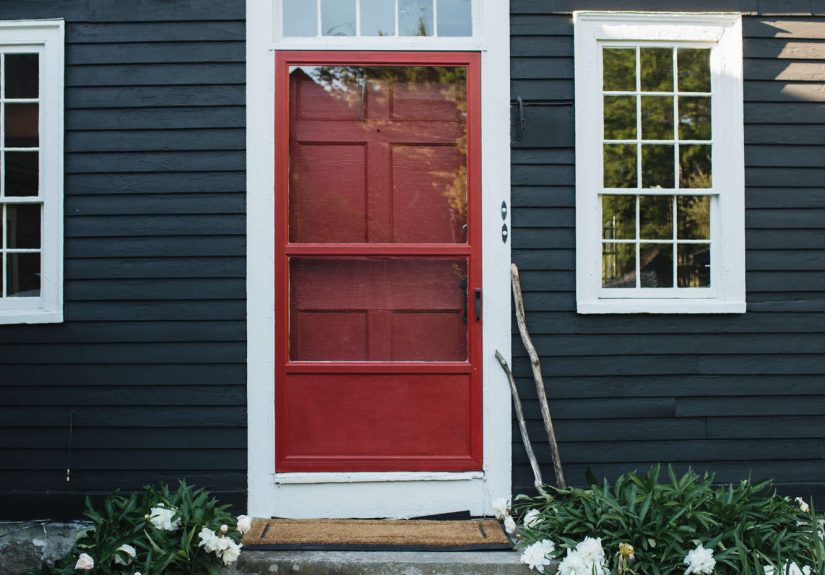
Deep reds are classic for doors because they read welcoming and timeless. Bolero works especially well with stone, brick, warm white trim, black hardware, and brass accents.
4) Powder rooms (tiny room, big payoff)
Powder rooms are perfect for bold color because you’re not living in them all day. Bolero can look luxe and dramatic with a mirror, warm lighting, and a bit of metal (brass, bronze, or black).
5) Built-ins, bookcases, or a library wall
Bolero on built-ins can feel custom and expensive. Add warm wood shelves, neutral walls, and soft lighting, and suddenly your books look like they’ve been readwhether they have or not.
Where Bolero Can Be Tricky (and How to Fix It)
Large, low-light rooms
Low-LRV colors can feel heavy in dim spaces. Fix it with better lighting (layers help: overhead + lamps), reflective accents (mirrors, metal), and lighter surrounding colors.
Rooms with lots of bright, cool finishes
If a space has tons of icy grays, cool white tile, and chrome everywhere, Bolero might feel like it’s arguing with the room. Try warming up the environment with softer whites, wood, woven textures, or warmer metals.
If you’re allergic to “bold”
Use Bolero on one small area: a door, a niche, a single wall, or even a piece of furniture. You can always go bigger laterafter you’ve lived with it for a week and stopped checking it every time you walk by.
Color Pairings That Make Bolero Look Intentional
Bolero plays best with colors and materials that support its warmth. Here are pairing directions that reliably work in real homes.
Warm whites and creamy neutrals
- Look: classic, clean, elevated
- Try: creamy white walls, Bolero accent, natural wood, linen textures
Warm grays, greige, and taupe
- Look: modern, grounded, easy to live with
- Try: greige walls + Bolero on a door or built-ins + black hardware
Charcoal and near-black accents
- Look: dramatic, high-contrast, “designer-y”
- Try: Bolero wall + charcoal trim or furniture + brass lighting
Earth tones: clay, camel, olive, and tan leather
- Look: warm, organic, collected over time
- Try: Bolero + olive textiles + wood + ceramics
Choosing the Right Sheen for Bolero
Sheen is not just “shiny or not.” It affects durability, how much wall texture you see, and how the color reads in light. Bolero’s depth can look different depending on finish.
Recommended sheen by surface
- Ceilings: flat (to hide imperfections)
- Walls: matte or eggshell (soft look, more forgiving)
- Trim & doors: satin or semi-gloss (durable, wipeable)
- Statement accents: gloss (sparingly, for drama)
Pro tip: higher sheen reflects more light and shows more wall flaws. If your walls aren’t perfectly smooth, a very shiny finish can make the surface look like it’s telling secrets.
Sampling Bolero the Smart Way (So You Don’t Paint Twice)
Screens lie. Lighting lies. Your brain lies a little, tooespecially after staring at paint chips for an hour. Sampling is how you turn “I think” into “I know.”
Sampling methods that actually help
- Color chips: quick for narrowing down, not final decisions
- Peel-and-stick samples: no mess, great for moving around the room
- Paint samples (like quart samples): best for seeing true depth and texture
How to sample Bolero correctly
- Test more than one wall (light changes by direction).
- Paint a large enough swatch (a small square can mislead you).
- Check it morning, afternoon, and at night under your actual bulbs.
- Compare next to your trim, flooring, and big furnitureBolero needs context.
Painting With a Deep Red: Prep Tips That Save Your Sanity
Deep colors like Bolero can be incredibly rewardingand occasionally humbling. A little prep prevents the “Why does this look streaky?” spiral.
Do you need primer?
It depends on what you’re painting over. Primer is often worth it when: you’re covering stains, patchy repairs, bare drywall, raw wood, or making a dramatic color change. It helps adhesion and can reduce the number of finish coats you need.
Tinted primer: the secret weapon for bold colors
If you’re going from light to deep red, ask about a tinted primer. Getting the wall closer to Bolero’s depth can make coverage easier and more even. This is especially helpful for reds, which can otherwise take extra coats to look solid.
How many coats should you plan for?
Most projects do best with two finish coats after proper prep (and primer when needed). Deep reds often look best when the color has built up evenlyso don’t panic if the first coat looks a little uneven. That’s not failure; that’s “mid-project reality.”
Application tips for a smoother finish
- Use quality tools (rollers and angled brushes matter more than people admit).
- Keep a “wet edge” so you don’t get lap marks.
- Let coats dry fully before re-coating (rushing is how streaks happen).
- For trim and doors, light sanding between coats can help the finish look crisp.
Design Ideas: How to Style a Room With Bolero
Modern cozy dining room
Paint one wall in Bolero, keep the others a warm off-white, add a walnut table, black chairs, and brass pendant lighting. Finish with linen curtains and a textured rug so the red feels rich, not flat.
Classic entryway with a “wow” moment
Use Bolero on the front door (or interior entry door), pair with warm white trim and matte black hardware. Add a natural fiber runner and a big mirror to bounce lightespecially helpful with a low-LRV color.
Moody built-ins in a living room
Paint built-in shelves in Bolero, keep the walls neutral, and style shelves with a mix of books, ceramics, and a few warm metals. It reads custom and collectedlike it came with the house (in the best way).
Maintenance and Longevity
A deeper color can hold up beautifully, especially in an appropriate sheen. For washable areas, eggshell or satin tends to be easier to maintain than very flat finishes. If you expect frequent cleaning (kids, pets, high-traffic hallways), prioritize durability and follow product guidance for cure time before heavy wiping.
Real-World Experiences: What It’s Like to Live With SW 7600 Bolero (About )
People often fall for Bolero the same way they fall for a great leather jacket: it looks bold on the rack, but once you put it on, it somehow becomes the thing that makes everything else look better. In real homes, the most common “aha” moment happens after the second coat dries and the color stops looking like a patchy experiment. That’s when Bolero becomes what it’s meant to bedeep, warm, and confidently saturated.
One of the most repeated experiences with a color like this is the lighting surprise. In daytime, Bolero can read like a rich brick red, especially with sun and warm wood nearby. But at night, under certain bulbs, it can deepen into a moodier, almost wine-adjacent red. Homeowners who love it tend to lean into that shift: they add layered lighting (a ceiling fixture plus lamps), and suddenly the room feels like it has “modes”bright and social by day, cozy and dramatic after dark.
Another common experience: Bolero is a compliment magnet when it’s used with restraint. As an accent wall, on built-ins, or on a door, it gets the “Oh wow, what color is that?” reaction without overwhelming the space. When it’s used on all four walls, people still love itbut they usually do it intentionally, in smaller rooms like a powder room or a snug den, where the deep color creates a cocoon effect. The lesson tends to be: if your room is large and you’re nervous, start smaller. You can always go from “statement wall” to “statement room,” but the reverse is… emotionally expensive.
Practical experience matters too. Deep reds can be less forgiving mid-application, which is why so many DIYers report a brief “did I ruin everything?” phase. The fix is usually boring (and therefore effective): good prep, the right roller, and patience between coats. People also notice that a tinted primer (or at least a solid primer plan when making a big color change) can make the project feel smoother, with fewer coats and less frustration. Bolero rewards the boring steps.
Styling-wise, Bolero tends to push a room toward “finished.” It makes art look more intentional, wood tones look warmer, and brass or black accents look sharper. Many homeowners end up simplifying their decor once Bolero goes upbecause the wall is already doing a lot of the talking. The best lived-in spaces with Bolero typically include a few balancing moves: lighter textiles, warm neutrals nearby, and at least one reflective element (mirror, glass, metal) to keep the room from feeling too visually heavy.
Bottom line: living with Bolero often feels like having a built-in mood boost. It’s bold, but not chaotic. It’s warm, but not orange-y. And once it’s up, it has a funny way of making the rest of the room step up its game.
Conclusion
Sherwin-Williams SW 7600 Bolero is a warm, deep red that brings instant characterespecially as an accent, on doors, or in small rooms where drama feels intentional. Because it’s low-LRV and richly pigmented, the smart approach is simple: sample it, watch it in your lighting, choose the right sheen, and don’t skip the prep when you’re making a big color change.
If you want a red that feels grown-up (not cartoon), cozy (not loud), and timeless (not trendy-for-a-week), Bolero is a seriously strong candidate.