Table of Contents >> Show >> Hide
- Why Cooling Quilts and Comforters Are Worth Shopping Right Now
- What Makes a Comforter or Quilt “Cooling”?
- Cooling Quilt vs. Cooling Comforter: Which One Should You Buy?
- Best Materials to Look For During Bedding Sales
- How to Find the Best Deals Without Buying the Wrong Bedding
- Who Should Buy Cooling Bedding?
- What Styles Are Trending in Cooling Bedding?
- How to Build a Cooler Bed Beyond the Comforter
- What to Expect From Sales Advertising “Up to 52% Off”
- Experience: What It Is Really Like to Shop Cooling Quilts and Comforters
- Final Thoughts
- SEO Tags
If your bed has been feeling less like a cozy retreat and more like a personal sauna, welcome. You are among friends here. Shopping for cooling quilts and comforters is one of those oddly satisfying upgrades that can make your whole bedroom feel smarter, lighter, and way more sleep-friendly. And when discounts climb as high as 52% off, that “maybe I’ll replace my bedding someday” thought suddenly becomes a very convincing “add to cart” moment.
The good news is that today’s cooling bedding is not just code for “thin and sad.” The best cooling quilts and comforters are breathable, soft, stylish, and genuinely helpful for hot sleepers, warm climates, sweaty nights, and couples who somehow manage to disagree on the room temperature every single evening. One person wants arctic tundra. The other wants cozy cabin. The comforter is stuck in the middle.
That is why sale season is such a smart time to shop. Instead of grabbing the first fluffy thing you see, you can compare materials, weights, fill types, and care instructions while prices are lower. A well-chosen cooling comforter can help reduce trapped heat, wick away moisture, and make your bed feel crisp instead of swampy. That is a strong return on investment for something you use every night.
Why Cooling Quilts and Comforters Are Worth Shopping Right Now
Cooling bedding has become a major focus for both retailers and sleep-focused brands because more shoppers want bedding that feels comfortable year-round, not just in winter. Traditional comforters can be heavy, lofty, and warm in a way that sounds lovely in theory but feels questionable in July. Cooling quilts and comforters answer that problem with lighter construction, breathable shells, and temperature-conscious fills.
The main appeal is simple: these pieces are designed to help heat escape instead of trapping it close to the body. Some rely on naturally breathable fibers like cotton, linen, eucalyptus, or bamboo-derived fabrics. Others use down-alternative fills, moisture-wicking technology, or cool-touch fabric blends that feel refreshing the moment you slide into bed. Translation: fewer midnight blanket kicks, fewer dramatic leg-out maneuvers, and less waking up wondering why your pillow feels like toast.
Sales also make it easier to try premium bedding features without spending luxury-level money. If you have been curious about a quilted cooling blanket, a lightweight comforter, or an airy duvet insert, markdowns can help you upgrade without the usual budget guilt.
What Makes a Comforter or Quilt “Cooling”?
Not every product labeled cooling deserves a standing ovation. Some are legitimately well designed. Others are just marketing with a very chill font. To shop smarter, focus on the details that actually matter.
1. Breathable Shell Fabrics
The outer fabric is a big deal because it sits closest to your skin. Cotton percale is a favorite because it feels crisp and airy. Linen is excellent for airflow and tends to get softer over time. Eucalyptus- and Tencel-based fabrics are often praised for softness and moisture management. Bamboo-derived viscose can feel silky and cool, which many hot sleepers love.
2. Lightweight Fill
A cooling comforter should offer comfort without the “I accidentally slept under a winter coat” effect. Lightweight down-alternative fill is a popular pick because it gives you loft without the density of heavier options. Quilts are often even lighter, which makes them ideal for spring, summer, and warm sleepers who still want a finished, layered bed.
3. Moisture-Wicking Performance
Cooling is not only about temperature. It is also about sweat. If you sleep warm or deal with humidity, moisture-wicking fabric can make your bed feel drier and more comfortable through the night.
4. Cool-to-the-Touch Finishes
Some modern comforters use performance fabrics that feel instantly cool when you lie down. This feature can be especially appealing if you want that fresh-sheet sensation to last longer than five theatrical seconds.
5. Smart Construction
Baffle-box stitching, channel quilting, and evenly distributed fill all help prevent clumping. That matters because a comforter with lumpy insulation does not regulate temperature well. It just creates random hot spots, which is not the bedtime adventure anyone requested.
Cooling Quilt vs. Cooling Comforter: Which One Should You Buy?
This is where personal sleep style matters.
Choose a cooling quilt if: you prefer lightweight layering, live in a warm climate, like a flatter bed look, or want something easy to fold, wash, and style. Quilts are often the easier choice for people who want coverage without too much loft.
Choose a cooling comforter if: you still want that fluffy, cloudlike bed aesthetic but need less heat retention. Cooling comforters can feel more substantial than quilts while still staying breathable and lighter than traditional winter bedding.
Choose both if: you are a bedding maximalist with excellent instincts. A lightweight cooling comforter paired with a breathable quilt at the foot of the bed gives you flexibility across seasons.
Best Materials to Look For During Bedding Sales
Cotton
Cotton remains a dependable choice for cooling bedding because it is breathable, familiar, and easy to care for. Percale cotton is especially popular for hot sleepers because of its crisp, airy weave.
Linen
Linen has a relaxed, slightly textured look and excellent airflow. It can feel more casual than silky, but that is part of its charm. If your dream bed says “coastal boutique hotel with self-control,” linen gets you close.
Eucalyptus or Tencel Lyocell
These fibers are often associated with softness, breathability, and moisture management. They tend to feel smoother than linen and cooler than many basic synthetics.
Bamboo-Derived Viscose
This fabric is often praised for a silky hand-feel and gentle drape. It is frequently used in cooling bedding marketed to hot sleepers and people who prefer softer, fluid fabrics.
Down-Alternative Fill
For many shoppers, this is the sweet spot. It can offer plushness without as much heat retention as a heavier down comforter, and it is often easier to care for.
How to Find the Best Deals Without Buying the Wrong Bedding
A discount is only a win if you actually like sleeping under the thing. Here is how to shop cooling quilts and comforters with common sense and a little strategy.
Check the Warmth Level
Words like all-season, lightweight, and summer weight matter. If you are specifically shopping for hot weather or night sweats, lean toward lightweight or cooling-specific options.
Read the Fabric Breakdown
Do not stop at the product title. Look for the shell material, fill composition, and whether the brand describes the bedding as moisture-wicking, breathable, or cool to the touch.
Look at Care Instructions
Machine-washable bedding is often worth its weight in gold, especially if you have pets, kids, allergies, or a habit of enjoying snacks in bed like a tiny raccoon.
Pay Attention to Size and Drape
Some cooling comforters run oversized, which is great for couples and anyone who hates midnight blanket theft. Quilts can vary too, so check dimensions rather than assuming all queens are created equal.
Use Reviews for Real-Life Clues
Product descriptions are polished. Reviews are where you find out whether a comforter actually sleeps cool, washes well, or turns into a lumpy regret burrito after two cycles.
Who Should Buy Cooling Bedding?
Cooling quilts and comforters are especially useful for hot sleepers, people living in warm or humid climates, those who prefer layered beds, and couples with different temperature preferences. They also make sense for anyone refreshing a bedroom for spring and summer. Even if you are not a dramatic overheater, lighter breathable bedding can make sleep feel less stuffy and more comfortable.
They are also a nice compromise for people who want visual coziness without physical overheating. You still get the made-bed look. You just do not wake up feeling like a roasted sweet potato.
What Styles Are Trending in Cooling Bedding?
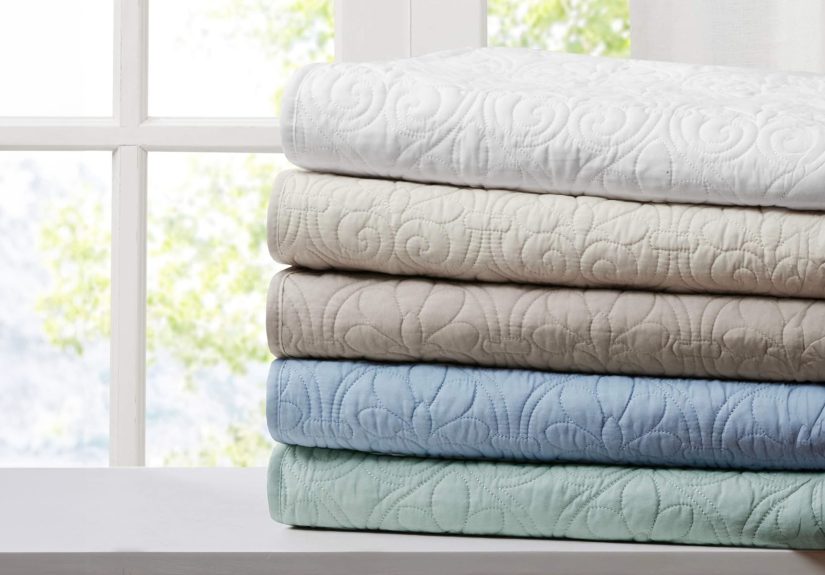
Cooling bedding has become more attractive in recent years, which is excellent news for anyone tired of choosing between “works well” and “looks like it belongs in a dorm room.” Quilted patterns, stone-washed finishes, subtle texture, oversized silhouettes, and calming neutral colors are all popular. Soft whites, sand, sage, misty blue, light gray, and muted clay tones work especially well because they create that breezy, hotel-inspired look shoppers want.
Reversible designs are also appealing because they offer flexibility without adding clutter. One side can feel smooth and cool, while the other offers a softer finish or slightly different texture. That gives you options without requiring a graduate degree in bedding management.
How to Build a Cooler Bed Beyond the Comforter
If you want the full cooling effect, your comforter should not have to do all the work alone. Pair it with breathable sheets, a lighter mattress pad, and pillows designed for airflow. A crisp percale sheet set, a moisture-friendly pillowcase, and a breathable quilt can work together to create a bed that feels noticeably fresher.
Layering also helps. Instead of one extremely thick blanket, use lighter pieces you can add or remove as temperatures change. This gives you more control and helps your bed adapt to real life, which includes weird weather, overenthusiastic heating systems, and the occasional partner who thinks 68 degrees is somehow “too cold.”
What to Expect From Sales Advertising “Up to 52% Off”
That phrase usually means the deepest markdown applies to select sizes, colors, or styles, not necessarily every cooling comforter in the universe. Still, there can be excellent values in these promotions. The smartest approach is to compare the discounted price against the fabric, fill, reputation, and features. A well-made quilt at a moderate discount may be a better buy than a questionable comforter with a giant markdown and suspiciously enthusiastic marketing adjectives.
Think in terms of value, not just percentage. A breathable, durable, washable comforter you genuinely enjoy using is a better deal than a cheap option that makes you sweaty and annoyed by Tuesday.
Experience: What It Is Really Like to Shop Cooling Quilts and Comforters
Shopping for cooling bedding sounds simple until you actually do it. Then suddenly you are comparing fill power, shell fabrics, stitching patterns, and whether the phrase “ice silky” is a promise or a personality test. The experience usually begins with one warm, restless night. You wake up tangled in your comforter, flip the pillow for the tenth time, and decide your bed has betrayed you. By morning, you are fully prepared to become the kind of person who researches quilts with the seriousness of a home editor and the determination of a person denied decent sleep.
The first surprise is how many choices there are. Cooling quilts tend to appeal to practical shoppers. They are lighter, easier to layer, and often simpler to wash. Cooling comforters, on the other hand, attract the crowd that wants the bed to look plush and inviting but not feel like a heat trap. Most people discover pretty quickly that they are not just buying bedding. They are buying a sleep strategy.
Then comes the fun part: imagining what your bed could become. A breathable quilt in a soft neutral shade can make the whole room feel cleaner and calmer. A lightweight cooling comforter can give your bedroom that cloud-bed look without turning sleep into a sweaty negotiation. Suddenly this is not just about temperature. It is about comfort, aesthetics, routine, and that small but meaningful joy of getting into a bed that actually feels good.
There is also a real sense of victory in finding a sale that lines up with what you actually need. Maybe you spot a quilt with airy cotton fabric and a relaxed stitched pattern. Maybe you find a comforter with a silky cool-touch shell and lightweight fill at a discount that makes you feel like a champion of domestic finance. Either way, the experience feels better when you know what you are looking for.
And once the bedding arrives, that first night can be weirdly satisfying. The bed feels lighter. The layers make more sense. You are not fighting with bulk or waking up overheated. Even the room looks calmer. It is one of those home upgrades that feels small until you realize it affects your mood, your sleep, and how rested you feel the next day. That is why so many people become unexpectedly passionate about good bedding. It is not glamorous in the loud, flashy sense. It is glamorous in the “I slept well and now I can tolerate email” sense.
In the end, shopping cooling quilts and comforters is part comfort, part practicality, and part personal preference. The best experience usually comes from balancing all three. Find the materials that feel good to you, the weight that matches your sleep style, and the price that makes the purchase feel satisfying instead of impulsive. When you get that combination right, the result is not just a good deal. It is a better night’s sleep, wrapped in a much prettier package.
Final Thoughts
If your current bedding leaves you too warm, too sweaty, or too grumpy to be civil before coffee, now is a smart time to upgrade. Cooling quilts and comforters can deliver comfort without the heat overload, especially when you focus on breathable materials, lighter fills, and easy-care construction. Add a meaningful discount to the mix, and the case becomes even stronger.
Shop with a clear eye, choose the fabric and warmth level that fit your sleep style, and remember that the best bedding is not the fluffiest or the trendiest. It is the one that helps you rest. Preferably without forcing you into a midnight argument with your blanket.