Table of Contents >> Show >> Hide
- What Marinating Really Does (and Why Hot Dogs Don’t Play by the Same Rules)
- So… Should You Marinate Hot Dogs?
- The Hot Dog Marinade Hall of Fame
- How Long Should You Marinate Hot Dogs?
- Food Safety Rules (Because Nobody Wants a Side of Regret)
- The Method That Makes Marinating Actually Matter
- When Marinating Is Not Worth Your Time
- Flavor Upgrades That Beat Marinating (If You Want Maximum Payoff)
- Conclusion: YesMarinate Them (But Do It Like a Hot Dog, Not a Steak)
- Extra: of Real-World Hot Dog Marinating Experiences
- SEO Tags
Hot dogs have a weird superpower: they can be both the simplest food at a cookout and the one that starts
the most heated debates. (Pun absolutely intended.) One person wants theirs “charred like my hopes and dreams.”
Another insists the only correct preparation is “warm-ish and apologetic.” And then there’s you, wondering:
Should I be marinating these things?
The short answer: yes, but not for the reason you marinate steak. Marinating hot dogs can add
flavor, but you have to understand what’s actually happeningbecause hot dogs aren’t raw muscle meat. They’re
already seasoned, cured, and typically fully cooked. So the goal isn’t “tenderize” (they’re already tender);
it’s “upgrade” (because you contain multitudes).
What Marinating Really Does (and Why Hot Dogs Don’t Play by the Same Rules)
Traditional marinades do three big jobs: (1) add flavor, (2) help moisture retention, and (3) sometimes soften
textureespecially when acids or enzymes get involved. With raw cuts, a marinade can seep into the outer layers,
interact with proteins, and create noticeable changes over time.
Hot dogs, though, are more like seasoned, emulsified sausages than “meat with grain.” They’ve
already been mixed with salt and spices, cured or cooked, and formed into their final bouncy, snappy destiny.
That means a marinade mostly affects the surfaceunless you help it along.
Skinless vs. Natural Casing: Your Marinade’s Personality Test
Not all hot dogs are built the same. Skinless dogs (common in supermarkets) can dry out fast on high heat,
while natural-casing franks often stay juicier and provide that satisfying “snap.” If you’re marinating,
this matters because the casing (or lack of one) affects how much flavor clings and how the dog behaves on the grill.
Some cooking pros recommend shallow slashes to help prevent shriveling and improve heating on the grill, which
also conveniently gives your marinade more surface area to hang out on.
So… Should You Marinate Hot Dogs?
If your definition of “marinate” is “soak overnight to transform the interior,” temper expectations. A hot dog
won’t suddenly become a kielbasa philosopher just because it spent the night in soy sauce.
But if your definition is “add an extra layer of flavor, especially on the outside,” then yesmarinating can be
totally worth it. The most noticeable improvements usually come from:
- Bold, aromatic marinades (beer + onions, garlic, mustard, spices)
- Quick brines (pickle juice or lightly sweetened salty brine)
- Savory-sweet glazes (Worcestershire, soy, chili sauce, brown sugar)
- Technique combos (a flavorful “hot tub” or simmer first, then quick char)
The big win is this: marinating encourages you to treat hot dogs like real foodwhich is how you unlock
“wow, these are actually good” reactions from people who usually only compliment the weather.
The Hot Dog Marinade Hall of Fame
Below are marinade styles that consistently deliver. Pick one based on the vibe of your cookout and how much
effort you want to pretend you didn’t put in.
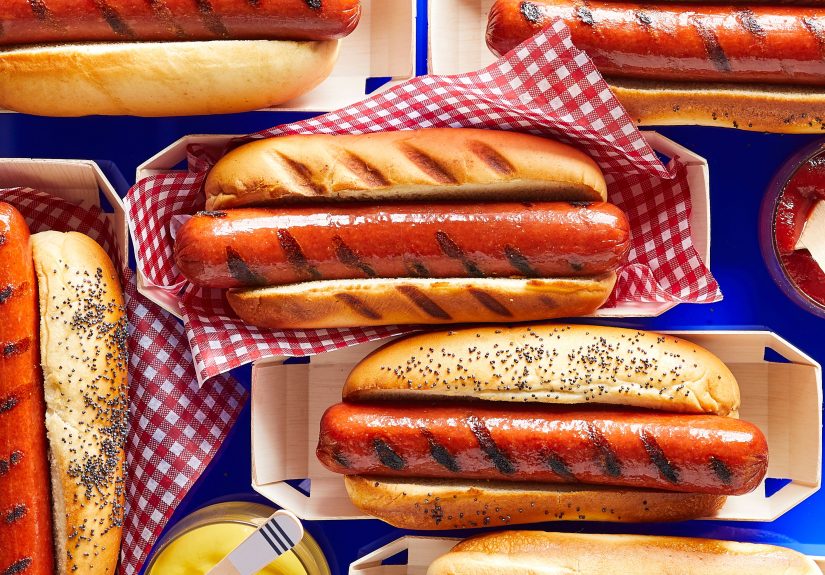
1) The Beer-and-Onion “Hot Dog Hot Tub” (Flavor + Juiciness)
This method is famous for brats, but it’s also excellent for hot dogsespecially natural-casing franks. Instead
of a cold soak, you warm them gently in a flavorful liquid (beer, onions, maybe sauerkraut), then finish with a fast
grill char. The simmer warms the dogs evenly and the aromatics perfume the surface so every bite tastes like
it attended a tailgate and came back with stories.
How to do it:
- Slice an onion thinly. Sauté it in a little butter or oil until softened.
- Add 1–2 cans of beer (lager is friendly; darker beer is bolder), plus optional sauerkraut and a pinch of mustard seeds.
- Bring to a gentle simmer (not a violent boilthis isn’t hot dog tea with rage issues).
- Add hot dogs and simmer 5–10 minutes, just until heated through and fragrant.
- Move to a hot grill for 30–90 seconds per side for color and snap.
This isn’t “marinating” in the classic cold-soak sense, but it delivers a similar resultextra flavor
without dryingand is one of the most reliable ways to upgrade cookout dogs.
2) Pickle Juice Soak (Acidic, Salty, Shockingly Addictive)
If you love pickles on hot dogs, you’re already halfway to the answer. A quick dunk in pickle brine adds tang and
a deli-style snap to the surface. The trick is timing: too long and it can get aggressively salty.
Try this: Soak 15–30 minutes in the fridge, then pat dry and grill. Want more aroma?
Add cracked pepper, garlic, and a pinch of sugar to round out the acidity.
3) Savory-Sweet “BBQ-Adjacent” Marinade (Classic Crowd-Pleaser)
This style leans into pantry flavors that hot dogs already love: Worcestershire, mustard, soy sauce, chili sauce,
ketchup, a little brown sugar. It’s not trying to reinvent the wheel; it’s adding better tires.
Simple ratio idea:
- 2 parts neutral oil (or skip oil if using a thick sauce base)
- 1 part soy sauce
- 1 part Worcestershire
- 1 part chili sauce or ketchup
- 1 tsp mustard + 1–2 tsp brown sugar per cup of marinade
- Optional: garlic powder, onion powder, smoked paprika
Marinate 30 minutes up to overnight. The flavor payoff is mostly on the exterior, but it’s very noticeable once grilled.
4) Mustard-Brown Sugar “Caramel Armor” (For People Who Like Edges)
This is less a marinade and more a sticky, tangy jacket that caramelizes on heat. Mustard and brown sugar are
a classic combo (and frequently show up in hot dog flavor experiments for a reason).
Mix yellow mustard, brown sugar, a pinch of cayenne, and a touch of onion powder. Coat, rest 20–40 minutes in the fridge,
then grill over medium heat so the sugar doesn’t scorch like a bad tweet.
How Long Should You Marinate Hot Dogs?
For most hot dog marinades, short is smart:
- 10–20 minutes: If your marinade is strong (pickle juice, very salty soy-based mixes).
- 30–60 minutes: A sweet spot for most flavorful sauces and spice-forward marinades.
- 2–4 hours: Good for thicker, less salty marinades where you want deeper aroma.
- Overnight: Works best for sauce-based marinades; results are still mainly surface-level, but reliably tasty.
One caution: hot dogs are already salted. The more time you give a salty marinade, the more likely you are to
wander into “ham-flavored salt stick” territory. If you’re going overnight, consider reducing soy/salt or diluting
with a little water, beer, or citrus.
Food Safety Rules (Because Nobody Wants a Side of Regret)
Hot dogs feel casual, but food safety is still real life. A few simple rules keep everyone happy:
- Marinate in the refrigerator, not on the counter.
- Don’t reuse raw-contact marinade as a sauce unless you boil it first (or reserve a clean portion beforehand).
- Reheat hot dogs properly, especially for kids, older adults, pregnant people, or anyone immunocompromisedsteaming hot is the goal.
- Don’t cross-contaminate: separate utensils/plates for raw-contact marinade and finished hot dogs.
Also, remember the cookout rule of physics: once the hot dogs come off the grill, everyone shows up “just for one,”
which is a lie. Keep hot foods hot and don’t let cooked dogs sit out forever.
The Method That Makes Marinating Actually Matter
Here’s how to get the biggest flavor boost with the least drama.
Step 1: Score for Surface Area
Make shallow diagonal slashes or a gentle spiral cut. This helps prevent shriveling, increases browning edges,
and gives marinade more nooks to cling to. Don’t slice all the way through unless you want hot dog confetti.
Step 2: Choose Your “Flavor Strategy”
- Cold soak marinade (pickle, savory-sweet, mustard-brown sugar): great for bold surface flavor.
- Warm hot-tub simmer (beer + onions): best for juiciness and aroma before finishing on the grill.
Step 3: Drain, Then Pat Dry if Sugary
Let excess marinade drip off. If the marinade contains a lot of sugar, honey, or thick sauce, pat lightly dry
so it doesn’t burn on high heat. You want caramelization, not a blackened sugar shell that tastes like regret.
Step 4: Grill with Control
Use medium heat or two-zone grilling: one side for gentler heating, one side for quick finishing char.
Hot dogs are already cooked; your job is to warm them through and add color without dehydrating them.
When Marinating Is Not Worth Your Time
Sometimes the smartest move is to skip the soak and spend your effort elsewhere. Consider skipping marinating if:
- You’re doing a topping-heavy bar (chili, cheese sauce, slaw). Your marinade will be a whisper under a megaphone.
- You only have ultra-thin skinless dogs and a ripping-hot grill. Focus on gentler heat and quick browning instead.
- Your marinade is very salty and you can’t watch the clock. (Hot dogs don’t need a sodium glow-up.)
Flavor Upgrades That Beat Marinating (If You Want Maximum Payoff)
If you’re chasing “best hot dogs of the summer” energy, these upgrades often deliver more impact than a long soak:
- Toast the buns (butter in a skillet beats “warm bun sadness”).
- Make onions: caramelized, grilled, or simmered in beer. Onions are the hot dog’s soulmate.
- Add crunch + acid: pickles, sport peppers, sauerkraut, or quick-pickled onions.
- Finish with something sharp: mustard, vinegar-based slaw, peppery relish.
Conclusion: YesMarinate Them (But Do It Like a Hot Dog, Not a Steak)
You can marinate hot dogs, and it can make a noticeable differenceespecially if you score them for
surface area and choose bold flavors like beer, onions, mustard, soy, or pickle brine. But the real secret is
accepting what hot dogs are: already-cooked, already-seasoned, and highly responsive to quick flavor layering.
If you want the most dramatic upgrade, go for the “hot dog hot tub” approach: a gentle simmer in a flavorful bath,
then a fast char on the grill. If you want easy wins, do a short pickle soak or a savory-sweet marinade and cook
over medium heat. Either way, you’ll end up with hot dogs that taste like you triedwithout having to become the
person who owns “special hot dog tongs.”
Extra: of Real-World Hot Dog Marinating Experiences
I once hosted a backyard cookout where I decided to “test” marinades the way serious people test thingsmeaning I
made three batches, gave them dramatic names, and then forgot which was which halfway through grilling.
Batch One was the beer-and-onion hot tub. Batch Two was pickle juice. Batch Three was a savory-sweet sauce with
soy, Worcestershire, mustard, and a little brown sugar. I labeled them with masking tape like a responsible adult,
then immediately got distracted by someone asking whether hot dogs are “technically sandwiches.” (A trap question.)
The beer hot tub was the crowd favorite for a reason: it solved the classic “hot dogs are dry by the time they look
grilled” problem. The dogs came out plump, aromatic, and evenly warm, and the final grill step gave them that
photo-ready char. People kept asking what brand of hot dogs I bought. I did not correct them, because it was
absolutely the technique doing the heavy lifting. Also, the onions from the pot turned into an accidental topping
station, and suddenly everyone’s hot dog looked like it came from a ballpark that charges $14 and calls it “artisan.”
The pickle juice dogs were the surprise hit with the “I like tangy things” crowd. The flavor didn’t scream PICKLE
the way you might fear; it was more like the hot dog had been upgraded with brightness. The downside is that the
window is narrowleave them too long and the salt level starts climbing fast. In my “experiment,” the 20-minute soak
tasted fun and zippy; the 90-minute soak tasted like I was trying to de-ice a sidewalk with deli brine. The lesson:
set a timer, and don’t walk away to argue about sandwiches.
The savory-sweet marinade produced the best grill aromalike a backyard version of something you’d smell near a
concession stand. But it also taught me the sugar-burn rule. The first few dogs went on a too-hot spot of the grill,
and the sauce started darkening fast. After I moved to medium heat and patted off the excess, the glaze caramelized
instead of scorching. That batch ended up being the “kids and ketchup people” favorite because it tasted familiar,
just more intense and smoky.
The biggest takeaway from all of this is that marinating hot dogs isn’t about changing the inside. It’s about
building layers: a flavorful surface, good browning, and toppings that add crunch and acid. When you treat hot dogs
like a real cooking project (even a small one), people notice. And when people notice, they ask questions. And when
they ask questions, you get to say, casually, “Oh, these? Yeah, they had a little spa day.” Which is, honestly, the
entire point of hosting.