Table of Contents >> Show >> Hide
- First: What Kind of Chalk Are We Talking About?
- Is Eating Chalk Toxic?
- When Chalk Eating Becomes a “Thing”: Meet Pica
- Should You Be Worried? A Practical Risk Checklist
- What You Should Do If You’ve Been Eating Chalk Repeatedly
- Common Questions (Because Google Can Be Dramatic)
- How to Replace the Urge (Without Replacing It With Another Problem)
- Conclusion
Let’s get the awkward confession out of the way: if you’ve been nibbling chalk like it’s a snack category on a secret menu, you’re not aloneand yes, it can be worth paying attention to. The good news is that small, accidental chalk ingestion is often low-risk. The more important news is that repeated chalk eating can be a sign your body (or brain) is asking for help, commonly through a condition called pica.
This article breaks down what “chalk” really means, what can happen if you swallow it, when you should worry, and what to do nextwithout guilt, panic, or a lecture. (Okay, maybe a tiny lecture. Chalk is not a food group.)
First: What Kind of Chalk Are We Talking About?
“Chalk” isn’t one single thing. That matters because ingredients change the risk.
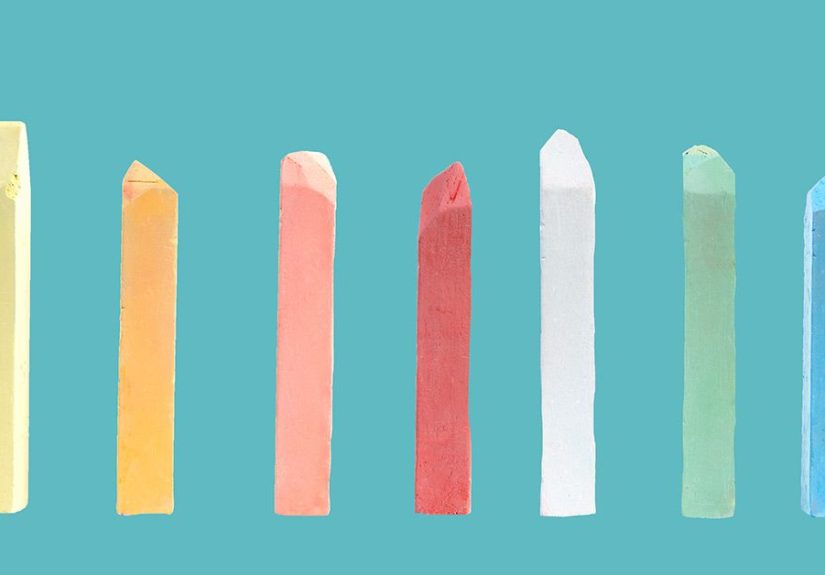
- Classroom/blackboard chalk: Often made from calcium-based minerals (like calcium carbonate or calcium sulfate/gypsum).
- Sidewalk chalk: Similar calcium-based ingredients, but may include pigments and binders that aren’t meant to be eaten.
- Pool/billiard chalk: Not the same as school chalk. Ingredients can differ, and some products raise extra concerns.
- Tailor’s chalk/chalk used for crafts: May contain other materials (for example, talc or additives) and should be treated as “not edible, not meant for mouths.”
Bottom line: a tiny bite of school chalk is usually not the same situation as regularly eating sidewalk chalk, craft chalk, or anything labeled for tools/sports/hobbies.
Is Eating Chalk Toxic?
In many cases, chalk is considered low-toxicity in small amounts. That’s why poison centers often treat one-off “kid took a bite” incidents as watch-and-wait. But “not highly poisonous” doesn’t mean “good idea,” and it definitely doesn’t mean “do it daily.”
What can happen after swallowing chalk?
If you swallow chalk, the most common issues are mechanical and digestivenot “classic poisoning.” Think: chalk dust + stomach = the world’s driest smoothie.
- Stomach upset: nausea, vomiting, belly discomfort
- Constipation: chalk can be drying and binding
- Diarrhea: sometimes the gut responds by overcorrecting
- Coughing/irritation: especially if you inhale dust while chewing
- Choking risk: particularly with chunks or in young kids
One-time small exposure: often mild or no symptoms. Larger amounts or repeated use: higher chance of constipation, blockage, or ongoing GI problems.
When Chalk Eating Becomes a “Thing”: Meet Pica
If chalk eating is happening more than once in a blue moon, it may fit under picaan eating disorder/feeding condition defined by persistently eating non-food items for at least a month (and not as part of a cultural practice, and not at an age where mouthing is expected).
Pica is not about “being weird.” It’s often a clue. Common associations include:
- Iron deficiency anemia (classic cravings can include ice, dirt, paper, and sometimes chalk-like substances)
- Other nutrient deficiencies (like zinc; sometimes calcium is discussed too)
- Pregnancy (pica cravings can show up or intensify)
- Stress, anxiety, OCD traits, or sensory regulation needs (texture-seeking is a real phenomenon)
- Neurodevelopmental conditions in some cases (and it can be managed with the right supports)
Why would anyone crave chalk specifically?
People describe chalk cravings in a few common ways:
- Texture cravings: the “dry crunch,” “powder melt,” or “smooth grit” sensation.
- Soothing ritual: chewing can feel calming when stressed (even when the object is a terrible choice).
- Body signal confusion: deficiencies can distort appetite and cravings in surprising directions.
If you’re thinking, “This sounds like my brain is using chalk as a coping mechanism,” you might be rightand there are safer ways to get that same relief.
Should You Be Worried? A Practical Risk Checklist
Here’s a realistic way to gauge the situation: worry less about “I once licked chalk in 3rd grade,” and focus more on frequency, amount, type of chalk, and symptoms.
Usually low concern
- You ate a tiny amount once (or very rarely).
- It was standard school/sidewalk chalk (not pool/craft/industrial).
- You feel fineno ongoing symptoms.
Worth a call to Poison Control (or medical advice)
- You ate a large amount (think: multiple sticks/chunks, not a nibble).
- You don’t know what kind of chalk it was (especially pool/billiard, craft, or unknown origin).
- You have symptoms like repeated vomiting, worsening belly pain, significant constipation, or you feel unwell.
- A child swallowed chalk and is coughing, gagging, drooling, or having trouble breathing.
Go to urgent care/ER now (don’t “wait it out”)
- Choking or trouble breathing
- Severe abdominal pain, a hard/distended belly, or signs of blockage
- Repeated vomiting and inability to keep fluids down
- Blood in vomit or stool
- Severe lethargy, confusion, or fainting
In the U.S.: You can contact Poison Control at 1-800-222-1222 for tailored guidance. (They’d much rather answer “silly” questions than miss a serious one.)
What You Should Do If You’ve Been Eating Chalk Repeatedly
If this is a habitdaily, weekly, or even “only when stressed”treat it like a health clue, not a character flaw.
Step 1: Stop the exposure as best you can
That might mean removing chalk from easy reach, avoiding the “trigger” situations (like studying with chalk nearby), or telling a trusted person so you’re not carrying it alone.
Step 2: Get checked for common causes
Clinicians often start with basics:
- Blood work for iron deficiency/anemia (CBC, ferritin, iron studies)
- Zinc levels (sometimes considered, depending on history)
- Pregnancy-related evaluation if relevant
- Lead risk assessment/testing if there’s any chance you’ve consumed materials that could contain lead or contaminated dust
Why lead comes up: pica sometimes involves substances like paint chips or contaminated materials, and lead exposure is a known concern in those contexts. Even if chalk itself is usually low risk, the specific product and environment matter.
Step 3: Treat the “why,” not just the “what”
Chalk eating often improves when the underlying driver is addressed:
- Nutrient replacement (for example, treating iron deficiency) when appropriate
- Behavioral strategies to interrupt the habit loop
- Therapy support when cravings are tied to anxiety, OCD traits, stress, trauma, or sensory needs
- Support for neurodivergent needs if pica is part of a broader developmental picture
Important: Don’t self-prescribe high-dose supplements “just in case.” Too much of certain minerals can also cause problems. Testing first is usually the smarter (and cheaper) move.
Common Questions (Because Google Can Be Dramatic)
“Will chalk sit in my stomach like cement?”
Not cementmore like a dry, clumpy substance that can slow things down. Small amounts typically pass. Larger or repeated amounts can contribute to constipation or, rarely, blockageespecially if you already struggle with GI motility.
“Is chalk eating always an eating disorder?”
Not always. A one-off bite isn’t pica. Persistent cravings and repeated eating are the bigger signal, especially if it’s been happening for weeks or months.
“Could this mean I’m iron deficient?”
It could. Iron deficiency is a well-known association with unusual cravings. The only way to know is to testmany people are surprised by their results.
“What if I started because of ASMR or a trend?”
Trends can be powerful, especially when stress is high and your brain wants a quick soothing routine. If it’s become compulsive, that’s still a valid reason to talk to a professional. The cause can be “internet + anxiety + sensory cravings,” and your body still deserves support.
How to Replace the Urge (Without Replacing It With Another Problem)
Because “just stop” is not a planit’s a fortune cookie.
If you crave texture
- Crunchy foods (carrots, apples, nuts if safe)
- Sugar-free gum or chewy snacks
- Oral sensory tools designed for safe chewing (especially helpful for some teens and neurodivergent folks)
If it’s stress relief
- Fidget tools for hands + grounding routines
- Short “urge surfing” timer (delay 5 minutes, then reassess)
- Hydration + regular meals (hunger can amplify odd cravings)
If you’re a teen reading this: involving a parent/guardian, school nurse, or trusted adult can feel annoyingbut it can also get you answers faster. And you deserve answers.
Conclusion
If you’ve been eating chalk occasionally in tiny amounts, it’s often not an emergency. But if it’s repeated, driven by strong cravings, or tied to stress, it’s worth taking seriouslybecause it can signal pica, nutrient deficiencies (especially iron deficiency anemia), or a coping pattern that’s getting stuck.
The most helpful mindset is: chalk eating is data. Your body is sending a message. Your job is not to feel embarrassedit’s to decode the message with the right help.
Experiences Related to “Should You Be Worried If You’ve Been Eating Chalk?” (About )
People who’ve dealt with chalk cravings often describe a weird mix of “I know this is odd” and “but my brain won’t shut up about it.” One common experience is that it starts small and quietly. Someone might first notice the urge while studyingthere’s chalk nearby, they’re stressed, and the texture seems oddly comforting. At first it’s a tiny nibble, almost experimental. Then it becomes a ritual: before a test, after an argument, during a long night of homework. The chalk isn’t the point; the routine is.
Another pattern shows up around fatigue. People sometimes say the cravings got louder when they were constantly tired, lightheaded, or out of breath going up stairs. They didn’t always connect the dots until a doctor checked labs and found iron deficiency anemia. In those stories, treatment didn’t just improve energyit often made the cravings fade from “urgent craving” to “huh, I forgot chalk existed.” That can feel validating, because it reframes the behavior as a symptom instead of a personality trait.
Pregnancy-related experiences are also frequently mentioned in health discussions: cravings can feel intense, specific, and frankly confusing. Some people report craving the smell of chalk dust or the idea of crunching something powdery, even if they never had those urges before pregnancy. The emotional side is real too: guilt, fear of being judged, and worry about harming the baby can keep someone silent. When they finally bring it up, they often hear the same practical response: “Let’s check iron and other nutrients, and let’s make sure you’re safe.”
There are also sensory-driven experiences, especially among teens. Some describe seeing chalk-chewing content online and trying it outthen realizing it “scratches an itch” in their brain in a way they didn’t expect. The experience can be similar to nail-biting or skin-picking: a tension builds, the action releases it for a moment, and then the cycle repeats. People often say the cravings spike during high-stress seasons (finals, family stress, social pressure) and calm down when life stabilizesunless the habit has become automatic.
One reassuring thread across many experiences is that improvement is common once the underlying driver is addressed. Whether that driver is iron deficiency, anxiety, sensory needs, or a combination, people often do best with a two-part approach: medical evaluation (to rule out deficiencies and risks) and a realistic replacement plan (to meet the same need in a safer way). The most helpful “aha” many people report is realizing they don’t have to white-knuckle it alonethis is a known issue, and support exists.