Table of Contents >> Show >> Hide
- The Best General Rule: Wait Until Late Winter or Early Spring
- Why Many Gardeners Leave Ornamental Grasses Standing Through Winter
- When Cutting Back Before Winter Might Make Sense
- Know Your Grass Type Before You Grab the Shears
- So, Should You Cut Back Ornamental Grasses Before Winter?
- How to Cut Back Ornamental Grasses the Right Way
- Common Mistakes to Avoid
- Examples: What This Looks Like in Real Gardens
- The Final Verdict
- Experience and Practical Insights From the Garden
- SEO Tags
If you’ve ever stood in your yard in late fall, hedge shears in hand, staring down a clump of ornamental grass that looks like a windswept haystack with ambition, you are not alone. This is one of those gardening questions that sounds simple until you discover the answer is basically: “Usually no… but also sometimes yes… and please know what kind of grass you planted.” Gardening loves drama.
Here’s the short answer: in most cases, you should not cut back ornamental grasses before winter. Most gardeners get better results by leaving them standing through the cold months and cutting them back in late winter or early spring, just before fresh growth starts. That timing protects the crown, preserves winter interest, supports wildlife, and saves you from that sad, shaved-stubble look in the landscape when everything else is already having a rough season.
That said, there are exceptions. Some grasses can be tidied in fall once fully dormant. Some evergreen or cool-season grasses need a lighter touch. And if you live in an area with wildfire risk, HOA-level tidiness expectations, or a front bed that turns into a soggy brown octopus by Thanksgiving, your best choice may be different.
So let’s settle it properly: Should you cut back ornamental grasses before winter? For most homes, the answer is wait until late winter or early spring. But the smartest answer depends on the grass type, your climate, your landscape goals, and how much chaos you are willing to tolerate while your garden does its seasonal thing.
The Best General Rule: Wait Until Late Winter or Early Spring
Most ornamental grasses look best and perform best when they are left standing through fall and winter, then cut back before new growth emerges. This is especially true for popular warm-season grasses like Miscanthus, fountain grass, switchgrass, little bluestem, and muhly grass.
Why wait? Because those tawny plumes and straw-colored blades are not just “dead stuff.” They serve several useful purposes. First, they add winter texture and movement. A frosty morning with ornamental grasses catching low sunlight is one of the few times the garden gets to look expensive without asking you to buy anything. Second, the old foliage helps insulate the crown from winter stress. Third, the standing stems and seeds can provide shelter and food for wildlife. And finally, delaying the cutback helps you avoid stimulating tender new growth at the wrong time.
In other words, cutting them back too early can solve one problemmessinesswhile creating three new ones. Classic yard logic.
Why Many Gardeners Leave Ornamental Grasses Standing Through Winter
1. They add real winter interest
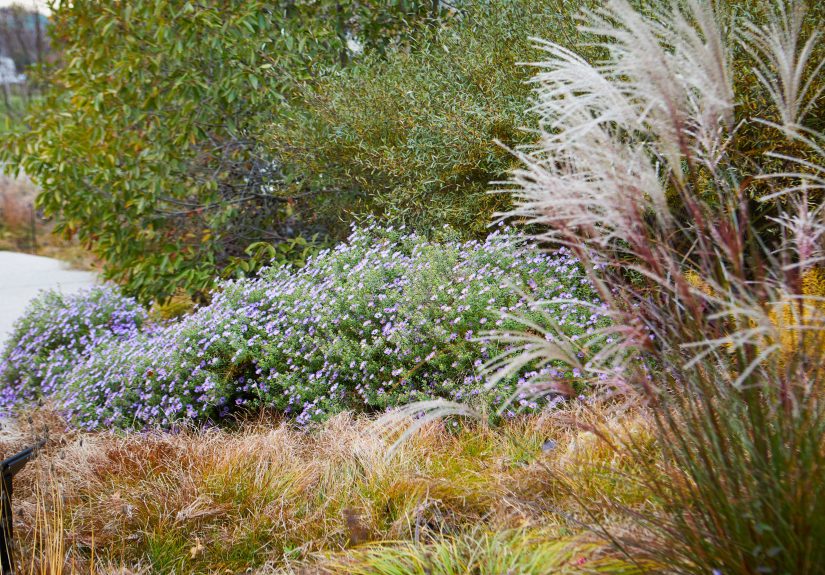
When flowers are gone and shrubs are basically phoning it in, ornamental grasses keep the garden from looking flat and empty. Their seed heads, upright forms, and soft rustling movement bring life to a winter landscape. Snow, frost, and low-angle light tend to make them look better, not worse.
2. They can help protect the plant crown
The dry foliage acts like a loose blanket around the base of the plant. It is not magic armor, but it can reduce exposure to harsh temperature swings, excess moisture hitting the crown directly, and general winter wear and tear.
3. They support backyard wildlife
Seeds from some grasses feed birds. The standing clumps can also provide cover for insects and small creatures during cold weather. If you are trying to garden in a way that is a little friendlier to wildlife, this is one of the easiest habits to adopt.
4. You avoid cutting too early
Pruning in fall can be fine for fully dormant grasses, but it also creates room for error. If you cut while the plant is still actively transitioning, or if a warm spell follows the haircut, you may encourage fresh growth that gets zapped by cold. That is not usually fatal, but it is not ideal either.
When Cutting Back Before Winter Might Make Sense
Now for the part where gardening refuses to be one-size-fits-all.
There are situations where cutting ornamental grasses before winter can be reasonable:
1. The grass is completely dormant and you want a tidy look
If the plant is fully brown, fully dormant, and you strongly prefer a neat winter bed, you can cut some deciduous ornamental grasses back in late fall. This is more about appearance than plant health. The grass usually survives just fine, especially established clumps.
2. You are dealing with fire risk
In dry regions or landscapes where dried foliage increases fire danger, earlier cleanup may be the smarter move. Safety beats aesthetics every time. A beautiful seed head is not worth a preventable hazard.
3. The grass flops, shreds, or turns into a giant wet mop
Some grasses stay handsome through winter. Others collapse after storms and look like they lost a fight with a leaf blower. If yours consistently falls apart and makes the garden look abandoned, a fall cutback can be justified.
4. The plant has disease issues
If a grass has had rust or other disease problems, cleaning up infected material at the end of the growing season can help reduce carryover. In that case, sanitation matters more than seasonal drama.
Know Your Grass Type Before You Grab the Shears
This is where smart ornamental grass pruning starts. Not all grasses want the same treatment.
Warm-Season Ornamental Grasses
These are the stars of late summer and fall. They emerge later in spring, love heat, and often stay attractive well into winter. Common examples include:
- Switchgrass
- Little bluestem
- Big bluestem
- Fountain grass
- Muhly grass
- Miscanthus
- Pampas grass
Best approach: leave them standing through winter, then cut them back in late winter or very early spring before new shoots appear.
Cool-Season Ornamental Grasses
These start growing earlier in spring and often appreciate cooler temperatures. Some stay partly attractive through winter, and many do not need the same hard reset as warm-season grasses. Examples include:
- Blue fescue
- Tufted hair grass
- Feather reed grass in some climates
- Japanese forest grass
Best approach: avoid severe cutting unless needed. Many cool-season grasses respond better to a light trim, combing, or partial cutback. If you shear them to the ground like a warm-season grass, they may sulk, at least aesthetically.
Evergreen or Semi-Evergreen Grass-Like Plants
These are the plants that make gardeners say, “Wait, does this count?” Think sedges, mondo grass, liriope, and some blue oat grass types.
Best approach: do not give them a full buzz cut unless they are badly damaged. Usually, they just need dead tips trimmed, spent flower stalks removed, or old foliage combed out by hand.
So, Should You Cut Back Ornamental Grasses Before Winter?
For most ornamental grasses in most home landscapes, no. Waiting until late winter or early spring is the better move.
Choose a fall cutback only when one of these is true:
- You know the plant is deciduous and fully dormant
- You want a neater winter look more than winter texture
- Your area has elevated fire risk
- The grass becomes diseased, matted, or ugly enough to justify removal
- You are managing a formal or commercial-looking landscape where tidiness matters
If none of those apply, let the grass stand. Your winter garden will look better, and your spring cleanup will still be easy if you time it correctly.
How to Cut Back Ornamental Grasses the Right Way
Step 1: Wait for the right moment
The sweet spot is late winter to early spring, just before fresh green growth starts. Wait too long and you will snip off new shoots along with the dead foliage, which is annoying and weirdly guilt-inducing.
Step 2: Tie the clump first
Use twine, rope, or a stretchy garden tie to bundle the grass before cutting. This keeps the mess contained and makes cleanup dramatically easier. It also makes you feel like you know what you are doing, which is half of gardening.
Step 3: Use the right tool
Hedge shears, electric trimmers, loppers, or even a pruning saw can work, depending on the grass size. Wear gloves, long sleeves, and eye protection. Ornamental grass blades can be surprisingly sharp. They do not look threatening, which is exactly how they get you.
Step 4: Cut to the proper height
For many deciduous grasses, cut them back to about 3 to 6 inches above the ground. Larger varieties may be left a little taller, often around 6 to 8 inches. The goal is to remove old growth without cutting into the crown.
Step 5: Clean around the base
Remove debris from around the crown so new shoots can emerge cleanly. If the center of the clump is dead or thinning, it may be time to divide the plant.
Common Mistakes to Avoid
Cutting too early
This is the big one. Fall is not automatically wrong, but early fall definitely can be. Do not cut while the plant is still actively growing or transitioning.
Cutting evergreen grasses too hard
Evergreen and semi-evergreen grasses usually want grooming, not scalping. A light hand wins here.
Waiting too long in spring
If new growth has already pushed through, you can still tidy the plant, but it becomes a more delicate operation. Think “hair trim,” not “military boot camp.”
Ignoring size and species
A giant pampas grass and a compact blue fescue should not receive identical treatment. That would be like giving a Great Dane and a housecat the same haircut plan.
Examples: What This Looks Like in Real Gardens
Muhly grass: leave the cloud-like structure through winter, then shear in late winter before spring growth begins.
Fountain grass: bundle and cut to about 3 to 6 inches in late winter or early spring.
Blue fescue: usually comb out dead blades by hand and lightly trim if needed, rather than cutting it flat to the ground.
Liriope or mondo grass: remove ragged foliage in early spring if winter damage is obvious, but do not overdo it.
Miscanthus: great winter structure, usually best left standing until just before new shoots start rising in spring.
The Final Verdict
Should you cut back ornamental grasses before winter? Usually, no.
Most ornamental grasses are better left standing through winter for beauty, plant protection, and wildlife value. Then, in late winter or early spring, cut them back before new growth begins. That timing keeps the plant healthier-looking, simplifies cleanup, and gives your cold-season garden some badly needed personality.
The main exceptions are grasses in high-fire-risk areas, grasses with disease issues, plants that become a sloppy mess in your climate, or situations where a very tidy winter bed matters more than winter texture. Also, not all grasses should be cut the same way. Warm-season grasses generally take a harder spring cutback, while cool-season and evergreen grasses often need only light grooming.
So before you march out there in November ready to give every ornamental grass a matching haircut, pause. Your garden may actually look betterand function betterif you let those grasses keep their winter coat a little longer.
Experience and Practical Insights From the Garden
One of the most useful lessons gardeners learn with ornamental grasses is that patience often looks better than action. The first year many people grow a grass like muhly or fountain grass, they treat it like a faded perennial and assume all the brown top growth needs to go the second fall arrives. Then winter comes, and suddenly that “messy” plant catches frost, glows in morning light, and becomes one of the most attractive things in the yard. It is a small gardening revelation: what looks finished in November can still be doing good work in January.
Another common experience is discovering that ornamental grasses behave very differently from one yard to the next. In a dry, sunny border, a grass may stay upright and beautiful all winter. In a wetter or windier site, the same variety can collapse into a damp, flattened tangle after a few storms. That is why blanket advice only gets you so far. Gardeners who are happiest with ornamental grasses tend to observe first and prune second. If the clump stays handsome, leave it. If it turns into a soggy hay bale with commitment issues, a fall cleanup may be worth it next year.
Many gardeners also learn the hard way that “ornamental grass” is not a single maintenance category. A warm-season giant like miscanthus can take a bold spring cutback and bounce back like nothing happened. A blue fescue, on the other hand, may look offended for months if you shear it too hard. Evergreen and semi-evergreen grass-like plants teach restraint. Sometimes the best maintenance job is simply putting on gloves, combing out dead blades, and resisting the urge to turn everything into a crew cut.
There is also the timing lesson. Late winter sounds simple until spring sneaks up on you. Plenty of gardeners wait a little too long, head outside in March or April, and realize the new green shoots are already threading through last year’s straw. At that point, cleanup becomes slower and fussier. You can still do it, but it feels less like satisfying maintenance and more like performing minor surgery with hedge shears. After one season of accidental haircutting, most people become devoted to the “do it just before growth starts” rule.
Experienced gardeners often talk about ornamental grasses as mood-setters as much as plants. They soften hard edges, fill empty seasonal gaps, and make a yard feel alive even when flowers are gone. In winter, they move when nothing else does. That has practical design value, but it also has emotional value. A garden with grasses rarely feels completely asleep. For many people, that is reason enough not to cut them back before winter. The garden still has something to say, even in the off-season.
And then there is the cleanup itself. The first untied cutback is unforgettable, usually because it creates a confetti explosion of dry blades that end up in your sleeves, shoes, and probably your soul. After that, most gardeners become evangelists for tying the clump first. Bundle, cut, carry away, done. It is one of those small techniques that makes you feel dramatically smarter than the year before.
In the end, experience tends to push gardeners toward a balanced approach rather than a rigid rule. Leave most ornamental grasses standing through winter. Cut warm-season types back before spring growth starts. Groom cool-season and evergreen plants more gently. Adjust for climate, appearance, safety, and how the plant actually behaves in your yard. That is usually the difference between following generic advice and becoming the kind of gardener who looks at a plant and knows what it needs. And honestly, that is when gardening gets really fun.