Table of Contents >> Show >> Hide
- What Is a Shrimp and Sausage Boil?
- Ingredients (Serves 6–8)
- Equipment You’ll Want (No Fancy Stuff Required)
- Step-by-Step Shrimp and Sausage Boil
- Timing Cheat Sheet
- Pro Tips for the Best Shrimp and Sausage Boil
- Flavor Variations (Because You’re Not a One-Seasoning Person)
- Serving Ideas (Make It a Whole Moment)
- Storage and Leftovers (Food Safety Without the Buzzkill)
- Troubleshooting
- Conclusion
- Experience Notes (500-ish Words of “What It’s Really Like”)
There are two kinds of dinners: the ones you eat politely with a fork… and the ones where you roll up your sleeves,
announce “no one judge my butter intake,” and immediately start looking for extra napkins. A shrimp and sausage boil is
proudly the second kind.
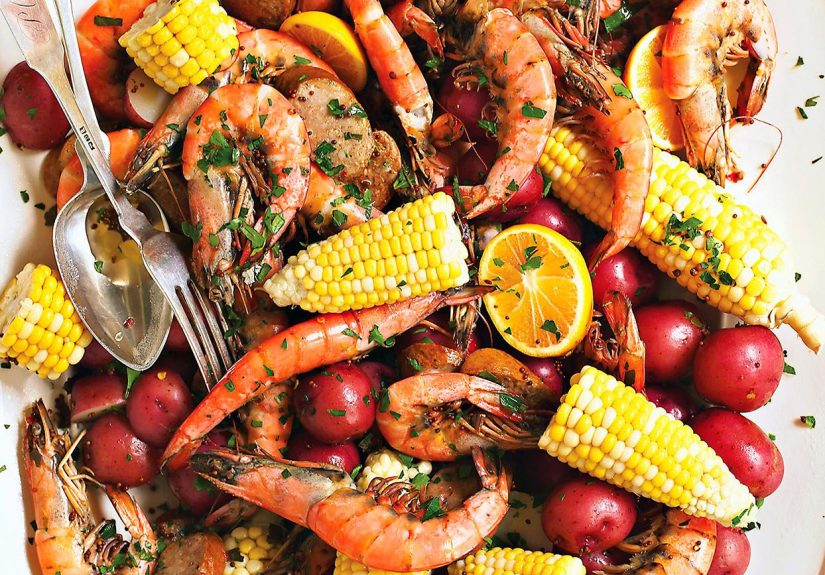
This recipe is a crowd-pleasing, one-pot party: tender potatoes, sweet corn, smoky sausage, and shrimp that cook in minutes
(because shrimp is dramatic like that). You’ll season the broth, layer ingredients by cook time, and finish with a glossy
garlic-butter sauce that makes people hover near the pot like it’s a campfire.
What Is a Shrimp and Sausage Boil?
A boil is basically a “cook-everything-together” feast where the pot does the heavy lifting and you take the credit.
It’s related to Low Country boils and seafood boils across the South and the Mid-Atlanticvariations change, but the logic
stays the same: build flavor in the water, cook sturdy ingredients first, and add shrimp last so it stays juicy instead of
turning into little rubber commas.
Ingredients (Serves 6–8)
For the boil
- 3 quarts water (plus more if needed to cover)
- 12 oz beer (optional but classic; use a light lager)
- 2 lemons, halved
- 1 large onion, quartered
- 6 cloves garlic, smashed
- 2–3 Tbsp seafood boil seasoning (Old Bay-style) and/or 1–2 Tbsp Cajun/Creole seasoning
- 1–2 Tbsp kosher salt (start light; you can always add more)
- 1–2 tsp cayenne (optional, for heat)
- 2 bay leaves (optional)
- 2–2.5 lb baby potatoes (red or Yukon gold)
- 6 ears corn, shucked and halved (or cut into thirds)
- 1.5 lb smoked sausage (andouille is classic; kielbasa works too), cut into 2-inch pieces
- 2 lb large shrimp, shell-on for best flavor (deveined; leave tails on if you like)
Optional add-ins (choose your adventure)
- 8 hard-boiled eggs (adds a fun “who invited you?” energyin a good way)
- 1 lb mushrooms
- 1 lb green beans (surprisingly great)
- Extra shellfish (crab legs, clams, mussels) if you want a full seafood-boil situation
For the garlic-butter finish
- 8 Tbsp (1 stick) butter
- 4 cloves garlic, finely minced
- 1 Tbsp seafood boil seasoning (or to taste)
- 1–2 tsp paprika
- 1–2 Tbsp lemon juice
- Chopped parsley (optional, for color and “I’m a responsible adult” vibes)
Equipment You’ll Want (No Fancy Stuff Required)
- A large stockpot (at least 10–12 quarts)
- A spider strainer or large slotted spoon
- Sheet pans or a big serving platter (or the traditional newspaper/foil-covered table)
- Optional but helpful: a food thermometer
Step-by-Step Shrimp and Sausage Boil
- Build your flavor base.
Add water and beer (if using) to a large stockpot. Squeeze the lemon halves into the pot, then toss the halves in too.
Add onion, smashed garlic, seafood seasoning, salt, cayenne (if using), and bay leaves. Bring to a rolling boil.Tip: The broth should taste boldly seasonedalmost a touch too strongbecause the potatoes, corn, and shrimp will mellow it out.
- Cook the potatoes first.
Add potatoes and boil until they’re starting to get tender, about 10–15 minutes depending on size.How to know: A fork should go in with some resistance, like the potato is saying, “I’m not done, but I’m listening.”
- Add corn and sausage.
Stir in corn and sausage. Boil 5–7 minutes, until the corn is bright and the sausage is hot all the way through. - Add shrimp last (the fast lane).
Reduce heat to a lively simmer. Add shrimp and cook just until pink/opaque and firm, usually 2–4 minutes depending on size.
Don’t wander offshrimp will overcook faster than a reality show plot twist. - Optional flavor soak (highly recommended).
Turn off the heat and let everything sit in the seasoned broth for 5–10 minutes. This boosts flavor without overcooking,
especially if you keep the pot off heat.Shortcut: If you’re worried about shrimp carryover cooking, scoop shrimp out first and let the rest soak a little longer.
- Drain and spread.
Drain the pot (carefully!) and spread everything onto sheet pans or a big platter. If you’re going full boil-tradition,
dump it onto a foil-covered table and pretend you live in a coastal town with a permanent sunset. - Make the garlic-butter sauce.
Melt butter in a small saucepan over medium-low heat. Add garlic and cook 30–60 seconds (just until fragrant, not browned).
Stir in seasoning, paprika, and lemon juice. Drizzle over the boil. Finish with parsley if you want.
Timing Cheat Sheet
Exact timing depends on potato size and shrimp size, but this “layering” pattern is the key to a boil that feels effortless.
| Ingredient | When It Goes In | Typical Time |
|---|---|---|
| Potatoes | First | 10–15 minutes |
| Corn | Second | 5–7 minutes |
| Sausage | With corn (or right after potatoes) | 5–7 minutes |
| Shrimp | Last | 2–4 minutes |
| Soak (optional) | Heat off | 5–10 minutes |
Pro Tips for the Best Shrimp and Sausage Boil
1) Choose shrimp that won’t let you down
Large or jumbo shrimp are easiest to nail because they’re more forgiving. Shell-on shrimp generally give you better flavor
and a little extra protection from overcooking. If you buy frozen shrimp (often the best quality), thaw it in the fridge
overnight or in cold waterskip warm water unless you enjoy living dangerously.
2) Don’t skip deveining (your future self will thank you)
Deveining isn’t glamorous, but it’s the difference between “wow, amazing” and “wait… what’s that gritty thing?”
Many shrimp are sold already deveinedworth it if you’re feeding a crowd.
3) The shrimp doneness “sweet spot”
Cooked shrimp should be pink and opaque, firm, and shaped like a gentle “C.” If they curl into a tight “O,” they’ve crossed
into overcooked territory. Pull them earlycarryover heat is real, and shrimp does not negotiate.
4) Optional upgrade: a quick dry brine for plumper shrimp
If you want restaurant-style “snappy” shrimp, try this: toss the raw shrimp with 1 tsp kosher salt + 1/4 tsp baking soda per pound.
Let it sit 15–30 minutes (refrigerate if longer), then rinse and pat dry. It’s a small step that can improve texture,
especially if you’re cooking for picky shrimp critics (we all know one).
5) Make your broth taste slightly “too seasoned”
This is the secret. The water is your flavor delivery system. Potatoes and corn soak up seasoning like they’re getting paid
per ounce. If the broth tastes mild, the final boil will taste like… polite warm water. Be generous (without making it salty-salty).
6) The soak trick: more flavor, less overcooking
Turning off the heat and letting everything sit for a few minutes helps the seasoning cling and settle into the food.
This is especially helpful for corn and potatoes, which benefit from extra time in the broth.
Flavor Variations (Because You’re Not a One-Seasoning Person)
Maryland-inspired Old Bay + beer
Use beer in the cooking liquid, lean on Old Bay-style seasoning, and finish with extra lemon. It’s bright, briny, and
borderline addictive. Add extra onions if you love that sweet-savory background note.
Cajun-style (bolder heat, deeper spice)
Add Cajun seasoning, extra garlic, smoked paprika, and a pinch of cayenne. Andouille sausage is a natural fit here.
Finish with garlic butter plus a tiny drizzle of honey if you like a sweet-hot vibe (don’t worryno one will call it “weird”
once they taste it).
Viet-Cajun inspired garlic butter
Want that glossy, clingy sauce people rave about? Add more garlic, a bit of chili flake, and a squeeze of lime along with lemon.
You can even stir in a spoonful of Cajun seasoning directly into the butter. The result is loud, proud, and absolutely not subtle.
Sheet-pan shrimp boil (no giant pot required)
If you don’t want to boil anything, roast it. Parboil potatoes until almost tender, toss everything with seasoned butter,
spread on sheet pans, and roast until shrimp is opaque. It’s not traditional, but it’s weeknight-friendly and still feels festive.
Serving Ideas (Make It a Whole Moment)
- Classic: lemon wedges, hot sauce, and extra seasoning on the side
- Crunchy contrast: coleslaw or a simple green salad
- Carb support team: crusty bread, cornbread, or hushpuppies
- Drinks: light beer, iced tea, or something citrusy
Storage and Leftovers (Food Safety Without the Buzzkill)
Cool leftovers quickly and refrigerate in shallow containers. Shrimp and sausage are great the next day in tacos, pasta,
fried rice, or a quick “breakfast hash” situation with eggs.
- Reheat smart: Warm gently so shrimp stays tender. If you’re reheating to piping hot, aim for food-safe temps and avoid drying it out.
- Easy leftover idea: Chop sausage and corn off the cob, toss with potatoes, and sauté with a little butter and garlic.
Troubleshooting
My shrimp turned rubbery
Most likely it cooked too long or sat in hot liquid too long. Next time: add shrimp later, cook just until opaque,
and consider pulling shrimp out first before letting potatoes/corn soak.
My boil tastes bland
Your broth wasn’t seasoned enough. Fix it fast: toss drained food with extra seasoning and a splash of lemon, then drizzle
more garlic butter on top. Butter has never judged anyone.
Too spicy!
Serve with extra butter, more lemon, and something creamy on the side (even a simple ranch dip for the sausageno rules here).
Potatoes also help calm heat, so “accidentally” eating more potatoes is basically a solution.
Conclusion
A shrimp and sausage boil is the rare recipe that feels like an event without requiring event-level effort. Layer ingredients
by cook time, treat shrimp like the delicate overachiever it is, and don’t skip the finishing butter sauce unless you hate joy.
Put it all on a platter, gather people around, and enjoy the kind of meal that turns dinner into a story.
Experience Notes (500-ish Words of “What It’s Really Like”)
The first thing you learn about a shrimp and sausage boil is that it changes the mood of a room. People walk in, smell the garlic
and spice, and suddenly everyone is “just checking on something” in the kitchen every three minutes. A boil is basically a
social magnet with a ladle.
The second thing you learn: your setup matters more than you think. If you serve this like a normal plated meal, it’s still good,
but it won’t feel like the fun, slightly chaotic feast it’s meant to be. The minute you spread everything out on a big tray (or
a table lined with foil or butcher paper), the energy shifts to “festival mode.” People start pointing at pieces like they’re
drafting a fantasy football team: “I call the extra-caramelized sausage!” “That corn is mine!” “Who touched my lemon wedge?”
If you’re hosting, the best “experience hack” is deciding your spice level before the pot hits the stove. In every group,
there’s at least one person who thinks mild seasoning is “too spicy,” and another person who uses hot sauce like it’s a personality trait.
The easiest peace treaty is to season the broth to a confident medium, then put hot sauce, extra Cajun seasoning, and chili flakes
on the side. Everyone gets to customize, and you don’t have to mediate a pepper-based argument at the table.
Timing becomes its own little performance. The pot starts boiling and people hover, because boiling water makes us all feel like
we’re watching something important. Someone will inevitably ask, “Are the shrimp in yet?” five times. (Answer: not yet, and that’s the point.)
Shrimp goes in last, and that’s where you look like a geniusbecause while everything else can tolerate a little extra time, shrimp
will punish you for checking your phone. The best “host move” is to have your trays ready, your butter sauce done, and your serving
area clear before shrimp hits the pot. When you can drain and spread everything quickly, shrimp stays tender, and you look
suspiciously competent.
Cleanup has its own personality too. The good news: one pot, one saucepan, and maybe a tray. The messy part is the eating (worth it),
so plan for napkins like you’re preparing for a small craft project. And here’s the surprising upside: a boil makes people linger.
There’s something about peeling shrimp, grabbing sausage chunks, and chasing it with corn that slows everyone down. Conversations get longer.
Second helpings happen. Someone always says, “We should do this more often,” and for once, they actually mean it.
If you want a final “real-life” detail: leftovers are a gift. The next day, the flavors deepen. Toss chopped potatoes and sausage
in a skillet until crisp, add corn kernels, then fold in shrimp at the end just to warm it through. It’s the kind of second-day meal
that makes you feel like you planned ahead, even if you absolutely did not.