Table of Contents >> Show >> Hide
- What Are Paper Lantern Bags (and Why Do They Work So Well)?
- Supplies You’ll Need (Simple, Affordable, and Not Fussy)
- How to Make Simple DIY Paper Lantern Bags
- Design Ideas That Look Fancy (But Aren’t Complicated)
- Where Paper Lantern Bags Shine
- Planning the Layout (So It Looks Intentional, Not Random)
- Safety Tips (Because Paper + Fire Is a Drama Combo)
- Weatherproofing and “Make-It-Last” Tricks
- Troubleshooting: Common Problems and Easy Fixes
- Budget Breakdown (Because “Cute” Shouldn’t Be Expensive)
- Real-World Experiences: What You Learn After Making a Bunch
- Conclusion
- SEO Tags
If you’ve ever walked up to a house (or wedding venue) and thought, “Wow, this looks like a movie set,”
there’s a decent chance paper lantern bags were involved. They’re the glow-up your sidewalk didn’t know it needed:
soft light, cozy vibes, and a “how is this so cute?” factor that’s wildly out of proportion to how easy they are to make.
In this guide, you’ll learn how to make simple DIY paper lantern bags (also called paper bag luminaries) that look polished,
photograph beautifully, and don’t require a craft room stocked like a small boutique. We’ll cover supplies, step-by-step instructions,
design ideas, layout planning, and smart safety tipsbecause the goal is “charming ambiance,” not “surprise excitement.”
What Are Paper Lantern Bags (and Why Do They Work So Well)?
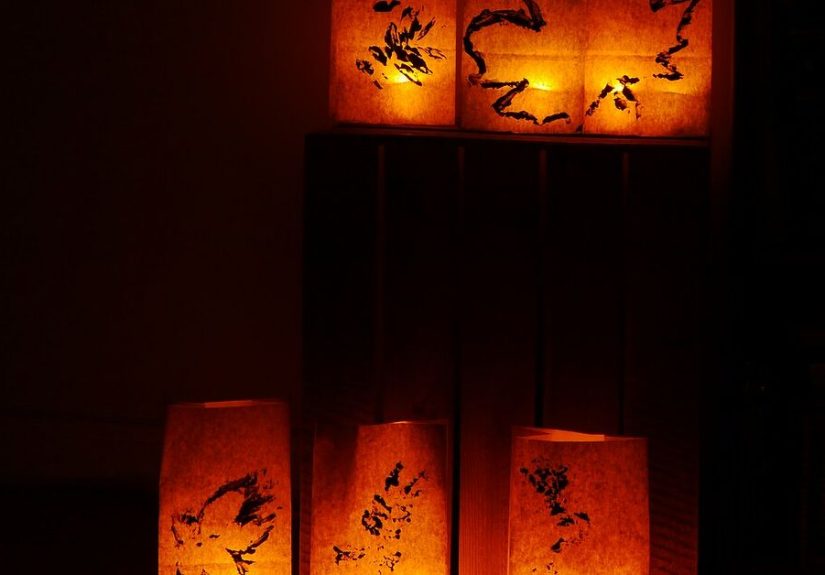
Paper lantern bags are small, weighted paper bags with a light insideusually placed along walkways, driveways, porches, patios,
or backyard paths. The paper diffuses the light, giving you that warm glow that feels instantly festive.
You may also hear the terms luminarias or farolitos, especially around winter holidays in the American Southwest.
Traditionally, they’re made with brown paper bags, sand for weight, and a small candle. Today, many people swap in flameless LED tea lights
for a safer, easier option that still gives the same twinkly effect.
Supplies You’ll Need (Simple, Affordable, and Not Fussy)
The basic version uses just three things: a paper bag, something to weigh it down, and a light. Everything else is optional sparkle.
Core materials
- Paper bags (white or kraft brown). Lunch-size bags work for tabletops; larger bags make bolder walkway lanterns.
- Weight: sand, small pebbles, aquarium gravel, or even dry rice in a pinch.
- Light source: flameless LED tea lights are the easiest and safest option for most homes and events.
Helpful extras (for nicer results)
- Pencil and ruler (for straight, centered designs)
- Scissors and/or a craft knife (for cut-out patterns)
- Hole punch (for quick stars, dots, and confetti-style light)
- Painter’s tape or masking tape (for crisp geometric shapes)
- Markers, paint pens, stamps, stickers, or washi tape (for decorating)
- Cardboard scrap (as a cutting mat if you’re using a craft knife)
How to Make Simple DIY Paper Lantern Bags
This is the classic, beginner-friendly method. You can make a set quickly, even if your crafting style is “strong enthusiasm, questionable precision.”
Step 1: Choose your bag and plan your look
Decide whether you want the lantern bags to feel clean and modern (white bags + simple shapes),
rustic and cozy (kraft bags + stars), or theme-specific (Halloween silhouettes, holiday snowflakes, wedding monograms).
If this is for an event, pick 1–2 repeating motifs so everything looks intentional.
Step 2: Add weight to the bottom
Open the bag fully and pour in enough sand or gravel to create a stable base. You want the bottom weighted so it won’t tip easily
and the sides stand up without collapsing. For windy outdoor spots, add a little extra weight.
Step 3: Decorate the outside (easy mode)
If you want maximum impact with minimal effort, decorate the bag exterior:
- Tape designs: use painter’s tape to make stripes, triangles, or a simple border; color inside with a marker.
- Sticker patterns: dots, stars, lettersfast and kid-friendly.
- Paint pen doodles: small repeated shapes (stars, leaves, tiny hearts) look surprisingly fancy in a group.
Step 4: Create cut-outs (medium mode, big payoff)
For that “glowing pattern” look, add small cut-outs. Keep your holes small and spaced out so the bag stays sturdy.
- Hole punch method: fold the bag flat, punch through both layers, unfold. Instant starry-sky vibes.
- Craft knife method: draw a simple shape (star, moon, leaf, initial), place cardboard inside the bag, and carefully cut the design.
Tip: If you’re making a lot of lantern bags, choose one “signature” cut-out shape and repeat it. Consistency makes them look professional,
even if you made them while watching TV.
Step 5: Add the light
Place a flameless LED tea light on the sand/gravel base. Turn it on and adjust so the light sits centered. The bag should glow evenly,
with your cut-outs shining like little windows.
Step 6: Set them out and fine-tune the spacing
Arrange the lantern bags along your walkway, porch steps, patio edge, or backyard path. Step back, look at the overall flow,
and adjust spacing until it feels balanced. The goal is an inviting pathnot a landing strip.
Design Ideas That Look Fancy (But Aren’t Complicated)
Want your paper bag lanterns to look like you hired someone with a clipboard and a lighting budget?
Try these ideaseach one scales nicely from “I made six” to “I made sixty and now I understand event planners.”
1) Starry night lantern bags
Fold the bag flat and punch scattered holes using a star punch (or a standard hole punch for a constellation look).
Mix in a few larger star cut-outs for variety. White bags feel crisp; kraft bags feel cozy.
2) Modern minimalist
Use painter’s tape to mask a geometric patternchevrons, diagonal stripes, or a simple frame border.
Color inside the taped area with a marker or paint pen, then peel the tape for sharp lines.
3) Leaf-shadow fall lanterns
Tape a few leaves to the bag, lightly dab or mist paint over them, then remove the leaves once dry.
You’ll get a soft silhouette effect that looks great for fall parties and front-porch decor.
4) Wedding or party monograms
Print a large initial or short word (like “LOVE” or “MR & MRS”), tape it to the bag, and trace it.
Cut out the letters carefully, or color them in for a no-cut version. Repeat across the set for a cohesive look.
5) Holiday silhouettes
Keep it simple: one bold shape per bag (pumpkin, ghost, snowflake, tree). When lit, silhouettes read clearly from a distance
and they photograph well even on phone cameras in low light.
Where Paper Lantern Bags Shine
Paper lantern bags are one of those rare DIYs that works for basically everything:
- Front porch glow for weekends, parties, or everyday curb appeal
- Holiday walkways (Halloween, winter holidays, New Year’s, and beyond)
- Weddings: aisle edges, reception paths, entryways, photo backdrops
- Backyard dinners: patio borders and garden paths
- School or community events: easy to batch-make with groups
Bonus: they look great both lit and unlit, so you get decor during daylight and ambiance at night.
That’s what we call a two-for-one situation.
Planning the Layout (So It Looks Intentional, Not Random)
Before you start making dozens, do a quick plan. A little math now saves you from the classic mistake:
“We have 47 lantern bags… and the driveway requires 86.”
Quick layout rules that work
- Walkways: place lantern bags a few feet apart so the light feels continuous, not crowded.
- Steps: one per step edge looks tidy; add extras only if the steps are wide.
- Driveways: use wider spacing and focus on curves/turns where guidance matters visually.
- Clusters: group 3–5 lantern bags near an entry, sign, or focal point to create a “moment.”
If you’re decorating for an event, do a mini test run: set out 6–10 lantern bags, stand where guests will arrive,
and adjust until the spacing looks balanced in real life (not just in your head).
Safety Tips (Because Paper + Fire Is a Drama Combo)
Let’s be clear: paper lantern bags are meant to be charming, not chaotic. The safest option for almost every home and event is
flameless LED tea lights. They’re easy, reusable, and you don’t have to hover like a worried hawk.
Smart safety guidelines
- Choose LED lights whenever possibleespecially around kids, pets, dry landscaping, or crowded events.
- Keep lantern bags stable with enough sand/gravel so they won’t tip in a breeze.
- Avoid windy weather and keep lanterns out of high-traffic spots where they could get kicked.
- Keep away from flammables like mulch piles, dried leaves, decorations, or hanging fabric.
- Don’t leave any open flame unattended. If your setup includes real candles, use adult supervision and follow local safety guidance.
If you’re making lantern bags for a public event or neighborhood display, it’s also worth checking local rules or recommendations
some areas have specific guidance around open flames outdoors. LED options remove most of the worry.
Weatherproofing and “Make-It-Last” Tricks
Paper lantern bags are sturdy enough for a calm evening, but they’re still paper. If you’re setting them outside, a few upgrades help:
- Double-bag for brighter glow: place a white bag inside a darker bag for a warmer, more even light.
- Protect from damp ground: set the bag on a flat stone, tray, or piece of cardboard if the ground is wet.
- Reinforce cut-outs: keep holes small, and avoid cutting too close to the edges where the bag needs strength.
- Store for reuse: remove the LED light, dump the sand into a bucket, and flatten the bags for next time.
Troubleshooting: Common Problems and Easy Fixes
Problem: The bag collapses inward
Fix: Add more sand/gravel, and gently “square” the base by pressing the bottom corners outward. If the bag is thin,
double-bag it or switch to sturdier paper.
Problem: The light looks dim
Fix: Use brighter LEDs or a white inner liner bag. Dark kraft paper absorbs more light, so it often needs a stronger LED
than a white bag does.
Problem: Cut-outs tear or look messy
Fix: Fold the bag before punching holes (it stabilizes the layers), or use a hole punch instead of a knife for clean edges.
If you cut with a blade, keep shapes simplebold silhouettes look better than tiny fussy details.
Problem: They topple in the wind
Fix: Add more weight, move them closer to a wall/hedge for wind protection, or skip outdoor placement on gusty nights.
Sometimes the best DIY decision is “not today, weather.”
Budget Breakdown (Because “Cute” Shouldn’t Be Expensive)
One reason paper bag luminaries are so popular: they look high-impact without high cost.
If you already have basic supplies, your main expense is the LED tea lights.
- Paper bags: often inexpensive in multipacks
- Sand/gravel: low-cost and reusable
- LED tea lights: reusable for years; buy in bulk for events
For weddings and large parties, reusability is where you really win. Keep the lights, reuse the sand, and remake fresh bags
for different seasons or themes.
Real-World Experiences: What You Learn After Making a Bunch
Here’s the part nobody tells you until you’re elbow-deep in paper bags and wondering why your dining table looks like a tiny lantern factory:
the first few are “practice,” and then suddenly you’re producing glow like a professional. That learning curve is realbut it’s also
what makes this DIY so satisfying.
First, you’ll notice that the bag choice matters more than you expect. Some paper bags stand tall like they’re proud to be here,
while others crumple if you look at them too confidently. If you’re making lantern bags for an event, buy a small pack first and do a test.
It’s a tiny step that saves you from mass-producing bags that refuse to behave.
Second, the “right” amount of sand is whatever makes you stop worrying. A light sprinkle looks cute until a breeze turns your walkway into
a slow-motion domino show. Most crafters end up adding a little more weight than they originally plannedespecially for outdoor paths.
The bonus is that extra weight also helps the bag glow more evenly because the LED sits more steadily and stays centered.
Third, you’ll discover that simple designs look best at night. In daylight, intricate cut-outs seem impressive.
But once the lantern bags are lit, the eye reads bold shapes and clear patterns from a distance. A clean star cluster, a big initial,
or a simple leaf silhouette often looks more “expensive” than a complicated design that turns into visual noise after dark.
Fourth, spacing is everything. Many people start by placing lantern bags evenly, then realize the scene looks flat.
The fix is easy: add a few “feature clusters” near key spotslike the front steps, the mailbox, or the entry gate.
That mix of steady spacing plus a few brighter focal points makes the whole setup feel styled, not scattered.
Finally, you’ll likely end up appreciating LEDs more than you thought you would. They turn this project into something you can enjoy
without constant monitoring. That’s especially helpful when you’re hosting, wrangling last-minute party details, or managing excited guests
who have a habit of stepping exactly where you just placed your cutest lantern bag. With LEDs, the worst-case scenario is a toppled bag
and a slightly bruised egoboth highly recoverable.
The best “experience-based” tip of all: make a few extra. Somehow, no matter how carefully you plan, you’ll want a couple more
for that last curve in the walkway or that one dark corner near the porch. Extra lantern bags are never wasted. They become table decor,
mantel accents, or an easy re-use for the next holiday. And if someone asks where you bought them, you get to say,
“Oh these? I made them,” which is a small joy that never gets old.
Conclusion
Simple DIY paper lantern bags are one of the easiest ways to create instant atmospherewhether you’re lining a walkway for a holiday,
brightening a backyard party, or making a wedding entrance feel magical. Keep the materials basic, choose LED tea lights for stress-free glow,
and focus on bold, repeatable designs that look great after dark. A little planning plus a little creativity goes a long wayand the results
are the kind of cozy that makes people slow down and smile.