Table of Contents >> Show >> Hide
- What Is Skruf Bellman Glass?
- The Story Behind Skruf and the Bellman Line
- Why the Design Still Feels So Modern
- The Bellman Family: More Than One Pretty Glass
- Why Collectors and Design Enthusiasts Keep Coming Back
- How to Identify Authentic Skruf Bellman Glass
- How to Style and Use Bellman Glass Today
- Experiences With Skruf Bellman Glass: Living With Quiet Design
- Conclusion
Some glass shouts for attention. Skruf Bellman Glass does the opposite. It sits quietly on a table, catches the light, and somehow makes everything around it look more intentional. That is part of its magic. Bellman is not trying to be the loudest guest at dinner. It is the one with the best manners, the sharpest bone structure, and absolutely no need to brag.
For design lovers, collectors, and people who have ever held a really good drinking glass and thought, “Well, this just feels right,” Skruf Bellman Glass has become a small Scandinavian legend. Designed by Ingegerd Råman for the Swedish glassworks Skruf, the Bellman line is one of those rare collections that manages to feel refined without being fussy, artistic without becoming impractical, and minimalist without turning cold. In a world full of overdesigned home goods screaming for likes, Bellman is a reminder that true elegance usually lowers its voice.
What Is Skruf Bellman Glass?
Skruf Bellman Glass refers to a family of hand-blown glass objects associated with Skruf Glassworks and designer Ingegerd Råman. The collection is best known for its clean silhouettes, understated beauty, and unusually strong balance between daily use and design credibility. Bellman is not just one glass. It is a broader tableware language that includes drinking glasses, wine glasses, pitchers, jars, and bowls. That range matters because it shows the line was conceived as something to live with, not merely admire from a safe emotional distance on a shelf.
The defining idea behind Bellman is simplicity with presence. The forms are stripped down, but they are not sterile. They feel human. The glass is clear, but never boring. Even when a Bellman piece looks almost mathematically calm, it still carries the warmth of the hand-blown process. That tension between discipline and softness is the reason Bellman continues to appeal to both serious collectors and people who just want their water glass to stop looking like it came free with takeout.
The Story Behind Skruf and the Bellman Line
To understand Bellman, it helps to understand Skruf. Skruf Glassworks has roots going back to the late nineteenth century and belongs to the long tradition of Swedish glassmaking in Småland. Its history was not a perfectly polished crystal flute. The company faced closures, setbacks, and restarts, which is part of what makes the Bellman line so interesting. When Skruf resurfaced in the early 1980s, Ingegerd Råman became its designer, and Bellman emerged as one of the defining results of that new chapter.
That timing matters. Bellman feels like a bridge between heritage and renewal. It respects the older craft of Swedish glassblowing, but it does not look trapped in nostalgia. Instead, it presents a more modern Scandinavian idea: objects should be beautiful, yes, but they should also earn their place in everyday life. In Bellman, the revival of a historic glassworks met a designer whose instincts favored clarity, usefulness, and restraint. The result was not a trend piece. It was a long-distance runner.
Why the Design Still Feels So Modern
It is minimalist, but not lifeless
Bellman belongs to that category of design that looks effortless right up until you try to make something similar and discover that “simple” is actually very hard. Råman’s work is often described through qualities like simplicity, timelessness, transparency, and functionality. Bellman embodies all of those traits. The lines are reduced, but the objects never feel generic. Their proportions are quietly exact. Their surfaces are calm. Their presence is gentle rather than theatrical.
It understands that use is part of beauty
One of the most compelling ideas associated with Råman’s work is that objects do not fully come alive until they are used. Bellman makes that philosophy easy to understand. A Bellman wine glass is not only attractive on a styled shelf; it becomes more convincing in a hand, at a meal, or next to a carafe on a sunlit table. A Bellman bowl looks better with lemons in it. A Bellman jar earns extra points once it is holding flowers, kitchen tools, or a chaotic little collection of sea salt packets you swear are for entertaining.
It lets craftsmanship show, quietly
The Bellman line is hand-blown, and that matters. Handmade glass often carries tiny differences from piece to piece, which is not a flaw but a sign of life. Good hand-blown glass has a kind of visual breath in it. Bellman does not exaggerate that handmade quality with rustic drama or unevenness for its own sake. Instead, the craftsmanship appears in subtler ways: a softness at the rim, a balanced weight, a shape that feels measured rather than mass-stamped, and a clarity that makes light part of the object.
The Bellman Family: More Than One Pretty Glass
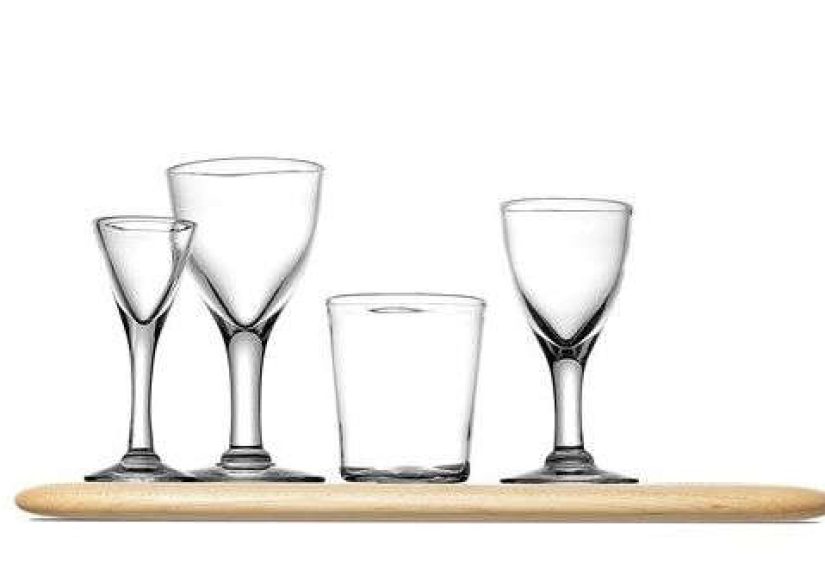
One reason Bellman remains so appealing is that it was never limited to a single hero piece. The line has included wine glasses, smaller drinking vessels, pitchers, jars, and bowls. That variety gives the collection a completeness many design-forward tableware lines never achieve. Some pieces feel ideal for everyday hydration. Others belong to dinner, cocktails, or casual entertaining that somehow becomes more stylish the second someone says “Would you like sparkling or still?” in a normal apartment.
The stemware is especially beloved. Vintage and auction-market examples often show Bellman wine glasses with graceful, lean proportions that feel distinctly Scandinavian: elegant, but not fragile-looking; refined, but not uptight. Other Bellman pieces, such as jars and mixing bowls, reveal the line’s more domestic and multifunctional side. This is important because Bellman is not precious in the worst sense of the word. It is artful, but it still wants to participate in a meal, a kitchen, and a real home.
In practical terms, that means Bellman works unusually well across settings. A single water glass does not look lonely next to modern stoneware. A Bellman pitcher can sit beside linen napkins, stainless flatware, or a rustic wooden board without visual conflict. The collection is versatile because it does not chase decoration. It trusts shape, material, and proportion to do the heavy lifting.
Why Collectors and Design Enthusiasts Keep Coming Back
Bellman’s appeal comes from more than Scandinavian branding and good photography. It has real design credibility. In design circles, the Bellman drinking glass has even been praised as an everyday object worthy of admiration. That kind of attention matters because it shows Bellman is appreciated not only as attractive tableware, but as a thoughtful response to how objects should feel and function.
Collectors also appreciate the line because it sits at the crossroads of several desirable qualities. It is tied to a respected designer. It comes from a historic Swedish glassworks. It reflects the hand-blown tradition. It looks contemporary decades after its debut. And in the secondary market, it can still offer the thrill of discovery. Signed pieces, labeled examples, complete sets, and forms that are no longer easy to find all make the hunt more interesting. Bellman is the kind of design that rewards both scholarship and instinct.
There is also the fact that Bellman ages beautifully. Some glassware styles feel trapped in their era. Bellman does not. Put it in a traditional dining room, and it reads as tasteful. Put it in a minimalist apartment, and it reads as intentional. Put it in a slightly messy kitchen with three cookbooks, a bowl of oranges, and a cat who should not be on the counter but absolutely is, and it still works.
How to Identify Authentic Skruf Bellman Glass
If you are shopping vintage or browsing auctions, authenticity clues matter. Many Bellman pieces are associated with labels reading “Skruf Sweden In Råman Design,” and signed examples may carry marks such as “Skruf I Råman.” Those details are useful, especially with stemware. Of course, not every older piece will retain a paper label, and wear is common in used examples. That means shape, quality, and consistency of form should also be part of your evaluation.
Look for clean proportions and a confident simplicity that feels deliberate rather than generic. Bellman pieces usually have an understated poise. Nothing is overworked. Nothing looks ornamental just to prove that someone had free time and a grinding wheel. Because the glass is hand-blown, slight individuality can be normal, but the overall geometry should still feel balanced. If a supposed Bellman glass looks clumsy, thick in the wrong way, or aggressively decorative, your skepticism should wake up and have a sip of coffee.
How to Style and Use Bellman Glass Today
The best way to style Bellman is, frankly, not to overstyle it. This is glassware that likes light, negative space, and materials with honest texture. Linen, wood, ceramic, brushed metal, and simple floral arrangements all complement it naturally. On a dining table, Bellman reads beautifully with white plates and neutral textiles. In a kitchen, it can soften more utilitarian surroundings. In a living room, a Bellman jar or bowl can act as a quiet focal point without turning the space into a showroom that makes guests afraid to breathe.
Bellman also plays well across seasons. In summer, it looks crisp and cool. In winter candlelight, it becomes warmer and more atmospheric. Fill a Bellman pitcher with water and citrus, use a bowl for berries, or let a single branch sit in a clear vessel and do all the talking. Bellman does not demand a dramatic centerpiece because it already understands composure. It is the design equivalent of someone who does not need to interrupt.
Experiences With Skruf Bellman Glass: Living With Quiet Design
The first real experience many people have with Skruf Bellman Glass is surprisingly physical. Before the history, before the designer biography, before the collector language kicks in, there is the hand. A Bellman glass usually feels calm to hold. It is balanced. It does not seem desperate to impress you with heft, nor does it feel flimsy or nervous. That first tactile impression explains a lot. Bellman is not merely seen; it is understood through use.
In daily life, the experience of Bellman tends to grow rather than peak all at once. You may notice it first at breakfast, when plain water suddenly looks more refreshing because the glass catching the morning light is that good. Later, you realize the same object works just as well at dinner. Then you discover that guests often pick up the Bellman glass and pause for half a second, as if their hand has quietly registered that this is better than average. That tiny pause is design doing its job.
There is also something deeply satisfying about the way Bellman fits into ordinary rituals. Pouring juice into it does not feel ceremonial, but it feels considered. Setting a Bellman pitcher on the table with lemon water makes a weeknight meal look more composed without any effort that would embarrass you. A Bellman bowl holding fruit or salad manages to look clean and generous at the same time. This is the sort of design that improves the atmosphere without turning every snack into a lifestyle performance.
The collector experience is a little different, but equally compelling. Finding Bellman in the vintage market can feel like meeting someone elegant in a crowd of loud strangers. You learn to notice the profile first: the measured line, the absence of unnecessary decoration, the confidence of restraint. Then you start checking for signatures, labels, condition, and sets. A signed example brings a special thrill because it connects the object more directly to its maker and place. Even wear can become part of the story, as long as it does not compromise the piece. Minor signs of use often feel appropriate on an object that was always meant to be lived with.
Emotionally, Bellman tends to create attachment through repetition. It is not the kind of piece people gush about for ten straight minutes and then forget by next week. It is the kind they miss once it is gone. Use it for a month, swap it out for something generic, and suddenly your table feels flatter. The room loses a little intelligence. That is the strange power of good glass: it can alter a space without blocking a view, and Bellman does that especially well.
Perhaps the best experience of Skruf Bellman Glass is that it keeps proving how unnecessary excess can be. It does not need bold color, elaborate cuts, or showy ornament. It relies on proportion, clarity, and human use. In the end, living with Bellman feels less like owning a luxury object and more like having a reliable companion for everyday beauty. Which, honestly, is a lot more useful than yet another trendy glass that looks fabulous online and somehow disappointing next to actual soup.
Conclusion
Skruf Bellman Glass endures because it captures something many brands still chase and few achieve: elegance that feels natural in daily life. It carries the weight of Swedish glassmaking history without becoming trapped in it. It reflects Ingegerd Råman’s design philosophy of simplicity, functionality, and humane beauty. And it proves that the best glassware does not need gimmicks. It only needs clarity, intelligence, craftsmanship, and a form that feels right every time you reach for it.
For collectors, Bellman offers lasting design value and a rewarding trail through galleries, retailers, and the vintage market. For homeowners, it offers something even better: the chance to make ordinary rituals look a little more graceful. That may sound small, but Bellman has always understood that small things are often the whole point.