Table of Contents >> Show >> Hide
- What Exactly Is the Skultuna Brass Dew Trivet?
- The Design Story: Why It Looks Like Art (Not Equipment)
- Specs and Materials (The Part You Pretend Not to Care About)
- How to Use It Without Accidentally Creating a New Family Heirloom Heat Stain
- Important Heat Reality Check: Brass Conducts Heat
- Style Ideas: How to Make It Look Like You Have a Plan
- Care and Maintenance: Keep the Brass Beautiful (Without Going Full Museum Conservator)
- Why This Trivet Feels Like a “Forever” Piece
- Buying Checklist: Get the Right Fit for Your Kitchen
- FAQ
- Experiences With the Skultuna Brass Dew Trivet (The “Real Life” Part)
Some kitchen tools are pure utility. Others are basically jewelry for your dining tablethe kind of piece that
makes guests assume you own at least one linen napkin you actually iron. The Skultuna Brass Dew Trivet
lands squarely in the second category… while still doing the very practical job of protecting your surfaces from heat.
If you’ve ever watched a beautiful wooden table develop a mysterious white heat mark (like a ghost of casseroles past),
you already understand why a trivet matters. What’s different here is that the Dew Trivet is designed to look intentional
even when nothing is sitting on itso it can live out on the counter or table without screaming “I belong in a drawer.”
What Exactly Is the Skultuna Brass Dew Trivet?
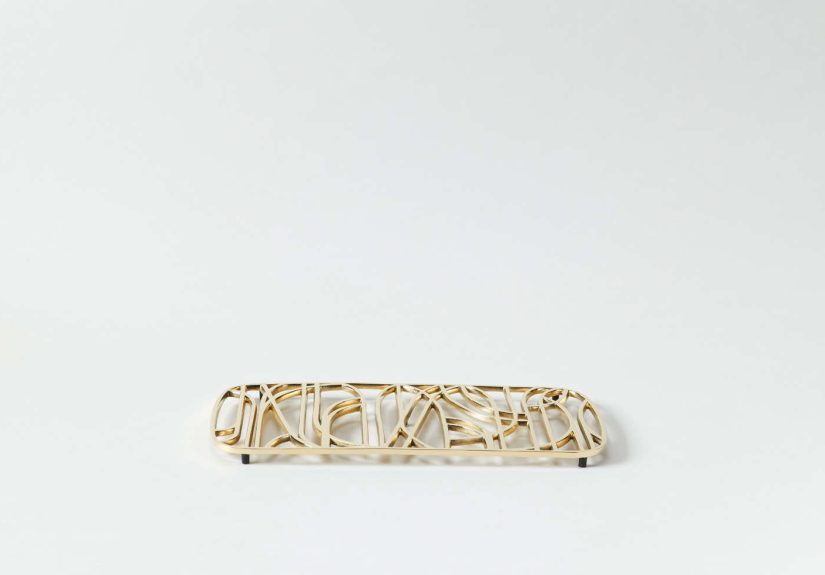
The Dew Trivet is a solid brass trivet made by Skultuna, a heritage brassworks brand known for decorative objects
and home goods. It’s designed by the Swedish design studio Objecthood and takes inspiration from
20th-century Art Deco floral patternsstylized, rhythmic, and confident enough to be both functional and sculptural.
In plain English: it’s a heat-protection tool that also happens to be a table centerpiece. Put a hot Dutch oven on it,
and it performs. Leave it empty, and it still looks like you meant to put it there.
The Design Story: Why It Looks Like Art (Not Equipment)
The Dew pattern reads like a modern riff on classic Art Deco ornament: rounded, repeating “drops” that feel floral without going full botanical illustration.
Art Deco design is famous for stylized motifs (including florals), symmetry, and a bold decorative attitudeluxurious without being fussy.
That design DNA matters because it’s what makes the Dew Trivet look good under a saucepan and under a vase.
The best way to describe the vibe: “Gatsby, but in a Swedish minimalist apartment.” Or, if you prefer fewer metaphors:
it’s decorative, geometric, and surprisingly versatile.
Specs and Materials (The Part You Pretend Not to Care About)
The Dew Trivet is made from polished brass and is sized to handle larger cookware and serving pieces comfortably.
The commonly listed measurements are approximately 42 cm long by 20 cm wide (about 16.5″ x 7.8″).
That footprint is big enough for a Dutch oven, roasting pan, or a cluster of smaller hot dishes when you’re doing the “buffet table shuffle.”
Many product descriptions also note a polished top and a more natural/untreated underside, which helps it sit stably
and gives it that “made object” feel rather than “factory part.” (Not that factory parts can’t be chic, but you get the idea.)
How to Use It Without Accidentally Creating a New Family Heirloom Heat Stain
A trivet’s job is simple: keep hot cookware from directly contacting the table/countertop. But modern kitchens are filled with surfaces that
are picky about heatengineered stone, sealed wood, lacquered finishes, and anything that looks expensive usually has feelings.
Here are a few smart ways to use the Dew Trivet in real life.
1) The “Hot Pot Parking Spot”
Place the Dew Trivet where hot items naturally land during cooking: next to the stove, near the sink, or on the island.
When you pull a pan off the burner, you don’t want to play the game of “Where’s my trivet?” while holding something that can sizzle.
If the trivet is already out, you use it. If it’s hidden, you’ll take your chances… and your table will pay the price.
2) The Entertaining Setup
If you serve family-style, the Dew Trivet becomes part of your tablescape: a warm brass anchor under a serving dish.
It pairs well with white plates, dark stoneware, wood, marble, and anything that leans neutral. Brass has a way of making a table look “finished”
even if dinner is, realistically, a chaotic rotation of trays.
3) The Countertop Protector (Quartz, Wood, and Other Divas)
Some countertop materials can be sensitive to heatespecially when hot cookware is placed directly on them.
Even durable surfaces can discolor or crack if repeatedly exposed to high heat. A trivet acts like a buffer,
lowering the risk of that “why does my countertop suddenly look… toasted?” moment.
Important Heat Reality Check: Brass Conducts Heat
Here’s the one thing you should know before you treat a brass trivet like an invincible shield:
brass conducts heat. That means if you put an extremely hot pan on it, the trivet itself can get hot enough to
transfer heat downwardespecially on delicate surfaces.
Translation: the Dew Trivet is excellent for protecting surfaces, but it’s not a magical force field.
For very hot cookware (think: ripping-hot cast iron straight from the oven), consider pairing it with an additional heat-safe layer
if your surface is sensitivelike a thick wooden board, a stone slab, or a heat-rated pad underneath.
Your future self will thank you, and your table will remain in the “not visibly traumatized” category.
Style Ideas: How to Make It Look Like You Have a Plan
One reason people love decorative trivets is that they do double duty: protection + styling. Here are a few specific ways
the Skultuna Brass Dew Trivet can earn its keep even when it’s off duty.
Use It as a Base for a Centerpiece
Because the Dew Trivet has a floral-inspired pattern, it plays nicely under a vase, a bowl of citrus, or a small plant.
It creates a “frame” that reads intentional. Try it under:
- a clear glass vase with eucalyptus
- a low ceramic bowl with lemons or oranges
- a stoneware planter on a sideboard
Give a Coffee Station Some Shine
Brass is warm, reflective, and naturally eye-catching. Place the trivet under a kettle, a French press, or a small tray of mugs.
Even if the items aren’t hot, the visual effect is “curated” rather than “pile of morning survival gear.”
Upgrade a Bar Cart
The Dew Trivet looks right at home with glass bottles and metallic accents. Use it as a platform for an ice bucket,
cocktail tools, or a decanteranywhere you want a little structure and a little glow.
Care and Maintenance: Keep the Brass Beautiful (Without Going Full Museum Conservator)
Brass is durable, but it’s also alive in the sense that it changes. It can tarnish, deepen, and develop patina over time.
Some people love that; others want it shiny enough to signal aircraft. Either choice is valid.
Everyday Cleaning
For routine maintenance, gentle cleaning is usually enough: a soft cloth, mild soap, warm water, and a careful dry.
Avoid abrasive scrubbers that can scratch the polished finish.
Polishing (When You Want That Fresh, Bright Glow)
If you want to restore shine, use a brass-appropriate polish and follow directions. DIY methods exist, but be careful:
acids and abrasives can change the surface, remove protective coatings, or strip patina you might actually want to keep.
If you love the “aged brass” look, skip heavy polishing and stick to gentle cleaning.
What Not to Do
- Don’t use harsh abrasives that can scratch the finish.
- Don’t leave acidic cleaners sitting on the surface for long periods.
- Don’t treat it like a cutting board (you’d be surprised what people do during parties).
Why This Trivet Feels Like a “Forever” Piece
Lots of trivets work. Fewer feel like an object you’d keep for a decade and still enjoy seeing out on the table.
The Skultuna Brass Dew Trivet stands out because it combines:
- Material presence (solid brass has weight and visual warmth)
- Design credibility (a distinct pattern tied to a recognizable design language)
- Functional scale (large enough for real cookware, not just teacups)
It also makes an unusually strong gift: wedding, housewarming, holidayanything where you want to give something useful
without giving something boring. It says, “I support your cooking,” and also, “I respect your countertops.”
Buying Checklist: Get the Right Fit for Your Kitchen
Before you commit, think through these practical questions:
- Where will it live? If it’s going to stay out, choose a spot where it looks natural and gets used.
- What surfaces are you protecting? If your table is delicate, plan to add a buffer layer for extremely hot cookware.
- Do you want shine or patina? Your answer influences how often you polish and what “care” means to you.
- Do you use oversized cookware? The Dew Trivet is generously sized, but it’s still smart to match it to your biggest pieces.
FAQ
Is the Skultuna Brass Dew Trivet only for hot pots?
Not at all. It’s designed for heat protection, but it’s also used as a decorative base for vases, bowls, and tabletop arrangements.
It’s the rare functional object that doesn’t mind being decorative.
Will brass tarnish over time?
Brass can naturally tarnish and develop patina depending on humidity, handling, and environmental exposure. You can polish it to keep it bright,
or let it age gracefully for a softer, deeper tone.
Can I place an extremely hot pan directly on it?
Be cautious. Brass conducts heat, so very hot cookware can heat the trivet itself, which may transfer heat to delicate surfaces underneath.
If you’re dealing with high-heat cookware straight from the oven, add a protective layer underneath the trivet for peace of mind.
Experiences With the Skultuna Brass Dew Trivet (The “Real Life” Part)
The first thing you notice in everyday use is that a decorative trivet changes your habits. A plain silicone mat is easy to forget
it’s either hidden in a drawer or visually disappears on the counter. The Dew Trivet doesn’t disappear. It sits there like a quiet little reminder:
“Hey. You’re about to set that hot pan down. Let’s not do anything we’ll regret.”
In a busy kitchen, that matters. On weeknights, you might pull a skillet off the stove and feel tempted to place it “just for a second”
on whatever surface is closest. With the Dew Trivet already out, the decision becomes automatic. You don’t hunt, you don’t hesitate,
you just land the pan. That tiny friction reduction can be the difference between a pristine countertop and a permanent mark that makes you sigh
every time the light hits it at the wrong angle.
It also has a surprisingly calming effect on a table during hosting. When you’re serving multiple dishes, it’s common to end up with a chaotic
patchwork of hot pads and folded towels. The Dew Trivet gives you a designated “hot zone” that looks good, so the table feels more organized
even when the meal is a delicious mess. Put a cast-iron pot on it and suddenly the pot looks like part of the décorlike you planned the whole scene,
not like you’re sprinting between kitchen and dining room trying to keep everyone fed.
The brass finish adds warmth, especially in kitchens dominated by cool tones (white quartz, gray cabinets, stainless steel). It’s a small visual
counterbalance that makes the space feel less clinical. And because the design nods to Art Deco styling, it pairs well with both modern and traditional
elements: it can look sleek next to minimalist dishes, or rich next to vintage glassware and wood.
Maintenance-wise, most people end up in one of two camps: the “let it patina” camp or the “keep it shiny” camp. In real life, both look good.
A slightly mellowed brass can feel softer and more lived-in, which suits cozy homes and rustic tables. A freshly polished finish feels crisp and
intentionalespecially for holidays, parties, or photo-worthy tablescapes. The key is consistency: don’t panic-polish every tiny fingerprint, but also
don’t ignore spills and moisture. A gentle wipe and dry after use keeps it looking cared for, which is really the entire goal of owning nice things.
And maybe the most practical experience of all: once you own a trivet that looks this good, you start noticing how often you need one.
The Dew Trivet doesn’t just protect your surfacesit quietly upgrades the way you set up your kitchen and table. It makes “being prepared”
feel like “having style.” Which, honestly, is the best kind of functional luxury.