Table of Contents >> Show >> Hide
- What Is a Smart Blender, Exactly?
- Why Smart Blenders Can Be Worth the Upgrade
- Why Smart Blenders Can Also Feel Overpriced
- Who Should Actually Buy a Smart Blender?
- What Matters More Than “Smart” on the Spec Sheet
- Real-World Examples of the Smart Blender Spectrum
- So, Are Smart Blenders Worth It?
- Extended Experience: What It Actually Feels Like to Live With a Smart Blender
- Conclusion
Once upon a time, a blender had one job: turn fruit, ice, and ambition into a smoothie. Now it has presets, sensors, digital timers, self-clean cycles, container recognition, and enough buzzwords to sound like it wants a LinkedIn profile. That raises a fair question for anyone standing in an appliance aisle with mild sticker shock: are smart blenders actually better, or are they just regular blenders wearing a tuxedo and charging admission?
The answer is not as dramatic as the marketing copy would like. Smart blenders can be genuinely useful, especially for people who blend often and want consistency with less guesswork. But they are not magical. A blender does not become a kitchen genius because it has a screen and a smoothie button. In many cases, the real difference still comes down to old-school fundamentals like motor strength, jar design, blade system, noise, cleanup, and durability. In other words, the smartest thing about some smart blenders may be their ability to convince you to spend another $300.
What Is a Smart Blender, Exactly?
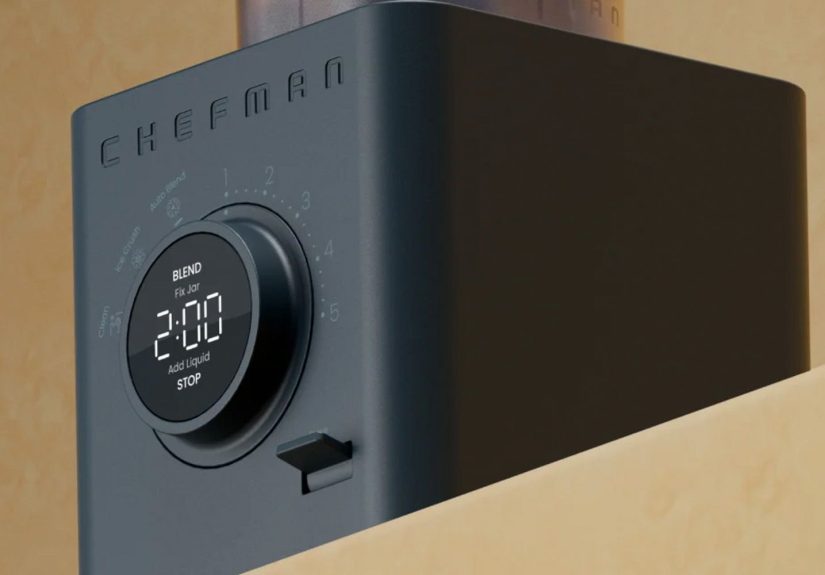
The term smart blender is a little slippery. Sometimes it means a truly connected appliance with app features or guided programs. Sometimes it means a blender with automatic presets, ingredient-detecting sensors, digital timers, or containers that the base can recognize. And sometimes it just means the blender has enough buttons to intimidate a houseguest.
In today’s market, the “smart” label usually includes a mix of these features:
- Automatic blending programs for smoothies, frozen drinks, soups, dips, or cleaning
- Digital timers that stop the blender automatically
- Sensor-based adjustments for speed and blending time
- Container recognition that changes settings depending on the jar or cup attached
- Touch controls, guided recipes, or other premium convenience tools
That sounds impressive, and some of it truly is. A blender that senses thickness, adjusts power, and saves you from babysitting a smoothie can make busy mornings easier. On the other hand, if your current blender already crushes ice, blends greens well, and doesn’t leave suspicious strawberry chunks floating around like tiny red lifeboats, you may not need a countertop robot upgrade.
Why Smart Blenders Can Be Worth the Upgrade
1. Convenience Is Not a Trivial Thing
People love to dismiss convenience features as fluff until they are halfway through a chaotic Monday morning holding spinach in one hand and a coffee mug in the other. That is where smart blending features earn their paycheck. Preset programs can take the guesswork out of blending time and speed. Timers let you walk away without turning your smoothie into warm fruit cement. Self-cleaning cycles reduce the odds that your blender jar will sit in the sink looking accusatory until dinner.
If you make smoothies every day, convenience matters. A blender that produces the same result with one touch is not lazy; it is efficient. There is a reason premium models emphasize walk-away blending. When a machine handles the timing for you, the whole process feels less like kitchen labor and more like using a reliable tool.
2. Better Consistency for Non-Experts
Experienced cooks can usually finesse texture manually. They know when to pulse, when to ramp up speed, and when to use a tamper. The average person, however, just wants a smooth drink and zero drama. Smart features help bridge that gap.
Auto programs are especially useful for recipes where texture matters. Green smoothies need enough power and time to break down fibrous ingredients. Frozen drinks need controlled power so they become slushy instead of sad. Soup programs can be helpful for people who want a hot, smooth finish without trial and error. In that sense, smart blenders do something valuable: they make good results more repeatable for normal humans who are not auditioning for a cooking show.
3. They Often Come With Other Premium Benefits
Here is the sneaky part: when you buy a smart blender, you are rarely paying only for “smart.” You are usually also buying into a better motor, stronger build quality, better warranties, quieter operation, nicer controls, and more thoughtful design. That means some of the price jump is justified by the overall machine, not just the digital bells and whistles.
For example, premium models frequently combine multiple presets with excellent blending power, better vortex creation, and accessory compatibility. So while the smart features alone may not be worth a big upgrade, the total package can be. The problem is that brands love to spotlight the fancy interface when the real value is often hiding in the less glamorous engineering.
Why Smart Blenders Can Also Feel Overpriced
1. Great Blending Still Comes From Boring Engineering
This is the part marketers would prefer you not tattoo on your soul: a blender’s actual performance still depends heavily on the motor, jar geometry, blade design, and how well ingredients circulate. A fancy screen cannot rescue a weak vortex. A digital smoothie icon cannot compensate for a mediocre blade system. If the blender struggles with frozen fruit, the touchscreen is basically decorative jewelry.
That is why many expert reviews still favor high-performing models with simpler interfaces. A blender can be relatively low-tech and still absolutely dominate at smoothies, frozen drinks, nut butters, soups, and sauces. In many cases, a strong manual-control blender beats a mediocre “smart” model that talks a big game and then leaves kale confetti behind.
2. The Price Jump Can Be Wild
There is a huge gap between a perfectly serviceable blender and a premium smart one. For casual users, that gap can feel downright theatrical. Plenty of people blend a protein shake, a margarita, and maybe a soup once a month. Those households do not always need a luxury machine with sensor systems and a mood board.
If your blender only comes out for occasional smoothie duty, paying top dollar for advanced presets may not make financial sense. There are many mid-range and budget-friendly blenders that do the essentials surprisingly well. For a lot of kitchens, the smart upgrade is less a necessity and more a lifestyle purchase.
3. More Features Can Mean More Friction
Ironically, some smart appliances become less user-friendly because they are trying so hard to be helpful. Extra modes can clutter the interface. Proprietary accessories can get expensive. Touch panels look sleek but are not always as satisfying as a good old-fashioned dial. And some people do not want a guided experience; they just want salsa in under 30 seconds.
There is also a philosophical issue here. The best kitchen tools often disappear into the background. When your blender asks to be admired for its intelligence every time you make a smoothie, it starts to feel less like a tool and more like a needy coworker.
Who Should Actually Buy a Smart Blender?
The Daily Smoothie Person
If you blend every day, a smart blender can absolutely be worth it. You will use the presets, appreciate the timer, enjoy easier cleanup, and notice the value of better consistency. Over time, convenience stops being a luxury and starts feeling like sanity preservation. If your breakfast routine depends on your blender the way other people depend on caffeine, upgrading makes sense.
The Batch Cook or Busy Family
If you regularly make soups, sauces, dips, frozen drinks, pancake batter, or prep-heavy recipes, a premium blender can pull serious weight. Models with larger containers, walk-away programs, and versatile accessories save time and mental energy. In these kitchens, the blender is not a niche appliance. It is part of the weekly workflow.
The Casual Weekend Blender
If your blender mostly makes the occasional smoothie and one heroic frozen margarita every other Friday, you probably do not need the smart upgrade. A quality mid-range model can get the job done without raiding your appliance budget. This is the category where people are most likely to overspend on features they admire in theory and ignore in practice.
The Gadget Enthusiast
Some people simply enjoy well-designed appliances. They like presets, polished interfaces, and clever engineering. That is not irrational. If using a beautiful, capable blender makes you cook more and enjoy the kitchen more, that has real value. Just be honest that you are also paying for pleasure and convenience, not only necessity. There is no shame in that. There is only shame in pretending your salsa needs artificial intelligence.
What Matters More Than “Smart” on the Spec Sheet
Jar Design and Ingredient Flow
A powerful motor matters, but so does how the jar pulls ingredients into the blades. Some blenders create a strong, efficient vortex. Others basically spin ingredients around while accomplishing very little, which is a beautiful metaphor for some meetings.
Manual Control
Presets are great, but variable speed control is still crucial. You want the option to fine-tune texture, especially for recipes like nut butter, hummus, or chunkier sauces. A smart blender should not replace manual control. It should make manual control easier when you want it.
Cleaning and Daily Usability
Dishwasher-safe parts, self-cleaning programs, and jars that are easy to rinse make a surprisingly big difference in real life. The best blender is not just the one that pulverizes almonds. It is the one you will still want to use when you are tired and hungry.
Noise, Size, and Storage
Some premium blenders are large, loud, and heavy enough to feel like they should have their own zip code. If you have a small kitchen, limited counter space, or roommates who dislike being launched into orbit by smoothie noise at 6:30 a.m., these practical details matter more than any preset menu.
Warranty and Durability
A higher price is easier to defend when the machine is built to last. That is part of why some expensive blenders keep showing up at the top of reviews year after year. A blender that survives daily abuse for years may cost less in the long run than replacing cheaper models every time frozen mango wins the war.
Real-World Examples of the Smart Blender Spectrum
At the premium end, models like the Vitamix A3500 make a strong case for smart features done well. It combines high-end blending performance with program settings, a timer, and container-recognition features. This is the kind of blender for people who actually use their blender enough to notice the upgrade every week.
More practical, value-oriented smart options include machines like the Ninja Detect line, which emphasizes automatic adjustments to speed and time. That is a useful kind of smart because it focuses on the result, not just the interface. It is less “behold my futuristic screen” and more “here, let me fix your chunky smoothie situation.”
Then there are models like the Breville Super Q, which blur the line between smart and premium. It is not just about presets. It also prioritizes quieter operation, texture optimization, and more polished usability. That matters because many people want a blender that feels more refined, not necessarily more computerized.
On the other hand, blenders such as the KitchenAid K400 show that you can get thoughtful presets and strong everyday performance without leaping all the way into luxury pricing. That is the sweet spot for many households: enough convenience to feel modern, not so much complexity that your countertop starts acting superior.
So, Are Smart Blenders Worth It?
Yes, for the right person. If you blend often, care about texture, value convenience, and want a machine that makes daily use easier, a smart blender can be worth the upgrade. The best ones offer genuinely helpful automation, not just shiny distractions. They reduce guesswork, improve consistency, and often come wrapped in a better-built package overall.
No, not for everyone. If you blend occasionally, do not need multiple presets, and mostly want a reliable machine for smoothies and frozen drinks, a smart blender can be overpriced. In that case, putting your money toward solid core performance is the better move. A powerful non-smart blender often beats a flashy smart one that costs more but delivers less.
The smartest buying decision is not automatically buying the smartest blender. It is buying the blender that matches how you actually cook. Not your fantasy self. Not the version of you who meal-preps six sauces every Sunday while listening to motivational podcasts. The real you. The one who may just want a smoothie without reading a user manual.
Extended Experience: What It Actually Feels Like to Live With a Smart Blender
Living with a smart blender is a little like upgrading from a reliable old sedan to a newer car with parking sensors, seat memory, and a dashboard that seems strangely confident. The old car still gets you to the grocery store. The new one just makes the ride smoother, easier, and slightly more smug. That is basically the smart blender experience in a nutshell.
In a real kitchen, the first thing people notice is not some abstract innovation story. It is time. A daily smoothie routine becomes faster because there is less guesswork. You stop wondering whether to blend for 20 seconds or 45. You press a preset and move on with your life. That sounds minor until you are trying to get out the door while answering messages, finding your keys, and pretending you definitely meant to buy spinach before it became decorative compost.
The second thing people notice is consistency. With a decent smart blender, a smoothie on Tuesday tastes a lot like the smoothie on Thursday. Soup comes out smoother. Frozen drinks feel less random. You do not need as much trial and error, which is especially helpful if you are not the type of cook who enjoys improvising with motor speeds. Some users love that because it lowers the skill barrier. Others love it because they are simply tired and would like one appliance in the house to behave predictably.
There is also the cleanup factor, which deserves more respect than it usually gets. When a blender is easier to clean, it gets used more often. That is not a theory. That is kitchen law. Self-clean functions and simpler jar rinsing make a bigger difference than most shoppers expect. A high-performance blender that cleans up fast feels like a hero. A cheaper blender that leaves nut butter under every crevice feels like revenge.
But the experience is not all romance and silky smoothies. Smart blenders can also be a tiny bit extra. Some take up a lot of counter space. Some are still loud enough to startle the dog, despite premium engineering. Some come with accessories you may admire but rarely use. And there is always the risk of paying for features that sound exciting in a product demo but end up ignored once the novelty wears off.
That is why the best owner experience usually comes when the machine fits the person. Heavy users tend to adore their upgrade because they feel the benefits constantly. Casual users often like the blender, but not always enough to justify the cost. The result is pretty simple: a smart blender feels worth it when it saves you time, delivers better texture, and removes kitchen friction several times a week. It feels overpriced when it mostly sits there looking expensive between the occasional banana smoothie and one ambitious summer cocktail.
So the lived experience is neither hype nor scam. It is more practical than that. A good smart blender does not transform your identity, organize your pantry, or turn you into the kind of person who makes homemade cashew cream on a Wednesday night. What it can do is make blending easier, faster, more consistent, and less annoying. And honestly, in a modern kitchen, that is already pretty smart.
Conclusion
Smart blenders are not automatically overpriced, and they are not automatically essential either. They are best understood as convenience-forward premium tools. When the automation is paired with real power, thoughtful design, and strong durability, the upgrade can be absolutely worth it. When the smart label is mostly there to justify a bigger price tag on average performance, it is just marketing in a nicer outfit.
The bottom line is simple: buy for performance first, smart features second. If you do that, you are much more likely to end up with a blender you actually love, instead of one you politely tolerate while it occupies a suspicious amount of counter space.