Table of Contents >> Show >> Hide
- What “Classic Design” Means (Besides “It’s Pretty”)
- Quick Snapshot: What You Typically Get
- Burners and Power: The Part Where Cooking Gets Fun
- Surface, Grates, and Build: Why It Feels “Premium”
- Controls and Safety: Knobs With a Job Description
- Installation Reality Check: Fit, Cutouts, and Ventilation
- How It Performs in Daily Cooking
- Cleaning and Maintenance: Keep It Gorgeous Without Losing Your Weekend
- Gas vs. Induction (and Why Some People Choose Gas Anyway)
- Who a Smeg Classic Gas Cooktop Is For
- Potential Downsides (Because Honesty Tastes Better)
- FAQ
- Conclusion: The “Classic” Choice That Still Feels Current
- Extra: of Real-World “Living With It” Experiences
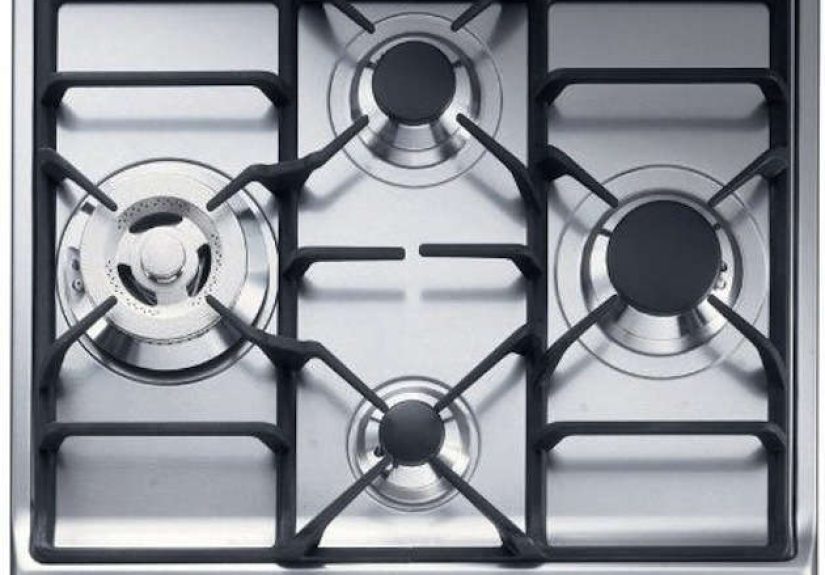
Some appliances quietly do their job. A Smeg Classic Design gas cooktop is not one of those appliances.
It shows up to your kitchen like it owns the placestainless steel gleaming, cast iron grates flexing,
knobs lined up like little Italian tuxedo buttonsthen it proceeds to cook dinner with that satisfyingly
old-school gas-flame swagger.
But a cooktop can’t live on looks alone (even if it does look like it belongs in a design museum).
Let’s break down what Smeg’s “Classic” gas cooktops are about, how they cook day-to-day, what to watch for
during installation, and whether the whole “classic Italian craftsmanship” vibe matches the way you actually
cook on a Tuesday at 7:19 p.m. when everyone is hungry and your patience is… lightly simmering.
What “Classic Design” Means (Besides “It’s Pretty”)
Smeg’s Classic line leans into clean, architectural stainless-steel styling with practical ergonomics:
sturdy grates, straightforward knobs, and a surface that looks at home in both modern and traditional kitchens.
It’s not “retro” in the pastel-fridge way; it’s more “tailored suit” than “costume party.”
Translation: you get a cooktop that’s meant to be seen, but also meant to be usedoften, hard, and without
babying it like a fragile art piece.
Quick Snapshot: What You Typically Get
- Sealed gas burners for easier wipe-downs and less mess inside the cooktop.
- Continuous cast iron grates for stable cookware and easier sliding between burners.
- Automatic electronic ignition so you’re not hunting for a lighter like it’s 1897.
- Gas safety valves / thermocouple protection designed to stop gas flow if the flame goes out.
- Multiple sizes and burner counts (commonly 24-inch and 36-inch, with 4 or 5 burners).
- Ultra-low profile installation on select models for a cleaner countertop look.
Burners and Power: The Part Where Cooking Gets Fun
Gas cooking is about immediacy: flame on, heat now, mood improved. Smeg Classic gas cooktops generally include
a mix of burners aimed at different jobsfast boiling, steady sautéing, and low simmeringso you’re not trying
to caramelize onions on a burner that only understands two settings: “off” and “volcano.”
High-heat burner for real work
Many Classic models include a stronger “ultra-rapid” or “super” burner intended for boiling big pots and
high-heat cooking. On some 30-inch and 36-inch configurations sold in the U.S., the featured high-output burner
is listed around the 13,700 BTU rangeplenty to get pasta water moving and to sear without
waiting for a small miracle.
Everyday burners for your actual life
The supporting burnersoften described as rapid or semi-rapidhandle your daily rotation: eggs, rice,
reheating soup, crisping tortillas, reducing sauces, melting chocolate (with supervision), and keeping
a gravy boat warm while you pretend you’re hosting a cooking show.
Simmering: the underrated test
High heat is easy to advertise. Low heat is where you learn whether a cooktop “gets you.” While the exact
low-end performance depends on the specific model and cookware, gas generally gives you continuous control,
and Smeg’s multi-burner layouts make it easier to keep a delicate simmer going while other burners run hot.
Surface, Grates, and Build: Why It Feels “Premium”
The visual hallmark is stainless steel, but the workhorse feature is the cast iron. Heavy-duty
cast iron grates add stabilityespecially for larger pansplus they retain heat and tolerate high temperatures
well. Continuous grates also make a difference in daily cooking because you can slide cookware instead of
deadlifting a Dutch oven full of chili like you’re training for a strongman competition.
Some Classic models note high-grade stainless construction (often referenced as AISI stainless steel in listings),
and Smeg frequently emphasizes durability and resistance at high temperatures. Practical takeaway: the surface is
designed for real cooking, not just staged “lemon and herb” countertop photos.
Controls and Safety: Knobs With a Job Description
Smeg Classic cooktops typically use straightforward knob controls, which many cooks prefer because you can adjust
flame levels quickly without tapping through menus. You turn a knob; the flame responds; you feel powerful.
Automatic ignition
Many models use automatic electronic ignition, which generally requires a standard electrical
connection (often 120V in U.S. specs) even though the cooktop is gas. This powers ignition and related components.
Flame failure / gas leak protection
Safety features commonly include thermocouple-based protection (often described as gas safety valves)
that are designed to stop gas flow if the flame is extinguished. It’s a behind-the-scenes feature that matters most
when something unexpected happenslike a boil-over that smothers the flame.
Installation Reality Check: Fit, Cutouts, and Ventilation
A cooktop is not a toaster. Installation details mattersometimes more than the “ooh shiny” moment.
Always check the exact spec sheet for your model, but here are the practical considerations that come up again and again:
1) Cutout dimensions and countertop compatibility
Cooktops require precise cutouts, and Smeg provides standard cutout guidance by model. Measure carefully, confirm
with your installer, and don’t assume your previous cooktop’s opening will match. “Close enough” is a phrase that
belongs in horseshoes, not countertops.
2) Gas type and conversion
Many Smeg gas cooktops are configured for natural gas but can be converted for LP (propane) with the proper kit
(often included in listings). Use a qualified professional for conversion and hookupthis is not a fun DIY weekend project.
3) Electrical connection
Even though you’re buying a gas cooktop, you’ll commonly need a standard electrical outlet nearby (often 120V)
to support electronic ignition.
4) Ventilation isn’t optional (for comfort, cleanliness, and indoor air)
Gas cooking produces combustion byproducts and moisture. A properly used range hoodideally vented to the outdoors
helps remove pollutants, odors, and excess humidity. If you’re upgrading your cooktop, it’s a perfect time to make
sure your hood setup is doing real work and not just performing interpretive dance above your stove.
How It Performs in Daily Cooking
A Smeg Classic Design gas cooktop is built for people who actually cook. Here’s what tends to stand out in day-to-day use:
Fast weeknight wins
High-output burners help you get to boiling quickly, and cast iron grates feel stable with bigger pots.
If your default dinner includes pasta, stir-fry, seared proteins, or anything that benefits from quick heat changes,
gas is an efficient partner.
Control for “almost done” moments
The ability to dial flame up or down instantly is a core advantage of gas. When your sauce goes from “needs five minutes”
to “one breath away from sticking,” quick flame control can save dinner.
Heat distribution and cookware choices
Gas cooktops reward good cookware. Thick-bottomed pans help with even heating, while warped pans (we all have one)
can cook unevenly no matter how fancy your cooktop is. If you’re investing in a premium cooktop, pairing it with
well-built pots and pans is the glow-up your kitchen deserves.
Cleaning and Maintenance: Keep It Gorgeous Without Losing Your Weekend
Sealed burners generally make cleanup easier because spills stay on the surface instead of dripping into the cooktop.
Still, gas cooktops have more parts than a smooth glass surface, so a realistic cleaning plan helps.
Best practice routine (simple, not heroic)
- Daily/after cooking: When cool, wipe the stainless surface and around burner areas with a soft cloth.
- Weekly: Lift off grates and burner caps, clean gently, dry thoroughly, and reassemble carefully.
- As needed: If burner ports clog, clean them carefully per manufacturer guidancegentle tools, no aggressive scraping.
Cast iron grates: don’t treat them like a bath toy
Many cleaning guides recommend soaking grates and caps in hot, soapy water, but uncoated cast iron can
rust if soaked or left wet. If you’re unsure whether your grates are coated, check the manual. Drying thoroughly matters.
Gas vs. Induction (and Why Some People Choose Gas Anyway)
Induction is fast, efficient, and easy to wipe down. Gas is tactile, flexible, and works with nearly any cookware.
If you love seeing the flame, cooking by feel, and adjusting heat instantly, gas still has a devoted following.
A practical point that comes up in real life: gas can keep cooking during a power outage (ignition methods vary),
while induction requires electricity. Your prioritiesspeed, cleanup, responsiveness, or resilienceshould drive the choice.
Who a Smeg Classic Gas Cooktop Is For
- Design-forward cooks who want a statement piece that still performs.
- People who cook often and appreciate continuous grates, stable cookware support, and real flame control.
- Home renovators aiming for a high-end look without going full commercial kitchen.
- Anyone upgrading from a basic cooktop who wants sturdier grates and a more premium feel.
Potential Downsides (Because Honesty Tastes Better)
- Cleaning is more involved than a smooth glass electric/induction surface.
- Ventilation matters more with gasif your hood is weak, you may notice it.
- Installation precision is critical: cutout dimensions, gas hookup, and possibly conversion for LP.
- Premium pricing means you should be sure you want both the look and the cooking style.
FAQ
Do Smeg Classic gas cooktops need electricity?
Commonly, yeselectronic ignition typically requires a standard electrical connection (often 120V in U.S. specs).
Are the burners sealed?
Many Classic models sold in the U.S. are listed with sealed burners, which helps contain spills on the surface and
simplifies wipe-down cleaning.
Can I use propane (LP) instead of natural gas?
Many listings indicate LP conversion kits are available or included, but conversion and installation should be handled
by a qualified professional and must follow local codes.
Do the cooktops have safety shutoff features?
Smeg commonly lists thermocouple-based protection (gas safety valves) designed to stop gas flow if a flame goes out.
Conclusion: The “Classic” Choice That Still Feels Current
A Smeg Classic Design gas cooktop is for people who want their kitchen to look intentional and cook confidently.
You get the visual polishstainless steel, sturdy grates, a clean layoutplus the everyday advantages of gas:
quick heat response and hands-on control.
If you cook frequently, value durable materials like cast iron grates, and enjoy the feel of cooking over flame,
Smeg’s Classic line is a compelling blend of performance and style. Just make sure your installation plan is solid,
your ventilation is doing its job, and your cleaning routine is practicalbecause the best-looking cooktop is the one
that still looks good after taco night.
Extra: of Real-World “Living With It” Experiences
Here’s what the experience of owning a Smeg Classic Design gas cooktop often feels likenot in the glossy “perfect kitchen”
sense, but in the normal-life sense where someone is asking where the spatula went while you’re trying not to burn garlic.
The first week: the honeymoon (with a side of learning curve)
The first thing most people notice is the physical confidence: heavy grates, pots that don’t wobble, knobs that turn with
a deliberate click. You’ll probably test every burner like a kid pressing elevator buttonsboil water here, simmer there,
“what happens if I crank this one?” It’s oddly satisfying to see flames respond instantly when you adjust the heat.
It also reveals your cookware habits fast: that slightly warped skillet you’ve tolerated for years? The flame will politely
expose it like a spotlight.
Weeknight dinners get faster (because heat shows up on time)
The high-output burner becomes your “get it done” zone: big pots, rapid boiling, quick sears. It’s the burner you use when
dinner is running late and you’re trying to catch up. Meanwhile, the medium burners handle the actual choreography of cooking:
one pan sautéing vegetables, another burner simmering rice, a third keeping sauce warm. The continuous grates matter more than
you’d expect hereyou can slide a pan out of the way for a second without lifting it, which is the kind of small convenience
you don’t appreciate until you’re juggling three dishes.
Hosting feels easier (and yes, people notice the cooktop)
If you host at all, the cooktop becomes a conversation piece. Someone will comment on the design. Someone else will inevitably
ask, “Is that Smeg?” (as if you were trying to keep it a secret). But the more meaningful hosting benefit is control: you can
keep a sauce at a gentle simmer while finishing steaks, or keep a pot of mulled cider warm without scorching it. Gas makes it
easier to cook multiple things at once because you can “feel” the heat changes and react immediately.
Cleaning becomes routine, not a drama
After a few messy meals, you’ll figure out your rhythm: quick wipe when cool, deeper clean on the weekend, and the occasional
“okay, we’re removing everything and making it sparkle” session. The grates are heavy, which is great for cooking and mildly
annoying for cleaningbut it also means they feel like they’ll last. The key is drying thoroughly after cleaning parts and
putting everything back correctly so flames stay even and ignition stays reliable.
The long-term vibe: you cook more because it’s enjoyable
This is the sneaky benefit of a high-quality gas cooktop: it makes cooking feel less like a chore and more like a craft.
You notice the small winshow quickly pasta water boils, how easily you adjust for a delicate sauce, how stable your pans feel.
Over time, it encourages you to try recipes that used to feel annoying: stir-fries, shallow frying, pan sauces, reductions.
It doesn’t magically make you a chef, but it does make your kitchen feel like a place where “let’s cook” is a reasonable plan,
not a threat.