Table of Contents >> Show >> Hide
- The Best Overall Wine for Fall Dessert? Tawny Port
- Why Sommeliers Keep Coming Back to It
- How Tawny Port Pairs with the Classics
- When Another Wine Might Win
- How to Serve Tawny Port Like You Know What You’re Doing
- Common Mistakes to Avoid
- What to Look for When Buying a Bottle
- The Fall Dessert Experience: Why This Pairing Feels So Special
- Final Verdict
Fall desserts are a little dramatic, and honestly, good for them. They arrive at the table wearing cinnamon, butter, toasted nuts, browned sugar, flaky crust, and enough cozy energy to make everyone suddenly speak in phrases like “just a sliver” before taking a wedge the size of a paperback novel. The only question is what to pour alongside them.
Ask enough wine professionals, chefs, and food editors, and one answer rises above the seasonal chaos: tawny Port. Not because it is the only good choice, and not because every dessert on Earth secretly wants to marry fortified wine, but because it is the most versatile bottle for the widest range of classic fall dessert wine pairings. If you want one bottle that can move from pumpkin pie to pecan pie to apple tart without breaking a sweat, tawny Port is the MVP in a sweater.
This article breaks down why tawny Port works so well, when another wine might beat it in a head-to-head matchup, how to serve it, what to buy, and why sommeliers keep circling back to it whenever the dessert table starts looking like an autumn Pinterest board brought to life.
The Best Overall Wine for Fall Dessert? Tawny Port
If your goal is to find the best wine for fall dessert, not just one pie or one tart, tawny Port is the smartest answer. It has the sweetness needed to stand up to dessert, the concentration to handle rich pastry, and the flavor profile to echo the ingredients that dominate autumn baking: caramel, nuts, dried fruit, baking spice, vanilla, toffee, and roasted notes.
That last point matters more than people think. A lot of wine pairing advice focuses on “red with meat, white with fish” style shortcuts. Dessert laughs in the face of shortcuts. Fall sweets are layered. Pumpkin pie is creamy and spiced. Apple crisp is fruity, buttery, and often caramelized. Pecan pie is a sugar-powered freight train with a nutty finish. Pear tarts can be delicate but still rich. Bread pudding is basically comfort wearing a fancy coat. Tawny Port has enough complexity to speak all of those flavor languages.
Unlike younger, fruitier ruby Port, tawny Port spends years aging in wood, which transforms it. Instead of tasting like a simple blast of berry sweetness, it develops notes of toasted almond, walnut, fig, raisin, orange peel, toffee, brown sugar, coffee, and warm spice. In other words, it tastes suspiciously like it was designed by a committee of pastry chefs and cardigan enthusiasts.
Why Sommeliers Keep Coming Back to It
1. It matches the sweetness rule
The biggest mistake people make with wine pairing for dessert is serving a wine that is less sweet than the dessert itself. That makes the wine taste thin, tart, or strangely bitter. Tawny Port avoids that trap. It has enough sugar and body to stay lush next to pies, crisps, cakes, and pastries instead of getting flattened by them.
2. It mirrors fall flavors beautifully
Great pairings often work because the wine either contrasts a dish or echoes it. Tawny Port does both. It contrasts rich pastry with warmth and lift, but it also mirrors autumn dessert notes beautifully. Caramel topping? Check. Toasted pecans? Check. Cinnamon and clove? Often yes. Baked apples? Absolutely. Brown butter? Now we’re flirting.
3. It can handle texture, not just flavor
Texture is where many wines tap out. Fall desserts are often dense, creamy, sticky, or buttery. Tawny Port has the viscosity and concentration to keep up. It does not disappear next to custard pie or get bullied by pecan filling. It has enough weight to feel intentional, not accidental.
4. It works across a whole dessert spread
This is the real selling point. If you are hosting a gathering and serving multiple desserts, tawny Port saves you from opening three different bottles and pretending that was the plan all along. It is not necessarily the number-one, gold-medal match for every single dessert in isolation, but it may be the best all-around option for the entire fall dessert table.
How Tawny Port Pairs with the Classics
Pumpkin pie
Here is where honesty matters: if you are pairing wine with only pumpkin pie, many experts reach for late-harvest Riesling, Gewürztraminer, or another sweet aromatic white because the honeyed fruit and acidity flatter the custardy texture and spice profile beautifully. But tawny Port still performs extremely well, especially if your pumpkin dessert includes brown butter, caramel, streusel, maple, pecans, or a deeper roasted flavor.
Think of tawny Port with pumpkin pie as the richer, moodier option. It is less “fresh orchard breeze” and more “fireside blanket with excellent opinions.”
Pecan pie
This is tawny Port’s home turf. Pecan pie and tawny Port are one of those pairings that make people nod after the first bite and sip as if they have suddenly understood tax law. The nutty, caramelized, buttery richness of pecan pie lines up almost perfectly with the wine’s toffee, walnut, dried fruit, and brown sugar notes. If the dessert table is pecan-heavy, you can stop reading and start pouring.
Apple pie, apple crisp, and galettes
Apple desserts often pair well with sparkling rosé, Moscato d’Asti, or late-harvest wines, especially when you want freshness and lift. But tawny Port becomes especially compelling when the dessert leans into caramelized apples, streusel topping, brown sugar, or buttery pastry. If your apple dessert smells like a bakery wearing a flannel shirt, tawny Port is in the right neighborhood.
Pear tart and spiced fruit desserts
Pear tart, apple-caramel tart, cranberry-apple crumble, and baked quince desserts all benefit from tawny Port’s dried-fruit and spice character. It adds depth without fighting the fruit. That makes it especially useful for hosts serving a mixed dessert menu where not everything is pie-shaped.
Bread pudding and spice cake
Bread pudding, pumpkin cake, spice cake, sticky toffee-style desserts, and maple-forward sweets are almost unfairly good with tawny Port. The wine’s oxidative aging notes make it taste mature, nutty, and slightly savory around the edges, which keeps very sweet desserts from feeling one-note.
When Another Wine Might Win
Calling tawny Port the best overall bottle does not mean it is undefeated. A few fall desserts may prefer something else.
For pumpkin pie purists
If the dessert is a classic pumpkin or sweet potato pie with silky custard, restrained sweetness, and warm spice, a late-harvest Riesling can be spectacular. The acidity keeps the pairing lively, and the honeyed fruit feels tailor-made for cinnamon, nutmeg, and clove.
For lighter apple desserts
If your apple dessert is bright, flaky, and less caramelized, Moscato d’Asti or a sweet sparkling wine can be a charming option. The bubbles freshen the palate and keep the pairing from becoming too heavy.
For chocolate-heavy desserts
Once chocolate becomes the star, especially dark chocolate, ruby Port or certain Madeiras may edge out tawny Port. Tawny can still work, but fruitier or more intensely sweet styles often have a little more swagger with chocolate.
Still, if the question is not “What is the single best wine for one exact dessert?” but rather “What should I serve with any fall dessert?” tawny Port stays on top because it handles the broadest range with the least fuss.
How to Serve Tawny Port Like You Know What You’re Doing
You do not need a sommelier certification, a candlelit cellar, or the ability to pronounce every French region flawlessly. You just need a few basics.
Serve it slightly cool
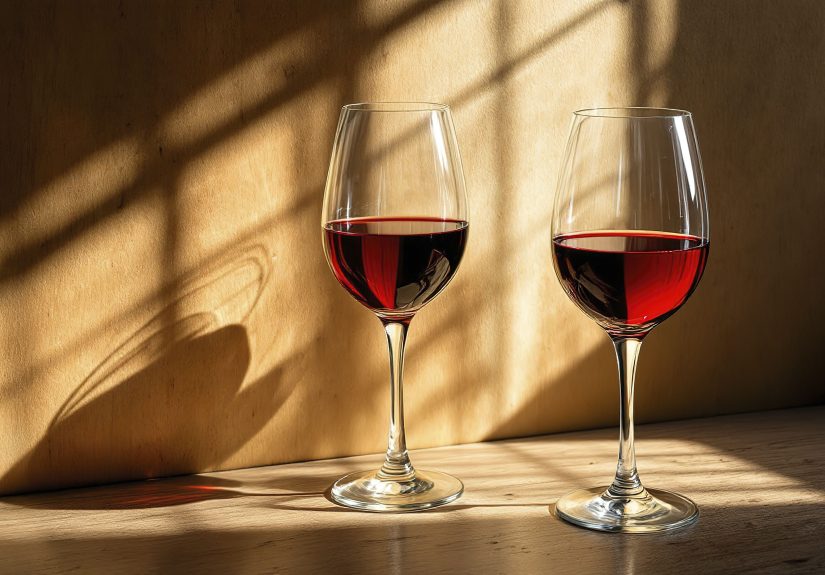
Tawny Port is best lightly chilled, not fridge-arctic and not room-temperature-radiator warm. Aim for cool cellar temperature. This keeps the sweetness polished and the alcohol from feeling too loud.
Use a small pour
This is not a giant goblet wine. It is rich and fortified, so a modest pour goes a long way. Think “graceful final act,” not “hydration strategy.”
Choose age with purpose
A 10-year tawny is often the sweet spot for value and complexity. A 20-year tawny feels more luxurious and layered, with deeper nut and dried-fruit notes. If you are serving casual apple crisp on a Tuesday, 10-year is fantastic. If Thanksgiving dessert is arriving with dramatic whipped cream peaks and family politics, 20-year has the gravitas.
Pair with toppings thoughtfully
Whipped cream, candied pecans, caramel drizzle, brûléed sugar, and brown butter sauces all push the dessert even closer to tawny Port’s comfort zone. Vanilla ice cream can work too, especially with apple desserts, because it softens the pairing and lets the wine’s nutty notes shine.
Common Mistakes to Avoid
Do not serve a dry red with dessert. That full-bodied Cabernet that behaved beautifully with the main course may turn sour and grumpy next to pie.
Do not over-chill the wine. If it is too cold, the aroma disappears and the sweetness feels flat.
Do not assume one dessert equals one universal pairing rule. Pumpkin pie is not pecan pie, and apple tart is not maple cake. The beauty of tawny Port is not that it makes differences vanish. It is that it handles those differences better than almost anything else.
Do not wait until the last minute. Dessert wine is often the forgotten bottle. People plan the turkey, the sides, the centerpiece, the pie shield, and somehow end up serving pie with whatever random white wine survived dinner. Your dessert deserves better than leftovers in a stemmed glass.
What to Look for When Buying a Bottle
Look for labels that say Tawny Port, 10 Year Old Tawny, or 20 Year Old Tawny. If you want the safest, most crowd-pleasing option, start with a 10-year. It offers enough complexity to feel special while staying affordable enough that you do not stare nervously at every refill.
Style matters more than brand prestige for most home pairings. You want notes like caramel, fig, roasted nuts, toffee, orange peel, dates, and baking spice. If a shop description sounds like a pastry chef wrote it after a very good nap, you are probably in the right section.
If you are shopping for a party, one bottle will stretch farther than a table wine because pours are smaller. That makes tawny Port a surprisingly smart entertaining move. It feels luxurious, tastes intentional, and lets you end the meal on a polished note instead of a chaotic sugar rush.
The Fall Dessert Experience: Why This Pairing Feels So Special
There is a reason people get emotional about autumn desserts. They are not just sweet things; they are memory machines. Pumpkin pie tastes like traditions, apple crisp smells like weekends, and pecan pie shows up with that glorious sticky confidence that says, “Yes, I contain an alarming amount of sugar, and no, I will not apologize.” Tawny Port fits this world because it tastes equally nostalgic. It is warm without being hot, sweet without being childish, and complex without demanding a lecture.
Pour a small glass next to a slice of still-warm apple pie and the room changes. The fruit in the dessert tastes deeper. The crust seems butterier. The cinnamon wakes up. Suddenly people stop hovering near the kitchen island and actually sit down. Someone tells a story they have told before, but better. Someone else asks for the bottle name. The dog positions himself beneath the least coordinated relative. It is a whole scene.
With pumpkin pie, the experience is quieter but just as lovely. The creamy filling and the Port’s nutty, caramel edge create a pairing that feels round and complete, especially when whipped cream is involved. It is less flashy than sparkling wine and more comforting. It tastes like the moment after the dishes are stacked but before anyone remembers the leftovers need containers.
Pecan pie is where the romance becomes obvious. One bite of sticky filling, toasted nuts, and flaky crust followed by a sip of tawny Port tastes so natural that it almost feels suspicious. The wine seems to pull hidden flavors out of the pie: browned butter, maple, toffee, a little coffee note, maybe even a hint of orange peel if your brain is feeling poetic. It is the kind of pairing that makes guests think you are more prepared than you were.
What makes the experience memorable is not just flavor harmony. It is rhythm. Tawny Port slows people down. Because the pours are small and the wine is rich, it encourages sipping instead of gulping. Dessert becomes less of a sugar sprint and more of an actual ending to the meal. That matters. In a season built around abundance, a pairing like this adds a little grace.
And maybe that is why sommeliers love it so much. Tawny Port does not chase attention. It just keeps making dessert taste more like itself. It flatters the spices, respects the pastry, handles the richness, and makes fall desserts feel slightly more grown-up without stealing their fun. That is a rare trick. And in a world full of pairings that are technically correct but emotionally boring, this one brings both brains and charm.
Final Verdict
If you are serving one specific dessert, there may be a more precise match. Late-harvest Riesling can be stunning with pumpkin pie. Moscato d’Asti can sparkle with apple tart. Madeira can be brilliant with nutty or caramel-driven pastries. But if you want the best wine to serve with any fall dessert, the bottle that handles the greatest variety of autumn sweets with the most confidence and pleasure, tawny Port is the winner.
It is sweet enough, complex enough, cozy enough, and flexible enough to move through the whole dessert spread without missing a beat. Which is exactly what you want in fall: a wine that shows up in a good coat, gets along with everyone, and somehow makes pie feel even more like a special occasion.