Table of Contents >> Show >> Hide
- Why Jiran’s Pet Tattoos Hit So Hard
- The Bigger Story: Pets Aren’t “Just Pets” Anymore
- Why Pet Portrait Tattoos Keep Trending
- Popular Ways People Turn Pets Into Tattoos
- What Makes a Great Pet Tattoo Design
- South Korea’s Tattoo Scene Adds Extra Meaning
- Before You Get a Pet Tattoo, Read This First
- Why This Trend Has Staying Power
- Conclusion
- Extended Feature: What the Experience of Getting a Pet Tattoo Really Feels Like
- SEO Tags
Some people frame photos of their pets. Some commission oil paintings. Some fill their phones with 14,000 nearly identical pictures of a sleeping dog and call it “organization.” And then there are the people who decide the highest possible honor is this: putting their furry, feathery, or gloriously grumpy companion right on their skin.
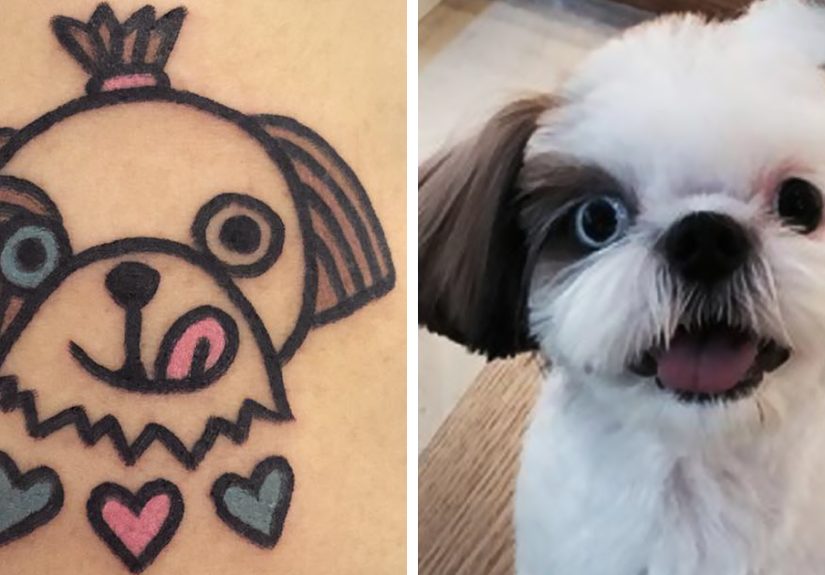
That’s exactly why the internet fell head over paws for Seoul-based tattoo artist Jiran, whose pet-inspired designs turn ordinary animal photos into playful, personality-packed tattoos. Instead of treating every dog or cat like a museum portrait that belongs under velvet ropes, Jiran leans into charm. The result is a style that feels whimsical, affectionate, and full of life. These aren’t stiff, overly serious replicas. They are tiny celebrations of what makes each pet ridiculous, lovable, and unforgettable.
And honestly, the timing makes perfect sense. Pets are more integrated into daily life than ever, and Americans increasingly treat them like family members, roommates, emotional support managers, and tiny household CEOs. In that kind of world, pet portrait tattoos don’t feel like a niche trend. They feel inevitable.
Why Jiran’s Pet Tattoos Hit So Hard
Jiran’s work stands out because it doesn’t chase realism at all costs. Plenty of tattoo artists can create impressive pet portraits that look like a photograph paused on skin. Jiran goes in a different direction. The tattoos are often based on client photos, but they are translated into simplified, cartoon-like compositions with bold outlines, soft colors, and a sense of humor that makes the pet’s personality the real star.
That approach matters. A tattoo of a pet should not just say, “Here is a technically accurate animal face.” It should say, “This is the goblin who stole socks, judged strangers, demanded snacks at 4:58 a.m., and somehow ran this household with an iron paw.” Jiran’s tattoos do exactly that. A corgi can look smug. A Chihuahua can look like it knows your tax secrets. A cat can radiate the emotional energy of a Victorian aristocrat who has never forgiven anyone for anything. That is art with range.
There is also something deeply smart about the design language. Cartoon-inspired tattoos often age gracefully because they rely on strong shapes and clear visual storytelling. They can preserve the spirit of the animal without requiring every microscopic whisker to survive the test of time. In other words, Jiran is not just making pet tattoos cute. The artist is making them memorable.
The Bigger Story: Pets Aren’t “Just Pets” Anymore
If pet tattoos seem more popular now than they did a decade ago, that is not your imagination talking. It is modern pet culture. In the United States, pet ownership remains massive, and the emotional bond between people and animals keeps deepening. That shows up everywhere: in wellness spending, pet birthday parties, premium treats, dog-friendly travel, custom portraits, memorial keepsakes, and yes, tattoos.
Once you understand how central pets have become to daily life, the popularity of pet ink stops being surprising. A pet tattoo is not merely decoration. It is biography. It can represent companionship, grief, comfort, chaos, loyalty, healing, or the kind of unconditional love that humans are still trying to replicate without the help of a leash and a bag of treats.
For some people, getting a tattoo of a living pet is a joyful tribute. For others, it is a memorial after loss. Both are valid, and both explain why pet tattoos have moved from novelty into a lasting category of body art. The modern owner does not just want something pretty. They want something personal.
Why Pet Portrait Tattoos Keep Trending
They feel personal without being generic
A rose is lovely. A snake is dramatic. A dagger says, “I have layers.” But a tattoo of your own pet? That belongs to you alone. Even when two people both get dog tattoos, the emotional meaning is entirely different. One might be a goofy golden retriever wearing a birthday hat. Another might be a quiet black-and-gray tribute to a senior cat who got someone through the hardest year of their life.
They work in multiple styles
Pet tattoos are incredibly flexible. Realism is still popular, but it is not the only option. Fine-line portraits can look elegant and delicate. Watercolor designs can add softness and motion. Minimalist silhouettes can feel understated and modern. Cartoon pet tattoos, like Jiran’s, are ideal for people who want affection, humor, and character more than pure photo replication.
They can be happy or memorial
One of the strongest things about a pet tattoo is its emotional range. It can celebrate a living companion, honor one who has passed, or do both at once by focusing on the bond itself. That flexibility is a big reason pet portrait tattoos continue showing up in trend reports and tattoo roundups year after year.
Popular Ways People Turn Pets Into Tattoos
Cartoon-style pet tattoos
This is where Jiran shines. The pet is recognizable, but the design is stylized, expressive, and playful. If your dog has “certified clown” energy or your cat behaves like a small, judgmental landlord, this style can capture that better than realism ever could.
Fine-line pet portraits
Fine-line work is ideal for smaller tattoos or subtle placements. It looks soft and polished, especially for owners who want a refined tribute rather than a bold statement piece.
Micro-realism
These tattoos aim for photographic detail on a smaller scale. They can be stunning, but they require a very skilled artist and careful placement. Not every tiny tattoo stays crisp forever, so choosing the right artist is essential.
Watercolor animal tattoos
Watercolor techniques can add movement, warmth, and a more painterly mood. This works especially well when the goal is not strict realism but emotional texture.
Paw print, nose print, or silhouette tattoos
For people who want something more symbolic, these options can feel intimate without being overly detailed. They are especially common for memorial tattoos.
What Makes a Great Pet Tattoo Design
The best pet tattoos start with a question that has nothing to do with ink: what exactly are you trying to remember? A face? An expression? A habit? A whole era of your life?
If the answer is, “I want the tattoo to look exactly like my pet,” choose a realism specialist. If the answer is, “I want it to feel like my pet,” a more stylized artist may be a better fit. That is part of what makes Jiran’s work so effective. The tattoos do not merely copy the pet’s appearance. They capture attitude.
Reference photos matter too. The best ones are sharp, well-lit, and emotionally revealing. A front-facing picture with clear eyes is helpful for portraits, but candid photos can be even more useful for stylized designs. Maybe your rabbit always sat like a loaf of bread with secrets. Maybe your senior beagle had a permanently concerned face. Maybe your cat’s whole personality can be summed up by one photo of it knocking over a glass and maintaining eye contact. Bring that image. That is the gold.
Placement is another major decision. Arms and thighs usually offer enough space for detail and tend to heal well. Ribs, hands, feet, and areas near joints can be trickier because they move more, wear faster, or simply hurt like the devil’s stationery set. A great artist will tell you when your dream placement is not doing your dream tattoo any favors.
South Korea’s Tattoo Scene Adds Extra Meaning
Part of the fascination around artists like Jiran comes from the context of South Korea’s tattoo culture. For decades, tattooing existed in a strange legal gray zone shaped by a 1992 court ruling that effectively limited legal tattooing to licensed medical professionals. That did not stop the art form from flourishing, but it did mean many tattoo artists worked under pressure, risk, and stigma.
That began to change in September 2025, when South Korea’s National Assembly passed the Tattooist Act, creating a path for non-medical tattoo artists to become licensed after a two-year transition period. For readers outside Korea, that legal shift makes artists like Jiran even more interesting. Their work is not just cute or viral. It is part of a broader creative culture that kept evolving even when the rules lagged behind reality.
So when people share Jiran’s pet tattoos online, they are not only reacting to adorable design. They are also responding to a scene where creativity persisted, adapted, and built a global audience anyway. That gives the work an extra layer of admiration.
Before You Get a Pet Tattoo, Read This First
Do not choose an artist based on “cheap” and “available tomorrow”
A pet tattoo is highly personal. This is not the time to gamble on someone whose portfolio looks like they borrowed their shading technique from a dying pen. Study healed work, not just fresh Instagram posts. Look for consistency in eyes, fur texture, line quality, and proportion.
Know that tattoos are still skin procedures
Romantic? Yes. Meaningful? Absolutely. Also a process that breaks the skin? Very much yes. Reputable medical guidance is clear: tattooing carries risks, including infection, irritation, and allergic reactions. Contaminated inks are also a real concern, which is why studio hygiene matters so much.
Healing takes longer than people think
The top layer of skin may look healed in a few weeks, but full healing can take much longer. During that time, aftercare is not optional. Clean the tattoo as directed, keep it moisturized with appropriate products, avoid picking at it, and protect it from excessive sun and soaking.
Watch for warning signs
Some redness and flaking are normal. Fever, worsening pain, spreading redness, unusual drainage, or a hot, angry-looking tattoo are not. If that happens, get medical care instead of asking the internet whether your arm is “just being dramatic.” Your skin deserves better than a comment section diagnosis.
Why This Trend Has Staying Power
Pet tattoos are not going anywhere because they sit at the intersection of three things people care about deeply: identity, memory, and visual storytelling. They can be funny. They can be beautiful. They can be quietly devastating. They can even be all three at once, which is honestly very on-brand for life with animals.
Jiran’s work proves that pet tattoos do not have to follow one formula. They can be whimsical instead of solemn. They can be bold instead of delicate. They can feel like a private joke shared between owner and animal. That flexibility is why the category keeps expanding. There is no single right way to carry a beloved pet with you. There is only the version that feels true.
And maybe that is the real magic here. A great pet tattoo is not just ink. It is evidence. Evidence that something small, furry, bossy, loud, soft, loyal, weird, or magnificently chaotic mattered enough to become permanent.
Conclusion
“South Korean Tattoo Artist Turns Your Pets Into Pawsome Tattoos” is a headline that sounds playful, but the story underneath it is surprisingly rich. Jiran’s work is charming because it understands a truth many pet owners already know: the most memorable thing about an animal is not perfection, it is personality. By translating pets into expressive, cartoon-inspired tattoos, Jiran creates body art that feels more alive than generic portrait work ever could.
At the same time, the trend reflects a much bigger shift. Pets are family. Their faces are on phones, mugs, holiday cards, and now, more than ever, skin. Whether the goal is celebration, remembrance, or simply carrying a beloved companion into the future, pet portrait tattoos offer a deeply personal way to do it. The best ones are technically strong, emotionally honest, and chosen with care.
So yes, these tattoos are pawsome. But they are also thoughtful, intimate, and revealing. They tell the world that love can be goofy, furry, slightly chaotic, and still worthy of becoming art.
Extended Feature: What the Experience of Getting a Pet Tattoo Really Feels Like
There is a very particular kind of emotion that comes with getting a tattoo of a pet, and it starts long before the needle does. It begins when you are scrolling through your camera roll, trying to choose one photo out of hundreds, maybe thousands. Suddenly you are not just picking an image. You are choosing a memory, a mood, a version of your companion that says, “This. This is the face I never want to lose.”
Maybe it is a dog with one ear flipped inside out after a nap. Maybe it is the cat who always sat in the kitchen doorway like a tiny bouncer. Maybe it is a rabbit, bird, or senior rescue pet whose whole story changed your life in ways you did not see coming. The process becomes emotional fast, because every good pet photo carries more than a visual. It carries a routine, a season, a smell, a voice, a chapter of your life.
Then comes the consultation, which is where excitement and vulnerability become roommates. You explain why this pet matters. You describe the expression that feels most “them.” You discover that translating a beloved animal into tattoo form is not just an artistic exercise. It is an act of interpretation. Do you want realism, so every detail feels preserved? Or do you want something more playful, like Jiran’s approach, where the design captures personality, energy, and mischief over exact replication?
On tattoo day, people often expect pain to be the main event. It is not. The bigger feeling is focus. You are aware that this image, once finished, will outlast apartments, jobs, hairstyles, trends, and probably several passwords. That permanence can feel grounding. For people honoring a pet who has passed, it can also feel unexpectedly healing. Grief is slippery. A tattoo gives it shape.
What surprises many people is how comforting the finished piece can be. You catch sight of it while washing your hands, waiting for coffee, or reaching for your keys, and there they are again. Not literally, of course. The tattoo does not bark, purr, zoom through the hallway, or steal chicken off the counter. But it does something quieter. It keeps the bond visible. It reminds you that the relationship happened, that it mattered, and that love leaves marks in more ways than one.
Even funny pet tattoos can hit hard emotionally. A cartoon version of your dog in a sweater might make strangers laugh, but for you it may also hold the memory of winter walks, chewed-up slippers, and the comfort of coming home to a creature who acted like you were the best thing that had ever happened. That is why pet tattoos can feel so powerful. They are not just about aesthetics. They are about attachment with a visual language attached to it.
In the end, the experience is less about getting inked and more about choosing what deserves to stay with you. For a lot of people, the answer is easy. It is the pet who made ordinary days better. The pet who showed up during loneliness, stress, heartbreak, or healing. The pet who became part of the architecture of daily life. Turning that bond into art is not excessive. It is honest.