Table of Contents >> Show >> Hide
- Quick reality check: Are you sure it was a spider?
- What spider bites usually look and feel like
- The U.S. spiders that matter most medically
- How to identify what bit you: a practical checklist
- Spider bite treatment at home: what actually helps
- When to get medical help (and when to call 911)
- What happens at urgent care or the ER
- Prevention: keep spiders outdoors and your skin un-bitten
- Myths that keep spider bites confusing
- FAQ: common questions people Google at 2 a.m.
- Experiences people commonly report (and what you can learn from them)
- Wrap-up: calm, clean, and know when to level up
You wake up with a mysterious red bump. It’s itchy. It’s angry. It’s judging you. Naturally, your brain jumps to:
spider bite. Because if there’s one thing humans love more than sleep, it’s blaming spiders for our skin drama.
Here’s the truth: most “spider bites” aren’t spider bites. Many are mosquito bites, bed bug bites, flea bites, allergic reactions,
irritation from plants, or even skin infections. Stillspider bites do happen, and a small number in the U.S. can be medically
important. This guide will help you figure out what likely bit you, what spider bites typically look like, what to do at home,
and when to get proper medical help (the sooner, the better).
Quick reality check: Are you sure it was a spider?
Spiders don’t roam around looking for human ankles the way mosquitoes do. Most spiders would prefer to avoid you, your loud footsteps,
and your suspiciously squishable vibe. Bites generally occur when a spider is trapped against skininside a shoe, in bedding, under
clothing, or when you reach into a dark corner, glove-free, like a horror movie extra.
So before you label your bump a spider bite, ask:
- Did you actually see a spider? (Even a blurry photo helps.)
- Is it one bump or several? Multiple bites in a row or cluster often point to bed bugs/fleas.
- Is it getting rapidly worse? Fast-spreading redness, warmth, and pus can suggest infection.
- Did you travel, camp, or stay somewhere new? New environments = new bite suspects.
If you didn’t see a spider, it’s still okay to treat the area as a “mystery bite” and monitor for warning signs. The goal isn’t to
win a trivia contest; it’s to heal safely and avoid complications.
What spider bites usually look and feel like
Most spider bites are mild and resemble other insect bites: a small red bump, mild swelling, tenderness, and itching. Some people
notice a pinprick sensation; many don’t feel anything until later.
Common (and misleading) “clues”
- Two puncture marks: Not reliable. Plenty of non-spider bites and skin irritations can look “double-dotted.”
- Blistering: Can happen with many bites, contact dermatitis, or minor burns/friction.
- Bruising or a dark center: Can occur from inflammation, scratching, or infectionnot just venom.
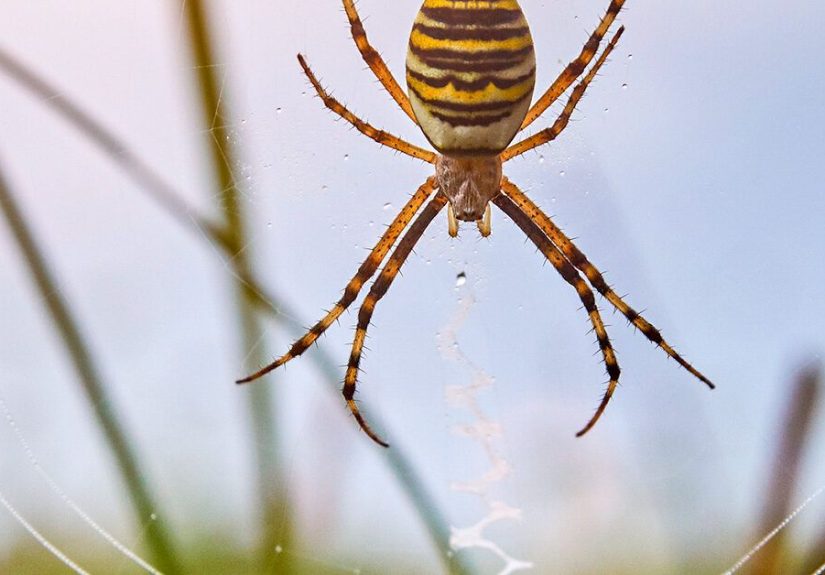
A true spider bite is easiest to confirm when you see the spider bite you or capture the spider safely for identification.
Otherwise, clinicians often diagnose based on symptoms, timing, geography, and what the wound is doing over hours to days.
The U.S. spiders that matter most medically
In the United States, two groups get most of the medical attention: widow spiders and recluse spiders.
Most other spiders cause localized irritation at worst.
Black widow bites: “My muscles are staging a protest”
Widow spider venom affects the nervous system. The bite can start as a sharp sting or pinprick, sometimes with mild redness. Within
a couple hours (sometimes sooner), more serious symptoms may develop:
- Intense muscle pain, stiffness, or cramping (often spreading beyond the bite)
- Abdominal pain or cramping that can feel alarmingly “internal”
- Sweating, nausea/vomiting, tremors, headache
- Restlessness, elevated heart rate or blood pressure (in more significant cases)
Serious outcomes are uncommon, but children, older adults, and people with significant health conditions can be at higher risk.
Medical treatment can include pain control, muscle relaxants, andrarelyantivenom.
Brown recluse bites: “Looks fine… until it doesn’t”
Brown recluse bites are often described as painless or mild at first. Over several hours, symptoms can evolve. The key concern is
local tissue injury (and, rarely, systemic illness).
Typical pattern people report:
- Redness and tenderness that slowly worsens
- A blister may form
- In some cases, a darkened center or open sore develops over days
- Healing can take weeks; scarring can occur
Brown recluse spiders are primarily found in the south-central and midwestern U.S., with occasional isolated introductions outside
that range. This matters because many “recluse bites” get blamed on spiders in areas where recluse spiders are uncommonwhile the real
culprit might be a skin infection or another condition.
Other spiders (wolf, jumping, house spiders): usually minor
Wolf spiders and many common house spiders can bite, but their bites are typically localized: pain, redness, swelling, maybe some itch.
If symptoms stay mild and improve with home care, it’s usually not an emergency.
How to identify what bit you: a practical checklist
Think like a detectiveminus the trench coat (unless you’re committed to the aesthetic).
1) Where were you when it happened?
- In bed: Spiders are possible, but bed bugs are a classic “wake-up bite” culprit.
- Putting on shoes/clothes: Spiders can get trapped in shoes, gloves, towels, or folded clothing.
- Outdoors near woodpiles, sheds, garages: Higher chance of widow encounters.
- Handling stored boxes/clutter: Higher chance of recluse exposure in endemic areas.
2) What does the timeline look like?
- Immediate sting + cramps later: More consistent with widow-type envenomation.
- Mild at first, worse over hours to days: Can be recluse-like, but also infection/other conditions.
- Itchy bumps that come and go: Often mosquitoes or allergic reactions.
- Rapidly expanding redness, warmth, tenderness: Think infection or cellulitisget evaluated.
3) Any systemic symptoms?
Feeling unwell matters. Fever, chills, widespread rash, severe muscle cramping, vomiting, dizziness, trouble breathing, or rapidly worsening
pain are all reasons to seek urgent medical advice.
4) Can you document it safely?
Take a clear photo of the area in good light. Consider drawing a pen line around the redness to track whether it’s spreading. If you can safely
capture the spider (without getting bitten again), a sealed container or a photo can help clinicians and Poison Control give more specific guidance.
Do not risk another bite just for the sake of “proof.”
Spider bite treatment at home: what actually helps
For mild bites (localized redness, itch, mild pain), home care is usually enough. Think: clean, cool, calm.
Step-by-step first aid
- Wash with soap and water.
- Cool compress (ice wrapped in cloth) for 10–15 minutes at a time, repeating as needed.
- Elevate the area if possible (especially for hand/foot bites).
- Manage symptoms with over-the-counter pain relievers as directed on the label.
- For itch: consider an oral antihistamine or topical anti-itch options (like hydrocortisone), if appropriate for you.
- Keep it clean. If skin breaks, an antibiotic ointment may help reduce infection risk. Don’t overdo itmore is not more.
What not to do
- Don’t cut the bite or try to “bleed out” venom.
- Don’t use suction devices or attempt to remove venom at home.
- Don’t apply extreme heat or harsh chemicals.
- Don’t ignore infection signs: increasing warmth, pus, red streaks, swelling, or worsening pain.
If you’re in the U.S., you can also call Poison Control at 1-800-222-1222 for free, expert adviceespecially if you suspect a black widow
or brown recluse bite, or if a child was bitten.
When to get medical help (and when to call 911)
If you’re unsure, it’s better to get guidance early. Seek urgent care or emergency evaluation if you have:
- Trouble breathing, swallowing, or facial/lip swelling (possible severe allergic reaction)
- Severe, spreading muscle pain or cramping (especially abdomen, chest, back)
- Rapidly worsening pain at the bite site
- Fever, chills, widespread rash, dizziness, fainting, vomiting that won’t stop
- Spreading redness, red streaks, pus, or significant swelling (possible infection)
- A bite on a young child, older adult, pregnant person, or someone immunocompromised
- A wound that darkens, blisters significantly, or forms an open sore
If symptoms are severe or progressing quickly, don’t wait. Emergency clinicians can provide pain control, monitor vital signs, and treat complications.
What happens at urgent care or the ER
Medical care for spider bites is usually supportivemeaning treatment is aimed at symptoms and preventing complications, not “neutralizing” every bite.
What that can look like:
Evaluation
- History and physical exam (where you were, what you saw, symptom timeline)
- Vitals monitoring if systemic symptoms are present
- Wound assessment and infection check
Treatment options clinicians may use
- Pain relief and, for widow bites, sometimes medications for muscle spasms
- Tetanus booster if you’re not up to date
- Wound care and follow-up instructions
- Antibiotics if there’s evidence of infection (not automatically for every bite)
- Antivenom (rare, typically reserved for more severe widow envenomation)
For suspected recluse bites, clinicians often focus on careful wound care and monitoring. Surgery is not usually immediate; if tissue damage occurs,
decisions about debridement are typically made after the wound declares itself over time.
Prevention: keep spiders outdoors and your skin un-bitten
You don’t need to declare war on spiders (they eat plenty of pests), but you can reduce surprise encounters:
- Shake out shoes, gloves, towels, and clothing that’s been on the floor or stored
- Wear gloves when handling firewood, boxes, stored items, or working in garages/sheds
- Reduce clutterespecially in closets, basements, garages, and under beds
- Seal cracks and gaps around doors, windows, and foundations
- Keep beds slightly away from walls and avoid storing items under the bed in endemic areas
- Use sticky traps in garages/basements if you suspect indoor spider activity
Myths that keep spider bites confusing
Myth: “If it’s nasty, it’s definitely a spider bite.”
Reality: many skin infections and inflammatory conditions can look dramatic. “Necrosis” isn’t a spider-only phenomenon.
Myth: “Spiders bite all the time.”
Reality: most spiders avoid humans. Bites are usually defensive and accidental.
Myth: “You’ll always see the spider.”
Reality: you often won’t. That’s why it’s important to focus on symptoms and progression rather than certainty.
FAQ: common questions people Google at 2 a.m.
Do I need antibiotics for a spider bite?
Not automatically. Antibiotics are used when there’s evidence of bacterial infection (pus, worsening warmth/redness, fever, spreading).
Taking antibiotics “just in case” isn’t always helpful and can cause side effects.
Should I pop a blister?
Generally, no. Blisters can protect underlying skin. Keep the area clean, covered if needed, and ask a clinician if blistering is significant.
How long does a spider bite last?
Many mild bites improve within a few days and resolve within about a week. More significant bitesespecially recluse-associated woundscan take
longer and may scar. If the bite worsens instead of improves, get evaluated.
What’s the fastest way to know if it’s a black widow or brown recluse?
The fastest way is seeing the spider (or having a clear photo) plus matching symptoms. Widow bites tend to cause bodywide muscle symptoms; recluse
bites tend to cause progressive local wound issues. But overlap and look-alikes existwhen in doubt, get professional input.
Experiences people commonly report (and what you can learn from them)
Below are real-world patterns people often describe when they suspect a spider bite. Think of these as “experience-based scenarios” that highlight
how bites happen, what symptoms feel like, and when getting help made a difference.
1) “I put on my gardening glove and regretted it immediately.”
A very common story starts with yard work: gloves left in a shed, shoes by the back door, or a towel tossed in a garage. People describe a sudden
stingsometimes mild, sometimes sharpfollowed by a growing ache. The smartest move in these stories is usually not the perfect identification of the
spider, but the early first aid: washing the area, icing it, elevating the hand, and taking a photo in good light.
When symptoms stay localized, most folks report improvement over a couple of days. The “lesson learned” is predictable: shake out gloves and shoes,
and don’t store your gardening gear in spider-friendly chaos piles (spiders adore chaos piles).
2) “It didn’t hurt… then my skin started acting weird.”
Another pattern: a bump that seems minor at first, then becomes more painful, swollen, or blistered over 24–72 hours. People sometimes describe a
pale center with a red ring, or a sore that looks worse than it feelsuntil it suddenly feels worse, too. In these accounts, the biggest turning point
is often recognizing that a worsening lesion needs evaluation, because the causes can include infection, irritant reactions,
or (less commonly) a recluse-type bite in the right geographic region.
People who did best tended to do two things: (1) avoid aggressive home “procedures” (no cutting, no chemicals, no internet potions), and (2) get seen
when the wound progressed rather than waiting for it to magically reverse course.
3) “I thought it was nothingthen the cramps hit.”
The most distinctive experiences are those that sound like classic widow envenomation: a bite that may start as a pinprick, followed by spreading muscle
pain, cramping, sweating, nausea, or abdominal tightness. People sometimes say it felt like the world’s worst charley horseexcept it traveled.
In these stories, calling Poison Control or going to urgent care/ER led to symptom-focused care (pain control, meds for muscle spasms, monitoring),
and most describe feeling significantly better within a day or two.
The “lesson learned” here isn’t to memorize spider anatomy; it’s to respect systemic symptoms. If your bite seems to have upgraded from “skin problem”
to “whole-body problem,” it’s time for professional help.
4) “Everyone told me it was a spider biteturns out it wasn’t.”
Many people report being told (by friends, family, or their own confident late-night self) that a painful bump was a spider bite, only to learn it was
something else: an infected hair follicle, a small abscess, cellulitis, shingles, or an allergic reaction. This is incredibly common and explains why
clinicians often hesitate to label a wound a “spider bite” unless there’s a clear story and supportive findings.
The takeaway is reassuring: you don’t need 100% certainty to take the right next step. Clean it, cool it, don’t pick at it, and seek care if it worsens,
spreads, or makes you feel sick. Correct treatment beats correct guesswork every time.
Wrap-up: calm, clean, and know when to level up
Most spider bites are minor. The tricky part is that many non-spider problems look like bites, and a small number of spider bites can be serious.
If you’re trying to identify what bit you, focus on symptom pattern, timeline, and geography.
For mild symptoms, home care (wash, ice, elevate, symptom relief) is usually enough. If you develop severe pain, systemic symptoms, spreading redness,
or a worsening wound, get medical help. And if you’re in the U.S., Poison Control (1-800-222-1222) is a solid first call when you’re unsure.