Table of Contents >> Show >> Hide
- Why Fast Treatment Matters More Than Almost Anything Else
- Step 1: Emergency Stroke Evaluation at the Hospital
- Medications for Ischemic Stroke
- Procedures and Surgery for Ischemic Stroke
- Treatment for Hemorrhagic Stroke
- Recovery After Stroke: The Part People Don’t Talk About Enough
- Preventive Strategies: How to Lower the Risk of a First or Second Stroke
- Common Questions About Stroke Treatment
- Experiences From Real Life: What Stroke Treatment Often Feels Like (Extended Section)
- Conclusion
Stroke treatment is one of those situations where “I’ll deal with it later” is a terrible life strategy. A stroke can damage brain tissue within minutes, and the faster treatment starts, the better the odds of survival and recovery. The good news: modern stroke care has come a long way. Today, treatment may include clot-busting medications, catheter-based procedures, surgery, and long-term prevention plans that dramatically reduce the risk of another stroke.
This guide breaks down the real-world treatment path for both ischemic stroke (a blocked blood vessel) and hemorrhagic stroke (a bleeding blood vessel), plus the prevention steps that help protect your brain for the long haul. We’ll also cover recovery and everyday experiences, because stroke care does not end when the ambulance leaves the hospital driveway.
Why Fast Treatment Matters More Than Almost Anything Else
Stroke care is a race against time. If someone has sudden facial drooping, arm weakness, speech trouble, vision changes, balance problems, or confusion, call 911 immediately. Do not “wait and see.” Do not drive yourself if symptoms are active. EMS can start the care process early and help route patients to a stroke-capable hospital.
Hospitals need to know when symptoms started because many stroke medications and procedures are time-sensitive. In other words, “about lunchtime-ish” is less helpful than “12:40 p.m.” If you’re with someone who may be having a stroke, check the time and remember it. That one detail can affect treatment options.
Step 1: Emergency Stroke Evaluation at the Hospital
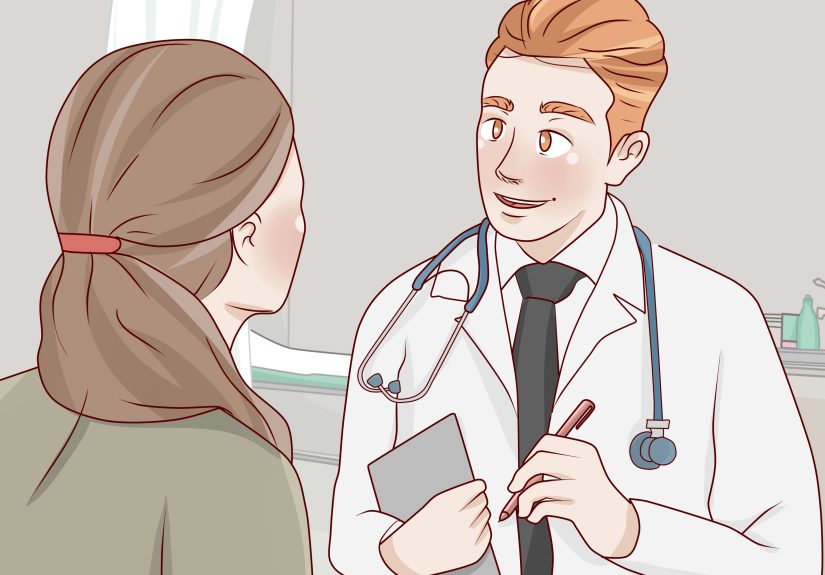
Once the patient arrives, the team moves fast to answer one question: Is this an ischemic stroke or a hemorrhagic stroke? The treatments are very different, so doctors typically use imaging (often a CT scan) right away to check for bleeding or blockage.
Stroke care often involves a team: emergency physicians, neurologists, neurosurgeons, radiology staff, nurses, and rehab specialists. The early goal is simple but urgent: restore blood flow (for ischemic stroke) or stop bleeding and reduce pressure (for hemorrhagic stroke).
Medications for Ischemic Stroke
Ischemic strokes are the most common type. They happen when a blood clot or plaque blocks blood flow to part of the brain. The main treatment strategy is to reopen the vessel quickly and protect brain tissue.
1) Clot-Busting Medicine (tPA / Thrombolytics)
A major treatment for eligible patients is a clot-busting medicine often called tPA (tissue plasminogen activator). It is given through an IV and works by dissolving the clot blocking blood flow to the brain.
Timing matters. tPA is most effective when given early, and many hospitals use a treatment window of up to about 4.5 hours in selected patients. The sooner it is given, the better the chance of a better recovery and less disability. This is why stroke teams ask about symptom timing immediatelysometimes before you’ve even had a chance to finish your sentence.
Some newer guidelines and stroke centers also discuss tenecteplase for certain eligible patients with acute ischemic stroke, especially in modern stroke systems focused on rapid treatment and transfer workflows. Not every patient is a candidate, but it’s part of today’s evolving stroke-care toolbox.
2) Antiplatelet and Blood-Thinning Medications
If a patient is not eligible for clot-busting therapyor after the emergency phasedoctors may use medications that reduce clotting risk. These may include:
- Antiplatelet medications (such as aspirin or other platelet-blocking drugs), often used for many non-cardioembolic strokes
- Anticoagulants (blood thinners), often used when stroke risk is linked to conditions like atrial fibrillation
These medications are not “one-size-fits-all.” The right choice depends on the stroke type, what caused it, bleeding risk, heart rhythm findings, and imaging results. This is one reason stroke treatment should be personalized and monitored carefully by a clinician.
Procedures and Surgery for Ischemic Stroke
1) Mechanical Thrombectomy
If a large artery in the brain is blocked, doctors may perform a mechanical thrombectomy. This is a minimally invasive procedure where a specialist threads a catheter (usually from an artery in the groin or upper leg) up to the blocked vessel and removes the clot using a device such as a stent retriever or aspiration system.
In plain English: it’s like sending in a tiny rescue team through the blood vessels to pull out the blockage. For the right patient, thrombectomy can be life-changing and is now a cornerstone of treatment for large-vessel occlusion stroke.
Many stroke systems now focus on rapid transfer to thrombectomy-capable centers, because specialized access can make a major difference in outcomes.
2) Carotid Procedures to Reduce Future Stroke Risk
If the stroke is linked to severe narrowing in the carotid artery (the major artery in the neck), doctors may recommend a procedure to improve blood flow and lower future risk. Common options include:
- Carotid endarterectomy (CEA) – surgery to remove plaque from the carotid artery
- Carotid artery stenting (CAS) – a catheter-based procedure that uses a stent to help keep the artery open
- Other vascular approaches (such as transcarotid techniques in selected centers)
These procedures are not emergency treatment for every stroke patient, but they are often part of a prevention-focused plan after the acute crisis, especially when carotid stenosis is a major cause.
Treatment for Hemorrhagic Stroke
Hemorrhagic stroke happens when a blood vessel leaks or ruptures, causing bleeding in or around the brain. The treatment goals are different from ischemic stroke:
- Stop or control the bleeding
- Reduce pressure in the brain
- Stabilize blood pressure and breathing
- Prevent complications such as swelling, vasospasm, or another bleed
1) Medications Used in Hemorrhagic Stroke
Medication treatment may include:
- Blood pressure medications to reduce pressure and strain on brain vessels
- Reversal strategies for blood thinners if the patient was taking anticoagulants
- Medicines to reduce complications such as seizures or blood vessel spasm (depending on the stroke type and clinical situation)
- Supportive medications as needed for pain, fever, or ICU-level stabilization
Doctors may also stop certain medications that increase bleeding risk while the bleeding source is being controlled. This is one of the reasons stroke care needs careful in-hospital monitoringnot just a prescription and a “good luck.”
2) Surgery and Procedures for Hemorrhagic Stroke
Hemorrhagic strokes often require procedures or surgery, especially if bleeding is large, pressure is rising, or an aneurysm/AVM is involved.
Common surgical or procedural treatments include:
- Surgical clipping – a neurosurgeon places a small clip at the base of an aneurysm to stop blood flow into it
- Coiling (endovascular embolization) – a catheter-based procedure that places coils into an aneurysm to block blood flow and promote clotting
- Draining excess fluid – used when fluid buildup increases pressure inside the skull
- Decompressive surgery – temporarily removing part of the skull in severe swelling to relieve pressure
- AVM treatment – surgery, endovascular treatment, or focused radiation for arteriovenous malformations
- Hematoma evacuation – removing pooled blood in selected patients when worsening symptoms or pressure require it
Hemorrhagic stroke recovery can be intensive and may require ICU care, close neurological monitoring, and rehabilitation after the bleeding is controlled. It is often a marathon, not a sprint.
Recovery After Stroke: The Part People Don’t Talk About Enough
Once the emergency phase is over, stroke treatment shifts into recovery mode. This stage matters just as much as the first few hours, because rehabilitation can improve mobility, speech, swallowing, independence, and quality of life.
Rehabilitation Often Starts Early
Many patients begin rehab in the hospital within a day or two, depending on stability. Rehab may include:
- Physical therapy (PT) for strength, walking, balance, and mobility
- Occupational therapy (OT) for dressing, bathing, and daily living skills
- Speech-language therapy (SLP) for speaking, communication, and swallowing
- Neuropsychological support for attention, memory, and emotional changes
Stroke survivors may also need home safety changes, caregiver support, fall prevention planning, and follow-up care. Depression after stroke is common and treatable, so emotional recovery should be treated like medical recoverynot an afterthought.
Preventive Strategies: How to Lower the Risk of a First or Second Stroke
Stroke prevention is where medicine, lifestyle, and common sense all meet at the same table. Both first-time stroke prevention (primary prevention) and prevention after a stroke or TIA (secondary prevention) usually involve a combination of medication and behavior changes.
1) Medication-Based Stroke Prevention
The best prevention medications depend on the person’s risk factors and the cause of the stroke. Common categories include:
- Blood pressure medicines (high blood pressure is one of the biggest stroke risk factors)
- Statins and other cholesterol-lowering drugs to manage LDL cholesterol and reduce vascular risk
- Antiplatelet medications for many non-cardioembolic strokes
- Anticoagulants for atrial fibrillation or other cardioembolic stroke risks (when appropriate)
- Diabetes medications to improve blood sugar control
Clinical stroke prevention checklists also emphasize individualized targets for blood pressure, cholesterol, and diabetes control, plus medication adherence. Translation: the meds only work if they’re actually taken.
2) Lifestyle Changes That Actually Move the Needle
Lifestyle changes can sound boring until you realize they can help prevent brain injury, disability, and death. Suddenly, “eat more vegetables” starts sounding less like a scolding and more like a pretty solid deal.
Key stroke-prevention habits include:
- Eat a heart-healthy diet (more fruits, vegetables, fiber; less saturated fat, trans fat, and excess sodium)
- Exercise regularly (consistent movement helps blood pressure, cholesterol, weight, and glucose control)
- Quit smoking (and avoid secondhand smoke when possible)
- Limit alcohol (heavy drinking can raise blood pressure and stroke risk)
- Maintain a healthy weight
- Sleep well and ask about sleep apnea if symptoms suggest it
- Follow up with your doctor instead of disappearing after discharge
3) Control the Medical Conditions That Drive Stroke Risk
Prevention is not only about lifestyle. Stroke risk often climbs because of untreated or undertreated conditions. The major ones include:
- High blood pressure (often silent, very common, very important)
- Atrial fibrillation (irregular heartbeat that can send clots to the brain)
- High cholesterol
- Diabetes
- Carotid artery disease
- Heart disease
- Sleep apnea (often overlooked, but relevant for vascular risk)
If you’ve already had a stroke or TIA, your risk of another stroke is higherespecially early onso secondary prevention should start quickly and be taken seriously.
Common Questions About Stroke Treatment
Can stroke be treated completely?
Some people recover very well, especially with fast treatment and rehab. Others may have long-term effects. Recovery depends on the type of stroke, how much brain tissue was affected, how quickly treatment started, and whether complications occurred.
Is surgery always required?
No. Many ischemic strokes are treated with medications and/or catheter procedures, and some strokes are managed mainly with medical therapy plus rehab. Surgery is more common in certain hemorrhagic strokes and selected prevention situations (such as carotid surgery or aneurysm repair).
What is the best preventive treatment after stroke?
The best plan is an individualized plan. It usually combines medication, risk-factor control, and long-term lifestyle changes. There is no universal “best pill” for everyone.
Experiences From Real Life: What Stroke Treatment Often Feels Like (Extended Section)
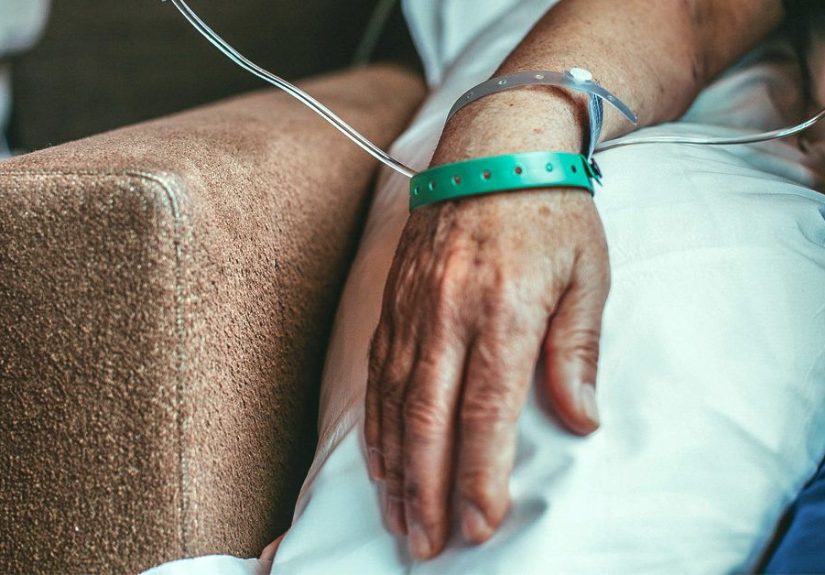
The medical side of stroke treatment is critical, but the human side is what people remember. Many survivors describe the early hours as a blur of alarms, scans, and people asking the same question again and again: “When did this start?” At the time, it can feel repetitive. Later, families realize those questions were not randomthey were deciding which treatments were possible.
One common experience is surprise. A person may think the symptoms are “just fatigue,” “a weird migraine,” or “my hand fell asleep.” Then the speech slurring starts, or one side of the face droops, and the room changes instantly. Families who call 911 quickly often say the ambulance ride felt terrifying, but also oddly reassuring: the moment professionals took over, the panic turned into a plan.
Survivors who receive clot-busting treatment or thrombectomy sometimes describe dramatic improvement, but not always immediate perfection. That is an important point. Stroke recovery is not a movie scene where everything resets in 10 seconds. Some people improve fast, while others need months of therapy to regain walking, speech, or hand function. Progress can be uneventwo good days, one frustrating day, then another small breakthrough.
Caregivers also go through a lot. They are often managing medications, appointments, home safety, emotional support, and paperwork while trying to act calm. (No one warns you that stroke recovery comes with a side quest called “insurance forms.”) Many caregivers say the most helpful thing they learned was to keep a notebook: medication lists, blood pressure readings, therapy goals, and questions for each doctor visit.
Another common experience is emotional whiplash. Stroke survivors may feel grateful, angry, embarrassed, motivated, exhausted, and hopefulall in the same week. Depression and anxiety are not rare after stroke, and they do not mean the person is “weak.” They mean the brain and body have been through a major event. Good stroke care includes mental health support, not just physical rehab.
People in rehab often talk about how “small wins” become huge wins. The first clear sentence. The first full meal after swallowing therapy. The first time standing without help. The first walk to the mailbox. These moments may look small to outsiders, but they are milestones. Therapists know this, and great rehab teams celebrate progress without pretending recovery is easy.
Families also learn that prevention becomes part of daily life. Blood pressure checks become routine. Medications get organized in pill boxes. Follow-up visits matter more. Many survivors say they changed their diet and activity not because someone lectured them, but because stroke made the risk feel real. In that sense, prevention stops being abstract and becomes practical: less salt, more walking, better sleep, and fewer “I’ll start next Monday” promises.
The most encouraging pattern across many stroke stories is this: recovery can continue longer than people expect. Improvements may happen for months, sometimes longer, especially when rehab is consistent and risk factors are managed. Stroke treatment is not just one drug, one surgery, or one hospital day. It is a full continuumemergency response, acute care, rehabilitation, prevention, and support. And when that whole system works together, people can regain far more than they thought possible.
Conclusion
Stroke treatment today is more advanced than ever, but the biggest factor is still speed. For ischemic stroke, emergency medications and clot-removal procedures can restore blood flow and reduce disability. For hemorrhagic stroke, blood pressure control, reversal of blood thinners, and surgery or endovascular procedures can stop bleeding and relieve pressure. After the emergency, rehabilitation and prevention take overand that is where long-term outcomes are often won.
If there is one takeaway to remember, it is this: stroke is an emergency, and stroke prevention is a daily habit. Quick action saves brain tissue. Consistent follow-up saves futures.