Table of Contents >> Show >> Hide
- First, the one rule that beats every “minutes per pound” chart
- Stuffed turkey roasting time at 325°F (the classic oven temp)
- Stuffing safety (aka: how not to turn dinner into a science experiment)
- Turkey prep that actually changes roasting time
- Step-by-step: how to roast a stuffed turkey without losing your mind
- Common problems and the fixes
- Stuffed turkey cooking tips that make a real difference
- Quick checklist: stuffed turkey success
- Real-world experiences: what usually happens in actual kitchens (and what people learn)
- Conclusion
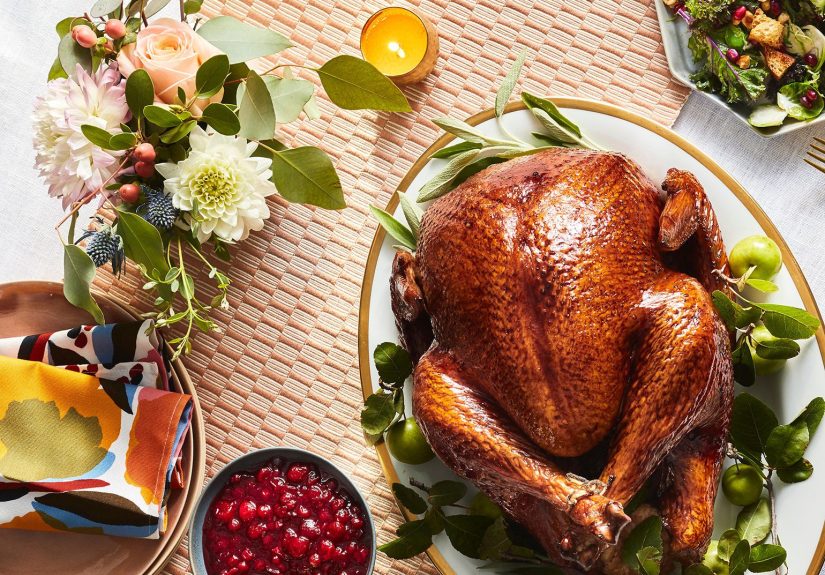
Stuffed turkey is basically the Thanksgiving final exam: it looks impressive, it raises the stakes, and it will absolutely
humble anyone who thinks “close enough” is a temperature setting. The good news? Roasting a stuffed turkey isn’t mysterious.
It’s math, heat, and a food thermometer doing its job like a tiny superhero in your apron pocket.
This guide covers realistic roasting times, the biggest “why is my turkey doing that?” problems, and the safety rules that
keep your stuffing delicious (instead of sketchy). Expect practical tips, a little humor, and zero vibes-based cooking.
First, the one rule that beats every “minutes per pound” chart
Roasting time charts are estimates. The only true finish line is internal temperature. For a stuffed turkey, both:
- The turkey meat must reach 165°F, and
- The center of the stuffing must also reach 165°F.
If you stop early because the pop-up timer popped, your stuffing may still be playing hide-and-seek with safe temperatures.
(Pop-up timers are better than nothing, but they’re not “bet the whole dinner” reliable.)
Stuffed turkey roasting time at 325°F (the classic oven temp)
Most official guidance uses 325°F for roasting whole turkey. Below is a widely used timetable for
stuffed turkey at 325°F. Treat it like a travel estimate: helpful, but traffic exists.
| Turkey Weight | Estimated Time (Stuffed, 325°F) |
|---|---|
| 8–12 lb | 3 to 3½ hours |
| 12–14 lb | 3½ to 4 hours |
| 14–18 lb | 4 to 4¼ hours |
| 18–20 lb | 4¼ to 4¾ hours |
| 20–24 lb | 4¾ to 5¼ hours |
Rule of thumb: at 325°F, many cooks plan about 15–20 minutes per pound, leaning toward
the higher end when the bird is stuffed. Use it for scheduling, not for declaring victory.
Why stuffed turkey takes longer
Stuffing acts like insulation inside the cavity. Heat has to travel through turkey meat and the stuffing to reach
the center. That slows cooking and often tempts people to crank the oven, which can burn the skin before the stuffing is safe.
Stuffing safety (aka: how not to turn dinner into a science experiment)
If you only read one section, read this one. Stuffing inside poultry has two challenges:
it heats slowly and it’s in the “danger zone” longer if you prep it wrong.
Do this when stuffing a turkey
- Stuff immediately before roasting. Don’t pack the bird and let it wait around.
- Use a food thermometer to check the center of the stuffing: it must hit 165°F.
- Stuff loosely. Air pockets help heat move through. Overpacking makes a cold center.
- Estimate quantity: about ½ to ¾ cup of stuffing per pound of turkey.
- Remove stuffing promptly once the turkey is done, then serve hot.
A safer (and often tastier) alternative: bake it separately
If you want the lowest-stress path, bake “dressing” in a casserole dish. You get a crisp top, fewer timing headaches,
and you avoid the classic stuffed-turkey dilemma: stuffing safe vs. breast meat dry.
Want turkey flavor anyway? Spoon a little pan drippings over the baked stuffing right before serving. That’s the best of both worlds.
Turkey prep that actually changes roasting time
Roasting time isn’t just weight. Here are the variables that make two “same-size” turkeys cook differently:
- How cold the turkey is when it goes in (partially frozen birds take longer)
- Stuffing density (loose vs. packed)
- Roasting pan depth (deep pans reduce airflow and slow browning)
- Oven accuracy (some ovens lie like it’s their hobby)
- Convection vs. conventional (convection often cooks faster)
Thawing timeline (so you’re not panic-roasting at midnight)
The refrigerator method is the safest and most predictable: plan about 24 hours for every 4–5 pounds.
Cold-water thawing is faster (about 30 minutes per pound) but requires changing water regularly and cooking
immediately afterward.
Step-by-step: how to roast a stuffed turkey without losing your mind
1) Skip the rinse
Don’t wash raw turkey. It doesn’t “clean” the birdit spreads germs around your sink and counters. Pat dry with paper towels instead.
2) Season smarter, not harder
Salt is your friend. Whether you dry-brine (salt the bird 12–24 hours ahead) or season right before roasting,
make sure you salt the thick areas (breast and thighs). If you use herb butter under the skin, keep it thintoo much can
melt and leave bald patches.
3) Stuff right before roasting
Mix your dry ingredients in advance if you want, but add broth, butter, eggs, and other moist ingredients right before stuffing.
Spoon stuffing into the cavity loosely. If stuffing is bulging like it’s trying to escape, you packed it too tight.
4) Set up your pan like a pro
- Use a sturdy roasting pan and a rack (or a bed of onions/carrots/celery if you don’t have a rack).
- Add a bit of liquid to the pan (broth or water) to prevent drippings from scorching early.
- Tuck wing tips under the bird so they don’t burn and make the turkey look like it tried to fly away.
5) Roast at 325°F, then manage the browning
Roast at 325°F. If the skin gets too dark before the turkey is done, loosely tent with foil.
(Loose = airflow; tight = steamed, soggy disappointment.)
6) Use thermometers in the right places
Check temperature in multiple spots:
- Breast: deepest part, avoiding bone
- Thigh: innermost part near where thigh meets body, avoiding bone
- Stuffing: center of the cavity stuffing
Your goal is 165°F minimum for all of them. Dark meat often becomes more tender at higher temps, but don’t
sacrifice stuffing safety for “it looks done.”
7) Rest the turkey (yes, it matters)
Let the turkey rest for about 20 minutes before carving. Resting helps juices redistribute and makes carving less chaotic.
While it rests, remove stuffing to a serving dish and keep it hot.
Common problems and the fixes
“My turkey is done but the stuffing isn’t.”
- Fix now: Remove the turkey, scoop stuffing into a baking dish, and bake until it reaches 165°F.
- Fix next time: Stuff more loosely and don’t overfill; consider baking stuffing separately.
“The skin is getting too brown but the temps are low.”
- Tent with foil and keep roasting.
- Confirm oven temp with an oven thermometeryour dial may be optimistic.
- Use a shallower pan so heat circulates better.
“The breast is dry but the thighs are perfect.”
This is the eternal turkey paradox. Breasts cook faster and dry out sooner; thighs benefit from more time and higher temps.
A few strategies:
- Dry-brine the turkey 12–24 hours ahead for better moisture retention.
- Shield the breast with foil earlier in the roast so thighs can catch up.
- Don’t chase a number higher than neededhit 165°F, then rest.
“Can I cook a stuffed turkey at 350°F?”
You can, but higher heat narrows your margin for error: the outside browns faster while the center stuffing still needs time.
If you’re newer to stuffed turkey, 325°F is the calmer lane.
Stuffed turkey cooking tips that make a real difference
Flavor boosters
- Aromatics: onion, apple, citrus, herbs (even if you stuff, you can tuck a few aromatics near openings)
- Broth choice: turkey or chicken broth gives stuffing depth; apple cider adds subtle sweetness
- Sausage stuffing: cook sausage fully before mixing it into stuffing
Timing hacks (the kind that don’t compromise safety)
- Chop veggies and dry bread cubes a day or two ahead.
- Mix dry stuffing ingredients ahead, but add wet ingredients right before stuffing.
- Make gravy base early (stock + aromatics), then finish with drippings on the big day.
Leftovers: the “two-hour rule” you should actually follow
Carve leftover turkey and refrigerate within two hours of serving (one hour if your kitchen is hot). Store stuffing separately.
Reheat leftovers to steaming hot, and don’t let them linger on the counter for “just one more conversation.”
Quick checklist: stuffed turkey success
- Thaw fully (or accept longer cook time if not fully thawed)
- Stuff right before roasting
- Roast at 325°F
- Thermometer in breast, thigh, and stuffing center
- Everything hits 165°F
- Rest 20 minutes, remove stuffing promptly
Real-world experiences: what usually happens in actual kitchens (and what people learn)
In theory, stuffed turkey roasting is calm and orderly: you follow a chart, the turkey reaches the exact temperature on schedule,
and your family applauds politely while you carve with the grace of a cooking show host. In reality, kitchens are full of tiny surprises
and stuffed turkey has a special talent for teaching “flexibility.”
One of the most common experiences is discovering that two turkeys of the same weight can finish at wildly different times.
Home cooks often swear they did “the same thing as last year,” only to realize their oven runs hotter than it admits, the stuffing was packed
tighter, or the bird went in colder because the fridge was set a touch too low. That’s usually the moment people fall in love with the thermometer,
because it replaces guessing with knowing. Once you’ve watched the stuffing lag behind the breast by 20–30 degrees, you stop trusting vibes forever.
Another classic story: the turkey looks perfect on the outside, but the stuffing is stubbornly under-temp. Many cooks handle it like champions by
doing the practical fixscooping the stuffing into a casserole dish and baking it until it hits 165°F. It feels like cheating the
first time, but it’s actually the move that saves both safety and texture. Bonus: the stuffing often comes out better with a crispier top, and
people start quietly requesting the “accidentally upgraded” version the next holiday.
Then there’s the “my skin is getting too dark” panic, which almost always happens earlier than expected. Experienced roasters tend to keep foil within
arm’s reach, not as a sign of failure, but as a normal toollike using a jacket when the weather changes. A loose foil tent can buy you the time you
need for the stuffing to catch up while the outside stays golden instead of going full bronze statue.
Stuffed turkey also teaches a lesson about resting. Plenty of cooks have carved immediately because everyone was hungry and the kitchen
smelled like victory. The result? Juices on the cutting board instead of in the slices. After one “why is the turkey drier than expected?” year, many
families build a natural rhythm: turkey comes out, stuffing gets transferred to a hot dish, the bird rests, and everyone magically finds snacks or
appetizers for 20 minutes. It’s not just traditionit’s practical physics.
And finally, there’s the emotional win that keeps people stuffing turkeys despite the extra complexity: when you nail it, a stuffed turkey feels like
a holiday mic drop. The timing, the aroma, the “wait, you made this?” reactionthose are real. But the most seasoned cooks will tell you the same thing:
the win isn’t perfection. The win is having a plan that handles reality. Charts for planning, thermometers for truth, foil for rescue, and the confidence
to finish the stuffing separately if needed. That’s how stuffed turkey becomes less of a high-stakes gamble and more of a repeatable tradition.
Conclusion
Stuffed turkey doesn’t have to be stressfulit just needs a smarter scoreboard. Use roasting time estimates to plan your day, but
let temperature decide when dinner is actually ready. Stuff right before roasting, keep the stuffing loose, roast at 325°F, and
check the breast, thigh, and stuffing center. Hit 165°F everywhere, rest the bird, and remove stuffing promptly.
Do that, and you’ll get a turkey that’s safe, juicy, and worthy of a triumphant photowithout the annual last-minute oven drama.