Table of Contents >> Show >> Hide
- Why the White Tee Shirt Is a Closet Superpower
- The “Perfect” White Tee Formula
- Fit Clinic: How a White Tee Should Actually Fit
- Styling Playbook: Outfits That Make a White Tee Look Intentional
- Care Counsel: Keeping Your White Tee White (Without Destroying It)
- Buying Strategy: Stop Hunting, Start Building a White Tee “Bench”
- Five-Minute Fitting Room Checklist
- Conclusion: The Perfect White Tee Is a System, Not a Miracle
- Real-World White Tee Experiences (Extended, 500+ Words)
Let’s talk about the most dramatic item in your closet that pretends it isn’t dramatic: the white tee shirt. It’s “just a basic” until it’s too sheer, too boxy, too clingy, too short, too long, too yellow, or suddenly shaped like a wet paper towel after one spin in the dryer.
The good news: the perfect white tee isn’t a mythical creature. It’s a set of decisions. Fabric. Fit. Neckline. Opacity. Care. Andthis is importantwhether your life includes iced coffee, tomato sauce, and hugs from people wearing bronzer.
Consider this your style counsel: a practical, slightly opinionated guide to finding (and keeping) the perfect white tee shirtso you can stop buying “almost” tees and start wearing the one that makes everything else in your outfit look smarter by association.
Why the White Tee Shirt Is a Closet Superpower
The white tee started as an undershirt and evolved into an icon because it does two things at once: it disappears and it elevates. It’s the blank page of an outfit. It can look crisp and intentional under a blazer, rebellious with denim, polished with trousers, relaxed with a slip skirt, and effortlessly cool under a trench like you have a playlist called “Museum Gift Shop” (and you absolutely do).
And because it’s simple, it’s also brutally honest. A white tee doesn’t hide anythingnot wrinkles, not transparency, not a collar that bacon-curls by lunchtime. That’s why getting the right one matters more than buying a pile of “close enough.”
The “Perfect” White Tee Formula
A great white tee shirt nails four categories: fabric, opacity, construction, and fit. If one category fails, the whole shirt starts giving “free promo tee at a fun run.” (No disrespect to fun runs. Hydration is important.)
1) Fabric: The Feel, the Fall, the Future
Cotton is the default, but not all cotton behaves the same. If you want a tee that feels soft, looks smooth, and lasts, look for language like combed and ring-spun. Those processes typically produce finer, cleaner yarns and a softer hand-feel with less scratchiness than basic cotton tees.
Upgrading cotton: If you want a white tee with that “this was expensive but in a quiet way” vibe, look for Pima or Supima cotton. Extra-long staple fibers are prized for smoother yarns and a luxe feel, and they tend to resist pilling better over time.
Blends (when they’re your friend):
- Cotton + modal can feel buttery and drape nicely (great for tucks, layering, and “I want to look relaxed but not sloppy”).
- Cotton + a little elastane helps recoverymeaning the tee springs back instead of growing into a stretched-out memory of your day.
- Too much stretch can make a white tee cling and turn semi-sheer on contact. If your tee is working harder than you are, dial it back.
2) Opacity & Weight: The “Bra Test” You Shouldn’t Skip
Opacity is where the perfect white tee separates itself from the well-meaning impostors. A tee can feel soft and still be see-through. The sweet spot is a fabric that’s light enough to breathe but substantial enough to stay opaque.
Quick shopping shorthand: some brands list fabric weight in ounces per square yard (oz/yd²). Many everyday tees land in the roughly 4–6 oz/yd² range. Lighter can work as a layering tee, but it’s more likely to be sheer. Heavier can look premium and structured, but may feel warmer and less drapeyespecially in humid weather.
Pro tip: In the fitting room (or your hallway mirror), hold the tee up to a light source. If you can clearly see your hand silhouette through it, you’re buying a layering teenot a standalone star.
3) Construction: Tiny Details, Big Difference
Construction is the quiet engineering that keeps a tee looking good after wash day.
- Neck rib & stitching: A clean, resilient collar is non-negotiable. A flimsy neckline that ripples or stretches out will make even great jeans look like pajama pants.
- Shoulder taping: Helps the tee keep its shape (especially helpful if you hang-dry).
- Side seams vs. tubular: Side-seamed tees often hold shape more predictably. Tubular tees can be comfortable, but sometimes twist after washing.
- Double stitching at hems: A small sign the tee was built to live a real life.
Fit Clinic: How a White Tee Should Actually Fit
Fit is the main character. A white tee doesn’t have print, color, or pattern to distract from poor proportions. Here’s what to look for, regardless of gender, style, or aesthetic:
Shoulders
The shoulder seam should land close to the edge of your shoulder bone. If it’s drooping down your arm, the shirt reads oversized (which can be intentional). If it’s riding up toward your neck, it’ll feel tight and look strained.
Sleeves
A classic sleeve hits around mid-bicep and lies smoothly without squeezing. Shorter sleeves can look sharp and intentional; longer sleeves lean casual. Either worksjust make sure the sleeve opening isn’t “tourniquet chic.”
Torso Width
You want a little ease through the body. Too tight and it clings (and can go sheer). Too loose and it balloons under layers. A helpful test: pinch a small amount of fabric at your sides. If you can pinch a bit without grabbing a whole handful, you’re in the zone.
Length
Length depends on how you wear it:
- Untucked: Ideally lands around the hip area without swallowing your proportions.
- Tucked: Needs enough length to stay put without constant re-tucking.
- French tuck: A slightly shorter tee can work greatespecially with high-waisted jeans or trousers.
- Cropped/baby tee: Best when the hem is intentional and balanced with higher rise bottoms.
Crewneck vs. V-neck vs. Scoop
- Crewneck: The most timeless and easiest to style. Great under jackets and with statement accessories.
- V-neck: Can elongate the neck and look sharpjust avoid super deep Vs unless you’re specifically going for that vibe.
- Scoop: Soft and flattering, but can look more casual and less crisp than a classic crew.
Styling Playbook: Outfits That Make a White Tee Look Intentional
A white tee’s superpower is range. Here are proven formulas that work in real lifeaka places with seating, lighting, and the possibility of snacks.
1) The Icon: White Tee + Jeans
This combo is famous because it’s simple and effectivelike toast, but with better photo results.
- Straight-leg jeans + a slightly boxy tee = modern and balanced.
- Skinny or slim jeans + a classic or relaxed tee = avoids the “everything is tight” look.
- Dark denim makes the white look brighter and cleaner; light denim feels casual and warm-weather friendly.
Finish with a belt, a watch, or a simple necklacetiny cues that say “this was a choice,” not “this was laundry day.”
2) The Upgrade: White Tee + Blazer (or Suiting)
For this to work, your tee needs decent structure and solid opacity. A flimsy, clingy tee under a blazer can look like an undershirt that escaped.
- Choose a clean crewneck and a mid-weight fabric.
- Make sure the shoulder fit is sharpsloppy shoulders under suiting reads accidental.
- Try tailored trousers + loafers or sleek sneakers for a polished-casual balance.
3) The High-Low Mix: White Tee + Skirt
A white tee with a skirt is a cheat code for looking pulled together without trying too hard.
- Slip skirt: Add a half-tuck and minimal jewelry.
- Denim skirt: Go slightly fitted on top, or slightly oversizedjust not both extremes at once.
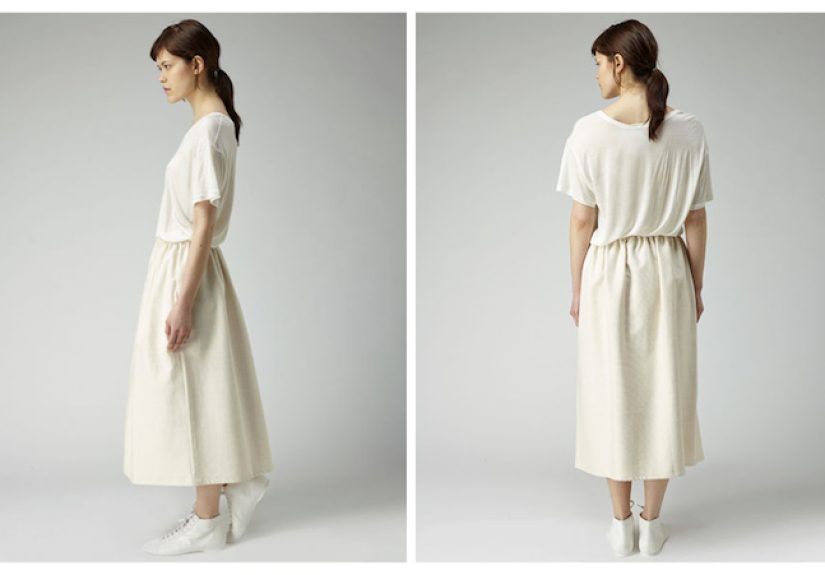
- Full or midi skirt: A tucked-in tee defines the waist and keeps the look intentional.
4) The Layering MVP: White Tee Under Sweaters and Jackets
Layering is where the white tee earns its keep.
- Under a V-neck sweater: The collar should sit cleanly and not bunch.
- Under a cardigan: A tee with a slightly thicker neckline looks more “styled,” less “undershirt.”
- Under a leather jacket or denim jacket: Any clean fit works, but a classic crewneck is foolproof.
- Under a trench: Pair with straight jeans and simple shoes for instant “I have errands, but also taste.”
5) The Undergarment Truth: What to Wear Under a White Tee
Quick PSA: a white bra is often more visible under a white tee than a nude bra that matches your skin tone. If you want the tee to look seamless, choose underlayers that blend with you, not with the shirt.
If you prefer layering, a slim undershirt can protect your white tee from deodorant marks and body oilsespecially in summer or during heavy commuting days.
Care Counsel: Keeping Your White Tee White (Without Destroying It)
The biggest enemy of a white tee isn’t dirt. It’s build-up: body oils, deodorant residue, detergent residue, and “invisible grime” that slowly turns white into “mysterious off-white.”
Wash Smarter, Not Harder
- Separate whites: Even pale colors can dull whites over time.
- Don’t overload the washer: Clothes need room to rinse clean.
- Use the warmest water the care label allows: Heat can help lift oils and residue, but always follow the label so you don’t shrink or weaken fibers.
- Measure detergent: Too much detergent can leave residue that traps grime.
- Skip heavy fabric softener for tees: It can coat fibers and reduce crispness.
Stains: Treat Them Like a Fire Drill
White tees don’t “wait until later.” Later is how stains become permanent roommates.
- Food/coffee: Rinse with cool water as soon as possible. Pre-treat before washing.
- Deodorant marks: Gently rub the fabric (don’t grind it in) and treat before it sets.
- Sweat stains: These often come from a reaction between sweat and antiperspirant ingredientsespecially aluminum compounds. Pre-soaking and targeted treatment work best.
Bleach: The “Read the Label” Moment
Chlorine bleach can brighten whites, but it can also weaken fibers over time. Oxygen-based (color-safe) bleach alternatives are often gentler and great for maintaining brightness. Always check your garment’s care label and product instructionsand when in doubt, test on an inconspicuous area.
Drying & Storage
- Air-dry when you can: It reduces shrink risk and can help preserve the tee’s shape.
- Sunlight can help brighten whites: Just don’t overdo it for delicate fabrics.
- Store clean tees only: Body oils left in fabric can yellow over time, especially in warm storage conditions.
Buying Strategy: Stop Hunting, Start Building a White Tee “Bench”
One perfect white tee is great. A tiny rotation is better. Think in roles:
- The Standalone Star: Opaque, mid-weight, great fit, strong neckline.
- The Layering Hero: Slightly lighter, smooth under sweaters and blazers.
- The “I’m Painting / Traveling / Living” Tee: Still decent, but you won’t mourn if it meets a marinara fate.
This approach keeps your best tee looking fresh longerand it reduces the temptation to panic-buy five random shirts during a midnight “best white tee” scroll session.
Five-Minute Fitting Room Checklist
- Opacity check: Hold it up to light. Is it confidently opaque?
- Neckline check: Does the collar lie flat and feel sturdy?
- Shoulder seam check: Does it sit where it should (or is the oversize intentional)?
- Movement check: Raise your arms. Does it ride up weirdly or twist?
- Reality check: Can you picture wearing it with at least three outfits you already own?
Conclusion: The Perfect White Tee Is a System, Not a Miracle
The perfect white tee shirt isn’t about chasing a logo or a price tag. It’s about choosing the right fabric, the right weight, and a fit that matches your life. When you get it right, the tee becomes the quiet foundation that makes everything else look betterdenim, blazers, skirts, trousers, jackets, you name it.
And when you care for it like the wardrobe workhorse it iswashing smart, treating stains early, and rotating a small lineupyou’ll spend less time replacing “almost” tees and more time wearing the one that makes you feel instantly put together.
Real-World White Tee Experiences (Extended, 500+ Words)
People don’t fall in love with a white tee in a vacuum. They fall in love with it in the middle of an ordinary daywhen it behaves like a reliable friend instead of a high-maintenance acquaintance. Here are common, real-life white tee scenarios (and what they teach you about picking the right one).
1) The “Iced Coffee Is a Lifestyle” Commute
You leave the house feeling crisp. Ten minutes later, you’re holding a cold brew the size of your future, and someone bumps your elbow. If your white tee is too thin, that single drop becomes an entire mood. A slightly heavier, smoother-knit tee can buy you time: spills sit more on the surface instead of instantly soaking through. The lesson? If you live in a world with beverages, choose a tee with a touch more substanceand keep a stain stick somewhere in your orbit (bag, car, desk, pocket dimension).
2) The “Meeting at 2, Groceries at 6” Outfit
A good white tee earns its reputation in mixed-schedule days. Under a blazer, it should look intentionalclean neckline, stable shoulders, no transparency. Later, when you’re pushing a cart and reaching for the top shelf, it should still hold shape. This is where construction matters: a collar that stays flat and shoulder seams that don’t migrate turn the tee into a true all-day piece, not a one-photo wonder.
3) The “It Looked Fine Online” Delivery
Many people have opened a package and immediately thought, “Oh… this is see-through.” White tees can look identical in product photos, but fabric weight and knit density change everything. The experience that usually follows is a rapid negotiation with your mirror: “Could I wear this with a nude bra?” “Is this only for layering?” “Did I just buy an undershirt pretending to be a shirt?” The lesson? When buying online, prioritize brands that describe fabric weight, fiber content, and construction details clearlyand order with return options that don’t make you feel trapped.
4) The Deodorant Dilemma (A.K.A. The Yellowing Plot Twist)
White tees often get “older” at the underarms and collar first. That’s not just bad luckit’s chemistry plus friction plus time. People commonly notice that a tee can look clean overall but still develop a faint yellow cast where deodorant, sweat, and body oils build up. The fix is usually prevention and speed: let antiperspirant dry before dressing, avoid applying it right before pulling a tee on, and pre-treat early. The lesson? If you wear white tees often, build care into your routine the same way you build coffee into your personality.
5) The Vacation Capsule Test
Travel is where the white tee becomes either your MVP or your regret. In a suitcase, a tee that wrinkles easily can look tired fast. A tee with better recovery (often helped by quality cotton, a good knit, or a tiny bit of stretch) can come out ready to wear. People who travel frequently tend to favor a white tee that can do multiple jobs: daytime sightseeing, dinner with a jacket, layering under a sweater on a plane. The lesson? The “perfect” tee is often the one that works across contexts, not the one that looks perfect only when freshly steamed.
6) The “New White vs. Old White” Closet Reality
Almost everyone has experienced this: you buy a fresh white tee, hang it next to your older “white” tees, and suddenly realize your closet contains five different versions of whitebright white, soft white, slightly creamy white, and “I swear this used to be white.” This is normal. Whites can dull from residue and wear. The lesson? Rotate tees, wash whites together, and don’t wait until every tee is tired before replacing one. A small refresh keeps your whole wardrobe looking sharper.
7) The Compliment Moment
It’s funny how often compliments come from basics done well. A white tee that fits perfectlyclean neckline, right sleeve length, the hem hitting just rightcan make people assume you’re “stylish” even if you got dressed in three minutes. That’s the magic: the perfect white tee doesn’t shout. It simply makes everything else look more deliberate. The lesson? When you find one that truly fits, consider buying a backup. Future-you will feel seen.