Table of Contents >> Show >> Hide
- What Is the Svalnäs Wall Upright, Exactly?
- Why People Fell for It: The “No-Floor-Footprint” Advantage
- Materials & Aesthetics: Bamboo That Doesn’t Try Too Hard
- Planning Your Layout: Measure Twice, Drill Once (and Then Measure Again)
- Installation: The Unsexy Stuff That Makes Everything Safer
- Configurations That Work in Real Homes
- Styling Tips: Make It Look Intentional (Even If You’re Improvising)
- Maintenance & Longevity: Keeping Bamboo Looking Good
- Shopping Reality: New, Discontinued, and Secondhand Strategies
- Alternatives If You Love the Look but Need a Plan B
- of Real-Life Experiences With the Svalnäs Wall Upright
- Conclusion
If you’ve ever stared at a blank wall and thought, “Wow, this wall is really out here doing nothing,” then
welcome. The Svalnäs wall upright is basically the vertical “spine” of IKEA’s SVALNÄS
wall-mounted storage systema minimalist, bamboo-forward framework that lets you hang shelves, cabinets, and
even a little workstation without sacrificing precious floor space (or your sanity).
In this guide, we’ll break down what the Svalnäs wall upright does, why it became a quiet cult favorite, how to
plan and install it like a responsible adult, and how to style it so your home looks “effortlessly curated”
instead of “I panic-bought storage at 1 a.m.” We’ll also cover smart alternatives in case you’re shopping
secondhand or the line is hard to find.
What Is the Svalnäs Wall Upright, Exactly?
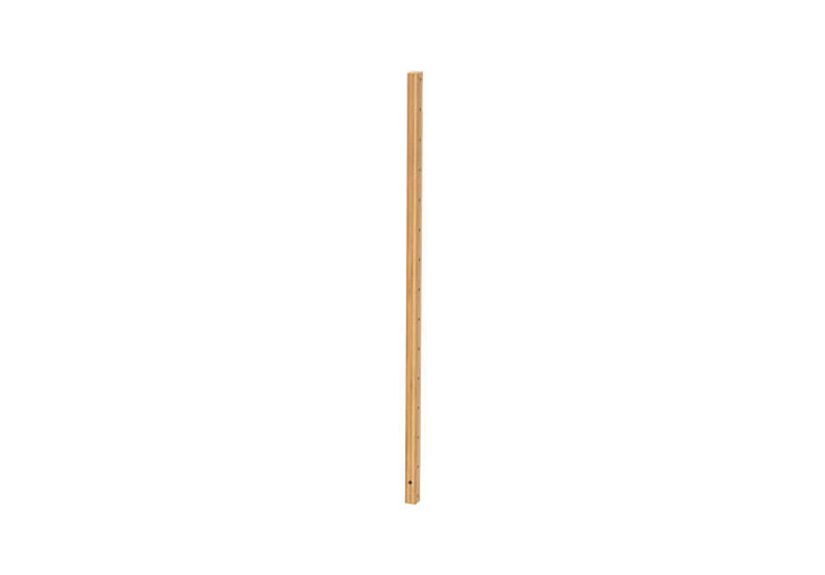
The Svalnäs wall upright is a tall, wall-mounted rail (often bamboo) designed to be secured to
your wall and used as the mounting structure for the rest of the SVALNÄS components. Think of it as a vertical
ladderexcept instead of climbing it, you “climb” your storage up and down by placing brackets and shelves at
different heights.
The magic is modularity. The uprights stay put, and everything else can be rearranged later as your needs change:
books today, a mini home office tomorrow, a “why do we own this many mugs” display next week.
What it supports
Depending on the parts you pair with it, the upright can hold a mix of:
- Shallow and deep shelves for books, plants, frames, and everyday items
- Closed cabinets for hiding the stuff you love but don’t love-looking-at
- Desk components for a compact wall-mounted workspace
- Specialty shelf inserts/compartments for sorting smaller items
The system is designed so you can blend open and closed storagedisplay what’s pretty, hide what’s chaotic, and
pretend you meant to do it that way.
Why People Fell for It: The “No-Floor-Footprint” Advantage
Wall-mounted storage isn’t just an aesthetic flex. It solves real problemsespecially in apartments, small homes,
or any room that has to do double duty (hello, dining table that is also a desk that is also a craft station).
1) It makes small spaces feel bigger
Because the system mounts to the wall, you keep the floor visually open. That creates a lighter look than bulky
bookcases, and it helps rooms feel less “stuffed.” It’s like giving your space permission to breathe.
2) It’s customizable without looking “hacky”
Some modular storage screams “temporary dorm solution.” SVALNÄS leans more “warm Scandinavian gallery wall,”
thanks to bamboo and clean lines. The upright is subtle, so the whole setup can look intentional even if your
layout evolved through trial, error, and mild emotional turbulence.
3) It adapts as your life changes
Move a shelf up to fit taller books. Swap a shelf for a cabinet when you’re tired of dusting. Add a desk when you
suddenly become “a person who works from home now.” The upright stays the same; your configuration changes.
Materials & Aesthetics: Bamboo That Doesn’t Try Too Hard
SVALNÄS is known for its bamboo components, often finished with a clear protective coat. Bamboo’s
visual vibe is warm and brightless “heavy walnut library” and more “sunlit modern calm.” In practical terms,
bamboo is also valued for being durable and relatively easy to care for when sealed properly.
Design-wise, the upright is meant to fade into the background. It’s the supporting actor that makes everyone
else look good: shelves and cabinets appear to float, and your objects become the “main character” (even if that
character is, once again, a stack of mail you swear you’re sorting later).
Style notes that actually matter
- Warm + white pairing: Bamboo with white cabinet fronts tends to feel airy and modern.
- Warm + warm: Pairing bamboo with other natural woods can look cozyjust vary tones to avoid a “matchy” vibe.
- Contrast wins: A bamboo wall system pops beautifully against deeper paint colors.
Planning Your Layout: Measure Twice, Drill Once (and Then Measure Again)
Before you install a Svalnäs wall upright, do a little planning. Not because you’re a control freak (no judgment),
but because wall-mounted systems reward good decisions and punish “close enough” energy.
Start with function, not vibes
Ask one question: What problem is this wall solving? Then build from there.
- Entryway: Shoes, bags, keys, and a “drop zone” shelf at hand height.
- Living room: Books + closed cabinet storage to keep clutter out of sight.
- Bedroom: Books, baskets, and calm décorplus a cabinet for “miscellaneous life items.”
- Home office: Desk shelf + storage above for supplies and below for hidden chaos.
Think in zones
A great configuration usually has three zones:
- Everyday zone: Items you reach for often (around chest-to-eye level).
- Display zone: Lighter décor, frames, plants (higher up).
- Containment zone: Cabinets or bins for the stuff that would otherwise “spread.”
Mind your wall realities
Baseboards, outlets, switches, vents, and that one spot of drywall you don’t trustthese all affect upright placement.
Also: if you’re planning a desk component, leave comfortable knee space and think about chair clearance.
Installation: The Unsexy Stuff That Makes Everything Safer
Installing a wall upright is straightforward, but it’s also the part where gravity becomes your project manager.
The goal: secure the uprights properly so the system can handle daily use without turning into a slow-motion
disaster movie.
Use studs when you can
Whenever possible, mount into studs. If studs don’t align with your ideal layout, you’ll need appropriate wall
anchors rated for your wall type and the load you plan to store. Drywall, plaster, brick, and concrete all have
different hardware needs.
Level + plumb matters
A system can be “secure” and still look slightly haunted if the uprights aren’t level and plumb. Use a level,
mark your holes carefully, and double-check before drilling. Your shelves will thank you by not sliding your
objects into a tiny panic pile.
Pay attention to load guidance
Different shelves and cabinet components have different load capacities. The safest habit is simple:
check the specifications for each component (especially if you’re buying secondhand), and avoid
stacking heavy items high.
Safety reminder if you have kids (or enthusiastic pets)
Wall systems should be secured according to manufacturer guidance, and heavier items should live lower. Also,
if your cat is the kind of athlete who treats shelving as a parkour course, plan accordingly.
Configurations That Work in Real Homes
The Svalnäs wall upright shines when you build around specific routines. Here are a few proven layouts that feel
good to live withnot just good to photograph.
1) The “Small Entryway, Big Feelings” setup
Use two uprights with a shallow shelf at key height, a lower shelf for baskets, and (if you have it) a cabinet
component for gloves, dog leashes, and the mysterious pile of “things to return.”
2) The living-room “display + hide” combo
Put open shelves on top for books and décor, and a closed cabinet below for chargers, controllers, remotes, and
everything else that ruins the illusion of serenity.
3) The compact home office wall
Pair the uprights with the desk-style shelf/drawer component and add shelves above for supplies and binders.
Keep frequently used items at arm’s reach and reserve high shelves for lighter storage.
4) The dining-room “sidekick” wall
A wall-mounted storage system near a dining area can store serving pieces, linens, barware, and small appliances.
It’s especially helpful in apartments where the kitchen is doing its best but needs support.
Styling Tips: Make It Look Intentional (Even If You’re Improvising)
The most common styling mistake is filling every inch with stuff. The upright gives you structure; you still need
breathing room. Try these tricks:
- Leave negative space: Empty space makes the whole system look more “designed.”
- Group objects in threes: Vary height and shape to avoid a flat line of clutter.
- Mix textures: Books + ceramics + a woven basket keeps bamboo from feeling one-note.
- Hide the mess strategically: Closed storage below, display above is the classic “I have my life together” illusion.
- Use repeat elements: Matching bins or bookend colors create calm visual rhythm.
Also: a plant on a shelf is basically a cheat code. It adds life, color, and plausible deniability for why you
own a tiny watering can.
Maintenance & Longevity: Keeping Bamboo Looking Good
Bamboo components generally do well with simple care: dust regularly and wipe with a slightly damp cloth when
needed, then dry. Avoid soaking, harsh cleaners, or leaving moisture sitting on surfacesespecially around
cabinet edges and shelf joints.
If you’re using the system near a kitchen or coffee setup, treat it like a “splash zone” and be proactive:
coasters, trays, and quick wipe-downs are your best friends.
Shopping Reality: New, Discontinued, and Secondhand Strategies
Depending on your location and timing, SVALNÄS components (including the wall upright) may be easier to find on
the resale market than brand-new. If you’re buying secondhand, here’s how to avoid regret:
- Confirm you’re getting the hardware: Missing mounting pieces are common in resale listings.
- Check the upright length: The system has been sold in different sizes/marketsmatch parts carefully.
- Inspect for wall-wear: Look for cracks, warping, or damaged mounting holes on uprights.
- Buy extra brackets if possible: They’re small, easy to lose, and annoyingly essential.
When in doubt, treat the upright as the “core investment.” Shelves and accessories are easier to swap; secure
rails are non-negotiable.
Alternatives If You Love the Look but Need a Plan B
If the Svalnäs wall upright is hard to source, you can still chase the same benefitswall-mounted modular storage,
a light footprint, and flexible configurations. Consider:
- IKEA BOAXEL: Budget-friendly and flexible, often more utilitarian in appearance.
- IKEA IVAR: Classic, adaptable storage; typically floor-based unless modified.
- Wall-rail closet systems (e.g., Elfa-style): Highly adjustable and strong, usually more “closet” than “living room.”
- Premium modular wall shelving: Beautiful, but often significantly pricier than IKEA-era SVALNÄS.
If your priority is the bamboo-and-white Scandinavian vibe, look for systems that balance warmth (wood tones) with
clean structural lines. If your priority is heavy-duty storage, prioritize load ratings and hardware firstbeauty
second.
of Real-Life Experiences With the Svalnäs Wall Upright
Let’s talk about what it’s actually like to live with a Svalnäs wall upright setupnot in a perfectly staged
showroom, but in a home where people eat, work, forget where they put the scissors, and occasionally spill coffee
like it’s a hobby.
The first “experience” most owners describe is the surprise of how much visual calm a wall system can create.
When storage goes vertical, the floor suddenly looks bigger, and the room feels less boxed in. Even people who
weren’t trying to be Minimalist With A Capital M notice that open space reads as peaceful. It’s the same amount
of stuff, just… less shouty.
The second common experience is the slow evolution of the configuration. The upright is stable, but your life
isn’t. What starts as “a few shelves for books” often becomes “a shelf for mail,” then “a shelf for the router,”
then “a cabinet because I can’t look at mail anymore.” That’s the quiet genius of the wall upright: it supports
changing your mind without making you replace the whole system.
Installation stories usually fall into two categories: “That was easier than I expected” and “I learned what a
toggle bolt is, and now I have opinions.” The lesson is consistent: take your time with measuring, and use the
right hardware for your wall type. People who rush often end up with uprights that are slightly off, which isn’t
catastrophicbut it does create a tiny daily annoyance when shelves don’t line up perfectly. It’s the home
organization equivalent of a crooked picture frame: you’ll notice it forever.
Day-to-day use tends to be happiest when the lower portion includes some closed storage. Open shelves are
gorgeous, but real homes generate real clutter: cords, chargers, receipts, pens that don’t work, pens that do,
and one mysterious key nobody claims. A cabinet component paired with the upright becomes the “containment unit”
that preserves the clean look. People who skip closed storage often end up adding baskets later, which works too,
but cabinets look more seamless.
In home office setups, the desk-style component gets a lot of love because it creates a workspace without eating
up a room. The most frequent feedback is that it feels “just right” for laptops and light work, while people who
use heavy monitors or lots of equipment prefer extra support planning (or a separate desk). The upright makes the
office feel integrated into the home rather than like a giant furniture block dropped into the corner.
Finally, there’s the secondhand hunt: many people discover SVALNÄS after it’s harder to find. The experience
becomes part treasure hunt, part puzzlematching shelf widths, confirming hardware, and occasionally driving
across town for “two uprights and a cabinet, no deliveries, bring cash.” Oddly, that effort tends to make owners
like it more. It’s not just storage; it’s a small victory story mounted on the wall.
Conclusion
The Svalnäs wall upright is the understated foundation of a flexible, wall-mounted storage system
that blends warm bamboo aesthetics with practical modular design. If you want storage that doesn’t hog your floor,
adapts as your needs change, and can look polished in everything from bedrooms to workspaces, the upright-based
SVALNÄS approach is tough to beat. Plan carefully, install securely, mix open and closed storage, and you’ll end
up with a setup that looks intentionalbecause it is.